-
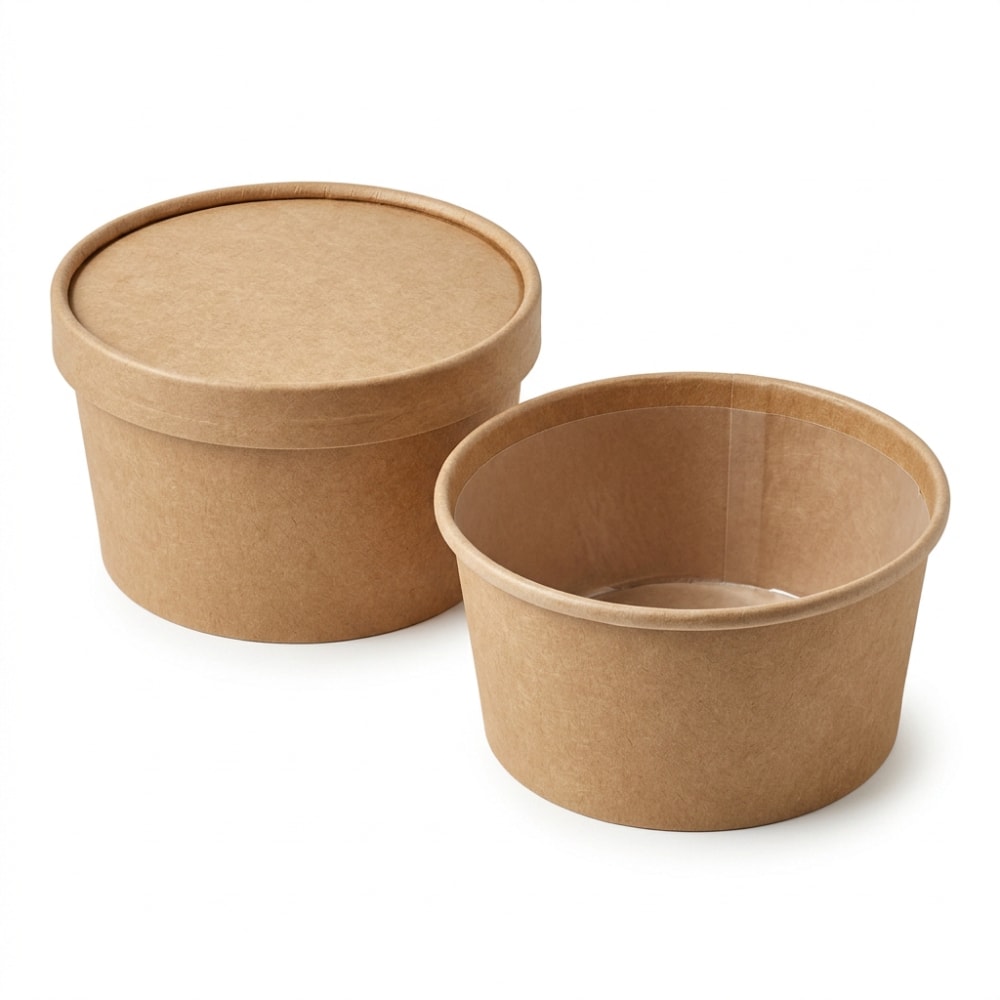
United States Paper Bowl Factory Guide for 2026 Buyers
The United States foodservice market continues to shift toward practical, branded, and more sustainable takeaway packaging. For buyers searching for a dependable paper bowl factory, the decision is no longer only about price. It now involves supply continuity, food safety, coating options, print quality, lid compatibility, lead time, and the ability to support regional demand from restaurant chains, deli operators, delivery platforms, wholesalers, and fast-growing food brands. This page explains how a factory-based sourcing model works, what demand looks like in 2026, how production lines operate, and how buyers in cities such as Los Angeles, Chicago, Houston, New York, Atlanta, Seattle, and Miami can compare manufacturers with traders more effectively.For United States importers and brand owners, paper bowls are used across soup, ramen, poke, salad, rice meals, desserts, deli servings, and microwaveable takeaway applications. They must perform well under hot, cold, wet, oily, and delivery-heavy conditions. That is why many sourcing teams now prioritize suppliers with stable raw material access, food-contact certifications, advanced forming equipment, climate-controlled storage, and clear OEM development workflows. In this guide, we also explain how paper bowl product options, custom packaging services, company strengths, and contact steps can be evaluated for the United States market.A paper bowl factory is the better choice for most serious buyers in the United States because it gives more control over quality, customization, production scheduling, and cost structure than buying through a trader alone. If your business needs soup bowls, salad bowls, noodle bowls, or branded takeaway containers in repeat volumes, working directly with a factory usually means more reliable lead times, clearer material specifications, stronger quality traceability, and better support for OEM and private label development.For the United States market, the best paper bowl factory partners typically provide:Food-grade materials suitable for hot and cold applications Leak-resistant and grease-resistant structures for delivery use Sizes commonly ranging from small dessert bowls to large family meal bowls Custom logo printing and lid matching Compliance support for FDA and relevant international food-contact standards Stable export experience to major ports such as Los Angeles, Long Beach, New York/New Jersey, Savannah, and Houston Buyers should compare factories on five practical points: coating technology, forming consistency, print registration, shipping reliability, and response speed during sample approval. A reliable manufacturer is not simply a low-cost source; it is a supply partner able to help your brand scale across stores, regions, and seasonal demand surges.Buyer NeedWhy It MattersBest Factory ResponseUnited States Use CaseRisk if IgnoredPriority LevelLeak resistanceProtects food during deliveryControlled coating and seam sealingSoup delivery in Chicago winterSpills and customer complaintsVery highGrease barrierMaintains bowl structureMaterial matched to oily foodsRice bowls and fried toppings in HoustonBottom softeningHighBrand printingImproves shelf and delivery visibilityFlexo printing with color controlChain expansion in Los AngelesWeak brand recognitionHighLid fitPrevents leakage and heat lossSize-matched bowl and lid toolingNoodle takeaway in SeattleTransit failuresVery highFast samplingSupports launch timingStructured artwork and sample workflowSeasonal menu in New YorkDelayed rolloutMediumRepeat qualitySupports multi-location operationsQC labs and line checksRegional franchise supplyInconsistent customer experienceVery highThe table above shows why the lowest quote is rarely the best choice. In the United States, where delivery ratings and brand consistency strongly affect repeat orders, operational performance matters as much as unit cost.In 2026, demand for paper bowls in the United States is expected to stay strong, driven by takeaway growth, stricter packaging expectations, menu diversification, and the continued expansion of off-premise dining. QSR chains, salad concepts, poke brands, noodle specialists, supermarket delis, food trucks, and ghost kitchens all use paper bowl formats in different ways. The market is also shaped by state-level sustainability policies, the shift away from some petroleum-heavy packaging options, and consumer preference for packaging that looks cleaner and more responsible.Three major demand drivers stand out in 2026. First, delivery remains deeply integrated into urban food consumption, especially in dense metro areas like New York City, San Francisco, Boston, and Washington, D.C. Second, health-forward meal concepts rely on paper bowls because they present ingredients attractively and support portion control. Third, brands increasingly want packaging that prints well for social media visibility and customer retention. A plain container is no longer enough for many restaurant groups.Demand is not identical across categories. Soup and noodle bowls remain strong in colder regions and among Asian foodservice operators. Kraft salad bowls continue to perform well in higher-income urban areas. Family meal bowls and deli bowls are gaining momentum in suburban grocery and prepared food channels.var ctx1 = document.getElementById('marketGrowthChart').getContext('2d');var marketGrowthChart = new Chart(ctx1, {type: 'line',data: {labels: ['2022', '2023', '2024', '2025', '2026'],datasets: [{label: 'U.S. Paper Bowl Demand Index',data: [78, 86, 95, 104, 116],borderColor: 'rgb(54, 162, 235)',backgroundColor: 'rgba(54, 162, 235, 0.15)',fill: false,tension: 0.3}]},options: {responsive: true,maintainAspectRatio: false}});Segment2026 Demand OutlookMain DriversTypical Bowl TypeHigh-Demand CitiesBuying PatternQSR and chainsStrong growthBrand consistency and deliveryPrinted hot-food bowlsDallas, Atlanta, PhoenixContract supplyAsian takeoutVery strongNoodles, rice meals, soupsLarge leak-resistant bowlsNew York, Seattle, San JoseRepeat bulk ordersHealthy meal brandsStrong growthSalads and grain bowlsKraft salad bowlsLos Angeles, Austin, DenverCustom print focusSupermarket deliModerate to strongPrepared foods expansionMicrowaveable bowlsChicago, Philadelphia, MiamiSeasonal forecastingCatering and eventsModeratePortable meal serviceMedium and large bowlsLas Vegas, Orlando, NashvilleEvent-driven volumeFood delivery platformsStrong growthCloud kitchens and convenienceSecure-lid bowlsSan Francisco, Houston, BrooklynShort lead planningThe chart and table suggest a continued upward trend rather than a temporary spike. Buyers planning sourcing for 2026 should secure capacity early, especially if they need custom print, PLA options, or specialty structures for hot soup and high-liquid dishes. Freight routing through Long Beach, Los Angeles, Savannah, and New York/New Jersey can also influence landed cost and replenishment timing.var ctx2 = document.getElementById('industryDemandChart').getContext('2d');var industryDemandChart = new Chart(ctx2, {type: 'bar',data: {labels: ['QSR', 'Asian Takeout', 'Healthy Bowls', 'Deli Retail', 'Catering', 'Delivery Kitchens'],datasets: [{label: 'Estimated 2026 Demand Share',data: [24, 21, 18, 14, 9, 14],backgroundColor: ['rgb(255, 99, 132)','rgb(255, 159, 64)','rgb(75, 192, 192)','rgb(54, 162, 235)','rgb(153, 102, 255)','rgb(201, 203, 207)']}]},options: {responsive: true,maintainAspectRatio: false}});Another key 2026 trend is policy alignment. Buyers are asking more often for FSC-certified paper sources, reduced-plastic strategies, and compostability options where local disposal infrastructure supports them. This does not mean every market demands the same solution. A chain operating in California may prioritize sustainability claims and branded kraft appearance, while a delivery-heavy operator in the Midwest may prioritize heat retention and leak security above all else. Strong factories help buyers balance both priorities instead of forcing a one-size-fits-all format.Many United States buyers begin sourcing through traders because the process feels simple. Traders may offer multiple product categories and easy communication. However, a true paper bowl factory provides deeper operational advantages when consistency, scale, and technical detail matter. The difference becomes clear during sampling, production, claims management, and repeat orders.A trader usually coordinates between the buyer and one or more factories. A factory directly controls production equipment, raw material inspection, color matching, forming tolerances, and final packing standards. For simple commodity orders, the difference may appear small. For printed, leak-sensitive, or chain-level packaging, the difference can be significant.FactorFactoryTraderImpact on U.S. BuyerBest ForMain LimitationProduction controlDirectIndirectBetter consistency and accountabilityRepeat volumeFactory may specialize narrowlyCustomization speedFaster technical feedbackDepends on supplier chainShorter approval cycleOEM projectsTrader can be slowerPrice transparencyHigherLowerClearer cost structureImporters and distributorsTrader margin addedQuality claims handlingLine-level traceabilityMay require mediationFaster root-cause analysisChain operatorsTrader may lack direct evidenceProduct rangeFocusedOften broaderTrader may bundle categoriesMixed sourcingLess specializationLead time visibilityReal-time schedule insightFiltered informationImproved inventory planningHigh-demand periodsTrader less preciseFor United States buyers importing through West Coast or East Coast ports, direct factory communication helps avoid misunderstandings in carton marks, pallet configuration, label requirements, and production milestones. This is especially useful for wholesalers serving restaurant clusters in Southern California, New Jersey, Texas, and Florida.That said, traders can still be useful for very small mixed orders or early market testing. The right sourcing choice depends on order frequency, customization needs, and internal buying capability. Once a brand enters scale mode, factory-direct usually becomes more economical and more stable.var ctx3 = document.getElementById('supplierComparisonChart').getContext('2d');var supplierComparisonChart = new Chart(ctx3, {type: 'bar',data: {labels: ['Cost Control', 'Customization', 'Quality Traceability', 'Lead Time Visibility', 'Technical Support', 'Claims Response'],datasets: [{label: 'Factory Direct',data: [88, 92, 95, 90, 91, 89],backgroundColor: 'rgba(75, 192, 192, 0.8)'},{label: 'Trader Model',data: [70, 72, 61, 64, 68, 60],backgroundColor: 'rgba(255, 159, 64, 0.8)'}]},options: {responsive: true,maintainAspectRatio: false}});When reviewing suppliers, ask who owns the machines, who controls raw material procurement, and who signs off on final quality reports. If those answers are unclear, you may not be dealing with a true factory partner.Capacity matters because a paper bowl is not just a shaped sheet of paper. It is a structured food-contact product that must be formed, sealed, printed, tested, counted, packed, and shipped at stable standards. A supplier that can produce a good sample but cannot maintain output during peak season is a risk for United States buyers operating across multiple states.Factory scale should be measured by more than building size. Buyers should look at production lines, daily output, print capabilities, warehouse management, QC staff, mold availability, and export handling. A well-organized manufacturer can support both trial orders and steady replenishment for chains, distributors, and foodservice importers.Shandong Fude Packaging Co., Ltd. is one example of a factory model designed around this kind of scale discipline. Founded in 2004, the company operates from a modern 30,000 square meter facility and serves global foodservice packaging markets with a broad range of paper bowls, cups, lunch boxes, trays, and specialty takeaway formats. For United States buyers, the practical value lies in production organization, export familiarity, and the ability to combine standard items with custom brand work.Its manufacturing capabilities include automated production systems, die-cutting, forming, printing support, and warehousing designed to protect product stability before shipment. These capabilities matter when supply plans must align with restaurant launches, distributor inventory cycles, and seasonal demand peaks such as back-to-school, holiday catering, and winter soup promotions.Capacity IndicatorWhy Buyers Check ItStrong Factory BenchmarkOperational BenefitU.S. Buyer RelevanceQuestions to AskFactory sizeShows infrastructure depthLarge dedicated facilityBetter flow and storageSupports stable exportsHow much space is used for packaging production?Automated linesImproves consistencyMultiple forming linesLower defect riskUseful for chain supplyHow many bowl-forming lines are active?Daily outputMeasures real throughputHigh-volume capacityMeets urgent demandImportant for distributorsWhat is daily output by size?Warehouse controlProtects packaging qualityClean, climate-managed storageReduces moisture issuesImportant for long transitHow are finished goods stored?QC laboratoryValidates product performanceIn-house testingFewer shipment claimsCritical for foodservice buyersWhich tests are done before shipment?Export experienceReduces documentation errorsMulti-country shipping historySmoother logisticsUseful for U.S. customs planningWhich U.S. ports are commonly served?Scale also gives flexibility. A large organized factory can reserve line time for repeat clients, maintain safety stock for standard items, and support custom development without disrupting routine production. In the United States, this is especially important for regional wholesalers who need dependable replenishment to serve restaurant corridors around Los Angeles, Chicago, Houston, Newark, and Atlanta.If you want to compare a supplier’s real strength, request a detailed capacity sheet by bowl size, coating type, and print complexity. General statements are less valuable than measurable production data.Understanding the production line helps buyers judge quality risk before ordering. A paper bowl factory usually follows a structured sequence: raw material inspection, printing, die-cutting, forming, curling, sealing, inspection, packing, and warehousing. Each stage influences the final product’s safety, appearance, and performance.The technological capabilities behind a reliable manufacturer are especially important here. Advanced flexographic printing supports sharper logos and more stable color appearance. Precision die-cutting improves shape accuracy. Automated bowl-forming machines help maintain consistent rim shape and sidewall sealing. In-house quality labs can test leak resistance, structural integrity, odor neutrality, and coating behavior. These are not abstract features; they directly affect whether a bowl survives a 25-minute delivery trip in Boston or a hot soup order carried through a cold Minneapolis evening.At Fude’s production level, the combination of automated lines, forming processes, flexo printing, and quality-control systems supports steady output and repeatability. For United States buyers, this means lower risk when moving from sample approval to container-scale ordering.Production StageMain ActivityQuality FocusCommon Defect RiskFactory Control MethodBuyer ConcernMaterial intakeCheck paperboard and coatingFood-grade complianceWrong GSM or poor coatingIncoming inspectionsSafety and performancePrintingApply graphics and logosColor accuracyRegistration shiftPress calibrationBrand imageDie-cuttingCut bowl blanksDimensional precisionMisaligned blanksTool maintenanceLid fit consistencyFormingShape sidewall and bottomSeal strengthLeakage pointsMachine parameter controlHot-food reliabilityInspectionCheck visual and functional qualityDefect screeningMixed lotsSampling and line auditsShipment acceptancePacking and storageCount, carton, and warehouseCleanliness and moisture controlCompression damageStandardized packingTransit protectionThe table above explains why technical transparency matters. Many failures happen not because the concept was wrong, but because forming temperature, paper thickness, or sealing pressure was inconsistent. Buyers should ask for photos or video of production, QC checkpoints, and carton packing standards before approving repeat orders.Another trend in 2026 is production digitization. Better factories are using machine data to reduce waste, monitor line stability, and improve traceability. This helps with defect prevention and supports more accurate reorder planning. Sustainability also benefits when material waste is reduced at the production stage instead of being treated only as a marketing issue.var ctx4 = document.getElementById('trendShiftChart').getContext('2d');var trendShiftChart = new Chart(ctx4, {type: 'line',data: {labels: ['2022', '2023', '2024', '2025', '2026'],datasets: [{label: 'Conventional PE-Lined Share',data: [68, 64, 59, 55, 50],fill: true,backgroundColor: 'rgba(255, 99, 132, 0.2)',borderColor: 'rgb(255, 99, 132)',tension: 0.3},{label: 'FSC / Compostable / Advanced Eco Share',data: [32, 36, 41, 45, 50],fill: true,backgroundColor: 'rgba(75, 192, 192, 0.2)',borderColor: 'rgb(75, 192, 192)',tension: 0.3}]},options: {responsive: true,maintainAspectRatio: false}});This area chart shows the trend shift in buyer interest. The market is not moving away from performance; it is moving toward performance plus better environmental positioning. That dual requirement will define purchasing decisions through 2026 and beyond.A realistic example illustrates the value of direct factory sourcing. A mid-sized United States fast-casual meal brand operating in California, Arizona, and Nevada needed new packaging for rice bowls, noodle bowls, and side soups. The company had been buying through a trading company, but it faced recurring issues: delayed art approvals, inconsistent lid fit, and occasional leaks during third-party delivery.The brand shifted to a factory-direct sourcing model with a structured development process. First, it reviewed bowl sizes based on menu categories. Second, it tested paper thickness and lining options for both hot broth and dry grain bowls. Third, it approved a custom print layout designed to improve brand visibility on delivery shelves and customer social media photos. Fourth, it aligned monthly forecasts with production scheduling so inventory could land through the Port of Long Beach and then move to a regional warehouse near Ontario, California.After six months, the brand reported three practical gains. Product complaints tied to leakage fell noticeably. Unboxing appearance improved because the bowl walls held shape better. The company also gained lower total packaging cost through reduced failure rates and fewer emergency airfreight orders.Project PhaseOld ChallengeFactory-Based SolutionResultTime FrameBusiness EffectSamplingSlow revisionsDirect artwork and sample confirmationFaster approvals2 weeksQuicker launchPerformance testingLeakage in soup ordersAdjusted lining and seal structureFewer failures1 monthBetter reviewsBrandingWeak shelf impactImproved print and color placementStronger recognition1 monthHigher brand recallLogisticsInconsistent arrivalsProduction tied to shipment planMore predictable replenishmentQuarterly cycleLower stockout riskCost controlHidden trader marginFactory-direct pricing reviewImproved budget clarityOngoingBetter margin controlExpansionPackaging not ready for new storesScalable repeat productionSmoother store rollout6 monthsRegional growth supportThis kind of case is increasingly common in the United States. Brands expanding from 10 stores to 50 stores often discover that packaging quality is an operations issue, not just a procurement line item. A reliable paper bowl factory can support growth by reducing uncertainty at every stage of the supply chain.Even smaller buyers can benefit. Independent ramen shops in Seattle, deli operators in New Jersey, and salad startups in Austin may not need massive volume, but they do need consistent product behavior. A scalable supplier with flexible minimums can make growth less risky from the beginning.Food safety and certification have become central sourcing criteria in the United States market. Buyers are under pressure from customers, franchise systems, retailers, and internal compliance teams to prove that packaging is safe, traceable, and responsibly sourced. Certifications do not replace real manufacturing discipline, but they are important signals of process control and material credibility.For paper bowls, the most relevant checkpoints often include FDA-aligned food-contact requirements, EU EC 1935/2004 for broader international assurance, ISO 9001 for quality management, FSC for responsible paper sourcing, and compostability certifications such as BPI or OK Compost when those materials are selected. United States buyers should also check whether coatings, inks, and adhesives are suitable for the intended end use.Fude’s compliance profile includes FDA, EU EC 1935/2004, ISO 9001, FSC, and compostability-related options depending on material selection. This matters because many restaurant groups and importers do not want to manage separate compliance verification across multiple sources.Certification / StandardWhat It CoversWhy It Matters in the U.S.Best Use CaseBuyer QuestionDecision ImpactFDA food-contact alignmentSafety of materials touching foodCore requirement for market confidenceAll bowl typesCan documentation be provided per item?EssentialEU EC 1935/2004Food-contact compliance frameworkExtra assurance for global brandsCross-border sourcing programsDoes the bowl meet migration standards?HighISO 9001Quality management systemSupports repeat consistencyChain and distributor programsHow is the system applied on the line?HighFSCResponsible forest sourcingSupports sustainability claimsKraft bowls and eco-focused brandsIs chain-of-custody available?HighBPICompostability certificationUseful in certain disposal ecosystemsGreen dining programsWhich specific items are certified?Medium to highOK CompostCompostability verificationSupports broader eco positioningInternationally positioned brandsWhat are the disposal conditions?MediumThe explanation behind this table is simple: buyers should match certifications to actual business use. A compostable bowl is valuable only if the structure still performs and the local waste stream can handle it. A beautiful print design is meaningless if migration documentation is missing. Smart purchasing balances marketing claims, legal compliance, and everyday operating performance.In 2026, food safety expectations will likely tighten further through customer audits, private label controls, and retailer pressure. Factories that treat certification as part of a complete quality system, rather than just a sales brochure item, will be more attractive to the United States market.OEM and private label programs are major reasons buyers choose a factory over an intermediary. In the United States, restaurant chains, distributors, meal-prep brands, and regional wholesalers increasingly want packaging that reflects their own identity. A bowl is no longer just a container. It is part of the brand experience, menu presentation, and delivery image.OEM can involve size changes, material adjustments, rim structure, wall thickness, coating selection, lid matching, print layout, and carton labeling. Private label often focuses on branding and repeat supply under the buyer’s own identity. The most efficient factories support a clear process: requirement review, artwork preparation, sampling, production approval, and scheduled delivery.Fude’s service capabilities fit this type of workflow. The company supports packaging selection advice, artwork preparation, sample development, delivery coordination, and full custom manufacturing. Lead times commonly range from about 7 to 15 days depending on order type and complexity, which can help United States buyers plan launches, replenishment cycles, and promotional seasons more efficiently.For brands selling in states with strong visual competition, such as California, Florida, and New York, custom bowls can increase recognition immediately. Matte kraft textures, clean white finishes, bold logo panels, or transparent lid presentation can all influence customer perception. A bowl that photographs well also supports digital ordering and social sharing.Customization ItemOptions AvailableBusiness PurposeCommon U.S. UserLead Time EffectNotesLogo printingSingle color to multi-colorBrand recognitionRestaurant chainsLow to mediumRequires artwork approvalSize specificationSmall, medium, large, custom volumesMenu fitDeli and meal brandsMediumTooling may be neededMaterial choiceKraft, white board, PLA, PE-linedPerformance and positioningEco-focused operatorsMediumMatch to food typeStructure designHeat-insulated, microwaveable, stackableOperational efficiencyDelivery kitchensMedium to highTesting recommendedLid systemPET, PP, paper, vented optionsTransport securitySoup and noodle brandsLowFit testing is criticalOuter carton labelsPrivate label and warehouse codingInventory controlImporters and distributorsLowUseful for multi-site storageFor buyers considering OEM packaging development, it is best to prepare your expected size, serving temperature, estimated monthly volume, artwork files, and target delivery route before requesting samples. This shortens the approval cycle and makes communication much more efficient.Another 2026 development is dual-track customization: some buyers want one line of cost-efficient standard bowls and a second line of premium eco-branded bowls. A capable factory can help segment the offering without creating supply confusion.Shandong Fude Packaging Co., Ltd. serves foodservice packaging buyers that need a dependable manufacturing partner rather than a simple quotation source. For the United States market, the company’s value can be understood through three practical areas: technology, manufacturing, and service.On technological capabilities, Fude uses automated production systems supported by flexographic printing, die-cutting, forming equipment, and internal quality-control processes. This helps maintain bowl shape, print accuracy, and sealing consistency across repeated orders. Quality testing and process checks are important for products used in hot soups, oily foods, salad dressings, and delivery-driven applications.On manufacturing capabilities, the company operates a modern 30,000 square meter facility with organized production flow, warehousing, and export-oriented output management. Its broader packaging range covers paper bowls, paper cups, lunch boxes, trays, fries cups, deli boxes, fruit boxes, and compartment meal containers. This allows buyers to source beyond one SKU when building a more complete takeaway packaging system. Clients in North America often value the ability to consolidate bowl, cup, and food box procurement with one experienced supplier. More product detail is available through the full packaging catalog.On service capabilities, Fude supports buyers through product selection advice, artwork preparation, sampling, custom development, and delivery coordination. The process is designed to move from requirement review to sample confirmation and then to production with clear communication. Flexible minimum order quantities and practical lead times help both first-time importers and established distributors. Buyers who want a broader company overview can review company information here, and sourcing teams ready to discuss a project can use the contact page for direct inquiry.What matters most for United States buyers is fit. A supplier should match your channel, product risk, and growth plan. Fude is generally a strong fit for restaurants, chains, takeaway platforms, wholesalers, and distributors that need food-grade, brand-ready, export-capable packaging with a balance of performance and sustainability.In practical terms, that means support for soup bowls, salad bowls, noodle bowls, dessert bowls, matching lids, custom branding, and bulk export handling. It also means experience serving clients across multiple continents and adapting packaging solutions to different use environments. For the U.S. market, where foodservice speed and branding pressure are both high, that combination is valuable.1. What is the main advantage of buying from a paper bowl factory instead of a trader?The biggest advantage is direct control. A factory manages production, quality checks, customization, and scheduling internally, which usually improves consistency and communication.2. What bowl types are most popular in the United States?Common formats include soup bowls, noodle bowls, rice meal bowls, salad bowls, dessert bowls, deli bowls, and microwaveable takeaway bowls with secure lids.3. What coatings are commonly used?Food-grade PE lining remains common, while PLA and other eco-oriented options are growing in demand. The right choice depends on heat level, moisture exposure, and sustainability goals.4. How can I know if a bowl is suitable for hot soup?Ask for leak-resistance test details, coating specifications, and sample evaluation under actual use conditions. Hot liquid performance should always be tested before bulk approval.5. Are kraft paper bowls always more sustainable?Not automatically. Sustainability depends on fiber sourcing, coating type, certification, and end-of-life conditions. FSC and compostability credentials should be checked carefully.6. What certifications should U.S. buyers request?At minimum, ask for food-contact compliance documentation. ISO 9001, FSC, and compostability certifications can also be valuable depending on the product program.7. What is a reasonable lead time for custom paper bowls?It depends on printing, tooling, and order size. Many projects can move within 7 to 15 days after sample and artwork confirmation, though shipping time is separate.8. What order information should I prepare before contacting a factory?Prepare target size, application, food temperature, estimated quantity, preferred material, print files, and destination port. This helps the supplier give a more accurate proposal.9. Which U.S. industries buy paper bowls in the highest volume?QSR chains, Asian takeaway operators, healthy meal brands, supermarket delis, catering businesses, and delivery kitchens are among the strongest users.10. Can a paper bowl factory also supply matching packaging items?Yes. Many factories also provide cups, lunch boxes, trays, deli boxes, and lids, making it easier to unify sourcing and branding.11. How do I compare suppliers fairly?Compare material specs, certifications, sampling speed, defect handling, production capacity, printing quality, landed cost, and delivery reliability rather than just unit price.12. What should I do next if I want to source for the United States market?Start by shortlisting suppliers with export experience, food safety documentation, and OEM capability. Then request samples, compare performance under real use, and review capacity before placing a larger order.For buyers in the United States, the best sourcing outcome usually comes from treating packaging as a performance category, not only a commodity. A capable paper bowl factory can support market growth, strengthen brand image, reduce operational risk, and prepare your business for the policy, sustainability, and delivery trends shaping 2026. -

Canada Guide to #1, #2 and #3 Kraft Fruit Box Sizing
The correct #1, #2 or #3 kraft fruit box is the smallest practical format that contains the real fruit portion without bruising, crowding, excessive headspace or unstable movement during delivery. For Canadian produce packers, grocery retailers, cafés, meal-prep operators and gift-basket brands, nominal capacity alone is not enough. A box may appear large enough by volume while its opening, depth, corner shape or lid clearance makes it unsuitable for apples, berries, sliced melon, citrus, grapes or seasonal fruit assortments.Buyers should evaluate actual menu portions in physical samples before confirming a standard. Measure the widest fruit, the filled height, the product weight, the lid closure point and the remaining headspace. Then stack filled boxes, place them inside the intended delivery bag or retail crate, and simulate transport movement. This approach helps avoid crushed berries, wet lids, loose fruit, poor shelf presentation and customer complaints.For most operations, #1 kraft fruit boxes suit compact snack portions and smaller cut-fruit packs; #2 boxes are often the core size for mixed fruit cups, grapes, apple slices and medium retail portions; and #3 kraft fruit boxes generally serve family portions, premium assortments and larger seasonal packs. The final selection depends on fruit geometry and service conditions, not just a printed capacity number.Whole fruit needs footprint and sidewall support, while cut fruit needs surface area, drainage awareness and safe headspace under the lid. Seasonal assortments often require the greatest flexibility because strawberries, cherries, clementines, kiwi, grapes and stone fruit vary in size and moisture content. Canadian buyers should map every active menu item to an approved box rather than assume a single standard will fit every offering.Fruit applicationTypical box choiceRecommended formKey sizing concernPractical testApple slices with dip#1 or #2Wide, shallow boxPrevent lid contact with slicesClose lid after 30 minutes of holdingMixed berries#1Shallow, broad footprintAvoid deep stacking pressureShake test and one-box stack testWhole apples or pears#2 or #3Rectangular or square boxAllow diameter and sidewall clearanceCheck corner pressure after transportGrapes and melon cubes#2Medium depth with fitted lidControl movement and condensationFill, chill and inspect after two hoursFamily fruit platter#3Wide, low-profile boxPreserve presentation and separationTest inside delivery bag with ice packHoliday fruit gift assortment#3Deep box or tray-style formatManage irregular fruit sizesTest full assortment at maximum loadThe table should be treated as a starting point, not a fixed specification. A large Honeycrisp apple, a small mandarin or a premium berry assortment may require different internal dimensions even when the overall portion weight is similar. For a broader range of formats, Canadian buyers can review kraft fruit box options before requesting samples.Nominal capacity is usually measured with water or by calculating dimensions. Usable volume is the space available for the actual fruit portion once the lid closure, product shape, wall taper, safe headspace and food-contact liner are considered. In real service, usable volume is always lower than theoretical volume.A round fruit such as an apple creates voids between the product and the sidewalls. Cut mango, melon cubes and grapes settle more efficiently, yet their moisture can reduce usable fill height because operators must leave room to prevent leakage or lid contact. A box that claims a generous capacity can therefore look underfilled with whole fruit or become overfilled with soft sliced fruit.Evaluation factorNominal capacity effectUsable-volume effectRisk if ignoredAcceptance targetWall taperMay appear large on specification sheetReduces base areaFruit piles unevenlyMeasure internal base dimensionsLid clearanceNot always includedReduces safe fill heightCrushed fruit or wet lidMinimum 8–15 mm headspaceWhole fruit shapeVolume can look sufficientCreates unused corner spacePoor perceived valueUse real fruit samplesCut-fruit moistureDoes not change stated capacityRequires reduced fill levelLeakage and condensationTest after chilled holdingInternal seam or foldUsually excluded from stated volumeCan snag soft fruitDamaged berries or slicesInspect food-contact surfacePackaging toleranceCan vary between production lotsChanges lid fit and stackingInconsistent packing line resultsDocument critical tolerancesA useful buying procedure is to set a defined target weight for each SKU, such as 180 g, 350 g or 650 g, then test the heaviest seasonal fruit variation. In Canada, this matters particularly for chilled retail distribution through Toronto, Vancouver, Montréal and Calgary, where products may move from packing facility to refrigerated storage, local courier and final customer delivery.var ctx1 = document.getElementById('marketGrowthChart').getContext('2d');new Chart(ctx1, {type: 'line',data: {labels: ['2022', '2023', '2024', '2025', '2026', '2027'],datasets: [{label: 'Indexed Canadian demand for ready-to-eat fruit packaging',data: [100, 108, 117, 126, 136, 148],borderColor: 'rgb(74, 124, 89)',backgroundColor: 'rgba(74, 124, 89, 0.12)',fill: false,tension: 0.3}]},options: {responsive: true, maintainAspectRatio: false}});This indicative market-growth view reflects the continued shift toward portion-controlled fresh food, convenience retail and delivery-ready packaging. It is especially relevant to operators planning annual purchasing programs instead of short seasonal orders.Consumers judge fruit portions visually before they judge them by weight. A wide, shallow kraft fruit box can make berries, melon and citrus segments appear abundant because the product is distributed across a visible surface. A deep narrow box may protect height-sensitive fruit, but it can make the same weight appear less generous and can create pressure on fruit at the bottom.For whole fruit, internal width is usually more important than volume. For sliced fruit, internal depth and lid clearance become more important. For premium assortments, a shallow #3 kraft fruit box can improve colour presentation and allow dividers, tissue inserts or branded sleeves without making the package look crowded.Box geometryBest fruit typePortion perceptionTransport behaviourRecommended size rangeWide and shallowBerries, sliced citrus, melonGenerous and premiumStable when stacked carefully#1 and #3Medium squareGrapes, mixed cut fruitBalanced retail appearanceEfficient in delivery bags#2Deep rectangularWhole apples, pears, mandarinsCompact and practicalGood sidewall support#2 and #3Long narrow trayFruit skewers, sliced mangoPremium presentationNeeds firm lid supportCustom formatLarge shallow platterParty or office assortmentsHigh-value visual displayRequires rigid outer support#3Compartmented formatFruit with cheese, dip or granolaOrganized and convenientReduces product migration#2 or #3Retailers should avoid choosing a deeper box simply to create a larger stated capacity. If the menu portion is visually shallow, excess depth can create empty space, fruit movement and a lower-value appearance. Conversely, forcing a tall fruit stack into a shallow container can cause lid compression, bruising and leakage.A kraft fruit box is a system, not an isolated item. The container, lid, label, tamper feature, delivery bag, insulated liner and outer shipping carton must work together. A correctly sized #2 box can still fail if the lid flexes under stacking pressure or if the delivery bag is too narrow for the packed format.For chilled fruit, transparent lids can support product visibility, while kraft lids offer a more natural presentation and can reduce plastic use depending on the chosen structure. Regardless of material, the lid must close consistently across production tolerances and should not touch high points of fruit after the product has settled.System componentWhat to verifyCommon failureSuggested test conditionApproval evidenceBox bodySidewall rigidity and fold accuracyWall bowing under weightFill to maximum operating weightPhotographed sample recordLidClosure force and clearanceLid pops open or touches fruitClose after chilled storageClosure pass/fail checklistLabelAdhesion on chilled surfaceLabel lifting from condensationRefrigerated hold testLabel specificationDelivery bagInternal width and heightContainer tilts or compressesCourier bag loading testBag-fit measurementOuter cartonStack orientationTop boxes crush lower boxesSimulated shipment stackCarton packing diagramCold pack or linerCondensation exposureBottom softening or wet labelsFour-hour cold-chain testMoisture inspection logIn urban delivery markets such as Greater Toronto, Metro Vancouver and Montréal, products may experience repeated handling between store, courier and apartment lobby. A bag-fit test should include turns, braking, vertical carrying and short stacking periods. This is more valuable than approving a box only from a desk sample.Stack crush usually begins at the top rim, lid edge or unsupported centre panel. It may not be visible when an empty box is tested. Once the box is filled with dense grapes, apples or melon, the walls spread slightly and the lid can lose its designed support. Condensation typically appears after chilled fruit is packed into a warmer handling environment, especially when fruit is freshly washed or cut.The most vulnerable point is often the final service stage: a packed box waiting in a refrigerated display, a pickup shelf, a courier tote or a retail carton. A good specification must account for these conditions.var ctx2 = document.getElementById('industryDemandChart').getContext('2d');new Chart(ctx2, {type: 'bar',data: {labels: ['Grocery retail', 'Meal prep', 'Cafés', 'Schools', 'Corporate catering', 'Produce exporters'],datasets: [{label: 'Estimated demand index for kraft fruit boxes',data: [92, 78, 65, 58, 71, 54],backgroundColor: ['#6f9f72', '#8fbd8f', '#b5d6a8', '#d8c78a', '#88a9c9', '#c7956d']}]},options: {responsive: true, maintainAspectRatio: false}});The demand profile highlights why packaging requirements vary by industry. Grocery retail emphasizes shelf appearance and batch consistency. Meal-prep companies prioritize delivery performance. Schools and institutional programs often need portion control, easy opening and dependable supply schedules.Reducing SKUs can lower inventory complexity, simplify forecasting and improve purchasing leverage. However, using one box size for every fruit application can create waste, poor portion appearance and operational errors. The best strategy is normally a controlled three-size architecture: #1 for snack and small fresh-cut portions, #2 for mainstream retail and delivery servings, and #3 for family, premium and seasonal packs.Operators can standardize lid footprints, label positions, outer carton dimensions or print treatments even if the internal box volume changes. This maintains visual consistency while protecting product fit.SKU strategyOperational benefitPotential drawbackBest applicationRecommended actionOne universal boxLowest complexityOverpacking or empty spaceVery limited menuUse only after broad testing#1 and #2 pairingSimple inventory controlLimited family-size flexibilityCafés and small retailersAdd #3 during seasonal peaks#2 and #3 pairingGood for retail and cateringMay be too large for snacksProduce countersUse small inserts where neededThree-size platformBest portion coverageRequires forecasting disciplineMulti-channel food businessesStandardize lids and print zonesSeasonal custom sizeImproves premium presentationHigher tooling and inventory riskHoliday gifts and promotionsConfirm annual demand firstCompartmented extensionSupports value-added menusMore packing stepsFruit-and-snack combinationsUse only for proven menu itemsFor example, a Vancouver meal-prep brand may use #1 boxes for berry-and-yogurt snack packs, #2 boxes for standard cut-fruit meals and #3 boxes for office catering. The business gains a manageable ordering structure without compromising the customer experience.var ctx3 = document.getElementById('trendShiftChart').getContext('2d');new Chart(ctx3, {type: 'line',data: {labels: ['2022', '2023', '2024', '2025', '2026', '2027'],datasets: [{label: 'Share of buyers prioritizing recyclable or fibre-based formats (%)',data: [42, 49, 57, 64, 70, 76],borderColor: 'rgb(159, 113, 62)',backgroundColor: 'rgba(159, 113, 62, 0.28)',fill: true,tension: 0.3}]},options: {responsive: true, maintainAspectRatio: false}});By 2026 and beyond, Canadian purchasing decisions are expected to place greater emphasis on fibre-based packaging, clear material documentation, reduced unnecessary plastic, lighter logistics loads and more accurate portion planning. Sustainability should be evaluated with food protection in mind: wasted fruit has both cost and environmental consequences.A repeatable approval record prevents confusion when staff change, seasonal fruit changes or orders are placed months later. The record should identify the approved #1, #2 or #3 kraft fruit box by internal dimensions, external dimensions, board construction, coating or barrier requirement, colour, print artwork, lid reference, target fill weight and approved transport conditions.It should also include photographs of filled samples, a packing sequence, acceptable tolerances and clear pass/fail criteria. For branded fruit programs, specify barcode placement, nutrition-label zone, lot coding location and any bilingual labelling requirements relevant to the Canadian market.Specification itemWhat to recordWhy it mattersOwnerReview frequencyBox referenceSize, dieline and revision numberPrevents wrong-format reordersPurchasing teamEvery orderInternal dimensionsLength, width, depth and tolerancesControls actual fruit fitQuality teamAnnual or on changeTarget fill weightMinimum and maximum product weightSupports portion consistencyOperations teamSeasonallyLid referenceMaterial, fit and closure requirementProtects against spills and crushPackaging teamEvery revisionTransport testStack height, duration and bag typeVerifies delivery performanceLogistics teamQuarterlyArtwork approvalDigital proof and signed sampleProtects brand accuracyMarketing teamEach artwork updateFude Packaging supports overseas B2B buyers with practical development, manufacturing and export coordination for paper food packaging. For Canadian importers and food-service businesses, the objective is not merely to supply kraft fruit boxes but to help define a specification that can be reproduced consistently across repeat orders.From a technological perspective, Fude Packaging operates in-house quality and performance testing capabilities that support evaluation of material selection, forming quality, lid compatibility, print appearance and functional handling. Buyers can use digital proofs, plain white samples and printed pre-production samples to check the package before mass production. This is particularly valuable for fruit packaging because visual fill, closure clearance and stack performance are easier to verify with real food than through drawings alone.From a manufacturing perspective, the company has more than 20 years of packaging experience, a self-owned 30,000 m² production base and automated capacity of up to 120,000 units per day. The production system covers paper cups, bowls, trays, boxes and multi-compartment meal packaging, allowing distributors to consolidate complementary food-packaging categories. Documentation and quality systems can support requirements involving FSC, ISO 9001, LFGB, FDA-related food-contact expectations and batch traceability, subject to the selected material and destination-market application.From a service perspective, Fude Packaging assists with product selection, custom dimensions, print adaptation, sample planning, scheduled orders and export-ready packing. Canadian customers shipping through the Port of Vancouver, Port of Montréal or Toronto-area logistics channels can coordinate specifications, production timing and documentation with one manufacturing partner. Learn more about custom packaging services and the company’s manufacturing background.var ctx4 = document.getElementById('supplierComparisonChart').getContext('2d');new Chart(ctx4, {type: 'bar',data: {labels: ['Sample options', 'Production scale', 'Traceability', 'Customization', 'Export support', 'Product range'],datasets: [{label: 'Fude Packaging capability index',data: [92, 95, 90, 94, 88, 93],backgroundColor: 'rgba(93, 120, 174, 0.8)'},{label: 'Typical single-category supplier index',data: [68, 62, 65, 70, 55, 48],backgroundColor: 'rgba(180, 180, 180, 0.75)'}]},options: {responsive: true, maintainAspectRatio: false}});The comparison is intended as a procurement framework rather than a substitute for supplier qualification. Buyers should compare actual samples, audit records, documentation, lead times, communication quality and shipment performance before placing a production order.1. How do I measure the correct #1, #2 or #3 kraft fruit box size?Start with the actual fruit portion, not the nominal capacity. Measure the widest product point, the packed height, the target weight and the remaining headspace after the lid is closed. Test several fruit sizes because seasonal supply varies.2. How much headspace should be allowed?Most fruit packs need enough clearance to avoid lid contact after product settling, typically about 8–15 mm depending on fruit type, lid rigidity and transport conditions. Soft berries and cut fruit may require more space than firm whole apples.3. Can several menu items share one size?Yes. A #2 kraft fruit box can often serve grapes, melon cubes, apple slices and medium mixed-fruit portions. However, do not force the same box onto a large whole-fruit pack or a premium platter if it creates either compression or excessive empty space.4. When is a custom size justified?A custom format is justified when a high-volume program cannot achieve stable packing, correct visual presentation or efficient delivery with standard #1, #2 and #3 sizes. It is commonly considered for branded gift boxes, unusual fruit assortments, compartmented snack packs and large catering trays.5. Which sample test confirms final capacity?The most reliable test is a full operational trial: pack the maximum intended portion using real fruit, close the lid, refrigerate it, stack it, place it in the intended bag or carton and simulate handling. Inspect for lid contact, leakage, wall deformation, condensation and product movement.For assistance selecting kraft fruit boxes for Canadian retail, produce packing, takeaway or delivery programs, request specifications or samples through the Fude Packaging contact team. -
Global Market Multi-SKU Food Packaging Supplier Guide
When evaluating a multi-SKU food packaging supplier for the Global market, buyers should request evidence that the factory can manufacture the exact food-contact products, materials, sizes, coatings, print designs, and order quantities required. A supplier may produce paper cups successfully but lack suitable forming tools, leak-testing methods, lid-matching capability, or quality controls for noodle boxes, salad bowls, burger boxes, or compartment meal trays.The most reliable qualification method combines document review, factory capability verification, product-specific sampling, measurable quality limits, production-capacity validation, and a corrective-action process. Buyers should not approve a factory based only on catalog photos, certificates, or a low quotation. Instead, confirm the supplier’s equipment list, material specifications, traceability records, laboratory testing, inspection procedures, delivery performance, and response to non-conforming products.For international buyers, the goal is not simply to find the lowest quoted factory price. It is to reduce total procurement risk across multiple packaging categories. A qualified supplier should help consolidate purchasing, standardize quality, coordinate artwork, improve shipment utilization, and provide compliance documents suitable for the destination market.Qualification AreaWhat Buyers Should VerifyPractical EvidenceAcceptance MeasureProduct scopeExact packaging types and sizesSpecification sheet, dieline, samplesDimensions match approved drawingFood-contact controlMaterial, coating, ink, adhesive suitabilityDeclarations, test reports, supplier recordsDocuments match destination marketFactory equipmentPrinting, die-cutting, forming and packing linesEquipment list, videos, audit observationsCorrect equipment for each SKUQuality managementIncoming, in-process and final inspectionInspection records and quality planDefined AQL or agreed defect limitsTraceabilityLot identification from paper to shipmentBatch cards, warehouse records, carton labelsLot can be traced within one working dayCapacityAvailable output during peak periodsProduction plan, shift record, order historyConfirmed allocation before purchase orderCorrective actionResponse to quality or shipment claimsCAPA report, replacement procedureRoot cause and action deadline definedThe table above should become the basis of a buyer’s supplier-approval file. Evidence should be SKU-specific. For example, proof of paper-cup production does not automatically verify a supplier’s ability to make grease-resistant burger boxes or leak-resistant paper bowls.Multi-SKU food packaging means sourcing several packaging categories from one coordinated manufacturer or supplier. Typical programs include hot-drink cups, cold-drink cups, paper bowls, soup containers, lunch boxes, salad containers, trays, burger boxes, noodle boxes, lids, sleeves, and branded outer cartons. These programs are common for restaurant chains, distributors, ghost kitchens, catering companies, airline-food providers, retailers, and takeaway platforms.In the Global market, buyers should define the product scope before comparing factories. The specification must state the food type, serving temperature, fill level, contact duration, transportation conditions, microwave requirement if applicable, grease exposure, moisture exposure, stacking requirement, closure system, branding requirement, and disposal objective. Without this information, factories may quote visually similar products built with different paper grades, coatings, grammage, or structural strength.For example, a 750 ml salad bowl may require a different board grade and lid fit from a 750 ml hot noodle bowl. A burger box for dry products may perform differently from one intended for fries, sauces, and delivery transport. The buyer should define the actual application rather than purchasing only by nominal size.Packaging CategoryTypical ApplicationCritical Performance RequirementCommon Buyer ErrorPaper cupsCoffee, tea, juice, soft drinksLeak resistance, rim strength, lid fitApproving a cup without testing the matching lidPaper bowlsSoup, noodles, rice, saladsHeat performance, seam integrity, stackingUsing one board grade for all food temperaturesKraft lunch boxesMeals, bakery products, takeawayGrease resistance and fold strengthIgnoring sauce or condensation exposureBurger boxesBurgers, fries, sandwichesCompression resistance and ventilationTesting only empty boxesSalad containersFresh produce, grain bowlsLid security and moisture toleranceNot testing refrigerated delivery useNoodle boxesAsian noodles, rice, stir-fryLeak prevention and handle strengthIgnoring oil and hot-food contactFood traysSnacks, bakery, fast foodRigidity and grease resistanceAssuming all kraft trays are food-contact equalBuyers can review Fude Packaging’s available food containers when developing a multi-category procurement list. A complete product matrix helps purchasing teams identify which sizes can share lid systems, cartons, print colors, pallet formats, and shipping plans.Global demand for consolidated packaging sourcing continues to rise because food-service brands need consistent packaging in multiple locations. Importers serving London, Dubai, Los Angeles, Sydney, Singapore, Rotterdam, Jeddah, and Hamburg increasingly prefer fewer supplier relationships, provided the factory can maintain category-specific quality controls.var ctxMarketGrowth = document.getElementById('marketGrowthChart').getContext('2d');new Chart(ctxMarketGrowth, {type: 'line',data: {labels: ['2022', '2023', '2024', '2025', '2026', '2027'],datasets: [{label: 'Indexed Global Multi-SKU Food Packaging Demand',data: [100, 108, 117, 127, 139, 151],borderColor: 'rgb(42, 111, 151)',backgroundColor: 'rgba(42, 111, 151, 0.12)',fill: false,tension: 0.25,borderWidth: 3}]},options: {responsive: true,maintainAspectRatio: false,plugins: { legend: { display: true } },scales: { y: { beginAtZero: false, title: { display: true, text: 'Demand Index' } } }}});The line chart illustrates an indexed planning trend rather than a guarantee of future market volume. Growth is supported by takeaway food consumption, restaurant-chain expansion, private-label retail, demand for branded packaging, and supplier-consolidation programs.Equipment verification should focus on the manufacturing route for every important SKU. A multi-SKU supplier should be able to explain how paper is received, stored, printed, coated or converted, die-cut, formed, inspected, packed, and prepared for export. Buyers should also distinguish between in-house production and outsourced items. Outsourced products are not automatically unacceptable, but the supplier must disclose the arrangement and show how quality, traceability, and delivery responsibility are controlled.For paper food packaging, relevant equipment may include flexographic or offset printing machines, laminating or coating equipment, die-cutting machines, paper cup forming machines, bowl forming machines, automatic lunch-box forming lines, inspection systems, packing machines, palletizing areas, and laboratory instruments. The required line configuration depends on the product construction.During a remote or onsite audit, buyers should ask for machine model, line quantity, typical output rate, maintenance plan, changeover process, operator training records, rejection records, and examples of the same or comparable product. A factory that can run a high volume of standard white cups may have lower efficiency when producing several customized printed SKUs with frequent artwork changes.Equipment or ControlRelevant Product TypesAudit QuestionUseful RecordPrinting lineBranded cups, bowls, boxesHow is color approved and monitored?Color standard, print inspection sheetDie-cutting machineBoxes, trays, sleeves, lidsHow are cut accuracy and tool wear checked?Die maintenance and first-piece recordCup forming machineHot and cold paper cupsHow are bottom and side seams verified?Leak-test and hourly inspection recordBowl forming machineSoup, noodle and salad bowlsCan it run required diameter and height?Machine setup and sample test reportBox forming lineBurger and meal boxesHow is fold consistency controlled?In-process dimensional checkLaboratory equipmentAll food-contact packagingWhich performance tests are conducted?Test method and dated reportAutomated packing lineHigh-volume export programsHow is SKU mixing prevented?Carton label and packing verificationFude Packaging operates from a self-owned approximately 30,000 m² factory in Shandong, China, a region connected to established paper and packaging supply networks. Its technological capabilities include automated production lines, in-house printing and forming processes, product development support, and laboratory-based performance testing. For buyers shipping through Qingdao Port, Ningbo-Zhoushan Port, Shanghai Port, or Shenzhen’s Yantian Port, integrated factory control can help reduce coordination gaps between multiple subcontractors.Equipment proof should be linked to performance proof. A video of a production line is useful, but it is not equivalent to a passed sample trial, a machine capability review, or a documented inspection result.Minimum order quantity is influenced by more than the number of finished pieces. In multi-SKU packaging programs, MOQ and price are affected by board grade, coating type, cup or bowl diameter, print coverage, Pantone color requirements, die-cutting tools, lid compatibility, packing configuration, freight terms, destination, and whether the order combines standard items with custom artwork.Buyers should ask suppliers to separate one-time costs from recurring unit costs. Tooling, plates, artwork preparation, prototype development, special carton printing, and custom molds may affect the first order. Recurring pricing should identify the base material, conversion cost, printing cost, packing cost, inspection level, and applicable delivery terms such as EXW, FOB, CIF, or DDP where available.Price DriverEffect on CostHow Buyers Can Manage ItRisk if IgnoredPaper grammageHigher material cost and strengthSpecify needed performance, not excessive weightWeak containers or unnecessary overspendingCoating systemChanges material and processing costMatch coating to food and disposal requirementLeakage or compliance mismatchPrint colorsMore colors increase setup complexityUse controlled color standardsBrand inconsistency between batchesCustom sizeMay require tooling or mold costConsider standard dimensions where practicalHigh MOQ and slower replenishmentOrder mixMany small SKUs reduce line efficiencyForecast annual demand by SKUFrequent changeovers and unstable priceExport packingStronger cartons increase costDefine carton drop and humidity needsTransit damage and mixed cartonsFreight utilizationContainer loading affects landed costOptimize carton dimensions and SKU mixPaying freight for unused volumeThe most useful quote comparison is landed-cost comparison, not unit-price comparison. A lower-priced supplier may create higher total cost through poor carton utilization, inconsistent print, short shipments, rejected goods, delayed containers, or separate purchases from several factories.A product-specific sample trial should represent the final commercial configuration as closely as possible. Buyers should request white samples for structural review, printed samples for artwork and color review, and functional samples for food application testing. For high-risk products, samples should be tested with the actual food, sauce, oil, beverage, temperature, lid, transport route, and holding time expected in use.Define measurable acceptance criteria before samples are approved. Terms such as “good quality,” “no leakage,” or “nice printing” are too subjective for international purchasing. Instead, define dimensions with tolerances, sample size, test duration, permitted visual defects, print color references, leak-test conditions, carton requirements, and the acceptable quality level for mass production.Sample TestRecommended MethodTypical Acceptance CriterionApplicable ProductsDimension checkMeasure diameter, height, width and depthWithin agreed drawing toleranceAll SKUsLeak testFill with hot or cold liquid for set timeNo visible seam or bottom leakageCups, bowls, noodle boxesGrease testHold oily food or simulantNo unacceptable oil strike-throughBurger boxes, trays, lunch boxesLid fit testApply, remove, invert and transportLid remains secure under agreed conditionsCups, bowls, salad containersCompression testStack filled or simulated packsNo collapse during defined stacking periodBoxes, bowls, traysPrint inspectionCompare against approved artwork and colorLegible print with no critical misregistrationCustom printed productsOdor reviewEvaluate clean empty packageNo abnormal or objectionable odorAll food-contact packagingQuality limits should also distinguish critical, major, and minor defects. Critical defects can affect food safety, function, or legal labeling. Major defects can prevent normal use, such as leaking cups, crushed bowls, incorrect print, or incorrect size. Minor defects may be cosmetic but should still have limits.Buyers sourcing paper bowls should test filled products at the actual service temperature, including lid fit and delivery vibration. The same principle applies to branded paper cups, where rim quality, seam integrity, and lid compatibility must be approved together.var ctxIndustryDemand = document.getElementById('industryDemandChart').getContext('2d');new Chart(ctxIndustryDemand, {type: 'bar',data: {labels: ['Quick-Service Restaurants', 'Coffee Chains', 'Food Delivery', 'Retail Prepared Food', 'Catering', 'Distributors'],datasets: [{label: 'Relative Multi-SKU Packaging Demand Index',data: [92, 79, 88, 72, 61, 84],backgroundColor: ['#2a6f97', '#4c956c', '#f4a261', '#8a5a44', '#6d597a', '#457b9d']}]},options: {responsive: true,maintainAspectRatio: false,plugins: { legend: { display: true } },scales: { y: { beginAtZero: true, max: 100, title: { display: true, text: 'Demand Index' } } }}});The bar chart highlights industries where multi-SKU packaging control is particularly important. Restaurant chains and distributors often require the strongest consistency because their packaging is used across many outlets, menu items, and geographic locations.Compliance documentation should match the destination market, material structure, and intended food-contact use. Buyers should ask what the document covers, which production material it applies to, the issue date, the testing scope, and whether the report relates to the actual product or only a generic raw material. A certificate alone is not enough if the final product includes printing inks, adhesives, coatings, or components not covered by the document.Common requirements may involve FDA-related food-contact expectations for the United States, EC 1935/2004 for the European Union, applicable national rules in the United Kingdom, Gulf market import requirements, Australian and New Zealand food-contact expectations, or country-specific declarations. Sustainability claims must also be verified carefully. FSC material claims, BPI compostability, OK Compost certification, recyclable claims, and plastic-reduction claims should be used only where the relevant product and certification scope support them.Document TypeWhy It MattersBuyer Verification PointReview FrequencyFood-contact declarationConfirms suitability statementCheck product, material and market scopeEach new product or material changeMigration or material test reportSupports food-contact assessmentConfirm tested structure and conditionsBased on validity and customer policyFSC documentationSupports responsible fiber sourcing claimsVerify certificate status and claim wordingAnnual certificate reviewISO 9001 recordShows quality-management frameworkCheck issuer, scope and validityAnnual certificate reviewCompostability certificateSupports approved compostability claimsVerify exact product and coating coverageBefore each claim or product launchInk and adhesive statementAssesses converted product componentsConfirm intended food-contact configurationWhen artwork or material changesShipment inspection reportVerifies released order conditionMatch PO, quantity, cartons and defectsEach shipmentDocumentation should be stored in a controlled supplier file. Procurement, quality, regulatory, and marketing teams should work from the same approved version. This helps prevent a marketing claim from being printed before its certification scope has been checked.Real capacity is verified through evidence, not claimed daily output alone. Ask the supplier for historical production data, current order loading, planned maintenance dates, shift pattern, line allocation, raw-material stock, production calendar, and peak-season commitments. Capacity should be assessed separately for each product family because cup lines, bowl lines, printing lines, and box-forming lines may be different bottlenecks.A factory may state that it produces 120,000 units per day, but buyers should clarify whether this is total theoretical output, practical average output, or available capacity after existing orders. They should also ask whether the figure applies to simple white products, customized printed SKUs, or the exact combination required.Fude Packaging reports automated production capability of up to approximately 120,000 units per day, subject to product structure, specifications, printing requirements, and order mix. Standard production orders can generally be scheduled within approximately 7–15 days when materials, artwork, capacity, and payment conditions are confirmed. For large seasonal programs, buyers should reserve capacity earlier and agree to rolling forecasts.var ctxTrendShift = document.getElementById('trendShiftChart').getContext('2d');new Chart(ctxTrendShift, {type: 'line',data: {labels: ['2022', '2023', '2024', '2025', '2026', '2027'],datasets: [{label: 'Conventional Single-Use Mix',data: [72, 68, 63, 59, 54, 49],borderColor: 'rgb(193, 78, 76)',backgroundColor: 'rgba(193, 78, 76, 0.18)',fill: true,tension: 0.25},{label: 'Verified Fiber-Based and Compostability-Ready Mix',data: [28, 32, 37, 41, 46, 51],borderColor: 'rgb(76, 149, 108)',backgroundColor: 'rgba(76, 149, 108, 0.18)',fill: true,tension: 0.25}]},options: {responsive: true,maintainAspectRatio: false,plugins: { legend: { display: true } },scales: { y: { beginAtZero: true, max: 80, title: { display: true, text: 'Share of Buyer Sourcing Focus (%)' } } }}});The area chart reflects a directional sourcing trend: buyers are increasingly requesting verified fiber-based options, lower-plastic structures, compostability-ready products where suitable infrastructure exists, and clearer material declarations. Requirements vary by country, waste-management system, and product application, so sustainability claims should remain precise.For container shipments, buyers should also consider port routing and lead-time risk. Qingdao and Shanghai are major export gateways for northern and eastern China production; Rotterdam, Hamburg, Long Beach, Los Angeles, Jebel Ali, Singapore, and Sydney are important receiving hubs for many Global market programs. Allow time for vessel schedules, port congestion, customs clearance, local delivery, and safety stock.After initial qualification, supplier management should continue through a scorecard. The scorecard converts supplier performance into measurable indicators and helps buyers identify whether issues are isolated or systemic. Review monthly for high-volume programs and quarterly for smaller programs.KPIMeasurement MethodSuggested TargetCorrective Action TriggerOn-time deliveryOrders shipped by confirmed date95% or aboveBelow target for two review periodsAccepted quality rateShipments passing agreed inspection98% or aboveRepeated major defectsClaim response timeInitial response after issue notificationWithin 24–48 hoursLate response or missing investigationCorrective action closureCAPA completed by agreed deadline90% or aboveOverdue action or recurring root causeArtwork accuracyApproved design versus shipped product100% critical-content accuracyAny regulatory or brand-critical errorQuantity accuracyShipped quantity versus purchase orderWithin agreed toleranceShortage affecting customer supplyDocument completenessRequired files received before shipment100%Missing compliance or customs documentA strong supplier scorecard does not replace collaboration. It creates a factual basis for improvement discussions. When a defect occurs, buyers should require containment action, root-cause analysis, corrective action, verification of effectiveness, and a preventive step for future orders.var ctxSupplierComparison = document.getElementById('supplierComparisonChart').getContext('2d');new Chart(ctxSupplierComparison, {type: 'bar',data: {labels: ['Product Range', 'Traceability', 'Quality Controls', 'Capacity Planning', 'Compliance Support', 'Export Service'],datasets: [{label: 'Basic Trading Supplier',data: [65, 48, 56, 52, 50, 61],backgroundColor: 'rgba(193, 78, 76, 0.75)'},{label: 'Qualified Integrated Manufacturer',data: [88, 84, 90, 86, 87, 89],backgroundColor: 'rgba(42, 111, 151, 0.75)'}]},options: {responsive: true,maintainAspectRatio: false,plugins: { legend: { display: true } },scales: { y: { beginAtZero: true, max: 100, title: { display: true, text: 'Capability Comparison Index' } } }}});The comparison chart is an illustrative evaluation model. Buyers should replace the example values with their own audit scores, evidence grades, and commercial priorities. A distributor may prioritize lead-time flexibility, while a restaurant chain may assign more weight to brand consistency and product performance.Fude Packaging supports overseas B2B buyers who want to consolidate several paper food-packaging categories under one manufacturing partner. The company serves importers, restaurant groups, distributors, food brands, retailers, and takeaway operators across more than 50 countries and six continents.From a manufacturing capability perspective, Fude Packaging produces core categories in-house, including paper cups, paper bowls, food containers, burger boxes, kraft lunch boxes, salad containers, noodle boxes, food trays, and multi-compartment meal boxes. Centralized manufacturing can help customers coordinate packaging specifications, batch consistency, export packing, and container loading across several related SKUs.From a technological capability perspective, the company combines automated production lines with in-house quality checks and laboratory performance testing. Incoming materials, production processes, finished goods, and batch identification can be reviewed through defined inspection stages. Buyers may also arrange independent pre-shipment inspections or third-party laboratory verification where required.From a service capability perspective, Fude Packaging provides OEM and ODM support covering product selection, structural recommendations, coating and material recommendations, artwork and dieline review, Pantone-oriented color matching, prototype development, functional sampling, mass-production coordination, and export documentation. The international team can support T/T and L/C arrangements, sea freight, air freight, LCL, FCL, and express sample shipments.For Global market projects, the practical approach is to start with a SKU matrix and annual demand forecast. This lets the supplier recommend common materials, compatible lids, efficient carton formats, staged sample approval, and a replenishment plan that is suitable for the buyer’s sales regions and delivery calendar.Buyers should verify the supplier through a structured process: confirm product scope, review equipment and factory records, inspect food-contact documentation, approve product-specific samples, define quality limits, assess available capacity, and establish post-approval KPIs. A remote audit can be useful, but high-volume or high-risk programs may also justify an onsite audit or third-party inspection.Useful records include equipment lists, machine maintenance plans, production schedules, shift records, historical order output, first-piece inspection sheets, in-process inspection records, final inspection reports, warehouse batch records, packing lists, and shipment documents. Buyers should request records that relate to the product category being sourced rather than relying only on general factory presentations.A sample trial should include dimensional review, material confirmation, artwork approval, functional testing, packing evaluation, and actual food-use testing where possible. For hot-food containers, test heat, condensation, leakage, grease resistance, lid fit, and transport performance. For printed products, compare the sample against approved artwork and agreed brand-color standards.Verify real capacity by reviewing the supplier’s current order load, production calendar, line allocation, raw-material availability, staffing plan, maintenance schedule, and confirmed capacity reservation. Ask for available capacity by product family, not only total factory output. A written forecast and rolling order plan are especially important before Ramadan, year-end holidays, major retail promotions, summer beverage peaks, or restaurant launches.The most useful KPIs are on-time delivery, accepted quality rate, claim response time, corrective-action closure rate, artwork accuracy, quantity accuracy, documentation completeness, and communication speed. Buyers should also monitor recurring defect types, freight damage, carton consistency, and the supplier’s ability to react to forecast changes.One supplier can simplify procurement, quality control, and logistics, but only if the supplier has verified capability for each important category. Strategic buyers may use one primary multi-SKU manufacturer plus an approved backup source for critical items. The decision should balance cost, risk, capacity, product specialization, and regional service needs.Key 2026 trends include increased use of automation for inspection and production planning, stronger traceability expectations, more detailed food-contact documentation, lower-plastic and fiber-based material development, demand for verified sustainability claims, digital artwork approval, and improved supply-chain visibility. Policy developments will continue to vary by market, so buyers should verify local packaging, waste, labeling, and food-contact requirements before product launch. -

Bulk Kraft Food Containers Buying Guide for the United States
For buyers in the United States, bulk kraft food containers are a practical choice for takeout, delivery, meal prep, deli service, and fast-casual dining. They balance cost, branding, food safety, and shelf appeal while fitting the growing demand for fiber-based food packaging across cities such as New York, Los Angeles, Chicago, Houston, Miami, Seattle, and Atlanta. Restaurants, distributors, food trucks, chains, and commissary kitchens increasingly prefer kraft paper containers because they present a natural look, work with hot and cold foods, and support both standard and custom branding programs.When purchasing in volume, the most important factors are container size, paper weight, lining type, leak resistance, certification, print quality, case pack, and total landed cost. U.S. buyers also need to think about freight routing through major ports such as Los Angeles/Long Beach, New York/New Jersey, Savannah, Houston, and Seattle-Tacoma, since logistics can significantly affect final unit cost and replenishment speed. A strong supplier should be able to support consistent production, stable raw material sourcing, and clear documentation for food-contact compliance.This guide explains market demand, container formats, material selection, PE versus PLA lining choices, bulk production methods, pricing logic, certifications, volume purchasing strategy, and how to evaluate a packaging partner for the U.S. market.Bulk kraft food containers are high-volume paper-based packaging products used for salads, noodles, rice bowls, soups, fried foods, deli meals, bakery items, and combo takeout orders. In the United States, they are in strong demand because food delivery, grab-and-go retail, ghost kitchens, convenience meal programs, and sustainable packaging expectations continue to expand. The best buying approach is to match the container structure to the food type, choose the right lining for grease and moisture control, confirm food-grade compliance, and compare suppliers based on not only unit price but also MOQ, customization cost, transit time, quality consistency, and after-sales support.For many U.S. foodservice buyers, kraft containers are ideal because they offer:Strong visual appeal for natural, premium, or eco-conscious brands Good performance for hot and oily foods when paired with suitable coatings Flexible sizing from snack portions to family meals Compatibility with lids, windows, and multi-compartment designs Scalable supply for wholesale, restaurant chains, and distribution networks If you are buying for a restaurant group, importer, or regional distributor, start with a demand forecast by SKU, decide whether you need stock or custom print, and then request samples before locking in a bulk order. Buyers who also need cups, bowls, trays, lunch boxes, and deli packaging can review broader foodservice options through food packaging product categories to streamline multi-item sourcing.The U.S. market for paper food packaging has continued to benefit from three overlapping shifts: the expansion of off-premise dining, stronger retailer and consumer interest in fiber-based formats, and the need for cost-efficient containers that still support brand presentation. Kraft food containers sit directly at the center of these trends because they serve both mainstream and premium foodservice channels.Demand is especially strong in urban and suburban trade zones where takeout density is high. New York City, Los Angeles, Dallas-Fort Worth, Chicago, the Bay Area, and South Florida represent major consumption clusters due to restaurant concentration, delivery platform activity, and the large number of delis, salad concepts, meal prep businesses, and Asian quick-service brands using paper bowls and boxes daily. Secondary growth markets such as Phoenix, Charlotte, Nashville, Denver, and Columbus are also expanding as chain development and regional distribution improve.Several end-use segments are driving the category:Fast-casual restaurants needing stackable and grease-resistant packaging Takeout and delivery brands seeking leak control and tamper-friendly presentation Corporate dining and meal prep services using portion-defined containers Supermarkets and delis selling fresh packed meals Food trucks and event caterers preferring lightweight, transportable solutions Campus and healthcare foodservice operations shifting away from foam In the United States, the strongest SKU turnover is usually found in medium-capacity containers, especially 500 ml to 1000 ml formats, plus larger noodle and rice bowls with lids. Window-lid kraft boxes are also gaining traction for bakery, cold deli, and premium grab-and-go programs because they improve product visibility without sacrificing the natural kraft look.The market is also shaped by local policy. Cities and states are steadily tightening rules around single-use plastics, PFAS concerns, recyclability claims, compostability language, and supplier transparency. This does not mean every kraft container is automatically the best environmental choice, but it does mean buyers are more carefully comparing coatings, fiber sourcing, and end-of-life options. In 2026 and beyond, U.S. buyers are expected to focus even more on traceable material inputs, lighter-weight structures, and clearer disposal guidance.U.S. Demand DriverEffect on Kraft Container SalesMost Affected Buyer GroupsTypical Product ResultDelivery growthHigher need for leak-resistant and stackable containersGhost kitchens, chains, aggregatorsLidded bowls and lunch boxesHealth-focused menu expansionMore salad, grain bowl, and deli meal packagingMeal prep brands, supermarketsRound kraft bowls and window boxesEco-positioned brandingPreference for natural kraft appearanceCafes, premium casual diningCustom printed kraft boxesRegulatory pressureGreater review of materials and food-contact documentationDistributors, institutional buyersCertified paper packaging linesCost control programsShift to factory-direct or consolidated sourcingImporters, wholesalersMixed-SKU container ordersRetail grab-and-go expansionNeed for shelf-ready presentationDeli retailers, c-storesWindow-lid and premium deli formatsThe table above shows that demand is not coming from one single trend. Instead, operational efficiency, branding, compliance, and menu expansion are all lifting the category at the same time.var ctxLine = document.getElementById('lineChartMarket').getContext('2d');var chartLine = new Chart(ctxLine, {type: 'line',data: {labels: ['2021', '2022', '2023', '2024', '2025', '2026'],datasets: [{label: 'Estimated U.S. Demand Index',data: [82, 89, 97, 108, 118, 129],borderColor: 'rgb(75, 192, 192)',backgroundColor: 'rgba(75, 192, 192, 0.15)',fill: false,tension: 0.25}]},options: {responsive: true,maintainAspectRatio: false}});The line chart reflects a realistic upward market pattern rather than a speculative surge. Growth is being driven by repeat-use commercial demand, not temporary consumer fads, which is why long-term procurement planning matters.Choosing the correct size and paper structure is one of the most important steps in reducing packaging waste, complaint rates, and unnecessary cost. U.S. operators often overspend by ordering containers larger than needed or by specifying heavy paperboard where a lighter structure would perform adequately. The right fit depends on menu type, serving size, moisture level, hold time, and delivery distance.Small containers are common for side dishes, desserts, sauces, and snacks. Mid-size formats work well for salads, rice dishes, pasta, and lunch sets. Large containers are used for noodle meals, family portions, fried combinations, or protein-heavy entrees. Multi-compartment options are increasingly popular for meal balance, especially in school meals, diet programs, and portion-controlled takeout.Material selection usually centers on three variables: base paper quality, paper grammage, and interior barrier lining. Kraft paper gives a natural brown appearance and is widely used in the U.S. for earthy, clean-label, and sustainable brand aesthetics. White paperboard is often chosen when brands want brighter color printing or a cleaner visual for retail shelves.Container SizeCommon CapacityTypical U.S. UseRecommended Paper StructureExtra Small250 ml to 400 mlSides, fruit, desserts, small deli portionsLight to medium paper with moisture barrierSmall450 ml to 650 mlRice portions, salads, snacks, kids mealsMedium paper, optional lid fit reinforcementMedium700 ml to 1000 mlMain dishes, grain bowls, pasta, deli mealsMedium to heavy paper with leak resistanceLarge1100 ml to 1300 mlNoodles, family sides, combo takeoutHeavy paper with strong rim structureExtra Large1400 ml to 1800 mlShared meals, catering, bulk entreesHeavy paper and stronger wall stiffnessCompartment BoxVaries by sectionMeal sets, school food, diet programsReinforced folds and grease-resistant liningThis size guide helps buyers map each menu item to an efficient packaging format. Overly large containers increase cost per order and can make portions appear smaller, while undersized boxes create lid pressure, leaks, and poor presentation.Food TypeBest Container ShapePreferred Kraft StyleKey Performance NeedSaladsRound bowlKraft bowl with clear lid optionFresh display and moisture controlNoodlesTall round bowlHeavy kraft bowlHeat retention and leak resistanceRice dishesRectangular lunch boxFold-top kraft boxSecure transport and stackabilityFried foodsOpen tray or boxKraft tray or fries cupGrease control and easy servingDeli mealsWindow-lid boxKraft deli containerShelf appeal and portion visibilitySoupsDeep round bowlLined kraft soup containerLiquid containment and lid sealFor U.S. buyers serving multiple channels, a good strategy is to standardize around a core range: one small deli format, one medium bowl, one large bowl, one rectangular meal box, and one compartment container. This reduces SKU complexity, storage burden, and purchasing friction.The most common lining choices for bulk kraft food containers are PE and PLA. Both create a barrier between the food and the paper, but they differ in performance profile, sustainability positioning, disposal pathway, and cost. For U.S. buyers, choosing between them should depend on the actual use case rather than assumptions.PE, or polyethylene lining, remains the mainstream option in many foodservice applications because it offers reliable moisture and grease resistance at a generally lower cost. It works well for hot and cold foods and is widely used for takeout bowls, deli containers, and meal boxes. PE-lined kraft containers are often preferred by buyers focused on durability, broad menu compatibility, and price stability.PLA, or polylactic acid lining, is often selected when a buyer wants a compostable positioning and a plant-based material story. However, in the U.S. market, compostability claims should be handled carefully. End-of-life outcomes depend on local collection systems and facility access, which vary significantly from San Francisco to Dallas to Philadelphia. PLA can be a strong option for sustainability programs, but it should be matched with realistic waste infrastructure and clear customer communication.FeaturePE LiningPLA LiningBuying ConsiderationCostUsually lowerUsually higherImportant for high-volume chain useHeat and moisture resistanceStrong all-around performanceGood but use-case dependentTest with hot foods before rolloutGrease resistanceReliableGood in many applicationsNeeded for fried and sauced foodsSustainability positioningConventionalCompostable-orientedUseful for eco-focused brandingDisposal reality in U.S.Varies by local programDepends on composting accessDo not overclaim environmental outcomesSupply and availabilityBroadly availableMore specializedCan affect MOQ and lead timeThe comparison above shows why there is no universal winner. PE is often the practical default for broad foodservice use, while PLA can be a strategic choice for specific brand programs, municipal environments, or premium sustainability initiatives.In 2026, the U.S. market is likely to move toward more nuanced material decisions. Buyers will increasingly ask not just “Is it compostable?” but also “Is it accepted locally?” and “Does it meet performance needs without driving up waste?” Expect more demand for lightweight coatings, clearer labeling, and hybrid packaging design that lowers material use while maintaining food protection.var ctxArea = document.getElementById('areaChartTrend').getContext('2d');var chartArea = new Chart(ctxArea, {type: 'line',data: {labels: ['2021', '2022', '2023', '2024', '2025', '2026'],datasets: [{label: 'Share of Buyers Prioritizing Sustainability Features (%)',data: [28, 34, 41, 49, 57, 64],fill: true,backgroundColor: 'rgba(75, 192, 192, 0.25)',borderColor: 'rgb(75, 192, 192)',tension: 0.3}]},options: {responsive: true,maintainAspectRatio: false}});This area chart highlights the continued shift toward sustainability-led decision-making. Even buyers who still purchase PE-lined containers are increasingly asking for FSC paper, lower material weight, and better compliance visibility.Understanding production helps U.S. buyers judge whether a supplier can truly support commercial scale. Bulk kraft food containers are not simply folded paper products. Quality depends on the interaction between raw paper, barrier coating, printing precision, die-cutting accuracy, forming stability, curing, packing discipline, and storage control.A typical production flow begins with food-grade paper sourcing. The paper must meet required basis weight and stiffness targets, and where applicable, sustainability sourcing claims should be traceable. After that, the paper receives coating or lamination depending on the required barrier. Next comes printing, often by flexographic methods for larger runs, followed by die-cutting into exact structural patterns. Then the blanks are formed into bowls, trays, or boxes using automated lines designed for stable seams, clean folds, and consistent shape retention.Quality control is critical at every stage. Containers must be checked for coating uniformity, print registration, odor, leakage, compression strength, stackability, and dimensional consistency. For U.S. shipments, reliable packing is also essential, since long transit from Asia to ports like Long Beach or Savannah can expose cartons to humidity and handling stress.From a buyer perspective, strong manufacturing capacity matters because it reduces the risk of late deliveries, variable print quality, and product failures in the field. A capable factory should be able to support sampling, pilot orders, and repeat large-volume production using standardized quality procedures.Shandong Fude Packaging integrates production technology through automated lines, forming equipment, flexographic printing, die-cutting systems, in-house quality testing, and climate-managed warehousing. That matters for U.S. importers because consistency across repeat orders is often more valuable than chasing the lowest first quote. Buyers who want to understand the supplier background in more detail can visit the company overview at about the packaging manufacturer.Production StageMain ActivityQuality RiskBuyer Impact if Poorly ControlledPaper sourcingSelect food-grade base paperInconsistent stiffnessWeak container wallsCoating applicationAdd PE or PLA barrierUneven coverageLeaks and grease seepagePrintingApply branding and designColor mismatch or blurPoor brand imageDie-cuttingCut flat blanks to sizeShape variationLid fit and folding issuesFormingCreate final box or bowl shapeWeak seamsContainer failure during usePacking and storageCarton loading and warehousingMoisture exposureTransit damage and deformationThe table makes clear that a container’s field performance is built long before it reaches a U.S. restaurant or distributor warehouse. Consistency in the factory directly affects customer complaints, refund rates, and brand perception downstream.Bulk purchasing can produce meaningful savings, but only when buyers calculate total procurement value rather than just per-piece price. The cheapest quotation may come with higher freight inefficiency, poor nesting, oversized case packs, inconsistent tolerances, or weak lids that lead to food loss and complaint costs. Real savings come from specification discipline, order consolidation, and predictable replenishment planning.For U.S. distributors and restaurant groups, the biggest savings opportunities usually include:Ordering high-turn SKUs in full-container quantities where possible Combining cups, bowls, trays, and boxes in one sourcing program Reducing excess custom variants that fragment volume Choosing stock sizes with custom print only on top-selling items Improving carton utilization and pallet efficiency Aligning order timing with seasonal demand peaks Freight is often underestimated. A buyer shipping through Los Angeles may have a very different landed cost than one routing inland through Houston or rail-connected Chicago distribution. Warehousing cost also matters. Bulky packaging consumes space, so slightly better nesting or optimized carton count can create annual operating savings even if the unit price is marginally higher.There is also a hidden quality-cost equation. A container that reduces leakage complaints by even a small percentage can save a chain or delivery-heavy operator substantial money over a year. The same is true for stackability. Stable containers reduce damage in prep lines, pickup shelves, and courier transport.Cost FactorLow-Price ApproachValue-Optimized ApproachLikely OutcomeUnit priceBuy lowest quote onlyCompare landed valueBetter overall budgetingSKU countMany similar sizesRationalized core rangeLower inventory complexityCustomizationPrint every itemPrint top movers onlyReduced setup costFreight planningUrgent fragmented ordersForecasted consolidated ordersLower transport costQuality controlMinimal checksPre-shipment verificationFewer defects and claimsSupplier mixToo many factoriesStrategic partner approachMore stable pricing and serviceThis table shows why procurement teams should treat packaging as an operational category rather than a commodity alone. Rationalization and planning often outperform aggressive spot buying.Food-contact compliance is a non-negotiable requirement for the U.S. market. Importers, distributors, and foodservice brands need documentation that supports safe contact with food and alignment with the expectations of buyers, retailers, and regulators. Certificates do not replace product testing, but they are essential indicators of supplier discipline.For kraft food containers sold into the United States, buyers commonly review food-grade declarations, factory quality management systems, paper sourcing certification, and any compostability certification claimed for the product. The relevant mix depends on the exact SKU and intended market channel. Institutional bids and chain accounts usually require more formal documentation than local independent restaurants.Shandong Fude Packaging works with food-contact and quality systems that align with internationally recognized standards such as FDA-related requirements, EU food-contact framework compliance, ISO 9001 quality management, FSC sourcing, and where applicable, BPI or OK Compost pathways for compostability-oriented lines. For U.S. buyers, this kind of documentation supports onboarding, distributor approval, and private label review.Certification or StandardWhat It IndicatesWhy U.S. Buyers CareBest Use CaseFDA food-contact complianceMaterial suitability for food packagingSupports importer and customer confidenceGeneral foodservice packagingEU EC 1935/2004Food-contact framework standardShows broader compliance disciplineExport-grade quality reviewISO 9001Quality management systemImproves consistency across batchesChain and distributor sourcingFSCResponsible paper sourcingSupports sustainability programsEco-positioned retail and foodserviceBPICompostability-oriented certificationUseful for U.S. compostable programsSpecific compostable product linesOK CompostCompostability validation frameworkStrengthens environmental specification reviewSpecialized sustainability procurementThe value of certifications is not only compliance. They also reduce friction in procurement. When a supplier can provide clean, organized documentation, onboarding is faster, especially for distributors serving major metro regions with larger account requirements.In 2026, expect buyers to ask more detailed questions around fiber origin, coating chemistry, migration testing, and disposal claims. Packaging procurement is becoming more technical, and suppliers that can explain materials clearly will have an edge.Volume pricing in bulk kraft food containers is affected by size, material weight, coating type, print coverage, lid format, carton configuration, and total order quantity. MOQ, or minimum order quantity, varies by whether the product is stock, semi-custom, or fully custom printed. U.S. buyers should expect lower MOQs for standard items and higher MOQs for custom branding, unique structures, or special coatings.In practical terms, the pricing ladder usually improves in these stages: sample quantity, trial order, standard wholesale quantity, and full production volume. Custom print can add plate or setup cost, but the cost per unit becomes more favorable as quantity rises. This is why importers and chain buyers often launch with stock containers, validate demand, and then move their top-selling items into custom print programs.Lead time also influences price. Rush production and split shipments can increase total cost. A disciplined forecast allows the factory to plan material usage efficiently and gives the buyer better leverage on volume terms. For businesses looking for project support, sampling, artwork review, or freight coordination, it is useful to review available packaging services and customization support before placing an order.Order TypeTypical MOQ LevelPricing PositionBest Buyer ProfileSample orderVery lowHighest unit costNew product evaluationTrial wholesale orderLow to moderateModerate unit costNew importers, regional brandsStock full-volume orderModerate to highBetter unit pricingDistributors, chain replenishmentCustom print orderModerate to highDepends on print complexityBrand-driven foodservice companiesMixed container orderVaries by SKU mixCan improve logistics efficiencyWholesalers and import consolidatorsLong-term annual programForecast basedBest total value potentialMulti-location restaurant groupsThis table gives a practical view of how MOQ and price tend to move together. Buyers should not focus only on the first order. The better question is how the supplier supports scaling over time.var ctxBar = document.getElementById('barChartIndustry').getContext('2d');var chartBar = new Chart(ctxBar, {type: 'bar',data: {labels: ['QSR', 'Fast Casual', 'Meal Prep', 'Supermarkets', 'Food Trucks', 'Catering', 'Campus Dining'],datasets: [{label: 'Estimated U.S. Demand by End-Use Segment',data: [92, 88, 74, 79, 61, 57, 54],backgroundColor: 'rgb(255, 99, 132)'}]},options: {responsive: true,maintainAspectRatio: false}});The bar chart shows where large-volume buying tends to cluster. Quick-service restaurants and fast-casual brands remain the heaviest users, but retail deli and meal prep continue to grow quickly in purchasing influence.For U.S. buyers looking for a stable packaging partner rather than a one-time vendor, capability depth matters. Shandong Fude Packaging Co., Ltd. brings more than two decades of experience in disposable food-grade paper and plastic packaging, with strong focus on eco-oriented solutions for foodservice, takeaway, and retail applications.From a technological capability perspective, the company combines automated production systems with flexographic printing, die-cutting, forming technology, quality testing functions, and warehousing controls that help maintain product consistency. That is especially important for repeat U.S. orders, where dimensional accuracy, print alignment, and coating stability affect the performance of every case in real restaurant operations.From a manufacturing capability perspective, the company operates a large modern factory in Shandong and serves a broad international customer base across multiple continents. Its production structure supports items such as kraft lunch boxes, trays, paper bowls, soup containers, cups, deli boxes, fries containers, window-lid packs, and compartment meal boxes. For U.S. importers or distributors consolidating multiple packaging categories, that breadth can simplify sourcing and reduce the need to manage too many factories.From a service capability perspective, support includes packaging selection guidance, artwork preparation, sample development, order confirmation, and delivery coordination. This is useful for U.S. customers that need a practical path from idea to launch, especially when moving from stock items to OEM or private label programs. Businesses ready to discuss projects or request quotations can connect through the contact page for packaging inquiries.Typical buyers include restaurant chains, wholesalers, food delivery platforms, distributors, importers, caterers, deli retailers, and growing food brands. In many cases, the company’s role is not just supplying cartons but helping the buyer choose the most suitable combination of size, structure, coating, and branding based on operating needs and budget.A common U.S. case example would be a regional fast-casual operator shifting from multiple local packaging sources to a more standardized import program. By reducing redundant sizes, selecting medium and large core bowl formats, and custom printing only hero SKUs, the buyer can often lower cost while improving visual consistency across all stores. Another example is a distributor serving East Coast delis and prepared foods counters. By choosing window-lid kraft packs and reliable bowl-lid combinations, the distributor can improve shelf presentation while maintaining bulk-buying efficiency.var ctxComp = document.getElementById('comparisonChartSuppliers').getContext('2d');var chartComp = new Chart(ctxComp, {type: 'bar',data: {labels: ['Customization', 'Production Scale', 'Quality Control', 'Lead Time Stability', 'Product Range', 'Documentation Support'],datasets: [{label: 'Strategic Supplier Capability Score',data: [90, 94, 93, 88, 91, 92],backgroundColor: 'rgb(153, 102, 255)'}]},options: {responsive: true,maintainAspectRatio: false}});This comparison chart reflects the factors U.S. buyers should weigh when evaluating suppliers. Price matters, but dependable scale, documentation, range, and service support often decide whether a supplier can support a long-term program successfully.1. What are bulk kraft food containers most commonly used for in the United States?They are widely used for takeout meals, salads, noodle dishes, rice bowls, soups, deli items, bakery products, fried foods, and meal prep programs across restaurants, supermarkets, food trucks, and catering operations.2. Are kraft food containers suitable for hot foods?Yes, many are designed for hot foods when paired with the proper paper structure and barrier lining. Always verify performance based on actual menu items, holding time, and delivery conditions.3. Which is better for U.S. buyers: PE or PLA lining?Neither is automatically better. PE is often preferred for cost and broad performance. PLA may be attractive for compostable-oriented programs, but it should be selected based on local waste infrastructure and real foodservice needs.4. What sizes should a restaurant start with?Most restaurants can begin with a simplified set of small, medium, and large containers plus one bowl and one compartment box. This covers many menu categories while keeping inventory manageable.5. Can bulk kraft food containers be customized with logos?Yes. Many suppliers offer OEM and private label options including logo printing, custom sizes, coatings, lid styles, and structure adjustments. Custom print usually requires higher MOQ than stock items.6. What certifications should I ask for?Request food-contact compliance documentation, quality management details, and any claimed sustainability certifications such as FSC or compostability-related certifications where relevant.7. How can I reduce cost without hurting quality?Standardize your SKU range, forecast demand, consolidate orders, use stock products where possible, and reserve custom printing for top-selling items. Also compare landed cost rather than quoted unit price alone.8. How long do bulk orders usually take?Lead times vary by product type, customization level, and production schedule. Many projects can move from sample confirmation to production within a practical wholesale time frame, but planning ahead is always best.9. Are kraft containers good for distributors?Yes. They are highly suitable for distributors because they cover many end-use markets, offer broad sizing, and appeal to both value-focused and eco-conscious customers.10. What trends should U.S. buyers expect in 2026?Expect stronger focus on sustainability claims, better traceability, lighter-weight packaging design, more precise compliance review, and increased demand for containers that perform well in delivery while supporting natural brand presentation.In summary, bulk kraft food containers remain one of the most versatile packaging categories for the U.S. foodservice market. They work across independent restaurants, chains, retail deli programs, and wholesale distribution. Buyers that combine market awareness, smart sizing, realistic material choices, compliance review, and disciplined sourcing can achieve both cost efficiency and stronger brand performance.Whether your business is shipping into New Jersey for East Coast distribution, receiving at Los Angeles for West Coast replenishment, or serving growth markets in Texas and the Midwest, the right kraft container program should do three things at once: protect food, support your operations, and fit your commercial positioning. A sourcing partner with broad product range, stable manufacturing, clear documentation, and responsive service can make that process far more reliable over time. -
Canada Bento Box Testing: Stop Leaks and Lid Misfit
Compartment crossover and lid alignment issues in white cardboard four-compartment bento boxes usually result from a combination of material variation, forming tolerance, moisture exposure, stacking pressure, storage conditions, sealing settings, transport damage, or food-service misuse. For Canadian bento, catering, school meal, grocery prepared-food, and meal-program buyers, the fastest path to correction is not guessing. It is to reproduce the reported failure under controlled conditions, compare the failed shipment against the approved sample, and document measurable acceptance limits before the next order.A box may appear acceptable when empty but fail after hot rice, sauce, salad dressing, curry, gravy, or chilled prepared foods are added. Divider walls can soften, bend, or compress; the lid may no longer engage evenly; and liquid can migrate between compartments if the board, coating, fold geometry, or compression strength is not matched to the application. This is especially relevant for deliveries across Canada, where products may experience dry warehouse air in Calgary, humid summer receiving conditions in Toronto, refrigerated storage in Montréal, or extended inland transport from Vancouver and Halifax ports.The practical buyer response is to retain approved reference samples, collect failed samples from the field, test both under the same food load and storage conditions, and verify dimensions, divider height, lid engagement, compression performance, leak resistance, and moisture response. A corrected specification should state what is acceptable, how it will be measured, which samples represent approval, and what records must accompany each production batch.Complaint SymptomLikely CauseControlled TestRecommended ActionSauce crosses dividerLow divider height or softened boardFill adjacent cells with hot and cold liquidsIncrease barrier performance or divider geometryLid shifts to one sideForming tolerance or warped rimMeasure lid-to-base alignment at four cornersSet dimensional tolerance and forming checksBox opens during deliveryWeak closure engagementStack and vibration simulationAdjust lock tab, rim profile, or board stiffnessDivider collapses after holdingMoisture absorptionHold filled box for 30, 60, and 90 minutesUse suitable coating and stronger paperboardCorner leakagePoor fold compressionFill corner compartments and tilt testReview crease depth and forming pressureUneven box heightDie-cut or forming inconsistencyMeasure base depth across random unitsIncrease in-process sampling frequencyThe table above converts general complaints into repeatable inspection methods. It helps purchasing teams distinguish a structural design issue from an isolated packing, handling, or storage problem.Before placing a replacement or repeat order, create a corrective-action plan that covers the actual food application, not only empty-box appearance. Begin by defining the foods placed in each compartment, their serving temperatures, filling weights, sauce volume, hold time, delivery distance, and stacking pattern. A sushi lunch may require very different performance from a hot butter chicken meal, a school lunch, or a chilled salad-and-protein kit.For Canadian operators, testing should reflect local distribution realities. A Toronto catering company may load boxes at a central kitchen and deliver through dense urban traffic. A Vancouver meal-prep business may hold packed meals in refrigerated vehicles. A distributor serving Edmonton, Winnipeg, or Saskatchewan communities may face longer routes and changing seasonal temperatures. Each scenario can affect board stiffness, closure fit, and compartment separation.Corrective changes may include increasing paperboard basis weight, revising coating selection, increasing divider height, improving divider-to-base folds, changing lid locking tabs, widening a tolerance-critical rim, or adjusting forming pressure. Avoid changing several variables without recording them. Change one or two factors at a time, then compare results against the retained approved sample.Correction OptionBest Used WhenExpected BenefitBuyer VerificationHigher-strength paperboardWalls deform under food weightImproved rigidity and stacking strengthCompression test with filled boxesImproved moisture barrierHot or saucy foods soften dividersReduced absorption and migration risk60-minute hot-food holding testTaller internal dividerFood travels across compartmentsGreater separation marginTilt and transport simulationRevised lid lock tabLid opens or sits unevenlyMore reliable closure engagementOpen-close cycle and drop checkForming-tool adjustmentRim dimensions vary by unitBetter lid-to-base consistencyFour-corner dimensional auditImproved outer carton packingBoxes arrive warped or crushedReduced transport deformationCarton compression and receiving inspectionThis corrective-action table is useful when comparing supplier proposals. The lowest unit-cost change may not produce the lowest total cost if it does not prevent claims, food waste, rework, delivery failures, or damage to a food-service brand.A complaint should be translated into observable evidence. “The box leaks” is not sufficient for root-cause analysis. Ask whether the leak occurs from a corner, beneath a divider, through the board, or from an incompletely closed lid. Ask whether it begins immediately, after 30 minutes, after refrigeration, after reheating, or only after vehicle transport. A precise complaint produces a precise test method.Collect the failed unit, its outer carton label, batch number, production date, photographs, food type, fill quantity, service temperature, holding time, and delivery history. If the failure occurred in a restaurant group or institutional kitchen, request both unused stock and used examples. Empty unused stock helps identify manufacturing variation; filled units show how food, moisture, and handling interact with the structure.For a controlled crossover test, fill one compartment with coloured water or a food-equivalent sauce and place a dry absorbent sheet in the adjacent compartment. Hold the box level, then tilt it at controlled angles. Repeat after 30 and 60 minutes. For lid alignment, measure the gap between lid and base at all four sides, inspect closure engagement, and compare the results with the signed sample.var ctx=document.getElementById('lineChart').getContext('2d');new Chart(ctx,{type:'line',data:{labels:['2022','2023','2024','2025','2026','2027'],datasets:[{label:'Canadian demand index for compartment meal packaging',data:[100,108,117,126,136,147],borderColor:'rgb(35,99,160)',backgroundColor:'rgba(35,99,160,0.12)',borderWidth:3,fill:false,tension:0.3}]},options:{responsive:false,maintainAspectRatio:false,plugins:{legend:{display:true}},scales:{y:{beginAtZero:false,title:{display:true,text:'Index (2022 = 100)'}},x:{title:{display:true,text:'Year'}}}}});The line chart illustrates a realistic planning index rather than a guarantee of market size. It reflects continued growth in prepared meals, takeaway, workplace catering, campus dining, and delivery-oriented food formats that support demand for reliable compartment packaging in Canada.The approved sample is the buyer’s most valuable control document. It should not be an informal photo or a verbal confirmation. Retain a physical white sample or printed pre-production sample, signed specification sheet, dieline version, paperboard grade, coating description, dimensions, colour standard where applicable, packing method, test results, and approval date. The sample should be stored in a clean, dry location and labelled with the purchase order and project code.When a defect is reported, compare failed units to the approved reference. Measure external length, width, base depth, divider height, rim width, lid overlap, tab location, and closure force. Inspect whether board caliper, print registration, creasing, forming shape, or barrier coating differs. Production records should identify incoming material lot, machine line, shift, tooling setting, quality inspection record, packing date, and shipment batch.Fude Packaging supports this approach through full-batch traceability, internal inspection records, laboratory testing, and options for digital proofs, white samples, and printed pre-production proofs. For customers sourcing food containers internationally, a documented approval sequence reduces ambiguity between a Canadian buying office, a food-service operator, and the production facility.Record to RetainPurposeRecommended OwnerWhen to Use ItSigned physical sampleVisual and structural comparisonBuyer and supplierEvery complaint investigationDimension drawingConfirms tolerancesQuality teamIncoming and final inspectionMaterial specificationConfirms paperboard and coatingPurchasing teamMaterial-change reviewFood trial reportProves real-use performanceOperations teamBefore approvalBatch traceability recordLinks issue to production historySupplier quality teamClaim handlingCarton packing specificationControls shipping protectionLogistics teamTransport damage reviewThese records create a repeatable approval system. They are particularly valuable when a buyer has multiple locations in Canada and different teams receive, fill, and distribute the boxes.Storage can create symptoms that look like manufacturing defects. Paperboard absorbs and releases moisture according to its environment. Cartons stored beside dishwashing areas, cold-room doors, damp loading bays, or direct sunlight may warp. Heavy top loading can compress the rim and divider walls. Unprotected pallets exposed during receiving at a rainy Vancouver dock or a humid Montréal warehouse can lose shape before boxes reach the kitchen.Ask how cartons were stored before use: on pallets or directly on concrete, near heat sources or refrigeration, tightly shrink-wrapped or left open, and under what stack height. Verify whether mixed loads placed heavier food containers or canned goods on top of bento-box cartons. Review whether the boxes travelled through freezing outdoor temperatures before being moved to warm kitchens, as rapid temperature changes can affect board flatness and closure alignment.Transport testing should include the actual outer carton, pallet configuration, stack height, and route profile whenever possible. An individually strong bento box can still fail if the shipping carton does not protect its corners and rims. A robust packaging program evaluates the full system: box, liner, master carton, pallet, warehouse, and last-mile delivery.var ctx=document.getElementById('barChart').getContext('2d');new Chart(ctx,{type:'bar',data:{labels:['Restaurant delivery','Corporate catering','School meals','Grocery prepared foods','Meal kits','Healthcare food service'],datasets:[{label:'Estimated Canadian demand intensity score',data:[88,73,68,81,76,64],backgroundColor:['#1f77b4','#2ca02c','#ff7f0e','#9467bd','#17becf','#d62728']}]},options:{responsive:false,maintainAspectRatio:false,plugins:{legend:{display:true}},scales:{y:{beginAtZero:true,max:100,title:{display:true,text:'Demand intensity score'}}}}});The bar chart identifies major application segments that commonly require compartment meal boxes. Restaurant delivery and grocery prepared foods often place the strongest emphasis on lid security, appearance at handoff, and resistance to sauce migration.When testing alternatives, define the failure mode first. If the divider becomes soft after hot food, focus on barrier performance, paperboard stiffness, crease design, and divider geometry. If the lid is misaligned while the divider remains sound, examine rim width, forming precision, lid-lock design, tooling wear, and nesting behaviour. If damage occurs only after transit, prioritize carton design, pallet loading, and compression resistance.White cardboard bento boxes can be developed with different paperboard weights, coatings, folds, locking systems, and compartment arrangements. Buyers should avoid selecting a specification solely from product photography or nominal capacity. A 1,000 mL four-compartment box may perform differently depending on the food distribution inside it. A dense entrée in one cell can create more stress than four evenly distributed light foods.For sustainability-focused buyers, material changes should be evaluated with both environmental and functional requirements in mind. Canadian customers may seek FSC-certified materials, recyclable fibre-based formats, or compostability-aligned options depending on local collection systems and program claims. However, sustainability objectives should not lead to a reduction in food safety, moisture resistance, or usable service life.AlternativeLeak ResistanceRigiditySustainability ConsiderationTypical UseStandard white paperboardModerateModerateEfficient fibre-based optionDry and short-hold mealsHeavier white paperboardModerateHighUses more material per unitDense meals and deliveryBarrier-coated paperboardHighModerateReview end-of-life pathwaySaucy or oily foodsEnhanced divider geometryHighHighCan improve performance without major gauge increaseFour-item bento mealsReinforced rim structureModerateHighMay reduce damaged unitsHigh-stack transportCustom locking lid designHighHighOptimizes food protection and waste reductionPremium takeaway programsThe comparison above should guide prototype selection, not replace product testing. The correct configuration depends on food temperature, oil content, sauce volume, hold time, delivery distance, closure expectations, and the buyer’s environmental requirements.Real-food trials are essential because laboratory water tests do not fully represent oil, salt, steam, rice, noodles, gravies, acidic dressings, or temperature cycling. Use the actual menu or a conservative equivalent. Fill each compartment to the intended maximum, close the lid, hold the box for the expected service time, stack it in the same quantity used in operations, and simulate delivery movement.Test at least six representative meal profiles: dry food, chilled food, hot rice-based food, oily food, saucy food, and mixed-temperature food. Record the serving temperature, fill weight, hold time, visible moisture, divider movement, lid position, leakage, and customer-facing appearance. Include a test after refrigeration if prepared meals are packed in advance, and include a reheating review if the box may be exposed to warming conditions.The approval should be signed only after the new box meets the agreed acceptance criteria. For example, the lid may be required to remain engaged at all four sides; no liquid may cross a divider after a defined tilt test; no visible board softening may occur after a 60-minute hot-food hold; and dimensional measurements must remain within agreed tolerances.var ctx=document.getElementById('areaChart').getContext('2d');new Chart(ctx,{type:'line',data:{labels:['2023','2024','2025','2026','2027','2028'],datasets:[{label:'Share of buyers prioritizing fibre-based meal packaging (%)',data:[42,48,55,61,67,72],borderColor:'rgb(46,125,50)',backgroundColor:'rgba(76,175,80,0.28)',fill:true,tension:0.35,borderWidth:3}]},options:{responsive:false,maintainAspectRatio:false,plugins:{legend:{display:true}},scales:{y:{beginAtZero:true,max:100,title:{display:true,text:'Buyer priority share (%)'}}}}});The area chart reflects the expected shift toward fibre-based, traceable, and performance-tested food packaging. By 2026 and beyond, Canadian procurement teams are increasingly balancing food-contact documentation, waste reduction goals, material transparency, and operational durability.The first corrected batch should receive enhanced attention. Inspect samples before shipment, retain extra production units, and arrange incoming checks when goods arrive in Canada. If the order is intended for a multi-site launch, release it first to a limited group of stores or kitchens before wider distribution where practical.Measure a statistically useful sample from different cartons and pallet positions. Check top, middle, and bottom cartons because compression effects can differ. Confirm that the approved material, artwork, dieline, forming setup, and outer-carton method were used. Ask operations teams to report actual field performance during the first days of service, especially for the foods that caused the original complaint.Fude Packaging can support corrected-batch monitoring through in-house quality checks, production sampling, traceability documentation, export-ready packing review, and coordination with customer-appointed third-party inspectors. This provides Canadian importers and distributors with a clearer chain of accountability from production through shipment.First-Batch CheckpointWhat to InspectAcceptance FocusTimingPre-production approvalWhite sample and dielineCorrect shape and dimensionsBefore mass productionMaterial verificationBoard and barrier specificationMatches approved requirementAt production startIn-process inspectionCreases, dividers, rim, lid lockConsistent forming qualityDuring productionFinished-goods auditRandom filled and empty samplesLeak and alignment performanceBefore packingPre-shipment reviewCartons, labels, pallet stabilityTransport protection and traceabilityBefore dispatchReceiving inspectionCarton condition and sample boxesNo moisture, crush, or warpageUpon arrival in CanadaThis monitoring sequence is particularly effective for new structures, revised coatings, new food applications, seasonal menu launches, and high-volume programs where one performance issue can affect many locations.Fude Packaging combines manufacturing scale with practical quality controls for international food-packaging projects. Its self-owned 30,000 m² production base in Shandong, China supports automated output of up to 120,000 units per day, helping customers plan stable supply for food-service, distribution, catering, and retail programs. The product range includes cups, bowls, food boxes, trays, burger boxes, salad containers, noodle boxes, kraft lunch boxes, and multi-compartment meal packaging.Technological capabilities: Fude Packaging uses in-house laboratory support for quality and functional testing, including evaluation of structure, dimensions, food-contact suitability, leak resistance, lid compatibility, print quality, and batch consistency. Materials and documentation can be aligned with applicable customer requirements, including FSC, ISO 9001, FDA-related food-contact documentation, LFGB, BRC-related systems, and destination-market considerations. For Canadian buyers, this helps make compliance discussions part of product development rather than an afterthought.Manufacturing capabilities: The company manages material selection, printing, die-cutting, forming, inspection, packing, and shipment coordination under one production system. This direct control helps reduce variation in critical areas such as fold accuracy, divider structure, rim dimensions, lid engagement, print registration, and carton packing. Buyers can explore the full range of food container solutions when consolidating multiple packaging categories under one supplier.Service capabilities: Fude Packaging provides OEM and ODM support for custom sizes, dielines, coatings, branding, Pantone matching, prototypes, and rapid sampling. Digital proofs, white samples, and printed pre-production samples enable buyers to validate the box before mass production. The team supports scheduled orders, common export methods, documentation, and practical communication for overseas projects. Learn more about available custom packaging services or review the company’s manufacturing background.var ctx=document.getElementById('comparisonChart').getContext('2d');new Chart(ctx,{type:'bar',data:{labels:['Traceability','Custom sampling','In-house testing','Production capacity','Export support','Multi-category supply'],datasets:[{label:'Integrated manufacturer score',data:[92,90,88,95,87,91],backgroundColor:'rgb(100,70,160)'},{label:'Typical fragmented sourcing score',data:[55,48,42,51,60,45],backgroundColor:'rgb(180,180,180)'}]},options:{responsive:false,maintainAspectRatio:false,plugins:{legend:{display:true}},scales:{y:{beginAtZero:true,max:100,title:{display:true,text:'Capability comparison score'}}}}});The comparison chart demonstrates why integrated manufacturing can reduce project risk. A supplier with coordinated sampling, testing, traceability, forming control, export support, and multiple product categories may help buyers reduce supplier-management complexity and improve consistency across meal-packaging programs.The most common causes are insufficient divider height, moisture-softened paperboard, coating mismatch, weak folds, inconsistent forming, warped rims, lid-lock variation, heavy stacking, and transport damage. The exact cause should be confirmed with controlled comparison tests between failed units and the approved sample.Yes. Humidity, refrigeration condensation, direct contact with concrete floors, excessive carton stacking, sunlight, freezing conditions, and damaged master cartons can distort paperboard boxes. Review storage and transport records before assigning root cause to manufacturing.Keep approved empty samples, printed pre-production samples, production samples, failed field samples, unused stock from the complaint location, and outer-carton labels. Store them with the purchase order, batch information, material specification, and test reports.Recreate the original food load, temperature, hold time, stacking, and transport conditions. Measure dimensions, inspect divider integrity and lid engagement, then compare results with approved samples and production records. A single photograph is not enough evidence for a reliable conclusion.Use a written specification with measurable tolerances, real-food trial requirements, approved reference samples, batch traceability, first-batch monitoring, carton-packing rules, and clear storage guidance. Contact Fude Packaging’s packaging team to discuss a white cardboard four-compartment bento box specification for Canadian food-service applications.Looking ahead to 2026 and beyond, the strongest food-packaging programs will combine functional testing with sustainability planning. Canadian buyers are expected to place greater emphasis on fibre-based materials, traceability, food-contact documentation, lower-waste logistics, digital approval records, and packaging that protects food quality during delivery. A well-tested four-compartment bento box is not simply a container: it is a controlled part of the customer experience, food-safety process, delivery system, and brand promise. -

Global Market Guide to Qualifying Food Packaging Factories
When selecting a one-stop food packaging supplier for the Global market, buyers should verify far more than a product catalogue and a quoted unit price. A qualified supplier must show that it can manufacture, control, test, document, pack, and ship the exact packaging format required for the intended food application.The most reliable qualification process combines five forms of proof: suitable manufacturing equipment, food-contact material controls, batch traceability, realistic capacity evidence, and a documented corrective-action process. These claims should be confirmed through factory records, product-specific sample trials, measurable acceptance criteria, and pre-shipment inspection.For example, a paper cup supplier may have strong printing capability but lack the forming equipment or lid-matching controls needed for a leak-resistant hot beverage program. A factory may offer paper bowls, burger boxes, kraft lunch boxes, food trays, salad containers, and noodle boxes, but buyers should confirm whether those products are made in-house or sourced from trading partners. “One-stop” should mean coordinated accountability, not merely a broad list of products.For importers shipping through Shanghai, Qingdao, Ningbo, Rotterdam, Los Angeles, Dubai, Singapore, or Sydney, the correct supplier reduces procurement complexity. The supplier should consolidate compatible products, standardize print colors and carton markings, coordinate shipment timing, and provide documentation appropriate for the destination market.Qualification AreaBuyer Evidence RequiredPractical Acceptance StandardProduct capabilityMachine list, product drawings, videos, samplesEquipment matches the requested structure and sizeFood-contact controlMaterial specifications, declarations, test reportsDocuments match the actual substrate, coating, ink, and marketTraceabilityLot coding, incoming material records, production recordsFinished cartons can be traced to material and production batchesFunctional performanceLeak, grease, heat, compression, and fit test resultsResults meet written product-specific limitsCapacityProduction plans, output records, order backlog dataAvailable line time supports the required delivery windowCorrective actionNonconformance and CAPA examplesRoot cause, containment, action owner, and verification are documentedThis checklist is useful because it converts general sales promises into auditable criteria. Before approval, buyers should agree on dimensions, grammage, coating, print tolerance, count per carton, AQL inspection criteria, test method, labeling, delivery date, and claim-handling procedure.One-stop food packaging is most valuable when the product range serves a connected food-service program. Restaurant chains, distributors, takeaway platforms, retailers, caterers, coffee brands, and central kitchens often purchase multiple packaging formats for one menu. Ordering them through one accountable manufacturer can simplify artwork control, reduce vendor-management time, improve container loading, and create a more consistent customer experience.A complete scope should be reviewed by food type rather than by packaging name alone. Hot noodles need heat-resistant, leak-resistant containers. Fried chicken and burgers require grease management and compression strength. Salads may need clear lids, secure closure, and moisture resistance. Coffee service needs cup rigidity, insulation selection, lid fit, and print consistency.Buyers can review food packaging containers for meal, takeaway, salad, and lunch applications, then match the specific format to sauce level, serving temperature, delivery duration, and stacking conditions. For soup, rice, grain bowls, and noodle dishes, dedicated paper bowl options should be assessed for rim strength, lid compatibility, and leakage resistance. Beverage programs should separately evaluate paper cups by temperature, wall construction, lid style, and branding requirements.Product CategoryTypical ApplicationKey Performance RequirementSingle-wall paper cupsCold drinks, water, standard coffee servicePrint quality, liquid resistance, lid fitDouble-wall paper cupsHot coffee, tea, premium beverage serviceHand insulation, seam integrity, cup rigidityPaper bowlsSoup, noodles, rice, poke, cerealLeak resistance, lid engagement, heat toleranceKraft lunch boxesTakeaway meals, bakery products, wrapsGrease resistance, closure strength, stackingBurger boxesBurgers, fried snacks, sandwichesCompression strength, ventilation, grease controlMulti-compartment traysMeal sets, airline-style meals, school mealsPartition stability, portion separation, nestingFood traysFries, desserts, street food, samplingForm retention, print alignment, food-contact safetyThe table helps procurement teams link each packaging type to a measurable performance need. A supplier should be approved by SKU family where production methods differ; approval of a paper cup does not automatically qualify a supplier for a folded lunch box or a compartment meal tray.Factory equipment should be assessed against the actual product architecture. Paper packaging may involve roll-stock handling, flexographic or offset printing, die-cutting, creasing, cup forming, bowl forming, window patching, gluing, inspection, packing, and pallet preparation. The right machinery must be supported by maintenance records, trained operators, work instructions, and inspection tools.During an audit, buyers should ask the factory to walk through a finished product’s manufacturing route. Start with raw-material receiving, continue through printing and converting, and end with final packing and lot marking. This approach reveals whether critical operations are controlled internally or outsourced.At Fude Packaging, manufacturing is supported by a self-owned 30,000 m² factory in Shandong, a major Chinese paper and packaging supply region. The company’s automated lines can produce up to 120,000 units per day across applicable product programs, while in-house testing supports checks for dimensions, strength, leakage, print appearance, and other agreed performance requirements. Buyers should still validate capacity by their exact product mix, size, material, and seasonal schedule.Equipment or ControlWhat Buyers Should InspectRisk if Not VerifiedPrinting lineColor control process, artwork version control, print inspectionIncorrect branding, poor registration, inconsistent colorsDie-cutting equipmentTool condition, dimensional checks, waste monitoringPoor folding, weak tabs, inaccurate product dimensionsCup or bowl forming lineSeam control, rim checks, forming speed, rejection recordsLeaks, distorted shape, weak structural performanceGluing and folding lineAdhesive specification, bond testing, setting time controlCartons opening during filling or deliveryLaboratory equipmentCalibration records, test methods, retained resultsUnproven product performance and inconsistent release decisionsVision or manual inspection stationDefect samples, inspection frequency, operator instructionsPrinting defects and forming faults reaching customersPacking and palletizing areaCarton count control, moisture protection, pallet stabilityTransit damage, shortages, contaminated goodsEquipment evidence is meaningful only when connected to process controls. A modern machine does not guarantee a stable product if settings are not recorded, materials vary between lots, or final inspectors lack clear rejection criteria.Minimum order quantity is shaped by material purchasing, printing setup, die-cut tooling, production speed, carton configuration, and the number of custom elements. Buyers should avoid comparing quotations solely by price per piece. Two offers can look similar while using different paper weights, coatings, print coverage, carton counts, quality limits, or shipping terms.For custom packaging, artwork complexity and color count influence setup and waste. A small order with a full-surface multi-color design may have a higher unit cost than a larger order using a standard size and limited print coverage. Special cup diameters, custom lids, unusual folding structures, and compostability requirements may also affect both MOQ and lead time.Global market buyers should request a transparent quotation that separates product price, tooling where applicable, sampling charges, export carton specification, palletization, inspection, freight assumptions, and trade term. For ocean shipments through Qingdao or Shanghai, full-container utilization can substantially change landed cost compared with urgent air freight or fragmented less-than-container shipments.var ctx = document.getElementById('lineChart').getContext('2d');new Chart(ctx, { type: 'line', data: { labels: ['2022', '2023', '2024', '2025', '2026 Forecast', '2027 Forecast'], datasets: [{ label: 'Indexed Global Food-Service Paper Packaging Demand', data: [100, 106, 113, 121, 129, 138], borderColor: 'rgb(35, 122, 89)', backgroundColor: 'rgba(35, 122, 89, 0.12)', fill: false, tension: 0.25 }] }, options: { responsive: false, maintainAspectRatio: false, scales: { y: { beginAtZero: false } } }});The line chart is an indexed planning illustration, not a market forecast. It shows why buyers should plan packaging qualification and replenishment before demand peaks, rather than waiting until a promotion, restaurant launch, or seasonal sales period has already started.A product-specific sample trial is the strongest bridge between commercial discussion and mass production. Buyers should not approve a generic sample if the final product requires a custom size, custom print, specific material, special coating, lid match, or food application. Each sample trial should represent the approved specification as closely as practical.The testing plan should reflect real use. A noodle bowl should be filled with hot liquid and held for the expected delivery duration. A burger box should be checked after exposure to heat, grease, moisture, and stacking. A paper cup should be filled, lidded, carried, and evaluated for seam leaks and rim deformation. Printed packs should be checked under normal lighting against approved artwork and Pantone targets where applicable.Sample Trial ItemSuggested CheckExample Measurable CriterionDimensionsMeasure height, diameter, length, width, and fold positionWithin approved drawing toleranceCapacityFill with water to designated levelMeets declared usable volumeLeak resistanceHold liquid at stated temperature and timeNo visible leakage or seam failureGrease resistanceFill with representative oily foodNo unacceptable soak-through during use periodPrint appearanceCompare with approved artwork and color referenceNo wrong text, major color shift, or registration defectLid fitApply and remove lid repeatedlySecure fit without cracking, excessive looseness, or spill riskStacking strengthStack filled or empty packs in transport simulationNo collapse or unacceptable deformationQuality limits should be written before production. Common approaches include AQL inspection plans, defect classification, approved limit samples, carton count verification, and defined sampling levels. Critical defects may include food-contact contamination, wrong material, severe leakage, or incorrect legal labeling. Major defects can include significant structural failure, wrong print content, or unusable lid fit. Minor defects should be defined carefully so that expectations are consistent across inspectors.Compliance documentation should match the destination market and the actual finished packaging construction. Buyers importing into the European Union, United States, United Kingdom, Australia, Gulf markets, Southeast Asia, or other regions should identify food-contact and environmental requirements early. Documents that are valid for one substrate or coating cannot automatically be applied to a different product.Useful records may include food-contact declarations, material specifications, migration or relevant laboratory reports where required, FSC chain-of-custody evidence for certified material claims, ISO 9001 certificates, ink or coating declarations, compostability certificates when a specific claim is made, and shipment-level traceability information.Fude Packaging can support documentation aligned with major requirements, including FDA-related food-contact expectations, EC 1935/2004, FSC-certified material programs, ISO 9001 quality management, and recognized compostability options such as BPI and OK Compost where the selected materials and product construction qualify. Buyers should obtain a document review for the exact SKU, destination, and claim language before printing marketing statements.Document TypePurposeBuyer Verification QuestionFood-contact declarationConfirms intended food-contact suitabilityDoes it identify the finished product material and intended use?Material specificationDefines paper, coating, board, and adhesive characteristicsDoes it match the approved bill of materials?Test reportProvides evidence for selected performance or compliance testingIs the report relevant to the product and current material?FSC documentationSupports certified sourcing claims where applicableIs the certificate current and is claim wording controlled?ISO 9001 certificateShows quality-management system certificationDoes the certificate cover the manufacturing site?Compostability certificateSupports specific compostability claimsDoes it cover this exact product construction and market claim?Batch release recordLinks shipment to inspection and production informationCan the factory trace the shipped carton code?Documentation should be controlled as part of the purchase agreement. Establish who approves revisions, how long records are retained, and what happens if an ingredient, coating, supplier, or manufacturing process changes.Real capacity is not the same as theoretical machine speed. A factory may calculate capacity using ideal output, but buyers need available capacity after allowing for existing orders, changeovers, maintenance, material arrival, quality holds, printing time, packing, and booking space with carriers.Before peak season, request a capacity review that covers monthly forecast, weekly production allocation, critical material lead time, order backlog, line loading, contingency capacity, and shipping cut-off dates. A supplier should be able to explain how it will manage an unexpected rise in demand without reducing inspection standards.Fude Packaging generally completes standard production orders in approximately 7–15 days, subject to order size, product specification, artwork approval, material selection, and production schedule. For a multi-SKU launch, buyers should add time for sample confirmation, testing, print approval, container booking, and destination customs processes.var ctx = document.getElementById('barChart').getContext('2d');new Chart(ctx, { type: 'bar', data: { labels: ['Quick Service Restaurants', 'Coffee Chains', 'Delivery Kitchens', 'Retail Food', 'Catering', 'Distributors'], datasets: [{ label: 'Relative Packaging Demand Index', data: [92, 81, 88, 67, 58, 76], backgroundColor: ['#2f7d5c', '#4b9b76', '#6dad8d', '#87bea4', '#a9d0bd', '#3c6f96'] }] }, options: { responsive: false, maintainAspectRatio: false, scales: { y: { beginAtZero: true, max: 100 } } }});This demand comparison helps buyers prioritize qualification. High-volume restaurant, coffee, and delivery programs usually need tighter replenishment planning because a stock-out can interrupt daily operations across multiple locations.A supplier scorecard makes approval more objective and supports ongoing performance management. It should balance cost with quality, compliance, delivery reliability, communication, and problem resolution. A low-cost supplier that causes leakage claims, missed vessel departures, or incorrect printed cartons can increase total procurement cost significantly.KPIHow to Measure ItSuggested Review FrequencyOn-time deliveryOrders delivered or ready by confirmed dateMonthlyIncoming defect rateDefective units or cartons found during receiving inspectionEach shipmentCorrective-action closurePercentage of CAPAs closed by agreed due dateMonthlyDocument accuracyCorrectness of invoices, packing lists, certificates, labelsEach shipmentSample-to-production matchConformity of mass goods to approved sampleEach production lotResponse timeTime to acknowledge technical or quality inquiryMonthlyFill-rate performanceShipped quantity compared with confirmed quantityEach shipmentScorecards should be reviewed with the supplier, not used only as an internal report. A useful quarterly review identifies recurring defects, upcoming demand changes, new material requirements, environmental claims, and logistics risks. This collaborative approach is especially important when supplying multi-country programs across Europe, North America, the Middle East, and Oceania.var ctx = document.getElementById('areaChart').getContext('2d');new Chart(ctx, { type: 'line', data: { labels: ['2022', '2023', '2024', '2025', '2026 Forecast', '2027 Forecast'], datasets: [{ label: 'Share of Buyers Prioritizing Sustainable Material Options (%)', data: [38, 45, 53, 61, 68, 74], borderColor: 'rgb(48, 126, 128)', backgroundColor: 'rgba(48, 126, 128, 0.28)', fill: true, tension: 0.3 }] }, options: { responsive: false, maintainAspectRatio: false, scales: { y: { beginAtZero: true, max: 100 } } }});The area chart illustrates a procurement trend: environmental considerations are becoming more integrated into material selection, but sustainable claims require evidence. By 2026 and beyond, buyers should expect more scrutiny of recyclability, fiber sourcing, coating selection, compostability conditions, packaging reduction, and local waste-management infrastructure.Fude Packaging supports overseas B2B buyers seeking a coordinated source for food-service paper packaging. The company serves importers, distributors, restaurant chains, retailers, food brands, and takeaway operators in more than 50 countries across six continents. Its experience includes projects for restaurant, coffee, and beverage chains that require product consistency across large store networks.Technological capabilities: Fude Packaging provides product selection support, material and coating recommendations, artwork and dieline checking, Pantone color matching, prototype development, and performance-oriented sample evaluation. Its in-house laboratory supports practical testing related to dimensions, capacity, strength, heat resistance, grease resistance, leakage prevention, lid fit, and print quality. For complex projects, the focus is on verifying the product’s actual food application before mass production.Manufacturing capabilities: The Shandong factory controls major processes from material selection and printing to die-cutting, forming, inspection, packing, and export preparation. In-house production of core paper cups, paper bowls, food boxes, food trays, and meal packaging allows buyers to consolidate multiple packaging categories while retaining consistent artwork and coordinated quality management. Production planning is structured to support customized orders, repeat purchasing, and scalable programs.Service capabilities: The international team clarifies food type, serving temperature, order volume, branding, target-market needs, delivery deadline, and freight preference before recommending a solution. Support can include white samples, printed samples, functional prototypes, independent inspection arrangements, export documents, sea freight, air freight, full-container, less-than-container, and express sample shipments. The company also maintains defined processes for quality claims, replacements, returns, and investigation of confirmed manufacturing or quantity issues.var ctx = document.getElementById('comparisonChart').getContext('2d');new Chart(ctx, { type: 'bar', data: { labels: ['Product Coordination', 'Traceability Support', 'Custom Development', 'Export Documentation', 'Quality Testing', 'Replenishment Planning'], datasets: [ { label: 'One-Stop Manufacturing Model', data: [90, 88, 91, 86, 89, 84], backgroundColor: 'rgba(45, 119, 90, 0.75)' }, { label: 'Fragmented Multi-Supplier Model', data: [58, 52, 61, 65, 55, 48], backgroundColor: 'rgba(120, 140, 150, 0.70)' } ] }, options: { responsive: false, maintainAspectRatio: false, scales: { y: { beginAtZero: true, max: 100 } } }});The comparison chart is a decision framework rather than a universal performance claim. A well-managed one-stop manufacturer can reduce coordination points, but buyers should still audit each product category and maintain measurable service expectations.Verify the supplier using a product-by-product process. Review factory ownership and manufacturing scope, ask for the production route, inspect equipment records, confirm food-contact documentation, test product-specific samples, review lot traceability, and define inspection limits before placing a large order. A video audit or on-site audit can be useful, but documents and samples must support the visual assessment.Useful records include equipment lists, maintenance logs, production schedules, daily output reports, operator work instructions, incoming material inspection records, in-process inspection sheets, final inspection reports, calibration records, packing records, and shipment lot codes. Buyers should request records related to the same product family they plan to purchase.The trial should include approved artwork, product dimensions, paper or board specification, coating selection, folding or forming structure, lid where applicable, packing method, and representative food-use testing. Test hot, cold, oily, wet, acidic, or heavy foods as relevant. Record the result, acceptance criteria, test duration, and any approved deviations.Ask for current order backlog, available line hours, material reservation status, weekly production plan, maintenance schedule, staffing arrangement, and shipping plan. Compare these records with your forecast by SKU. If the program is critical, schedule a pilot order or reserve capacity through an agreed rolling forecast.The core KPIs are on-time delivery, defect rate, product conformity to approved samples, document accuracy, fill rate, response time, corrective-action closure, and claim recurrence. Review them monthly and discuss performance quarterly, particularly before major promotional periods or new market launches.Future procurement decisions will increasingly involve data-driven production planning, improved traceability systems, lower-impact material options, reduced packaging weight, digital artwork approval, automated visual inspection, and tighter verification of environmental claims. Policy changes may affect single-use packaging, recycled-content expectations, fiber sourcing, labeling, compostability claims, and extended producer responsibility obligations. Global market buyers should build flexibility into specifications so that materials and claims can be updated without disrupting brand presentation or food performance. -
United States Paper Cup Distributor Guide for 2026
For buyers in the United States, choosing the right paper cup distributor is no longer just about finding the lowest carton price. It is about balancing supply stability, food safety, customization, sustainability goals, lead time, and total landed cost. Coffee shops in New York, Los Angeles, Chicago, Houston, Seattle, Miami, and other high-volume markets need cup partners that can deliver dependable hot and cold beverage packaging with consistent print quality and strong leak resistance. A reliable paper cup distributor helps operators control inventory risk, protect brand image, and adapt to changing rules around plastics, recyclability, and compostable materials.The U.S. market is especially dynamic because beverage demand is spread across independent cafes, multi-unit chains, convenience stores, bakeries, bubble tea shops, stadium concessions, delivery kitchens, and corporate dining programs. Many buyers start with a local wholesaler, then move to direct-import or hybrid sourcing once order volume rises. That shift creates new questions: What cup sizes matter most? When is PE lining better than PLA? What certifications are actually relevant? How do minimum order quantities affect price? And how can buyers compare domestic inventory programs with factory-direct manufacturing?This guide answers those questions with a practical U.S. sourcing perspective. It also explains how Shandong Fude Packaging Co., Ltd. supports buyers seeking scalable paper cup supply, custom branding, and eco-focused options for foodservice packaging across North America.A paper cup distributor serving the United States should offer more than basic cup inventory. The best partner supplies multiple sizes from espresso cups to large cold drink cups, provides lids and matching accessories, supports custom printing, understands FDA food-contact requirements, and can clearly explain the performance difference between PE-lined and PLA-lined structures. For coffee shops, a distributor with strong quality control and stable production planning is usually more valuable than a seller offering a slightly lower unit price but inconsistent lead times.In practical terms, U.S. buyers usually prioritize six factors:Buying FactorWhy It MattersTypical U.S. ImpactFood safety complianceReduces regulatory and brand riskImportant for chains, campuses, and franchise groupsSize rangeSupports espresso, drip coffee, tea, soda, and dessertsPrevents buying from multiple vendorsCoating choiceAffects heat retention, leak resistance, and compostability claimsCritical in states and cities with sustainability policiesPrint consistencyProtects brand appearance across locationsHigh priority for branded cafes and regional chainsLead time reliabilityPrevents stockouts during promotions and seasonal peaksVital in major metro marketsMOQ flexibilityHelps smaller buyers test products before scalingUseful for startups and local roastersTotal landed costCaptures freight, warehousing, and customs effectsMore accurate than unit price aloneThe table above shows why buyers should evaluate supply structure rather than only cup cost. A distributor with better logistics visibility may save more over a year than a cheaper vendor that causes emergency purchasing from local cash-and-carry channels.In the United States, many distributors focus on stock cups for speed, while factory-linked partners can provide stronger customization and pricing on larger runs. If your business needs tailored branding, broader size coverage, or eco-material options, it is worth reviewing a full product catalog through paper packaging product solutions instead of limiting your search to domestic stock inventory alone.Demand for paper cups in the United States is expected to remain strong through 2026, driven by specialty coffee consumption, takeaway growth, convenience retail, delivery platforms, and increasing replacement of some plastic formats. While exact market values vary by source and product scope, the broad direction is clear: beverage packaging demand is expanding, but buyers are becoming more selective about sustainability claims, freight efficiency, and supply resilience.Several forces shape the 2026 market. First, coffee remains deeply integrated into American daily routines, with heavy cup turnover in dense urban centers such as Manhattan, Boston, San Francisco, and Seattle. Second, suburban drive-thru growth increases the need for durable hot cups, lids, and cup carriers. Third, sports venues, airports, universities, and hospitals continue using large volumes of single-use beverage packaging. Fourth, municipal and state-level policy shifts are pushing buyers to compare recyclable, fiber-based, and compostable options more carefully.Ports and trade hubs also influence distributor strategy. Import-oriented buyers often rely on Long Beach, Los Angeles, Oakland, Seattle-Tacoma, Houston, Savannah, New York/New Jersey, and Norfolk for inbound container flow. Warehousing around Chicago, Dallas, Atlanta, and New Jersey helps redistribute cups nationwide. Buyers with multi-state operations usually prefer suppliers that understand both ocean freight timing and inland distribution requirements.The 2026 market will likely show three important characteristics:Higher demand for custom-printed cups among regional chains and premium beverage brands. More requests for compostable or lower-plastic-profile options, especially in policy-sensitive regions. Greater focus on supplier redundancy after years of freight volatility and raw material fluctuations. U.S. Demand Driver2026 OutlookEffect on DistributorsSpecialty coffee growthStrongIncreases demand for 8oz, 12oz, 16oz, and custom brandingCold beverage expansionStrongBoosts 20oz to 32oz cup and lid programsDelivery and takeawayModerate to strongRequires leak resistance and stack efficiencySustainability regulationsStrongPushes interest in PLA, FSC, and compostability documentationImport freight normalizationModerateSupports direct-factory sourcing for larger buyersPrivate label growthStrongEncourages custom cup artwork and packaging differentiationFoodservice recovery and eventsModerateSupports institutional and concession channel demandThe table clarifies why paper cup demand is not tied to one channel alone. Coffee is the anchor, but convenience retail, hospitality, delivery, and entertainment all contribute to total volume.var ctxLine = document.getElementById('lineChartMarket').getContext('2d');var chartLine = new Chart(ctxLine, {type: 'line',data: {labels: ['2022', '2023', '2024', '2025', '2026'],datasets: [{label: 'Estimated U.S. Paper Cup Demand Index',data: [100, 106, 113, 121, 130],borderColor: 'rgb(54, 162, 235)',backgroundColor: 'rgba(54, 162, 235, 0.15)',fill: false,tension: 0.3}]},options: {responsive: true,maintainAspectRatio: false}});The line chart presents a realistic demand index trend rather than a fixed market-size claim. It reflects a steady rise driven by beverage consumption, channel diversification, and broader adoption of paper-based packaging formats.A strong product range matters because U.S. beverage service is highly segmented. A downtown espresso bar in Portland needs a different cup mix than a drive-thru chain in Phoenix or a smoothie concept in Miami. The ideal distributor should therefore support both standard stock-keeping units and custom configurations.Most U.S. buyers typically need hot cups, cold cups, double-wall options, ripple-wall insulation, matching lids, sleeves, and sometimes coordinated food packaging for breakfast and snack sales. Beyond the cup itself, operational details matter: stacking height, case pack consistency, print registration, sidewall rigidity, lid fit, and storage efficiency in back-of-house spaces.Cup TypeCommon SizesTypical Use in the United StatesBuyer NotesSingle-wall hot cups4oz, 8oz, 12oz, 16ozEspresso, drip coffee, teaOften paired with sleeves for heat protectionDouble-wall hot cups8oz, 12oz, 16oz, 20ozPremium cafes, takeaway coffeeBetter insulation and stronger feelRipple-wall cups8oz, 12oz, 16ozSpecialty coffee and high-end brandingGood grip and visual textureCold drink cups12oz, 16oz, 20oz, 22oz, 24oz, 32ozSoda, iced coffee, lemonadeNeed secure cold lids and condensation resistanceIce cream or dessert cups4oz, 6oz, 8oz, 12ozFrozen yogurt, gelato, dessertsCan require spoons, dome lids, or print-heavy brandingSoup cups / food cups8oz, 12oz, 16oz, 26oz, 32ozSoup, oatmeal, chili, side dishesNeeds leak-proof lining and tight lid fitCustom promotional cupsVariesSeasonal launches and chain campaignsArtwork approval and color matching are criticalThis product table shows how distribution strategy is tied to use case. Buyers who sell both coffee and cold drinks often benefit from a one-stop supplier capable of synchronizing print styles and brand identity across formats.Popular U.S. sizes are still 8oz for small hot drinks, 12oz for regular coffee, 16oz for large lattes or tea, and 20oz to 24oz for cold beverage programs. However, demand for 32oz cups remains relevant in convenience stores and fountain beverage applications, especially in the South and parts of the Midwest where value-sized drinks are common.Regional tastes also affect assortment. In Seattle and Denver, high-end specialty coffee brands may prioritize cup feel, matte graphics, and custom sleeves. In Florida and Southern California, iced beverages and smoothies can push larger cold cup demand higher. In college towns and mixed-use urban districts, multi-format packaging is essential because operators often sell hot coffee in the morning and cold drinks later in the day.Buyers that want to combine paper cups with lunch boxes, bowls, dessert containers, or deli packaging should evaluate whether the supplier can cover adjacent categories as well. A more integrated packaging source can simplify procurement and branding.One of the most important technical decisions in paper cup sourcing is the lining or coating. In the U.S. market, the most common comparison is between PE-coated paper cups and PLA-coated paper cups. Both serve a functional purpose by creating a moisture barrier, but they differ in raw material profile, sustainability positioning, compostability pathways, and cost structure.PE, or polyethylene, is widely used because it is reliable, cost-effective, and performs well in hot and cold beverage applications. It is familiar to converters, and many cup-forming lines are optimized around PE-coated paper. For many distributors, PE remains the default choice when the buyer needs dependable performance, lower price, and broad compatibility.PLA, or polylactic acid, is often selected by buyers pursuing compostable packaging goals. It is derived from renewable resources and can support compostability claims when paired with the right system certifications and disposal conditions. However, PLA programs require careful communication. A compostable cup is only meaningful if the buyer understands local composting infrastructure, labeling rules, and end-of-life limitations.FeaturePE CoatingPLA CoatingBest FitCostUsually lowerUsually higherPE for price-sensitive programsHeat performanceStrongGood with proper structureBoth suitable when designed correctlyCold drink resistanceStrongGoodBoth workable for standard useCompostable positioningLimitedStronger potentialPLA for eco-targeted programsSupply familiarityVery commonGrowingPE easier for broad procurementRegulatory and claim reviewStandard food-contact focusNeeds careful compostability messagingPLA for buyers with sustainability teamsTypical buyer typeCafes, wholesalers, high-volume chainsUniversities, eco-brands, policy-driven regionsDepends on operating goalsThe table makes one point clear: neither option is universally “better.” The right answer depends on your operating model, local waste stream, brand claims, and customer expectations.For example, a fast-growing drive-thru coffee group in Texas may prioritize PE for price stability and performance consistency. A natural foods cafe in San Francisco or a campus dining operator in Massachusetts may prefer PLA to align with internal sustainability benchmarks. In both cases, the distributor should provide clear documentation and honest guidance rather than generic eco claims.Another important factor is print and conversion quality. Both PE and PLA cups must be manufactured with precise forming, sealing, and barrier integrity. Poor forming quality causes more operational trouble than coating choice alone. So buyers should always request samples and test cups under real service conditions before scaling up.Understanding cup manufacturing helps buyers evaluate distributor reliability. Large-scale cup production is not just paper rolled into shape. It is a multi-stage process involving material selection, barrier coating, printing, die-cutting, forming, sealing, inspection, packing, and warehouse control. Every stage affects final performance.At industrial scale, paper cup production typically follows this sequence:Food-grade paperboard is selected according to thickness, stiffness, and beverage application. The paper is coated, commonly with PE or PLA, to create liquid resistance. Artwork is printed, often through flexographic printing for stable color output on volume runs. Printed sheets are die-cut into sidewall blanks and bottom pieces. Automatic cup-forming machines curl, seal, and shape the cup body. Finished cups are checked for leakage, rim consistency, print alignment, and structural defects. Cups are packed in sleeves and cartons, then staged in controlled storage before shipment. Production StageMain Quality CheckWhy Buyers Should CarePaperboard selectionWeight, stiffness, food-grade complianceImpacts cup feel and anti-collapse performanceBarrier coatingAdhesion and uniformityAffects leak resistance and heat responsePrintingColor control and registrationProtects branding consistencyDie-cuttingShape precisionSupports better forming and lower defect ratesForming and sealingSide seam and bottom seal strengthPrevents leaks during serviceLaboratory inspectionLeak and compression testsConfirms functional performanceWarehousing and packingCleanliness and moisture controlHelps preserve cup quality during transitThe table highlights that quality is built step by step. A distributor tied closely to manufacturing can often answer technical questions better than a trader who only resells generic stock.For buyers comparing sourcing options, manufacturing scale matters too. Automated lines improve output consistency and help stabilize lead time for recurring orders. Climate-controlled warehousing reduces moisture-related paper issues. In-house labs improve response speed when testing structure, seal, and barrier performance. These are not marketing extras; they directly affect what arrives at your warehouse in New Jersey, Dallas, Atlanta, or Los Angeles.As 2026 approaches, technology trends in cup manufacturing include smarter print control, better waste reduction in die-cutting, more precise material use, and improved traceability. U.S. buyers are increasingly asking not only “Can you make it?” but also “Can you make it repeatedly at scale with the same result?”var ctxArea = document.getElementById('areaChartTrend').getContext('2d');var chartArea = new Chart(ctxArea, {type: 'line',data: {labels: ['2022', '2023', '2024', '2025', '2026'],datasets: [{label: 'Shift Toward Custom and Eco-Oriented Cup Programs',data: [28, 34, 41, 49, 58],borderColor: 'rgb(75, 192, 192)',backgroundColor: 'rgba(75, 192, 192, 0.25)',fill: true,tension: 0.25}]},options: {responsive: true,maintainAspectRatio: false}});The area chart illustrates the trend shift from basic commodity cup purchasing toward higher-value programs involving custom branding, sustainability criteria, and more demanding specification review.A useful way to judge a distributor is through operational outcomes. Consider a mid-sized U.S. coffee chain expanding from 18 to 42 stores across Illinois, Indiana, and Missouri. The company had been buying standard hot cups from two regional wholesalers. As store count rose, it faced inconsistent print quality, stock mismatches between locations, and higher spot-purchase costs during holiday drink promotions.The buyer needed a better plan: one supplier relationship for 8oz, 12oz, 16oz, and 20oz hot cups, plus sleeves and selected cold drink formats. It also wanted a cleaner brand presentation and more predictable replenishment. The solution was not simply to switch vendors. It required redesigning the entire packaging workflow around forecasted demand, artwork approval timing, and production scheduling.After reviewing volume, shipping cadence, and cup specifications, the chain moved to a more structured sourcing model with factory-based customization and coordinated logistics planning. Cup wall structure was adjusted for beverage temperature and handling comfort. Seasonal print designs were scheduled in batches. Inventory planning was aligned to promotion windows and core demand. As a result, the chain reduced emergency local buying, improved visual consistency across stores, and lowered total annual packaging spend.Results from projects like this matter because they reflect how paper cup distribution works in real business settings. The best outcomes often come from coordination across design, manufacturing, and supply planning rather than from price negotiation alone.var ctxBar = document.getElementById('barChartIndustry').getContext('2d');var chartBar = new Chart(ctxBar, {type: 'bar',data: {labels: ['Coffee Shops', 'QSR Chains', 'Convenience Stores', 'Bubble Tea', 'Hotels', 'Universities'],datasets: [{label: 'Estimated U.S. Demand by End-Use Segment',data: [92, 84, 68, 54, 46, 39],backgroundColor: ['rgb(255, 99, 132)','rgb(255, 159, 64)','rgb(255, 205, 86)','rgb(75, 192, 192)','rgb(54, 162, 235)','rgb(153, 102, 255)']}]},options: {responsive: true,maintainAspectRatio: false}});The bar chart shows why coffee shops and quick-service chains remain the strongest demand centers for paper cup distributors in the United States, while convenience, education, and hospitality also provide meaningful volume.Certifications are central to trust in the U.S. market. Buyers should not assume that every paper cup advertised as food-grade or eco-friendly has equally strong documentation. Instead, they should verify what each certificate covers, who issued it, and how it connects to the actual product being purchased.For food-contact paper cups entering the United States, FDA-related compliance is a basic requirement. Depending on the product and market, additional documents such as EU food-contact standards, ISO quality management, FSC chain-of-custody support, and compostability certifications may also matter. Compostability claims, in particular, should be matched carefully to product structure and disposal context.Certification or StandardMain PurposeWhy It Matters to U.S. BuyersFDA food-contact complianceConfirms suitability for food and beverage contactEssential baseline for paper cup import and useFSCSupports responsible paper sourcingUseful for sustainability reporting and brand credibilityISO 9001Quality management systemSignals process discipline and consistencyEU EC 1935/2004Food-contact material standardAdds confidence for internationally minded buyersBPI certificationIndustrial compostability validationRelevant for U.S. compostable packaging programsOK CompostCompostability recognitionUseful when buyers need broader eco documentationFactory test reportsLeak, seal, and performance verificationImportant for practical purchasing decisionsThis table shows that certifications should be treated as part of a broader compliance package, not as isolated badges. A serious distributor should be able to explain what documentation applies to a specific cup construction and print run.In 2026, policy pressure is expected to rise in parts of the United States. States and municipalities may continue tightening rules around material claims, recovery pathways, and single-use packaging. Buyers in California, Washington, Oregon, New York, and parts of the Northeast are especially likely to face more detailed questions from customers, institutional procurement teams, or local regulators. That makes transparent specification review more important than ever.When evaluating suppliers, it is wise to ask for certificates before artwork approval, not after production. That helps avoid relabeling problems, claim disputes, and delays in import clearance or customer onboarding.Minimum order quantity, or MOQ, directly shapes sourcing strategy. Small U.S. buyers often prefer low MOQs because they are testing brand concepts or have limited storage. Larger chains and distributors may accept higher MOQs in exchange for lower unit cost, dedicated production runs, and stronger customization.Paper cup pricing depends on far more than size alone. Material type, wall structure, print complexity, lid compatibility, carton configuration, freight mode, destination port, and total order volume all influence the final number. A 12oz single-wall cup in simple one-color print will usually cost less than a double-wall cup with richer graphics and tighter color requirements.Pricing FactorLow-Cost ScenarioHigher-Cost ScenarioBuyer AdviceOrder volumeLarge repeat orderSmall trial runForecast annual demand, not only one shipmentCup structureSingle-wallDouble-wall or ripple-wallChoose based on user comfort and brand tierCoatingPEPLAUse PLA when sustainability goals justify premiumPrintingSimple designComplex custom graphicsKeep artwork efficient where possibleFreight planConsolidated shippingUrgent or fragmented shippingCoordinate replenishment in advanceAccessoriesCups onlyCups plus lids, sleeves, carriersBundle categories for procurement efficiencyStorage approachFull-container planningFrequent partial restockingBalance cash flow and warehouse costThe table explains why two buyers ordering the “same” cup may receive different quotes. The real cost structure is tied to the full program design.For many U.S. businesses, a hybrid approach works best. They keep a safety stock locally for immediate needs and source custom production on planned cycles. This is especially common among regional chains with warehouses near Chicago, Dallas, or New Jersey that can receive containerized imports and distribute internally.Shandong Fude Packaging supports flexible order discussions for buyers ranging from trial-stage businesses to high-volume distributors. Sample development, artwork preparation, and shipping coordination are often just as important as the base unit price. If you want to discuss project-specific quantities or timelines, you can review available support through custom packaging services and then contact the team with your usage profile.Shandong Fude Packaging Co., Ltd. serves global foodservice buyers with a factory-based approach that combines paper cup manufacturing, food packaging development, and export coordination. For U.S. businesses looking for a dependable paper cup distributor partner, the company’s value is best understood through three capabilities: technology, manufacturing, and service.Technological capabilities: The company uses modern production systems for paper-based food packaging with emphasis on print accuracy, material control, and barrier performance. Flexographic printing supports branded cup projects for coffee shops, chains, and wholesalers that need repeatable artwork quality. Structured quality checks, including product testing and inspection routines, help verify leak resistance, forming integrity, and consistency before shipment. This matters for U.S. buyers that need dependable cups across multiple store locations and seasonal reorder cycles.Manufacturing capabilities: Fude operates a modern factory of about 30,000 square meters in Shandong, China, with automated lines supporting large-scale output of paper cups and other foodservice packaging. Its production scope includes hot cups, cold cups, bowls, lunch boxes, trays, noodle containers, deli packs, and other takeaway packaging. For cup buyers, this means access to sizes from small beverage cups to larger service formats, along with options in single-wall, double-wall, and ripple structures. Climate-managed warehousing and organized production flow support cleaner storage and smoother shipment preparation for export customers.Service capabilities: U.S. buyers often need more than product manufacturing. They need advice on size selection, coating choice, artwork setup, sampling, and delivery timing. Fude’s service model is built around requirement review, sample confirmation, and production with delivery coordination. That can help importers, distributors, restaurant groups, and growing beverage brands manage custom projects with clearer communication. Businesses wanting background on the company can learn more at our packaging company profile, while buyers ready for direct project discussion can use the contact page for quote requests.What makes this relevant to the United States is not only scale but fit. The company has experience supporting clients across six continents, including North America, and understands the combination of quality expectations, branding needs, and compliance attention that U.S. foodservice buyers bring to the table.var ctxComp = document.getElementById('comparisonChartSupply').getContext('2d');var chartComp = new Chart(ctxComp, {type: 'bar',data: {labels: ['Customization', 'MOQ Flexibility', 'Scale Output', 'Certification Support', 'Lead-Time Planning', 'Product Range'],datasets: [{label: 'Factory-Linked Distributor Program Score',data: [92, 81, 95, 90, 88, 94],backgroundColor: 'rgb(153, 102, 255)'},{label: 'Generic Stock-Only Supply Score',data: [48, 76, 63, 58, 61, 52],backgroundColor: 'rgb(201, 203, 207)'}]},options: {responsive: true,maintainAspectRatio: false}});The comparison chart illustrates a common market reality: stock-only suppliers may help with speed, but factory-linked programs often perform better when buyers need customization, wider product coverage, and stronger documentation support.1. What cup sizes should a U.S. coffee shop stock first?Most shops begin with 8oz, 12oz, 16oz, and one cold cup size such as 20oz or 24oz. The right mix depends on menu design and average ticket size.2. Is PE or PLA better for hot coffee cups?Both can work well. PE is usually more cost-effective and widely used. PLA may be preferred when compostable positioning is part of the brand or procurement requirement.3. What certifications should I request from a paper cup distributor?At minimum, ask for FDA-related food-contact compliance. Depending on your goals, also review FSC, ISO 9001, and compostability documentation such as BPI or OK Compost where applicable.4. How do I compare U.S. local supply with direct import?Compare total landed cost, lead time, customization options, MOQ, and backup inventory strategy. Local stock can help with speed, while direct production often helps with scale and branding.5. What is a reasonable MOQ for custom paper cups?MOQ varies by size, print design, and structure. Smaller trial orders may be possible, but larger repeat volumes generally unlock better pricing.6. How long does custom production usually take?Lead times often depend on artwork approval, raw material readiness, production scheduling, and shipping mode. Many factory programs work within a roughly 7 to 15 day production window before shipment, though full delivery timing will vary.7. Are compostable paper cups always accepted by U.S. waste systems?No. Acceptance depends on local infrastructure and program rules. Buyers should match compostable claims with actual disposal access in their operating region.8. Can a distributor also supply matching food packaging?Yes. Many buyers benefit from sourcing bowls, lunch boxes, dessert containers, trays, or deli packs from the same partner for better branding consistency and procurement efficiency.9. Which U.S. industries buy the most paper cups?Coffee shops, quick-service restaurants, convenience stores, bubble tea brands, hotels, universities, hospitals, event venues, and catering operators are all significant users.10. What trends will shape paper cup buying in 2026?Expect stronger demand for custom-printed cups, closer review of material claims, more focus on regulatory compliance, and increased interest in supply partners that combine product range, certifications, and planning support.In summary, the best paper cup distributor for the United States is the one that matches your operating scale, sustainability goals, and service expectations. Whether you are managing a single café in Austin, a wholesaler in New Jersey, or a regional chain distributing through Chicago and Atlanta, the right supply partner should help you reduce risk while improving cup performance and brand presentation. -
Canada Guide to Square Salad Box Quality Control Tests
Corner stress, unstable lid fit and reduced display clarity in 500–1300ml square salad boxes usually result from a combination of material variation, thermoforming tolerance, rim geometry, sealing conditions, storage exposure or food-service handling. For Canadian fresh-food chains, grocery meal programs and takeaway brands, the fastest way to identify the real cause is not to guess from appearance alone. Instead, compare the failed production batch against retained approved samples and reproduce the complaint under controlled conditions.A square salad container may appear acceptable when empty but distort after being filled with chilled pasta salad, oily grains, acidic dressing, warm protein or high-moisture vegetables. Corners are typically the most vulnerable areas because material stretching is greatest during forming. A small reduction in wall thickness, an uneven flange, a warped lid or an overly aggressive stacking load can turn into cracking, lid release, condensation haze or poor shelf presentation.Canadian buyers should establish written acceptance criteria for container dimensions, wall thickness, lid engagement, stackability, clarity, compression performance and food-contact suitability. The specification should be confirmed with white samples, printed samples or functional prototypes before mass production. A documented approval record protects restaurant chains, meal-kit companies, distributors and retailers from repeated interpretation differences between purchasing, manufacturing and store operations.Observed SymptomLikely Starting PointTypical TriggerImmediate CheckRecommended ActionWhite stress marks at cornersMaterial distribution or forming depthThin corner wall, impact or cold storageMeasure corner thickness against approved sampleAdjust forming profile or increase material gaugeLid pops open during deliveryRim and lid tolerance mismatchOverfill, warped flange or stacked transportTest lid engagement on four sidesCorrect rim dimensions and lid locking geometryCloudy display panelResin quality, condensation or abrasionCold-to-warm temperature cyclingCompare unused and filled containersReview material clarity and storage procedureCorner cracking after fillingExcessive stretch or brittle materialHeavy food load or sharp ingredientsPerform controlled fill-and-drop testReinforce corners or revise container capacityUneven lid seatingContainer distortionHot food, improper nesting or compressionCheck rim flatness on a level surfaceReview forming temperature and stacking limitsLeakage near cornersIncomplete lid seal or deformed rimOily dressings and lateral movementInvert filled sample for a defined periodImprove lid fit criteria and transport testingThe table above helps buyers separate visible symptoms from probable causes. One defect does not automatically prove a raw-material issue. For example, a clear lid may haze because of condensation from rapid refrigeration rather than resin quality, while a loose lid may be caused by an overfilled salad rather than incorrect mould dimensions.Square salad boxes are efficient for retail shelving, delivery bags and refrigerated display cases because they use space well and create a clean presentation. However, the square shape concentrates stress at four corners. During thermoforming, the material must stretch further into the corner zones than along the straight walls. If heating, plug-assist settings, material thickness or draw depth varies, the corners can become thinner than the specification allows.In Canada, the risk can be more noticeable during winter logistics. Products may move from a production warehouse to container freight, then through Port of Vancouver, Port of Montreal or Toronto-area distribution centres before reaching stores. Temperature variation, pallet compression and repeated handling can expose weaknesses that were not obvious at packing. A container designed only for warehouse appearance may not remain stable throughout a multi-stage cold-chain route.Lid fit depends on more than the lid itself. The container flange must remain level, consistent and free of distortion. The lid’s inside locking channel must match the flange width and profile. If either component moves outside tolerance, the lid can be difficult to close, feel loose on one side or release when the pack is compressed in a delivery bag.var ctx=document.getElementById('lineChart').getContext('2d');new Chart(ctx,{type:'line',data:{labels:['2022','2023','2024','2025','2026','2027'],datasets:[{label:'Indexed demand for refrigerated ready-meal packaging in Canada',data:[100,108,117,126,136,146],borderColor:'rgb(36,125,104)',backgroundColor:'rgba(36,125,104,0.12)',borderWidth:3,fill:false,tension:0.3}]},options:{responsive:false,maintainAspectRatio:false,plugins:{legend:{display:true}},scales:{y:{beginAtZero:false,title:{display:true,text:'Demand index'}}}}});This planning chart illustrates a realistic direction of demand rather than a market forecast. As refrigerated convenience foods expand across Vancouver, Calgary, Toronto, Ottawa, Montreal and Halifax, more buyers are placing emphasis on visual clarity, tamper confidence and repeatable lid performance instead of purchasing containers based solely on nominal capacity.The first diagnostic question is whether the defect existed when the box left production or appeared later during filling, storage or use. Material-related failures may include inconsistent sheet gauge, reduced clarity, brittleness, contamination, excessive recycled-content variation or unsuitable resin selection for the intended temperature range. Forming-related failures may include uneven wall distribution, poor corner thickness, warped flanges, inconsistent draw depth or insufficient cooling before stacking.Begin by collecting samples from at least three points: unopened stock from the failed batch, filled product from the complaint location and retained approved reference samples. Record batch number, production date, storage conditions, food type, filling temperature and photos of the defect. Without this record, a root-cause investigation becomes subjective.Test PointHow to CheckWhat a Material Issue May ShowWhat a Forming Issue May ShowAcceptance RecordWall thicknessUse a calibrated thickness gaugeOverall gauge inconsistencyThin corners with normal sidewallsMinimum readings by locationOptical clarityInspect under consistent lightGeneral haze or resin variationLocal stress whitening near formed zonesApproved visual reference panelRim flatnessPlace on a flat inspection plateLess commonLifted or distorted flange edgeMaximum permitted gapCorner resilienceFill, chill and apply controlled pressureBrittle cracking across several areasCracks concentrated at one corner patternPass/fail and crack locationNested stack releaseSeparate containers after storageSurface friction inconsistencyWarping or poor cooling before packingRelease-force observationLid engagementClose lid at four marked positionsPossible shrinkage variationUneven seating caused by flange distortionClosure score by sideThe purpose of this comparison is to avoid changing several variables at once. If corner thickness is lower only in the failed batch while lid dimensions remain consistent, production settings may be the main focus. If the failed and approved boxes are structurally similar but only filled units show stress whitening, food temperature, weight, oil content or handling should be examined next.A square salad box must be specified for the actual menu, not merely the volume printed on the carton. A 750ml box carrying leafy salad has a different load profile from a 750ml box holding quinoa, chicken, avocado, roasted vegetables and oil-based dressing. Denser meals exert greater force on corners and lids. Sharp ingredients, such as hard croutons or cutlery inserted inside the pack, may also damage sidewalls during transport.Temperature transitions are especially important for Canadian food-service operations. A container can be filled in a warm prep kitchen, moved into a blast chiller, stored in a refrigerated display case and then transported by a customer into outdoor winter conditions. Repeated cycling can generate condensation, reduce clarity and change the stiffness of certain materials. The product should be tested at the actual filling and serving temperatures used by the buyer.Food ConditionPotential Effect on BoxPotential Effect on LidSuggested Test ConditionBuyer DecisionChilled leafy saladLow structural loadCondensation may reduce visual clarity24-hour refrigerated display testPrioritize clarity and anti-fog presentationGrain and protein saladHigher base and corner stressPressure may push lid upwardFilled compression and delivery testUse stronger wall and secure lid profileOil-based dressingMay reveal weak corner sealingLeak visibility increasesInversion test after chillingConfirm grease and leak resistanceWarm cooked ingredientsCan soften or distort some structuresSteam can create moisture hazeHot-fill-to-chill cycleDefine maximum filling temperatureAcidic fruit or vinaigretteRequires food-contact compatibility reviewMay expose seal weaknessSpecified hold-time testConfirm suitable food-contact materialOverfilled retail mealRim may spread outwardClosure may not fully engageTarget-fill and overfill comparisonSet a maximum fill line and headspace ruleThe table demonstrates why “salad container” is too broad for a procurement specification. Buyers should define target food weight, dressing type, maximum food temperature, refrigerated hold time, stacking height and expected delivery duration. A container that passes a simple water test may fail with oil, dense ingredients or an overfilled lid line.Inspection should use a simple repeatable sequence. First, examine all four corners under consistent lighting for whitening, splits, pinholes or unusual thinning. Second, inspect the rim for wave patterns, dents, incomplete forming or raised sections. Third, close the approved lid by pressing each side in sequence and listen or feel for consistent engagement. Finally, fill the container to the approved target weight and assess leakage, distortion and lid retention.For transparent display packaging, appearance should be treated as a measurable quality attribute. Create approved reference samples showing the acceptable clarity level, surface finish and print alignment. Store these reference samples in a protected location and identify them by date, material, size, lid version and customer approval status.var ctx=document.getElementById('barChart').getContext('2d');new Chart(ctx,{type:'bar',data:{labels:['Grocery deli','Meal kits','Restaurant takeaway','Corporate catering','Campus foodservice','Convenience retail'],datasets:[{label:'Relative demand for secure square salad packaging',data:[86,72,91,64,58,77],backgroundColor:['#2d7f72','#4fa695','#1f5f55','#75bdb0','#9ed4ca','#3c8e80']}]},options:{responsive:false,maintainAspectRatio:false,plugins:{legend:{display:true}},scales:{y:{beginAtZero:true,max:100,title:{display:true,text:'Relative demand score'}}}}});The chart reflects typical procurement priorities across Canadian food-service sectors. Restaurant takeaway and grocery deli programs frequently require stronger lid security because products face handling, delivery movement and display stacking. Meal-kit providers often prioritize consistent nesting and compact shipping, while catering businesses may place more weight on compression resistance and fast assembly.A controlled reproduction test is the most efficient method for confirming cause. Use both failed-batch samples and approved reference samples. Keep food recipe, fill weight, filling temperature, lid type, refrigeration time, stacking arrangement and transport simulation identical. Change only one variable per test sequence. This makes the result useful for corrective action rather than merely generating more observations.Test StageControl RequirementFailed Batch SampleApproved SampleResult to RecordEmpty visual reviewSame inspection light and surfaceCheck clarity and corner appearanceCheck reference conditionVisible difference by locationTarget weight fillUse fixed recipe and calibrated scaleFill to approved weightFill to approved weightWall spread and rim shapeLid closure testSame lid and closing methodClose all four sidesClose all four sidesClosure consistency scoreRefrigerated holdSame temperature and durationStore in retail-style stackStore in retail-style stackCondensation and deformationDelivery simulationSame bag, route motion and loadTransport filled unitsTransport filled unitsLeaks, lid release or crackingCompression checkDefined stacking load and timeApply planned loadApply planned loadCorner stress and recoveryDocument the test with photos before filling, after closure, after refrigeration and after transport simulation. If only failed samples crack or lose lid engagement under the same conditions, the supplier has objective evidence for reviewing material or forming controls. If both versions fail only when the fill weight exceeds the approved limit, the corrective action belongs in the food-packing procedure as well as the packaging specification.Corrective action should match the proven cause. If corner thickness is inadequate, possible solutions include adjusting sheet gauge, heating profile, plug-assist settings, mould cooling or structural corner geometry. If lids release because of flange variation, review both lid and base dimensions, mating tolerance, storage orientation and closure method. If haze is caused by condensation, consider ventilation needs, filling temperature limits, chilled-display management or a material option suited to the desired appearance.Do not solve a performance concern by requesting “stronger boxes” without defining what stronger means. A useful specification states the measured capacity, target food weight, wall-thickness locations, closure method, acceptable lid retention, visual standard, storage temperature, stacking limit and test method. It should also state whether the container is intended for cold foods only or for a defined hot-fill-to-chill process.var ctx=document.getElementById('areaChart').getContext('2d');new Chart(ctx,{type:'line',data:{labels:['2022','2023','2024','2025','2026','2027'],datasets:[{label:'Share of buyers prioritizing documented packaging tests',data:[42,48,55,63,70,76],borderColor:'rgb(68,126,196)',backgroundColor:'rgba(68,126,196,0.28)',borderWidth:3,fill:true,tension:0.3}]},options:{responsive:false,maintainAspectRatio:false,plugins:{legend:{display:true}},scales:{y:{beginAtZero:true,max:100,title:{display:true,text:'Buyer priority share (%)'}}}}});This trend shift reflects the move from general product descriptions toward application-specific validation. By 2026, buyers are increasingly expected to ask for clearer traceability, food-contact documentation, responsible material options and evidence that packaging performs in real retail, delivery and cold-chain conditions.Prevention requires a repeatable approval system. Retain approved empty boxes, matching lids, printed artwork samples and filled-product test photos. Keep a batch record that connects purchase order, material lot, production date, inspection report, packing configuration and shipment details. When a complaint occurs in Mississauga, Surrey, Laval or another distribution location, the buyer and supplier can immediately compare the affected stock with the approved reference.Incoming inspection should verify the most critical attributes rather than attempting to inspect every feature equally. For square salad containers, prioritize corner thickness, rim flatness, lid engagement, clarity, nesting quality, print accuracy where applicable and carton protection. Warehouse teams should also follow documented storage limits, avoiding excessive heat, direct sunlight, crushing loads and uncontrolled stack height.Prevention ControlOwnerFrequencyEvidence RequiredRisk ReducedApproved sample retentionBuyer and supplierEach approved designLabelled reference setDisputes over appearance and fitIncoming material inspectionManufacturer quality teamEach material lotMaterial inspection recordGauge and clarity variationFirst-piece forming approvalProduction supervisorEach production startDimensional check sheetRim and corner defectsFunctional lid testQuality teamScheduled production intervalsClosure test resultsLid release and leakageFilled-food validationBrand or food operatorNew menu or packaging revisionTest photos and sign-offApplication mismatchWarehouse storage auditDistributor or retailerMonthly or seasonal reviewStorage checklistWarping and compression damageThe prevention matrix above assigns responsibility across the supply chain. Packaging performance cannot be managed by a factory alone if food filling, refrigeration, warehousing and delivery conditions are uncontrolled. Equally, a restaurant brand cannot maintain consistency if it has no approved sample system or measurable supplier specification.Fude Packaging supports overseas B2B buyers with square salad boxes, food containers, bowls, cups, trays and compartment meal packaging. Canadian importers and food brands can explore suitable formats through the food container range, particularly when consolidating packaging for deli salads, takeaway meals and retail-ready food programs.Technologically, Fude Packaging uses automated production equipment and in-house testing processes to monitor material selection, forming performance, print quality, dimensions and finished-product consistency. Functional sample development can include white samples, printed samples and pre-production proofs so buyers can verify lid compatibility, capacity, display quality and application suitability before approving mass production.From a manufacturing perspective, Fude Packaging has more than 20 years of packaging experience, a self-owned 30,000 m² production base and automated capacity of up to 120,000 units per day. The factory supports quality monitoring, batch traceability and documentation relevant to food-contact and management requirements, including available BRC, FSC, ISO 9001, LFGB and FDA-related documentation. This structure helps customers planning container shipments through Vancouver, Montreal or other Canadian logistics routes maintain clearer batch control.Service capability is equally important for Canadian buyers managing seasonal demand and multiple locations. Fude Packaging offers OEM and ODM support, artwork review, size selection, material recommendations, sampling, production scheduling and export-ready packing. Learn more about available custom packaging services or review the company’s manufacturing background on the Fude Packaging profile page. For a specific 500–1300ml square salad box project, buyers can request a practical testing and quotation discussion through the contact team.var ctx=document.getElementById('comparisonChart').getContext('2d');new Chart(ctx,{type:'bar',data:{labels:['Batch traceability','Custom sampling','Container range','In-house testing','Scheduled production','Export support'],datasets:[{label:'Structured manufacturing partner',data:[92,95,90,88,87,89],backgroundColor:'rgba(45,127,114,0.78)'},{label:'Basic spot-buy sourcing model',data:[55,48,52,42,50,58],backgroundColor:'rgba(175,183,190,0.78)'}]},options:{responsive:false,maintainAspectRatio:false,plugins:{legend:{display:true}},scales:{y:{beginAtZero:true,max:100,title:{display:true,text:'Capability comparison score'}}}}});This comparison chart is a procurement framework rather than a ranking of named suppliers. It illustrates why buyers should compare suppliers on quality-control visibility, sampling discipline, traceability and logistics support in addition to unit price. A lower-priced container can create higher total cost if it leads to product leakage, shelf rejection, customer complaints or repeat testing.Common causes include uneven material distribution, insufficient corner thickness, distorted rims, lid-to-base tolerance mismatch, condensation, surface abrasion, excessive food weight, inappropriate filling temperature and rough handling. A controlled comparison between failed and approved samples is the most reliable way to identify the starting point.Yes. Excessive stacking, heat exposure, direct sunlight, cold-to-warm cycling, prolonged warehouse storage and transport compression can warp rims, reduce clarity or create stress marks. Store empty containers in clean, dry conditions and follow stack-height limits.Retain approved empty bases, matching lids, printed samples, white samples, relevant artwork proofs and photos of approved filled-food tests. Each retained set should show product code, capacity, material, lid version, approval date and batch identification where applicable.Use a side-by-side test with approved and failed samples. Keep recipe, fill weight, temperature, storage time, stack load and delivery simulation the same. Record differences in corner appearance, lid closure, leakage, clarity and deformation. Change only one variable at a time.Create a measurable specification, approve functional samples, retain references, require batch records, conduct first-piece checks, test lid engagement during production and validate packaging whenever food recipes or operating conditions change. Clear communication between the buyer, food operator, distributor and manufacturer is essential.Canadian buyers are likely to place greater emphasis on recyclable or compostable material pathways where appropriate, clearer food-contact documentation, reduced packaging weight, improved recycled-content consistency, digital batch records and packaging designed for e-commerce grocery delivery. Automation in inspection, traceability systems and data-based sampling will also become more important as restaurant chains and retailers seek consistent performance across larger networks. -
Canada Guide: White Cardboard 4-Compartment Bento Costs
Bulk pricing for white-cardboard 4-compartment bento boxes in Canada is determined by more than the quoted unit price. Paperboard grade, coating type, box dimensions, compartment depth, folding complexity, printing coverage, order volume, carton density, shipping route, storage cost, and quality risk all influence the final cost per meal served. A four-compartment meal box may look similar across suppliers, yet small changes in board strength, grease resistance, lid locking accuracy, or divider height can materially change both price and performance.For Canadian restaurants, caterers, school meal programmes, hospitals, meal-prep brands, retailers, and distributors, the best comparison is a landed-cost model rather than a simple per-piece quote. Buyers should separate recurring product cost from one-time expenses such as printing plates, embossing tools, structural molds, digital proofs, white samples, printed pre-production samples, inspection fees, and freight. The lowest initial quotation can become expensive if food crosses compartments, lids open during delivery, cartons occupy excessive warehouse space, or a failed batch disrupts service.As a practical starting point, import buyers should request quotes in Canadian dollars or clearly stated USD terms, confirm Incoterms, identify whether freight is included, and define measurable acceptance criteria before approving mass production. A written approval record should cover size tolerance, board weight, coating specification, compartment dimensions, lid engagement, print colour, odour, food-contact documentation, carton count, and allowable defect rate.Cost ElementWhat It CoversTypical Effect on Total CostBuyer ActionPaperboardWhite cardboard grade, thickness, fibre qualityHighSpecify GSM, stiffness, and food-contact requirementsCoatingPE, water-based barrier, grease-resistant treatmentMedium to highMatch coating to hot, oily, wet, or chilled foodsForming complexityFour compartments, fold lines, locking tabs, lid geometryMediumApprove a functional sample with actual menu itemsPrintingInk colours, coverage, special finishes, registrationMediumUse standard artwork where possible and confirm Pantone needsTooling and samplesPlates, dies, prototypes, white samplesOne-timeKeep these separate from recurring unit pricingFreight and storageCarton cube, port handling, inland delivery, warehousingHigh for bulky formatsCompare packed carton dimensions and units per palletThe table above shows why two apparently comparable bento box quotes can differ. A stronger white-board tray with a reliable locking lid may cost more per unit but reduce meal replacement, leakage complaints, and delivery disruption. For buyers supplying Toronto, Vancouver, Montréal, Calgary, Edmonton, Ottawa, or Halifax, freight cube and regional warehousing can be as important as factory pricing.A usable quotation should identify the product clearly enough that another supplier could reproduce the same functional requirement. It should state the internal and external dimensions, board specification, coating, compartment layout, lid style, packing method, printing details, MOQ, production lead time, Incoterm, payment terms, and validity period. If a quote says only “4-compartment lunch box,” the buyer cannot know whether the price includes a deep four-section tray, an attached lid, a separate lid, a laminated surface, or a light-duty folded carton.For Canada-bound orders, ask whether the price is EXW, FOB, CFR, CIF, DDP, or another agreed Incoterm. A low FOB price from a Chinese port may exclude ocean freight, destination port charges, customs clearance, local drayage, duties where applicable, and delivery to a warehouse in Mississauga, Surrey, Burnaby, Laval, or Winnipeg. Buyers should also confirm the shipment basis: full container load, less-than-container load, palletized freight, or courier shipment for samples.Quote LineQuestions to AskWhy It MattersEvidence to RequestUnit priceWhat volume and packing basis applies?Prevents false comparison across MOQsPrice tiers by quantityMaterialWhat board grade and GSM are used?Controls rigidity and stacking strengthMaterial specification sheetBarrier coatingIs it suitable for oily or moist food?Reduces soak-through and softeningFunctional sample and test detailsPrintingHow many colours and what coverage?Changes ink, setup, and registration costArtwork proofToolingAre dies, plates, or molds included?Separates one-time and recurring chargesTooling quotationFreightWhich port, carrier, and destination costs apply?Determines true landed costFreight estimate and carton dataCanadian procurement teams should create a quote-comparison worksheet with one common specification column. This prevents a supplier from appearing cheaper by reducing board weight, omitting the coating, using fewer print colours, or packing fewer units per carton. A quote is not fully comparable until the physical sample, technical specification, carton configuration, and commercial terms match.var ctx = document.getElementById('lineChart').getContext('2d');new Chart(ctx, { type: 'line', data: { labels: ['2022', '2023', '2024', '2025', '2026', '2027'], datasets: [{ label: 'Canadian demand index for compartment meal packaging (2022 = 100)', data: [100, 106, 114, 121, 129, 138], borderColor: 'rgb(42, 113, 166)', backgroundColor: 'rgba(42, 113, 166, 0.12)', borderWidth: 3, fill: false, tension: 0.3 }] }, options: { responsive: true, maintainAspectRatio: false, plugins: { legend: { display: true } }, scales: { y: { beginAtZero: false } } }});The demand index above is an illustrative planning view rather than a sales forecast. It reflects the continuing expansion of prepared meals, workplace catering, online delivery, institutional foodservice, and portion-controlled meal programmes. Buyers should use their own purchase history and customer forecasts to set annual volume commitments.Tooling is often misunderstood in the paper food-packaging category. Standard white-cardboard bento boxes may require no new mold if an existing die and structure meet the requirement. A custom footprint, unique divider arrangement, unusual locking feature, special embossing, or proprietary shape may require a new cutting die, forming tool, printing plate, or other setup. These are normally one-time costs, while paperboard, converting, forming, inspection, packing, and ordinary printing are recurring production costs.Samples should also be treated as a project-control expense, not merely a courier charge. A white sample verifies structure, dimensions, folding, lid alignment, and compartment separation. A printed proof confirms colour placement and artwork. A pre-production sample verifies that the approved artwork and structural specification can be reproduced at production speed. For high-volume Canadian programmes, this approval process is considerably less expensive than replacing a container load after delivery.Project ExpenseUsually One-Time or RecurringPurposeCost-Control MethodDigital artwork proofOne-time per design revisionChecks layout and copyApprove final dieline before print releaseWhite structural sampleOne-time per structureChecks fold, fit, and capacityTest with real food portionsPrinted pre-production proofOne-time per artwork versionChecks print and forming togetherKeep signed approval recordsPrinting platesOne-time, sometimes replaceableTransfers branded artworkUse stable artwork across repeat ordersCutting dieOne-time per custom structureCreates the blank shapeUse proven standard dimensions where suitableProduction inspectionRecurring or project-basedConfirms batch conformitySet agreed AQL and inspection checkpointsBuyers should ask who owns the tooling, how long it will be retained, whether it can be used for repeat orders, and what happens if it wears out. A documented tooling policy is especially useful for distributors that manage several foodservice brands or seasonal bento programmes.White-cardboard four-compartment meal boxes can vary substantially despite similar photographs. One design may use a heavier, stiffer board to support hot rice, sauced protein, vegetables, and dessert. Another may use lighter board intended for dry bakery items. One may have a barrier appropriate for oily food; another may perform adequately only for short holding periods. Compartment walls can differ in height, fold precision, and resistance to product crossover.Printing is another important variable. A plain white box or simple one-colour logo normally requires less setup and less print control than edge-to-edge multi-colour artwork. Large dark ink coverage can affect drying, scuff resistance, and visual consistency. Metallic effects, embossing, spot varnish, or tight Pantone matching can add cost and increase approval time. In a food-delivery environment, however, well-executed branding may support customer retention and perceived meal quality.Carton density also changes the economics. A box that nests efficiently may reduce freight and warehouse costs, while an oversized or poorly packed format can consume extra cubic volume. For shipments entering through the Port of Vancouver, Port of Prince Rupert, Port of Montréal, or Halifax, container utilization has a direct effect on freight cost per thousand boxes.MOQ is not simply a supplier preference. Paperboard conversion, printing setup, machine adjustment, quality inspection, packing, and freight all have fixed elements. At low volumes, those fixed costs are spread over fewer boxes. As order quantity rises, unit cost usually declines until the order reaches an efficient production and shipping range. Beyond that point, savings may become smaller, while storage, working capital, and obsolescence risk increase.Order RangeTypical Production EconomicsBest Use CasePrimary Risk5,000–20,000 unitsHigher setup cost per unitMarket trial or local eventLimited price efficiency20,000–50,000 unitsBetter machine utilizationSmall chain or regional catererArtwork changes after approval50,000–100,000 unitsMore stable material purchasingMeal-prep and distributor programmesForecast error100,000–300,000 unitsEfficient recurring productionMulti-location restaurant groupsWarehouse capacity300,000–1,000,000 unitsStrong setup absorption and scheduling valueNational programmesDemand seasonalityAnnual call-off programmePlanned material and production schedulingDistributors and large foodservice buyersCommitment without replenishment controlA useful approach for Canadian buyers is to negotiate an annual forecast with scheduled releases rather than placing a single oversized order. This can help reserve production capacity while reducing local storage pressure. It is particularly relevant for school-year demand, summer festival catering, corporate meal programmes, and winter delivery peaks.Failure costs should be calculated in meal terms. Compartment crossover occurs when sauce, gravy, dressing, or moisture travels from one food section into another during filling, stacking, or delivery. Lid alignment failure occurs when the top does not engage consistently, opens under pressure, or becomes difficult for staff to close quickly. These are not cosmetic concerns: they can cause remakes, refunds, driver delays, negative reviews, food waste, and labour disruption.For example, a box that saves two cents per unit but causes even a small increase in meal replacement can cost far more than the apparent saving. The same applies to poor stack compression. A catering team in Toronto may need to assemble hundreds of meals in a short service window; difficult lids can add seconds to every packed meal and create inconsistent presentation.var ctx = document.getElementById('barChart').getContext('2d');new Chart(ctx, { type: 'bar', data: { labels: ['Meal Prep', 'Restaurant Delivery', 'Corporate Catering', 'Schools', 'Healthcare', 'Retail Ready Meals'], datasets: [{ label: 'Estimated demand intensity for 4-compartment boxes', data: [88, 82, 73, 77, 69, 75], backgroundColor: [ 'rgb(39, 128, 102)', 'rgb(51, 153, 204)', 'rgb(240, 149, 54)', 'rgb(140, 100, 190)', 'rgb(208, 89, 89)', 'rgb(95, 156, 88)' ] }] }, options: { responsive: true, maintainAspectRatio: false, plugins: { legend: { display: true } }, scales: { y: { beginAtZero: true, max: 100 } } }});The chart indicates where compartment integrity has the greatest operational value. Meal-prep and delivery businesses often transport filled boxes for longer periods, while schools and healthcare providers may need dependable portion separation and predictable handling across high-volume service lines.Cost per meal is the more useful decision metric because the package serves a meal, not a procurement spreadsheet. The calculation should include container cost, lid or closure cost, freight, duty and clearance where applicable, warehouse handling, assembly labour, expected waste, replacement meals, and any customer-service expense related to packaging failure. A box that supports a faster pack line, cleaner presentation, and lower remake rate can deliver a better total result even when its unit price is higher.Cost per Meal ComponentExample MeasurementWhy It Should Be IncludedImprovement LeverContainer purchase costCAD per boxDirect packaging expenseVolume planning and material optimizationInbound freightCAD per thousand unitsBulky cartons can raise landed costImprove nesting and container utilizationWarehouse handlingCAD per case handledMultiple touches add labourStandardize carton labels and pallet patternsPacking labourSeconds per finished mealLid difficulty slows productionTest closure ergonomicsProduct lossRemakes or refunds per thousand mealsLeaks and crossover damage food valueStrengthen barriers and divider performanceBrand impactReview or complaint trendPackaging affects repeat purchaseMaintain print and presentation consistencyThe table should be adapted to each buyer’s operating model. A Vancouver meal-prep business with subscription deliveries may place more value on leakage prevention and stacked transport. A Montréal corporate caterer may prioritize fast assembly and premium print presentation. A national distributor may prioritize carton density, traceability, and stable repeat supply.Effective negotiation does not require reducing board strength or accepting vague specifications. The safest levers are annual volume forecasting, fewer artwork changes, standardized dimensions, sensible print coverage, scheduled production, consolidated shipments, optimized carton counts, and repeatable quality requirements. Buyers can also combine related food packaging categories with a capable manufacturer to reduce administrative work and improve freight planning.Do not negotiate away the elements that protect meal performance: food-contact suitability, required coating resistance, divider strength, closure integrity, print legibility, and inspection controls. Instead, identify where the specification exceeds the practical application. A chilled salad-and-rice menu may need a different barrier system from a hot, oily fried-food menu. Matching the material to the actual food temperature, hold time, sauce content, and delivery route is smarter than applying the most expensive material to every menu.var ctx = document.getElementById('areaChart').getContext('2d');new Chart(ctx, { type: 'line', data: { labels: ['2022', '2023', '2024', '2025', '2026', '2027'], datasets: [{ label: 'Share of buyers prioritizing recyclable or lower-plastic packaging (%)', data: [31, 38, 46, 54, 62, 69], borderColor: 'rgb(32, 128, 106)', backgroundColor: 'rgba(32, 128, 106, 0.24)', borderWidth: 3, fill: true, tension: 0.3 }] }, options: { responsive: true, maintainAspectRatio: false, plugins: { legend: { display: true } }, scales: { y: { beginAtZero: true, max: 100 } } }});The area chart illustrates the direction of packaging procurement decisions. By 2026 and beyond, Canadian buyers are increasingly expected to balance food performance with material transparency, recycling compatibility, lower-plastic designs, fibre sourcing, and regional policy requirements. Sustainability claims should be documented and linked to the actual material and end-of-life pathway rather than used as generic marketing language.Fude Packaging supports overseas B2B buyers with integrated paper food-packaging development, manufacturing, testing, and export coordination. For Canadian projects, the objective is not merely to sell a four-compartment bento box but to help buyers establish a repeatable specification that performs consistently from first sample through scheduled replenishment.Fude Packaging operates with in-house quality and performance testing support, enabling project teams to evaluate structural strength, functional fit, print accuracy, and food-application performance before mass production. Customers can request digital proofs, white samples, printed samples, and pre-production proofs to verify compartment dimensions, lid engagement, material choice, and brand presentation. This process is valuable where meals contain sauces, oils, heat, or mixed textures that can challenge ordinary cardboard food containers.With more than 20 years of packaging experience, a self-owned 30,000 m² production base, automated capacity reaching approximately 120,000 units per day, and full-batch traceability practices, Fude Packaging can support both customised and repeat-order programmes. The company manufactures a broader range of cups, bowls, boxes, trays, and multi-compartment meal packaging, allowing buyers to explore consolidated sourcing through its food container range. Documentation options can include relevant BRC, FSC, ISO 9001, LFGB, and FDA-related support based on product and market needs.For buyers importing into Canada, Fude Packaging assists with product selection, material recommendations, artwork and dieline review, sampling, production scheduling, export-ready packing, and shipment documentation. Its international team can coordinate with customers using ocean freight, air freight, LCL, FCL, and express sample routes. Learn more about available custom packaging services, review the company’s background on the Fude Packaging profile, or request a project quotation and sample plan.White-cardboard four-compartment bento boxes are used where portion control, food separation, presentation, and delivery stability are important. The format can support rice meals, protein-and-side combinations, school lunches, airline-style meal assemblies, healthy meal subscriptions, catering menus, hospital diets, retail ready meals, and event foodservice. The right format depends on portion size, food temperature, sauce level, stack height, delivery duration, and disposal expectations.ApplicationPreferred FeatureTypical Food ContentsKey TestMeal-prep subscriptionsDeep compartments and secure lidProtein, grains, vegetables, sauce cupStacked delivery simulationRestaurant takeawayFast-closing tabsRice bowls, noodles, side dishesClosure speed and leak controlCorporate cateringClean branding and presentationLunch combinations and dessertsPrint quality and holding strengthSchool meal programmesPortion separation and simple handlingBalanced lunches and fruitDivider crossover testHealthcare foodserviceConsistent portions and traceabilityDiet-specific meal componentsDimensional repeatabilityRetail ready mealsStable shelf presentationChilled prepared foodsCompression and moisture resistanceIn 2026, emerging trends include water-based barrier development, improved fibre-based structures, digital workflow for faster proof approvals, better lot traceability, and packaging designs that reduce material usage without weakening the critical load-bearing areas. Canadian buyers should monitor federal, provincial, and municipal packaging rules, as well as retailer standards, because local requirements can affect material selection and labelling expectations.Canadian buyers typically have three sourcing routes: local stock distributors, regional importers, and direct manufacturers. Local stock can be useful for urgent replenishment and small volumes, but selection may be limited. Importers can provide Canadian inventory and local communication, though custom development may be less direct. A direct manufacturing relationship can offer stronger customization and factory-level control, particularly for recurring branded programmes, but requires careful planning for transit time and inventory.var ctx = document.getElementById('comparisonChart').getContext('2d');new Chart(ctx, { type: 'bar', data: { labels: ['Customisation', 'Short-Term Availability', 'Unit Cost at Scale', 'Factory Traceability', 'Local Inventory'], datasets: [ { label: 'Canadian Stock Supplier', data: [45, 92, 58, 55, 95], backgroundColor: 'rgb(72, 126, 176)' }, { label: 'Direct Manufacturing Programme', data: [92, 55, 88, 90, 48], backgroundColor: 'rgb(46, 145, 103)' } ] }, options: { responsive: true, maintainAspectRatio: false, plugins: { legend: { display: true } }, scales: { y: { beginAtZero: true, max: 100 } } }});This comparison is a general sourcing framework. The best option depends on required delivery speed, annual volume, customization level, working-capital capacity, and risk tolerance. A hybrid strategy is often effective: keep a small local safety stock for urgent orders while planning core branded demand through scheduled import production.The cost structure includes paperboard, coating, converting, forming, printing, quality control, packing, and freight. One-time costs may include design work, printing plates, cutting dies, samples, and prototype development. The best purchasing comparison separates recurring unit cost from non-recurring setup charges and calculates landed cost per meal.The largest price drivers are board grade and weight, grease or moisture barrier, box size, compartment depth, structural complexity, lid design, print coverage, and order volume. Carton density can also materially affect freight cost for Canada because bento boxes are relatively bulky compared with their product weight.Higher quantities spread setup and production costs across more units, usually lowering the unit price. However, buyers should not order beyond realistic consumption. Annual forecast agreements with staggered shipments can provide better production economics while controlling Canadian warehouse inventory.Common exclusions include artwork revisions, plates, custom dies, sample charges, courier fees, third-party inspection, ocean freight, destination charges, customs clearance, inland delivery, taxes, warehousing, and palletization. Every quote should state inclusions, exclusions, currency, Incoterm, shipment basis, and validity period.Use standard dimensions when suitable, simplify print coverage, stabilize artwork, consolidate packaging categories, forecast volume, optimize carton packing, schedule repeat orders, and match the barrier specification to the real menu. Do not reduce critical performance features such as divider integrity, lid fit, grease resistance, or food-contact suitability merely to lower the initial unit price.