-
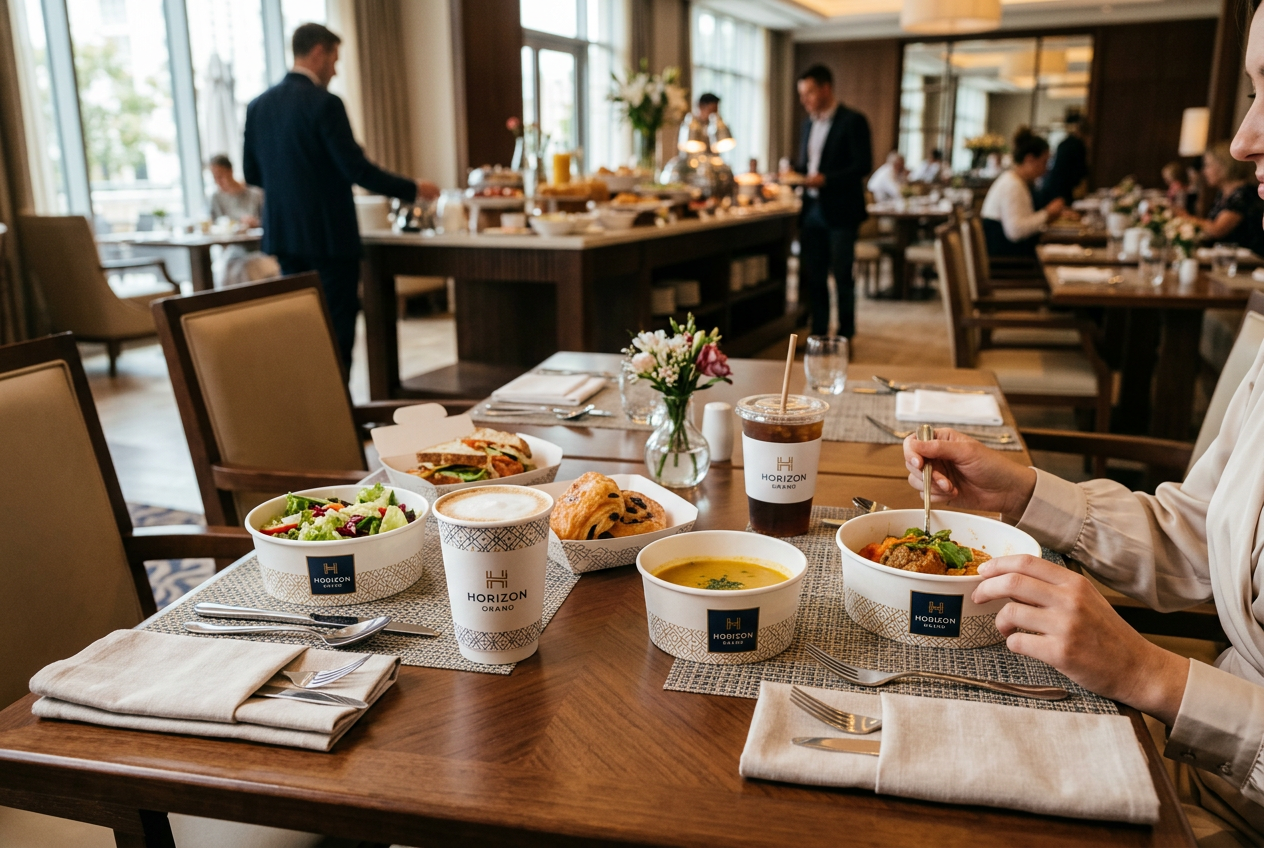
Wholesale Paper Bowls in Canada: Certified Factory Supply
Yes. Fude Packaging supplies custom paper bowls at wholesale volume for Canadian importers, distributors, restaurant groups, meal-prep brands, catering operators, and foodservice packaging wholesalers. Production is managed directly from a 30,000 m² BRC-certified factory in Shandong, China, with automated lines, in-house testing, and full-batch traceability from raw material to finished goods. For most custom paper bowl projects, MOQ typically starts from 30,000 to 50,000 units, depending on size, coating, material structure, printing requirements, and lid configuration.For Canada-bound orders, standard lead time is usually 15–25 days for plain paper bowls and 25–40 days for custom-printed paper bowls after artwork approval. Freight time depends on routing, consolidation, container availability, and destination. Many Canada shipments move by sea to Vancouver, Prince Rupert, Montreal, or Halifax, then continue by rail or truck to Toronto, Calgary, Edmonton, Winnipeg, Ottawa, and other regional distribution points.Fude Packaging supports three proofing routes: white samples for checking dimensions and structure, printed samples for confirming brand presentation, and functional prototypes for validating coating, leak resistance, lid fit, stacking performance, and real food use. This is especially important for Canadian buyers selling hot soup, noodles, rice bowls, salads, poutine sides, poke bowls, chili, frozen yogurt, or refrigerated ready meals.Certification support includes FDA-related food-contact documentation, LFGB, BRC, FSC, ISO 9001, and additional material or test documents where applicable. For Canadian market entry, buyers often need a practical document package rather than a generic certificate list. Fude Packaging helps match material, coating, and compliance files to the importer’s use case, whether the packaging is intended for national restaurant chains, independent cafés, supermarket deli programs, institutional foodservice, or e-commerce food brands.Ordering PointTypical ExpectationWhy It Matters in CanadaMOQ30,000–50,000 units for many custom bowl projectsHelps balance container efficiency, print setup cost, and inventory controlPlain order lead timeUsually 15–25 days after confirmationUseful for distributors replenishing fast-moving stock sizesCustom print lead timeUsually 25–40 days after artwork approvalAllows time for proofing, color checking, and production schedulingProofingWhite sample, printed sample, or functional prototypeReduces risk before committing to mass productionCertificatesBRC, FSC, ISO 9001, LFGB, FDA-related supportSupports due diligence for importers and foodservice buyersShipping routeSea, air, LCL, FCL, or consolidated shipmentMatches cost and urgency for Vancouver, Toronto, Montreal, and beyondThis table shows the most common decision points Canadian buyers review before placing a wholesale paper bowl order. In practice, the best result comes from confirming the food type, serving temperature, fill weight, lid requirement, storage condition, destination port, and branding plan before requesting a final quotation.For Canadian foodservice buyers, the lowest unit price is not always the lowest landed cost. A restaurant chain in Ontario, a meal-kit supplier in British Columbia, or a packaging distributor serving the Greater Toronto Area may buy bowls from one source, cups from another, burger boxes from a third, and salad containers from a fourth. Each supplier may have different carton sizes, artwork standards, quality tolerances, payment terms, lead times, and shipping schedules. The result is more administration, more inspection work, higher risk of inconsistent branding, and weaker container utilization.Fude Packaging helps buyers consolidate multiple paper packaging categories under one manufacturing partner. In addition to wholesale paper bowls, the factory produces paper cups, food containers, burger boxes, kraft lunch boxes, salad containers, noodle boxes, food trays, and multi-compartment meal boxes. Canadian buyers can review Custom Paper Food Container products when they need matching takeout boxes or deli containers, and they can combine them with paper bowls in a coordinated export shipment.Consolidation is valuable for national and regional brands that need consistent visual identity. A coffee chain expanding from Vancouver to Calgary, for example, may want soup bowls, hot cups, cold cups, and kraft food boxes to use the same logo position, Pantone color, and sustainability message. A franchise group in Quebec may need bilingual artwork across several packaging formats. Managing those specifications through one factory reduces the possibility that one item looks premium while another looks off-brand.From a logistics perspective, one-stop supply also improves carton planning and container loading. When bowls, cups, and boxes are planned together, buyers can reduce empty space, combine scheduled releases, and align inventory arrivals with promotional cycles. This matters in Canada because inland freight from ports to warehouses can be expensive, particularly when shipments move from Vancouver to the Prairies or from Montreal to Western Canada. Better container utilization means a lower cost per usable packaging unit.Procurement ModelTypical ChallengeConsolidated Factory AdvantageMultiple bowl and cup suppliersDifferent lead times and inconsistent delivery windowsUnified scheduling for bowls, cups, and boxesSeparate artwork workflowsMore chances of logo, color, or dieline errorsCentralized artwork checking and Pantone matchingFragmented certification filesDocuments may be incomplete or difficult to compareMore organized compliance support by product familyUncoordinated shipmentsLower container utilization and higher freight costMixed-product container planning and release controlDifferent quality standardsVarying rim strength, coating performance, and carton qualityConsistent inspection process across categoriesHigh internal workloadMore purchase orders, claims, and supplier follow-upSingle communication channel and clearer accountabilityFor buyers managing seasonal launches, regional promotions, or franchise rollouts, consolidation can reduce hidden cost. The value is not only in the price per bowl, but also in fewer delays, fewer mismatched components, fewer inspection disputes, and stronger control over brand presentation.var ctx = document.getElementById('marketGrowthLine').getContext('2d');var marketGrowthLine = new Chart(ctx, {type: 'line',data: {labels: ['2021','2022','2023','2024','2025','2026','2027','2028'],datasets: [{label: 'Estimated Canada Demand Index for Paper Bowls',data: [100,112,124,139,153,169,184,201],borderColor: 'rgb(34, 139, 34)',backgroundColor: 'rgba(34, 139, 34, 0.15)',fill: false,tension: 0.3}]},options: {responsive: true,maintainAspectRatio: false,plugins: {legend: {display: true}},scales: {y: {beginAtZero: false}}}});The line chart illustrates a realistic growth pattern for Canada’s paper bowl demand, driven by takeout dining, delivery platforms, grocery prepared-food counters, and corporate catering. While actual demand varies by region and season, the direction is clear: buyers increasingly need reliable wholesale paper bowl programs that can scale without sacrificing compliance or consistency.Lid compatibility is one of the most practical issues in wholesale paper bowl sourcing. A bowl that looks good but does not match the intended lid can create leakage complaints, delivery failures, staff confusion, and unnecessary SKU growth. Canadian operators often serve food across wide temperature and movement conditions: hot soup in winter, chilled salads in summer, delivery orders traveling through snow or rain, and stacked bowls in quick-service kitchens during lunch rush.The first step is to define whether the bowl needs a paper lid, PP lid, PET lid, vented lid, dome lid, or flat transparent lid. Hot soup and noodles often require a lid that handles steam and pressure without deforming too quickly. Cold salad bowls may need clear lids for merchandising in refrigerated displays. Rice bowls and meal-prep formats may need tight stacking and transport stability. A single lid family that fits multiple bowl sizes can reduce warehouse complexity, but it must be engineered properly.For example, a distributor supplying Toronto, Mississauga, and Hamilton may carry 500 ml, 750 ml, and 1000 ml bowls. If all three sizes use different lids, the distributor must forecast and stock six items for only three bowl programs. If two or three sizes can share the same lid diameter, the buyer may reduce SKU count, simplify picking, and lower the risk of sending the wrong lid to a restaurant customer. However, shared lids require accurate rim diameter control, strong forming consistency, and careful sample verification.Fude Packaging checks lid fit during prototype and production stages. The testing process can include rim measurement, lid engagement, inversion checks, hot-fill simulation, stacking tests, and transport handling. Buyers considering Custom Paper Bowl products should provide details about the intended food, fill level, lid material, storage temperature, and delivery method. This helps identify whether the bowl should use PE, water-based, or other coating options, and whether the rim structure is suitable for the chosen lid.Bowl Use CaseRecommended Lid FocusCommon RiskRecommended CheckHot soupSteam resistance and secure rim lockCondensation, softening, lid pop-offHot-fill and short-distance delivery testNoodlesDepth, lid clearance, and heat toleranceDeformation under steam and oilFunctional prototype with real menu itemSaladClear visibility and cold storage fitLid cracking or loose fit in refrigerationCold room and stacking testRice bowlStacking strength and leak preventionOil seepage and pressure marksGrease and compression testFrozen dessertLow-temperature lid stabilityBrittle lid or rim distortionFreezer and thaw cycle reviewMeal prepPortion control and transport securityMixed lids across SKUsSKU mapping and lid compatibility chartThis table highlights why lid compatibility should be treated as a technical specification, not an afterthought. For Canadian buyers managing multiple warehouse locations, a lid standardization plan can reduce picking errors and improve customer satisfaction.Custom printing can strengthen brand recognition, but it also introduces risk if artwork, color, coating, and structure are not confirmed before mass production. Fude Packaging uses a three-stage proofing mindset to help buyers verify what matters most. The first stage is structural confirmation, the second is visual confirmation, and the third is functional confirmation.In the structural stage, buyers review size, capacity, rim diameter, bottom diameter, height, paper thickness, coating choice, and carton packing. This stage is useful when a Canadian buyer is replacing an existing supplier and wants a bowl that matches current lids or shelf space. The factory may provide white samples so the buyer can test handling, capacity, and stacking without waiting for printed samples.In the visual stage, artwork files are checked against dielines. This includes logo position, bleed area, barcode readability, warning text, recycling message, FSC statement where applicable, bilingual English-French content for Canada, and Pantone matching. If the product will be sold through retailers or used by a national brand, the visual stage is essential because even small color shifts can weaken brand consistency.In the functional stage, buyers test the bowl with actual food. A paper bowl used for hot ramen in Montreal has different performance needs from a cold smoothie bowl sold in Vancouver or a chili bowl used at a winter event in Winnipeg. Functional prototypes help confirm heat resistance, grease resistance, leak prevention, lid fit, compression strength, and customer handling experience before a full purchase order is released.Proofing StageSample TypeMain PurposeBuyer ActionStage 1White sampleConfirm size, capacity, rim, and structureTest with current lid and serving portionStage 2Printed sampleConfirm brand appearance and artwork accuracyApprove color, text, logo, and dielineStage 3Functional prototypeConfirm real food performanceRun hot, cold, grease, and delivery checksPre-productionSigned approval sampleSet reference standard for mass productionKeep sample for batch comparisonMass productionInline production sampleMonitor consistency during productionReview photos or arrange inspectionFinal inspectionRandom finished samplesVerify cartons, quantity, and qualityApprove shipment or request corrective actionThe proofing process reduces costly surprises. Instead of discovering a lid-fit problem after the container arrives in Canada, buyers can identify and correct issues before mass production. This is especially important for large-volume orders tied to store openings, seasonal menus, or national promotions.Traceability is a core requirement for serious food packaging buyers. It helps answer a simple but important question: if a quality issue appears, can the supplier identify which material, production date, machine, shift, and carton group were involved? Fude Packaging manages full-batch traceability from incoming paper materials through printing, die-cutting, forming, inspection, packing, and shipment.Incoming material inspection checks paper grade, coating quality, moisture condition, appearance, and supplier documentation. During printing, color references and artwork files are monitored to reduce variation. During forming, rim strength, bottom sealing, dimensions, and appearance are checked. Finished goods are packed with batch information so cartons can be linked back to production records.For Canada, traceability is valuable because goods may pass through several stages before reaching the end user. A shipment may leave Qingdao, arrive at Vancouver, move by rail to a warehouse near Toronto, then be distributed to restaurants in Ottawa, London, and Quebec City. If a complaint occurs, batch records allow the buyer and supplier to investigate efficiently rather than guessing across the entire order.Traceability also supports multi-release shipping. If a buyer orders a large quantity but releases it over several months, clear batch control helps compare performance across releases. This is important for distributors supplying restaurants with strict expectations for lid fit, print appearance, and case quantity.var ctx = document.getElementById('industryDemandBar').getContext('2d');var industryDemandBar = new Chart(ctx, {type: 'bar',data: {labels: ['Quick Service','Coffee Chains','Meal Prep','Grocery Deli','Catering','Food Trucks','Institutional'],datasets: [{label: 'Relative Paper Bowl Demand in Canada',data: [88,62,74,69,57,43,51],backgroundColor: ['rgb(54, 162, 235)','rgb(255, 159, 64)','rgb(75, 192, 192)','rgb(153, 102, 255)','rgb(255, 99, 132)','rgb(201, 203, 207)','rgb(46, 125, 50)']}]},options: {responsive: true,maintainAspectRatio: false,plugins: {legend: {display: true}},scales: {y: {beginAtZero: true, max: 100}}}});The bar chart shows that demand is not limited to one channel. Quick-service restaurants remain a major buyer, but meal-prep brands, grocery deli counters, catering companies, and institutional kitchens also require reliable paper bowl supply. This variety means one product specification rarely fits every customer. Buyers should define use conditions before selecting a bowl.Certifications are often requested during sourcing, but buyers should understand what each one does and does not prove. BRC relates to food safety and manufacturing management systems. FSC relates to responsible forest material sourcing when certified materials are used. ISO 9001 relates to quality management systems. LFGB is commonly referenced for food-contact safety in European contexts. FDA-related documentation is important for food-contact expectations in the United States and often reviewed by international buyers as part of due diligence.For Canada, importers should also consider local expectations around food-contact safety, environmental claims, recycling or compostability statements, bilingual labeling where relevant, and customer-specific documentation. Certifications help support trust, but they should be combined with product-specific test reports, material declarations, and clear communication about intended food use.Fude Packaging’s in-house lab supports quality and performance testing, while third-party inspection and lab testing can also be arranged when buyers require independent verification. This approach is useful for Canadian distributors selling to major chains, because chain buyers often require more than a certificate. They may ask for coating details, migration information, carton specifications, sample approval records, and corrective-action procedures.Certification support should be practical. A bowl used for dry snacks may not need the same documentation package as a bowl used for hot oily soup. A compostability claim requires careful review of material, coating, certification scope, and local processing reality. In 2026 and beyond, Canadian buyers are expected to face closer scrutiny on sustainability language, especially claims involving recyclable, compostable, plastic-free, and bio-based packaging. Suppliers must be able to provide documentation that supports the claim rather than relying on broad marketing language.Certification or StandardMain MeaningBuyer BenefitImportant NoteBRCFood safety and production management standardSupports confidence in factory controlCheck scope and validity periodFSCResponsible forest material chain supportHelps sustainability-focused buyersOnly applies when FSC-certified material is usedISO 9001Quality management systemShows structured process controlDoes not replace product testingLFGBFood-contact safety reference used in EuropeUseful for strict compliance reviewsConfirm product-specific report detailsFDA-related supportFood-contact material documentationUseful for North American due diligenceMust match material and coatingCompostability optionsEvidence for compostable material claimsSupports environmental programsLocal composting acceptance must be checkedThis table clarifies why certification review should be product-specific. Buyers should request documents that match the actual paper bowl, coating, ink, and intended food-contact condition, rather than assuming one certificate covers every packaging format.Inventory planning is one of the biggest challenges for Canadian packaging buyers. Overstocking ties up cash and warehouse space, while understocking can disrupt restaurant operations. This is particularly difficult in Canada because demand can change by season, weather, tourism, and regional events. Soup bowl demand may rise sharply in winter, while salad and cold meal bowls may move faster in summer.Fude Packaging supports scheduled orders and multi-release shipping for buyers who need stable supply without receiving the entire annual quantity at once. A distributor may confirm a larger production plan, then release shipments quarterly. A restaurant chain may schedule bowls, cups, and boxes to arrive before new menu launches. A grocery prepared-food supplier may arrange monthly releases to match forecasted store demand.Scheduled purchasing also helps factory planning. When demand is visible earlier, raw materials, printing plates, production slots, and packing schedules can be arranged more efficiently. This reduces the risk of last-minute rush charges and helps maintain consistency across batches. For custom-printed orders, repeated production based on approved artwork and specifications can improve long-term quality stability.For buyers importing through Vancouver or Montreal, multi-release planning may also reduce pressure during port congestion or peak shipping seasons. If a buyer depends on one urgent shipment before a holiday campaign, any delay can be costly. A better approach is to maintain a rolling forecast, safety stock, and release calendar. This is especially important for foodservice distributors serving remote or high-cost delivery areas in Northern Ontario, Atlantic Canada, or the Prairies.var ctx = document.getElementById('trendShiftArea').getContext('2d');var trendShiftArea = new Chart(ctx, {type: 'line',data: {labels: ['2022','2023','2024','2025','2026','2027','2028'],datasets: [{label: 'Share of Buyers Requesting Certified or Sustainable Options',data: [32,39,47,56,65,72,79],borderColor: 'rgb(0, 128, 128)',backgroundColor: 'rgba(0, 128, 128, 0.25)',fill: true,tension: 0.35}]},options: {responsive: true,maintainAspectRatio: false,plugins: {legend: {display: true}},scales: {y: {beginAtZero: true, max: 100}}}});The area chart reflects a clear trend shift: more Canadian buyers are asking about certified materials, responsible sourcing, lower-plastic structures, water-based coatings, and better end-of-life claims. In 2026, procurement decisions are increasingly influenced by policy changes, retailer requirements, and consumer expectations around waste reduction.A branded paper bowl must look good when it leaves the factory, but it must also survive packing, ocean freight, warehousing, handling, kitchen storage, hot filling, delivery, and customer use. Print durability affects brand perception. If ink rubs, colors fade, coating scuffs, or the bowl deforms, the customer may judge the food brand as careless even if the meal itself is excellent.Fude Packaging’s technological capabilities include artwork checking, dieline review, Pantone color matching, printing control, material testing, heat and grease performance review, and functional sample evaluation. The in-house laboratory helps test practical performance factors such as leak resistance, compression strength, coating behavior, and lid fit. These controls are especially important for custom-printed paper bowls sold into competitive Canadian foodservice markets such as Toronto, Vancouver, Montreal, Calgary, and Ottawa.Print durability depends on several variables: paper surface, coating type, ink system, drying control, stacking pressure, carton protection, and food conditions. A bowl used for greasy noodles may require different performance priorities from a bowl used for cold salad. A matte kraft visual may appeal to natural food brands, while a high-color printed design may be better for a quick-service chain. The right choice depends on brand positioning and menu application.Buyers should request print samples and compare them under realistic light conditions. Retail packaging may be viewed under store lighting, while takeout bowls are often seen in kitchens, delivery bags, cars, offices, and homes. For Canadian bilingual packaging, small text should be checked carefully to ensure readability in both English and French. Barcodes, QR codes, recycling icons, and certification marks should not be distorted by the bowl curve.Fude Packaging combines more than 20 years of paper packaging experience with a 30,000 m² self-owned factory in Shandong. Automated production capacity reaches up to 120,000 units per day, depending on product mix and specification. The company has served more than 500 international clients across 50+ countries and has experience supporting restaurant, coffee, and beverage chains with large store networks.Manufacturing capabilities are built around direct control of key processes, including material selection, printing, die-cutting, forming, inspection, packing, and shipment preparation. This matters for Canadian B2B buyers because direct factory control can reduce miscommunication, improve cost transparency, and support stable long-term supply. A buyer sourcing wholesale paper bowls for a national rollout needs more than a catalog; they need a supplier that can handle repeat orders, batch consistency, documentation, and export logistics.Service capabilities include OEM and ODM support, product selection, material and coating recommendations, custom size development, brand adaptation, artwork checking, dieline preparation, sampling, mass production, inspection coordination, and export document support. Buyers can also explore Custom Paper Cup products if they need cup and bowl programs to share a consistent brand system. For broader project support, Fude Packaging provides Custom and Wholesale food Paper packaging services for importers, distributors, restaurant chains, and food brands.Fude Packaging’s practical advantage is not based only on capacity. It comes from combining factory scale, quality control, certification support, sample verification, international communication, and after-sales responsibility. Canadian buyers can request support for T/T, L/C, sea freight, air freight, FCL, LCL, express sample shipments, commercial invoices, packing lists, certificates, and inspection documents.var ctx = document.getElementById('supplierComparisonChart').getContext('2d');var supplierComparisonChart = new Chart(ctx, {type: 'bar',data: {labels: ['Capacity','Certification Support','Custom Printing','Lid-Fit Testing','Product Range','Traceability','Export Service'],datasets: [{label: 'Typical Trading Supplier',data: [55,50,58,45,52,42,60],backgroundColor: 'rgba(255, 99, 132, 0.65)'},{label: 'Integrated Factory Model',data: [88,86,90,84,89,87,85],backgroundColor: 'rgba(54, 162, 235, 0.70)'}]},options: {responsive: true,maintainAspectRatio: false,plugins: {legend: {display: true}},scales: {y: {beginAtZero: true, max: 100}}}});The comparison chart shows the difference between a fragmented trading model and an integrated factory model. While trading suppliers may be useful for small spot purchases, Canadian buyers with recurring wholesale paper bowl demand usually benefit from direct manufacturing, stronger documentation, and better technical communication.1. What is the MOQ for custom-printed paper bowls?For many custom-printed paper bowl projects, MOQ typically starts from 30,000 to 50,000 units. The exact MOQ depends on bowl size, paper material, coating, printing complexity, lid pairing, and carton requirements. If a buyer needs multiple sizes with the same artwork system, the factory can review whether production can be planned efficiently across SKUs.2. Can different bowl sizes share the same lid to reduce SKU count?Yes, in some cases. Shared lid systems can reduce warehouse complexity and picking errors, but they require compatible rim diameters and stable forming tolerances. Buyers should confirm lid fit through samples before mass production. This is especially important for distributors supplying many restaurant customers across Canada.3. How do you ensure color consistency across multiple batches?Color consistency is managed through artwork checking, Pantone references, production controls, approved samples, and batch comparison. For repeat orders, buyers should keep an approved reference sample and confirm whether the same material, ink system, and printing method will be used. Minor variation can occur in paper-based packaging, but controlled processes reduce unacceptable differences.4. Can I combine paper bowls with cups and boxes in one shipment?Yes. One of Fude Packaging’s strengths is paper packaging consolidation. Buyers can combine bowls, cups, food containers, burger boxes, trays, and other paper packaging formats in coordinated shipments. This can improve container utilization and reduce total landed cost for Canada-bound orders.5. Do you support scheduled orders for quarterly releases?Yes. Scheduled orders and multi-release shipping are available for buyers who want to maintain steady inventory without overstocking. This approach is useful for distributors, restaurant chains, and food brands that plan seasonal demand, promotional campaigns, or multi-location rollouts.6. Which Canadian industries use wholesale paper bowls most often?Quick-service restaurants, coffee chains, soup brands, grocery prepared-food departments, meal-prep companies, catering services, food trucks, universities, hospitals, corporate cafeterias, and event venues are common users. Demand is especially strong in urban markets such as Toronto, Vancouver, Montreal, Calgary, Edmonton, Ottawa, and Halifax.7. What product types are available?Common options include kraft paper bowls, white paper bowls, soup bowls, salad bowls, noodle bowls, rice bowls, dessert bowls, double-wall or reinforced structures, PE-coated bowls, water-based coated bowls, and bowls designed for compatible paper, PP, or PET lids. Custom printing, custom sizes, and brand-specific designs can be reviewed based on project requirements.8. What should Canadian buyers check before ordering?Buyers should define food type, serving temperature, oil and moisture level, portion size, lid requirement, storage condition, delivery distance, certification needs, artwork language, shipping schedule, and target landed cost. Clear specifications lead to better quotations and fewer production changes.9. Are local Canadian suppliers still useful?Yes. Local suppliers can be helpful for urgent replenishment, small-volume purchases, and regional delivery. However, direct factory sourcing is often more competitive for customized, large-volume, repeat orders. Many buyers use a hybrid strategy: local stock for emergencies and factory-direct production for planned wholesale demand.10. What trends should buyers watch in 2026?Key trends include stronger scrutiny of sustainability claims, growth in water-based and lower-plastic coatings, increased demand for certified materials, more automation in quality inspection, better digital batch tracking, demand forecasting through procurement software, and packaging designs optimized for delivery platforms. Canadian buyers should prepare for stricter customer questions about recyclability, compostability, material origin, and proof of compliance. -

Wholesale Custom Paper Fries Cups for Canada Buyers
Yes. Canadian importers, food-service distributors, restaurant groups, catering suppliers, and private-label packaging brands can source wholesale custom paper fries cups directly from Fude Packaging. Our standard wholesale MOQ generally starts from 30,000 to 50,000 units, depending on cup size, paper grade, coating, print coverage, and packing method. Plain paper fries cups usually require about 15 to 25 days after order confirmation, while custom-printed fries cups normally require about 25 to 40 days after artwork approval and proof confirmation.For Canada, buyers often need packaging that can support quick-service restaurants in Toronto, Vancouver, Montreal, Calgary, Ottawa, Edmonton, Winnipeg, Halifax, and regional food-service distribution networks. A fries cup is a simple product on the table, but from a wholesale purchasing perspective it must balance grease resistance, stiffness, stackability, food-contact compliance, print accuracy, export carton strength, and container utilization. This is especially important when one full container load is moving through the Port of Vancouver, Port of Montreal, Prince Rupert, Halifax, or inland rail hubs serving Ontario and the Prairies.Fude Packaging operates a 30,000 m² self-owned manufacturing facility in Shandong with automated production capacity up to 120,000 units per day. We support BRC, FSC, ISO 9001, LFGB, and FDA-related food-contact documentation and can help Canadian buyers prepare appropriate traceability records, inspection files, packing lists, certificates, and batch information for customs clearance, retailer onboarding, or third-party audits. Buyers may choose plain stock-style production, custom logo printing, private-label packaging, or coordinated mixed-container programs covering fries cups plus related Custom Paper Food Container products.Wholesale ItemTypical Canada Buyer ConcernFactory-Direct GuidanceMOQCan a new distributor start below container scale?30,000–50,000 units is a practical starting range for many fries cup specifications.Lead TimeHow soon can orders ship?Plain orders: about 15–25 days; custom print: about 25–40 days after artwork approval.CertificationWhat documents support import and audit?BRC, FSC, ISO 9001, LFGB, FDA-related food-contact files, and batch traceability may be supplied according to project needs.CustomizationCan a brand launch without mold fees?Many standard structures can be printed privately without mold or plate fees, depending on artwork and method.ShippingHow are cartons loaded efficiently?Nested cup packing, carton dimension planning, pallet or floor loading, and mixed-SKU sequencing improve FCL utilization.Canada Market FitWhat matters locally?Grease performance, bilingual label planning, PFAS awareness, compostability goals, and reliable winter-season replenishment.This table shows why the purchasing decision should not be based only on unit price. A slightly cheaper fries cup may become expensive if it collapses during service, absorbs oil too quickly, fails a compliance review, or wastes container space. For Canada’s geographically wide market, predictable production and logistics planning can be as important as the cup itself.Full-container-load efficiency is a major cost lever for Canadian buyers because paper fries cups are lightweight but bulky. Freight economics depend on carton size, nesting depth, carton compression strength, loading pattern, pallet choice, SKU mix, and the destination route. A shipment to Vancouver may be distributed westward into British Columbia and Alberta, while a Montreal shipment may serve Quebec, Ontario, and Atlantic Canada. Buyers should calculate landed cost per usable cup rather than freight cost per carton.Paper fries cups are commonly packed nested inside polybags or paper sleeves, then placed into export cartons. For FCL orders, the buyer and factory should decide whether to load loose cartons, palletized cartons, or a hybrid solution. Loose floor loading typically provides higher container utilization, while palletized loading is easier for Canadian warehouses with limited labour time or strict receiving rules. If the goods are moving to a 3PL warehouse near Mississauga, Brampton, Richmond, Surrey, Laval, or Calgary, pallet configuration should be confirmed before production packaging is finalized.Loading FactorBest PracticeWhy It Matters for CanadaCarton StrengthUse export-grade corrugated cartons tested for stacking pressure.Long ocean transit and inland rail movement can create compression risk.Nesting DepthOptimize cup stack count per inner sleeve.Improves cubic utilization and reduces carton count.Pallet DecisionConfirm floor-loaded or palletized plan before quotation.Pallets save labour but reduce total unit capacity.SKU SequencingLoad high-volume SKUs deeper and urgent SKUs near the door.Helps warehouses unload promotional or seasonal items first.Moisture ProtectionUse clean liners, desiccants when needed, and sealed cartons.Important for winter condensation and coast-to-inland temperature changes.Mixed CategoriesCombine fries cups with bowls, cups, and meal boxes when carton dimensions allow.Improves purchasing efficiency and container value.Carton MarkingPrint SKU, size, batch, quantity, and customer code clearly.Supports Canadian warehouse receiving and batch traceability.A practical FCL plan begins before the purchase order is issued. Canadian distributors should request estimated carton dimensions, gross weight, net weight, units per carton, total CBM, and loading simulation. When a buyer combines fries cups with Custom Paper Bowl products or burger boxes, the factory can propose a load plan that reduces empty space and improves replenishment balance across product categories.var ctx = document.getElementById('comparisonChart').getContext('2d');var comparisonChart = new Chart(ctx, {type: 'bar',data: {labels: ['Unit Cost Control', 'Container Use', 'Lead-Time Control', 'Customization', 'Documentation', 'After-Sales Support'],datasets: [{label: 'Factory Direct', data: [88, 86, 82, 90, 88, 84], backgroundColor: 'rgba(54, 162, 235, 0.75)'},{label: 'Importer', data: [72, 70, 76, 62, 74, 78], backgroundColor: 'rgba(255, 159, 64, 0.75)'},{label: 'Trader', data: [64, 61, 58, 55, 60, 52], backgroundColor: 'rgba(153, 102, 255, 0.75)'}]},options: {responsive: true, maintainAspectRatio: false, scales: {y: {beginAtZero: true, max: 100}}}});Although the heading refers to the EU PFAS ban trend, Canadian distributors should pay close attention because global food-packaging rules increasingly influence buyer expectations in Canada. National chains, universities, hospitals, stadium vendors, and retailers often apply internal sustainability standards that go beyond minimum legal requirements. If a distributor sells to customers with operations in both Canada and Europe, PFAS-related documentation may become a tender requirement even when the shipment itself enters through Vancouver or Montreal.PFAS are a group of fluorinated chemicals historically used in some grease-resistant food-contact materials. The packaging industry is moving toward safer alternatives, including water-based coatings, bio-based barrier systems, and carefully selected paperboard treatments. For fries cups, the key is to achieve adequate oil resistance without using restricted substances. Canadian buyers should ask suppliers to identify coating type, food-contact test standards, declarations, and any available PFAS-related statements.Verification ItemQuestion to AskRecommended EvidenceCoating TypeIs the barrier PE, aqueous, bio-based, or another system?Material specification sheet and supplier declaration.PFAS PositionAre intentionally added PFAS used?Written declaration from the manufacturer or material supplier.Food ContactIs the paper suitable for hot, salty, and greasy foods?Relevant migration or food-contact test reports.Fibre SourceIs FSC-certified paper available?FSC documentation and chain-of-custody information where applicable.Compostability GoalDoes the buyer need compostable or recyclable positioning?BPI, OK Compost, or market-specific evidence when required.Artwork ClaimsCan the packaging claim eco-friendly, compostable, or PFAS-free?Legal review and verified test support before printing claims.Future ReadinessWill the specification remain acceptable in 2026 and beyond?Annual compliance review with supplier documentation updates.The explanation is simple: sustainability claims create commercial value only when evidence supports them. A fries cup printed with environmental wording can help a Canadian brand stand out, but unsupported claims may create regulatory, reputational, or retailer-compliance risk. Fude Packaging’s service team can recommend suitable material options for buyers who need conventional grease resistance, FSC paper, recyclable concepts, or compostability-oriented programs.Canadian distributors often compare three sourcing channels: factory direct, domestic importer inventory, and trading-company procurement. Each model has a role. Local importers may provide smaller ready-to-ship quantities and fast delivery. Traders may help when a buyer lacks time to manage supplier qualification. Factory direct sourcing is usually stronger when a buyer needs private-label design, predictable repeat orders, better transparency, and margin control.The margin difference is not only the purchasing price. It includes artwork revisions, sample cost, carton quality, defect replacement, documentation completeness, freight planning, currency risk, and inventory timing. For a distributor serving restaurants in Ontario and Quebec, losing two weeks because of unclear artwork proofing can cost more than a small price difference. For a Western Canada buyer, poor carton strength can lead to warehouse damage after long transit from the coast.var ctx2 = document.getElementById('barChart').getContext('2d');var barChart = new Chart(ctx2, {type: 'bar',data: {labels: ['QSR Chains', 'Food Trucks', 'Catering', 'Stadiums', 'Distributors', 'Retail Packs', 'Campuses'],datasets: [{label: 'Estimated Canada Demand Index', data: [92, 64, 70, 58, 88, 52, 61], backgroundColor: 'rgba(255, 99, 132, 0.7)'}]},options: {responsive: true, maintainAspectRatio: false, scales: {y: {beginAtZero: true, max: 100}}}});Factory direct sourcing is especially attractive when a distributor wants a consistent branded line across fries cups, drink cups, bowls, trays, and takeout boxes. Fude Packaging manufactures multiple paper food-packaging categories in-house, helping buyers consolidate supplier management and reduce visual inconsistency. For example, a Canadian distributor can launch a private-label quick-service packaging program using fries cups, Custom Paper Cup products, kraft bowls, and meal boxes with matched brand colours and coordinated carton labels.A private-label fries cup program does not always require expensive structural development. Many buyers can start with existing standard cup shapes and apply custom artwork, brand colours, bilingual product names, and carton labels. This approach helps Canadian distributors test demand before committing to exclusive tooling or advanced structural innovation. It is suitable for regional restaurant suppliers, packaging wholesalers, food-service cash-and-carry operators, and online B2B packaging stores.The process normally begins with size selection. Small cups support snack fries, tasting portions, kids’ meals, and food truck menus. Medium cups fit most quick-service side orders. Large cups suit loaded fries, poutine-inspired offerings, festival food, and sharing portions. In Canada, poutine culture creates additional demand for stronger grease and sauce resistance, especially when the same container may hold fries, cheese curds, gravy, toppings, and condiments for several minutes before consumption.Private-Label StepBuyer ActionFactory SupportProduct SelectionChoose cup size, shape, paper thickness, and coating.Recommend structures based on fries, wedges, poutine, or snacks.Artwork PlanningPrepare logo, colours, QR code, and bilingual text if needed.Check dieline, bleed, print area, and colour feasibility.ProofingApprove digital proof, white sample, or printed pre-production proof.Provide three proofing options according to risk and deadline.Compliance ReviewConfirm destination requirements and customer claims.Provide relevant certificates, declarations, and test references.Mass ProductionConfirm purchase order, packing, and shipping marks.Control printing, die-cutting, forming, inspection, and packing.ShipmentChoose FCL, LCL, or mixed-container dispatch.Prepare export documents and loading information.Reorder PlanSet safety stock and seasonal replenishment schedule.Support scheduled orders and multi-release shipping.Private label is most successful when design choices are practical. Heavy ink coverage may look attractive but can affect cost and production control. Very small text may be difficult to read on curved surfaces. Environmental icons should be used only when claims are documented. Fude Packaging’s artwork and project team helps buyers avoid these common problems before production starts.Sampling is not a formality; it is risk control. Wholesale buyers should demand a structured sampling path before approving mass production, especially for custom-printed fries cups. The first stage is a digital proof. This confirms artwork position, brand colour references, dieline alignment, legal text, barcodes, and carton marks. The second stage is a white sample or existing physical sample. This lets the buyer test size, hand feel, nesting, portion volume, and compatibility with fries scoops or serving workflows. The third stage is a printed pre-production proof, recommended when brand colour accuracy or retail presentation matters.For Canadian buyers, the sampling stage should also include practical food tests. Put hot fries into the cup. Add salt, steam, ketchup packets, cheese sauce, or gravy if those applications are expected. Simulate delivery time. Stack filled cups briefly if the food-service environment requires it. Check whether oil spots appear too quickly. Confirm that the cup does not deform when staff handle it during rush-hour service.Fude Packaging supports digital proofing, white samples, and printed pre-production proofs. Our in-house laboratory can help evaluate strength, grease resistance, capacity, and basic performance characteristics. Buyers may also appoint independent inspection companies or third-party laboratories before shipment. This approach is useful for Canadian importers supplying chain accounts, public-sector cafeterias, hospitals, and universities where documentation and repeatability are important.Canadian customs clearance usually focuses on correct commercial documentation, classification, origin, value, packing information, and compliance with applicable import requirements. However, buyers should separate customs clearance from customer audit requirements. A restaurant chain, retailer, or institutional buyer may request more detailed food-contact and traceability evidence than customs officers review at the border. Therefore, distributors should build a document file before the shipment leaves the factory.DocumentPurposeWhen It Is UsefulCommercial InvoiceDeclares seller, buyer, value, description, and trade terms.Required for customs clearance and accounting.Packing ListShows carton count, quantity, weight, and volume.Used by customs brokers, warehouses, and freight forwarders.Certificate or DeclarationSupports food-contact or material compliance.Needed for audits, chain customers, and tender files.Batch RecordLinks production date, material lot, and inspection information.Important for traceability and claim investigation.FSC InformationSupports responsible fibre sourcing claims.Used when buyers sell FSC-positioned packaging.Inspection ReportConfirms quantity, visual quality, packing, and specifications.Helpful before final payment or shipment release.Bill of LadingConfirms shipment route and cargo ownership details.Needed for ocean freight release and logistics tracking.Artwork Approval FileRecords approved design, colour, and printed wording.Prevents disputes about branding and regulatory statements.The most effective traceability system begins at the factory. Fude Packaging controls material selection, printing, die-cutting, forming, inspection, packing, and shipment under one manufacturing system. This allows full-batch traceability and faster investigation if a buyer reports quantity differences, carton damage, printing variation, or performance issues. For Canada’s large distribution geography, quick traceability helps isolate affected batches without disrupting all inventory.A 30,000-unit order can be a practical entry point for Canadian buyers who want to test a new fries cup line without committing immediately to multiple containers. The buyer should begin by identifying target customers. A food truck supplier in Vancouver may need compact cartons and trendy kraft designs. A Quebec distributor may need bilingual carton labels and designs suitable for poutine shops. A national account supplier may need matched packaging across provinces and scheduled replenishment.The next step is specification. Buyers should define cup size, paper GSM, coating, colour, print coverage, packaging quantity, carton label, and desired certification support. Then they should request a quotation that separates unit price, printing cost if any, sample cost, packaging details, lead time, and shipping estimate. A clear specification prevents price comparisons from becoming misleading. Two cups may look similar online but differ significantly in stiffness, oil resistance, stack count, and carton quality.var ctx3 = document.getElementById('lineChart').getContext('2d');var lineChart = new Chart(ctx3, {type: 'line',data: {labels: ['2021', '2022', '2023', '2024', '2025', '2026', '2027'],datasets: [{label: 'Canada Paper Food Packaging Demand Index', data: [62, 68, 74, 81, 87, 94, 101], borderColor: 'rgb(75, 192, 192)', backgroundColor: 'rgba(75, 192, 192, 0.15)', fill: false, tension: 0.3}]},options: {responsive: true, maintainAspectRatio: false, scales: {y: {beginAtZero: false}}}});The chart reflects a realistic upward trend driven by takeout dining, food delivery, event catering, sustainability programs, and replacement of certain plastic formats. Growth is not uniform across Canada. Toronto and the Greater Golden Horseshoe generate large quick-service volume. Vancouver and Victoria often push earlier adoption of sustainability-focused packaging. Montreal and Quebec City create strong demand for fries and poutine packaging. Calgary and Edmonton require reliable logistics for food-service distribution across Western Canada.Fude Packaging gives Canadian buyers a factory-direct supply option built on more than 20 years of paper food-packaging experience. Our self-owned 30,000 m² facility in Shandong is equipped for automated production, with daily capacity up to 120,000 units depending on product mix. This scale supports both trial wholesale orders and ongoing containerized replenishment for distributors, restaurant chains, retail brands, and food-service operators.Technological capabilities: We support product selection, structural advice, material and coating recommendations, dieline checking, Pantone colour matching, prototype development, and functional testing. Our in-house laboratory helps evaluate strength, heat resistance, grease resistance, leak prevention, and practical food-application performance. For fries cups, this means buyers can check whether the selected structure suits hot fries, wedges, poutine, fried chicken sides, onion rings, and festival snacks.Manufacturing capabilities: We manage material selection, printing, die-cutting, forming, inspection, packing, and shipment within our own manufacturing system. This direct control helps maintain batch consistency, reduce communication errors, and improve production scheduling. Our product range also covers cups, bowls, boxes, trays, and multi-compartment meal boxes, allowing Canadian buyers to consolidate multiple packaging categories under one supplier. Buyers looking for broader sourcing support can review our Custom and Wholesale food Paper packaging capabilities.Service capabilities: Fude Packaging has served more than 500 international clients across over 50 countries. Our export team supports quotation clarification, sampling, artwork review, third-party inspection coordination, export packing, shipping documents, and after-sales issue handling. We can support scheduled-order and multi-release shipping, which is valuable for Canadian distributors balancing warehouse space, seasonal demand, and long inland delivery routes.var ctx4 = document.getElementById('areaChart').getContext('2d');var areaChart = new Chart(ctx4, {type: 'line',data: {labels: ['2022', '2023', '2024', '2025', '2026', '2027'],datasets: [{label: 'Conventional Coated Cups', data: [78, 74, 69, 63, 56, 49], borderColor: 'rgba(201, 203, 207, 1)', backgroundColor: 'rgba(201, 203, 207, 0.25)', fill: true, tension: 0.3},{label: 'PFAS-Aware / Sustainability-Oriented Cups', data: [22, 28, 36, 45, 55, 66], borderColor: 'rgba(46, 204, 113, 1)', backgroundColor: 'rgba(46, 204, 113, 0.25)', fill: true, tension: 0.3}]},options: {responsive: true, maintainAspectRatio: false, scales: {y: {beginAtZero: true, max: 100}}}});The area chart illustrates the direction of purchasing decisions through 2026 and beyond. Buyers are not abandoning performance; they are demanding both performance and better material transparency. The winning fries cup will still need to resist grease, hold shape, print cleanly, and ship efficiently, but it must also support clearer compliance and sustainability documentation.Canada’s food-service packaging market is shaped by urban concentration, long-distance logistics, multicultural food formats, and rising sustainability expectations. The Greater Toronto Area is a major distribution hub because of its population density, restaurant concentration, and warehouse network around Mississauga, Brampton, Vaughan, and Markham. Vancouver and Richmond are important for Pacific imports and West Coast food-service trends. Montreal, Laval, and Quebec City support strong demand from restaurants, poutine shops, bakeries, and institutional catering. Calgary, Edmonton, Winnipeg, and Halifax extend demand into regional and Atlantic markets.Paper fries cups are used by quick-service restaurants, fish-and-chip shops, burger chains, cafeterias, food trucks, amusement venues, arenas, festivals, cinemas, and convenience stores. They also appear in retail party-pack sections and branded promotional kits. Demand rises during summer events, sports seasons, back-to-school periods, and holiday food-service promotions. Buyers should plan production backward from arrival date, customs clearance, warehouse receiving, and customer delivery windows.In Canada, bilingual packaging may be required or commercially preferred depending on channel and province. Even when the fries cup itself does not carry extensive consumer information, carton labels, retail packaging, and marketing materials may need English and French planning. Distributors selling into Quebec should review local language expectations before artwork approval.Wholesale buyers should view fries cups as part of a wider food-service packaging system. A restaurant may serve fries in cups, burgers in clamshells, salads in bowls, sauces in portion cups, and drinks in paper cups. If each category comes from a different supplier, brand presentation becomes inconsistent and purchasing administration increases. A consolidated paper packaging program can reduce supplier risk and improve visual identity across the menu.Common fries cup formats include scoop-style cups, open-top cups, kraft paper cups, white paperboard cups, printed branded cups, and heavier-duty cups for loaded fries or poutine. Coating options should be selected according to food type and disposal strategy. A dry fries application may need different performance than gravy-covered fries. A stadium vendor may prioritize fast handoff and stackability, while a premium burger brand may prioritize print quality and brand storytelling.Fude Packaging’s broader range includes paper cups, paper bowls, burger boxes, kraft lunch boxes, salad containers, noodle boxes, trays, and multi-compartment meal boxes. This range helps Canadian buyers build an integrated packaging line for dine-in takeaway counters, delivery platforms, catering, and retail food programs.A reliable supplier qualification process should include factory verification, certification review, sample testing, quotation comparison, production capacity assessment, document review, and after-sales policy confirmation. Buyers should ask whether the supplier is a real manufacturer or a reseller. They should confirm whether the factory can control printing, die-cutting, forming, inspection, and packing. They should also request practical proof of export experience, especially for North America.Do not evaluate price without understanding specification. Ask for paper thickness, coating type, units per carton, carton dimensions, gross weight, lead time, printing method, colour tolerance, sample process, and defect policy. Confirm whether the supplier can support third-party inspection before shipment. For private-label projects, insist on written artwork approval and production proofing.Canadian buyers should also calculate total landed cost. This includes product cost, inland freight to port, ocean freight, destination charges, customs brokerage, duties if applicable, inland transport, warehouse handling, financing cost, and expected damage allowance. A supplier that helps optimize carton dimensions and loading plan can reduce landed cost even if the quoted unit price is not the absolute lowest.The most obvious users are quick-service restaurants, but the application range is wider. Food trucks use fries cups because they save counter space and are easy for customers to carry. Stadiums and arenas use them for rapid service during short breaks. Universities and schools use them in cafeterias and event catering. Hotels and resorts use them for poolside snacks, room-service sides, and buffet stations. Grocery stores may use printed fries cups for hot-food counters or promotional prepared meals.In Canada, fries cups must often handle more than plain fries. Many menus include poutine, loaded fries, shawarma fries, chili fries, popcorn chicken, fried pickles, onion rings, sweet potato fries, and appetizer samplers. This requires attention to cup stiffness, bottom stability, grease resistance, and portion size. A cup that works for dry fries may not be strong enough for gravy and cheese curds.Applications also differ by service model. Delivery orders need better oil and steam management. Counter-service orders prioritize hand feel and speed. Festival orders require high-volume carton handling. Retail packs need clean print and shelf presentation. A good supplier should help match product structure to real food use, not simply sell one generic cup for every situation.Case 1: Ontario distributor launching a private-label line. A distributor near Mississauga wants to offer branded fries cups to independent burger restaurants across the GTA. The buyer starts with 50,000 units in two sizes, uses standard structures to avoid mold cost, and approves a printed pre-production proof. The program later expands into matching burger boxes and drink cups. Factory-direct sourcing helps preserve margin while building brand recognition.Case 2: Quebec poutine chain upgrading grease resistance. A restaurant group in Montreal needs cups that can handle fries, cheese curds, gravy, and toppings. The sampling process includes hot gravy testing and 20-minute holding simulation. The final specification uses stronger paperboard and a suitable barrier coating. Carton labels include bilingual information for warehouse and store teams.Case 3: Western Canada event supplier improving FCL efficiency. A supplier serving Vancouver, Calgary, and Edmonton combines fries cups, trays, and bowls in one container. The factory prepares a loading estimate and carton sequence plan. Urgent summer festival SKUs are placed closer to the container door. The buyer reduces freight cost per unit and improves seasonal availability.Case 4: National food-service account requiring audit files. A chain supplier needs BRC, FSC, ISO 9001, and food-contact documentation before onboarding. Batch records, artwork approval files, and inspection reports are organized before shipment. This reduces approval delays and supports repeat orders across multiple provinces.Local Canadian suppliers are valuable when buyers need immediate inventory, small quantities, emergency replenishment, or mixed cases from multiple brands. They may hold stock in Toronto, Vancouver, Montreal, Calgary, or Halifax and deliver quickly. However, local stock programs may offer limited customization, higher unit pricing, and less control over factory documentation.Overseas factory-direct sourcing is better when the buyer has forecastable demand, private-label plans, chain-customer requirements, or container-scale purchasing. The trade-off is planning time. Buyers must manage samples, artwork approval, production lead time, ocean freight, customs clearance, and warehouse scheduling. For many distributors, the best model is hybrid: use local suppliers for emergency cover and factory-direct production for core recurring SKUs.Fude Packaging is positioned for buyers who want manufacturing transparency, customization, compliance support, and scalable supply. We do not simply provide a catalogue item; we help define the specification, proof the design, manufacture the order, prepare documents, and support shipment planning.By 2026, the fries cup market will be influenced by three forces. The first is technology. Better coating systems, improved printing control, digital proofing, automated forming, and data-based quality tracking will make customized packaging more reliable. Buyers will expect faster sampling and more accurate colour matching even for moderate MOQs.The second force is policy. PFAS restrictions, single-use packaging rules, recycling guidance, compostability standards, and green-claim enforcement will continue to shape purchasing. Even when rules differ by country or province, large buyers will increasingly standardize their requirements across markets. Canadian distributors should therefore request documentation that can support both current orders and future customer audits.The third force is sustainability. Buyers will not accept weak packaging just because it sounds eco-friendly. They will demand practical performance plus credible material choices. The future belongs to packaging that can survive real food use, support responsible sourcing, reduce unnecessary plastic reliance, and provide transparent evidence for claims.1. What is the minimum order for wholesale paper fries cups?For many wholesale fries cup projects, the starting MOQ is typically 30,000 to 50,000 units. The exact MOQ depends on cup size, material, coating, print design, and packing requirements.2. How long from order to delivery?Production lead time is usually about 15 to 25 days for plain orders and 25 to 40 days for custom-printed orders after artwork approval. Ocean freight and inland delivery time to Canada must be added according to destination, port, and season.3. What certifications do I need for Canada, EU, US, or UK imports?Requirements depend on destination and customer channel. Commonly requested documents include food-contact declarations, FDA-related references, LFGB or EU-related test support, BRC, ISO 9001, FSC information, and batch traceability records. Buyers should confirm requirements with their importer, broker, or legal adviser.4. Can I get my logo printed on wholesale fries cups?Yes. Fude Packaging supports custom logo printing, private-label artwork, Pantone colour matching, dieline review, and proofing. Many projects can use standard cup structures without mold or plate fees, depending on the printing process and artwork.5. What is the replacement policy for defective batches?If a confirmed manufacturing or quantity issue occurs, Fude Packaging investigates using batch records, inspection information, photos, samples, and shipment details. Responsible solutions may include replacement, credit, or other agreed claim handling according to the confirmed issue and contract terms.6. Can fries cups be combined with other paper packaging in one shipment?Yes. Many Canadian buyers combine fries cups with bowls, cups, trays, burger boxes, or meal boxes to improve container value and reduce supplier fragmentation. Mixed-container planning should be discussed before production packing is finalized.7. Are PFAS-aware or sustainability-oriented options available?Yes. Material options depend on performance needs and market claims. Buyers should request coating details, declarations, and test evidence before printing environmental statements or committing to chain-customer tenders.8. Why choose factory direct instead of a local importer?Factory direct sourcing can improve margin control, customization flexibility, documentation transparency, and long-term supply stability. Local importers remain useful for emergency stock or very small orders, while factory direct is stronger for repeat wholesale and private-label programs. -
Paper Lunch Box Manufacturer Guide for United States
For meal program buyers in the United States, the right paper lunch box manufacturer is not simply a converter of board into containers. It is a supply partner that can protect food safety, scale production during seasonal peaks, customize sizes and graphics, provide food-contact documentation, and ship reliably to ports and inland distribution points from Los Angeles and Long Beach to Savannah, Houston, Chicago, and New York/New Jersey. Whether you manage school meals, hospital catering, airline provisioning, corporate dining, meal prep subscriptions, or restaurant delivery, your packaging choice affects portion control, brand image, labor efficiency, leakage risk, and total landed cost.In practice, buyers usually want five things at the same time: dependable product performance, steady supply, attractive branding, environmental alignment, and competitive pricing. That combination is what separates a capable factory from a seller that only brokers orders. A strong partner should be able to offer kraft and white paper lunch boxes, clamshell formats, bento-style compartments, window-lid options, leak-resistant coatings, and clear documentation for FDA-related food-contact expectations. It should also understand the pace of the United States market, where high-volume foodservice operators need repeatable quality and shorter replenishment cycles.If you are comparing sources, it helps to review both product fit and supplier fit. Product fit means choosing the right dimensions, coating, lid style, and stacking strength for your menu. Supplier fit means checking production depth, print capability, quality control, MOQ flexibility, export experience, and service responsiveness. Buyers looking for a broad range of food packaging formats can review paper food packaging products to compare lunch boxes, trays, bowls, and related takeaway formats before requesting samples.The quick answer is that a paper lunch box manufacturer serving the United States should offer safe, scalable, custom meal packaging with three non-negotiable strengths: proven food-contact compliance, reliable volume capacity, and menu-specific design options. If one of these is missing, the purchasing risk rises quickly.Safe packaging means the supplier can provide documents for food-grade materials, coating declarations, migration-related compliance where applicable, and controlled production practices. In the United States market, importers and distributors commonly request specification sheets, test reports, and certification support before onboarding a vendor. Scalable packaging means the manufacturer can support both test orders and full program rollouts without disrupting consistency. This matters for buyers serving multiple states, franchise groups, school districts, or regional delivery fleets. Custom packaging means sizes, printing, structure, and carton planning are tailored to operations instead of forcing menus into standard boxes that waste space or fail in transit.A practical buyer checklist starts with these questions: Can the boxes hold hot foods with sauces? Do lids stay closed in last-mile delivery? Can the cartons stack securely on prep lines and in insulated carrier bags? Is print registration stable across repeat orders? Can the supplier maintain lead times during holiday peaks? What Incoterms are offered, and how do freight assumptions affect landed cost into the United States?Strong factories usually support these needs with in-house forming, flexographic printing, die-cutting, quality inspection, and warehousing. Shandong Fude Packaging Co., Ltd. is an example of a supplier positioned this way, with more than two decades in food-grade packaging, a 30,000 square meter manufacturing base, automation, and export experience across major global foodservice markets. Buyers wanting background on the company’s production approach can visit the manufacturer overview for a closer look at its packaging focus and international supply experience. Core criteria for a United States meal-program packaging supplier Criteria Why It Matters Minimum Expectation Best-Practice Standard Food safety Protects product acceptance and importer compliance Food-grade material declaration Full specification sheets and compliance packet Volume capacity Prevents shortages during promotions and school terms Stable routine output Peak-season reserve planning Customization Improves fit for menu and brand presentation Basic logo printing Structure, size, coating, and private label options Leak and grease resistance Reduces complaints and delivery failures Standard lining Application-specific coating recommendation Lead time control Supports replenishment planning Quoted schedule Sample-to-production calendar with milestones Export support Simplifies customs and freight into the United States Commercial invoice and packing list Document coordination and Incoterm guidance The table above shows why buyers should evaluate a packaging source as an operating partner rather than just a price quote. A low unit cost does not compensate for carton failure, poor stacking, or document gaps that delay customs clearance.var ctx1 = document.getElementById('lineChartGrowth').getContext('2d');var lineChartGrowth = new Chart(ctx1, { type: 'line', data: { labels: ['2021', '2022', '2023', '2024', '2025', '2026'], datasets: [{ label: 'United States paper meal packaging demand index', data: [88, 94, 101, 109, 118, 127], borderColor: 'rgb(75, 192, 192)', backgroundColor: 'rgba(75, 192, 192, 0.15)', fill: false, tension: 0.25 }] }, options: { responsive: true, maintainAspectRatio: false }});United States buyers often start by comparing a factory-direct paper lunch box manufacturer with a trading supplier. Both can have a place in procurement, but their strengths differ. A factory-direct model usually offers better control over quality, print consistency, technical troubleshooting, and long-term pricing. A trading company may offer convenience, faster sourcing across multiple product categories, and support when the buyer wants a mixed container with paper, plastic, and accessories from several producers.For meal programs with repeat volumes, factory-direct sourcing usually creates stronger visibility. You can confirm machine capability, inspect sample accuracy, understand board and coating options, and ask direct engineering questions about folding strength, lid retention, and carton stacking. This becomes important for buyers shipping into large hubs like Los Angeles, Long Beach, or Newark, where a delayed or non-conforming container can affect regional inventory flow.Trading suppliers can still be useful for importers that need broad bundling across cups, bowls, utensils, lids, and bags. However, buyers should ask whether the seller controls manufacturing schedules or only places orders with external plants. If a complaint occurs, who owns corrective action? Who confirms raw material changes? Who provides the exact compliance file? These questions often reveal the true value of buying direct. Factory-direct manufacturer versus trading supplier Factor Factory-Direct Trading Supplier Best For Price transparency Usually stronger May include margin layering Long-term volume contracts Technical support Direct engineering feedback Indirect communication Custom structures and coatings Quality control Greater production visibility Depends on supplier management Repeat branded orders Product breadth Focused on own lines Can aggregate many categories Mixed packaging procurement Lead-time accuracy Often more reliable Can vary by outsourced plant Time-sensitive rollouts Problem resolution Direct accountability Sometimes slower escalation High-risk foodservice programs This comparison shows why many United States distributors choose a factory-direct route for core lunch box programs, while using traders only for smaller mixed purchases or one-time consolidation needs.var ctx2 = document.getElementById('comparisonChartSupplier').getContext('2d');var comparisonChartSupplier = new Chart(ctx2, { type: 'bar', data: { labels: ['Price control', 'Customization', 'Traceability', 'Lead-time visibility', 'Issue resolution', 'Product breadth'], datasets: [ { label: 'Factory-direct manufacturer', data: [92, 95, 94, 90, 93, 72], backgroundColor: 'rgba(54, 162, 235, 0.75)' }, { label: 'Trading supplier', data: [76, 70, 68, 73, 69, 91], backgroundColor: 'rgba(255, 159, 64, 0.75)' } ] }, options: { responsive: true, maintainAspectRatio: false }});Meal programs in the United States use a wider range of formats than many new buyers expect. The right structure depends on menu style, portion targets, transport duration, and whether the food is plated on site or carried away. The most common paper lunch box styles include one-piece clamshells, folded takeaway boxes, rectangular meal trays with separate lids, window-lid presentation boxes, and bento-style multi-compartment packs.For school meals and simple combos, standard rectangular clamshell lunch boxes are popular because they load quickly and stack well. For salad, deli, bakery, and premium grab-and-go, window-lid boxes improve shelf visibility. For rice meals, protein-and-side sets, and portion-controlled delivery, three-compartment or multi-compartment trays help keep textures separate. Buyers serving urban delivery zones such as Manhattan, Chicago Loop, Seattle, San Francisco, or Atlanta often favor structures that hold heat but resist sogginess during 20 to 45 minutes of transit. Common lunch box sizes and recommended meal uses Format Approximate Capacity Typical Footprint Best Use Small clamshell 500-650 ml Compact Kids meals, pastries, light lunches Medium clamshell 700-900 ml Standard Sandwich sets, pasta, rice bowls Large clamshell 1000-1200 ml Wide Full entrees, combo meals Three-compartment box 900-1300 ml Balanced tray shape Portion control for meals with sides Window-lid deli box 500-1000 ml Retail shelf friendly Salads, bakery meals, cold prepared foods Bento-style tray with lid 800-1400 ml Structured compartments Meal prep subscriptions, premium takeaway This table helps buyers match structure to menu rather than ordering by volume alone. Capacity without shape compatibility can create dead space, lid stress, or sidewall collapse under stacking load.When evaluating size, consider four practical dimensions: fill height, base stability, lid closure range, and outer carton efficiency. A box that works on a prep bench may still waste shipping cube if its dimensions prevent tight master-carton packing. United States buyers with inland freight to Dallas, Phoenix, Minneapolis, or Denver should pay attention to pallet efficiency because domestic forwarding adds cost after port arrival.Coating selection is central to performance and sustainability positioning. The three most discussed options are PE-lined paper lunch boxes, PLA-lined paper lunch boxes, and aqueous-coated paper lunch boxes. Each has a legitimate place in the market, and the right choice depends on food type, disposal expectations, local policy, and budget.PE coating remains widely used because it is proven, economical, and effective for grease and moisture resistance. It performs well for hot and oily foods and is often the default for high-volume takeaway. PLA is chosen when buyers want a bio-based compostable positioning, especially in markets where composting claims are part of branding or local procurement standards. Aqueous coatings are drawing interest because they can support fiber-forward packaging strategies and may align well with evolving sustainability goals in 2026, but actual performance varies by formulation and food application. PE, PLA, and aqueous-coated lunch box comparison Coating Type Main Strength Limitations Typical United States Use Case PE Strong moisture and grease barrier Less aligned with compost-focused claims High-volume hot meal takeaway PLA Bio-based and compostability-oriented positioning Higher cost than PE in many programs Eco-branded cafes and premium meal services Aqueous coating Fiber-forward sustainability message Application performance must be verified carefully Dry to moderately moist foods PE with compartments Reliable for sauce separation Standard sustainability profile School and corporate meal trays PLA window-lid packs Retail-ready compostable message Needs matching disposal communication Prepared salads and deli meals Aqueous retail boxes Good print and brand appeal Not ideal for very oily meals without testing Bakery, cold grab-and-go, lighter lunch sets The key point is that coating claims should follow application testing, not marketing language. A fried chicken meal with gravy has a very different stress profile from a sandwich-and-cookie box. Ask for samples loaded with your actual food, then test hold time, leakage, odor transfer, and panel softening.var ctx3 = document.getElementById('areaChartCoating').getContext('2d');var areaChartCoating = new Chart(ctx3, { type: 'line', data: { labels: ['2022', '2023', '2024', '2025', '2026'], datasets: [ { label: 'PE share', data: [62, 59, 56, 53, 49], borderColor: 'rgba(99, 132, 255, 1)', backgroundColor: 'rgba(99, 132, 255, 0.20)', fill: true, tension: 0.2 }, { label: 'PLA share', data: [21, 23, 25, 27, 29], borderColor: 'rgba(75, 192, 120, 1)', backgroundColor: 'rgba(75, 192, 120, 0.18)', fill: true, tension: 0.2 }, { label: 'Aqueous-coated share', data: [17, 18, 19, 20, 22], borderColor: 'rgba(255, 159, 64, 1)', backgroundColor: 'rgba(255, 159, 64, 0.18)', fill: true, tension: 0.2 } ] }, options: { responsive: true, maintainAspectRatio: false }});Evaluating a paper lunch box manufacturer requires more than checking a catalog. Buyers should review technological capabilities, manufacturing capabilities, and service capabilities separately.On the technology side, strong suppliers invest in printing precision, forming consistency, die-cut accuracy, and laboratory controls. Fude Packaging, for example, supports paper food packaging programs with automated lines, flexographic printing, die-cutting, forming processes, quality labs, and controlled warehousing. Those capabilities matter because they affect ink registration, crease memory, glue integrity, and moisture stability across a production run.On manufacturing capability, ask about factory scale, line speed, daily output, operator training, and defect controls. A supplier with meaningful installed capacity is better positioned to absorb volume spikes without outsourcing the job to unknown plants. Fude’s production profile includes a modern manufacturing site, established export operations, and experience supplying restaurants, wholesalers, distributors, delivery brands, and chain foodservice customers in many regions. For United States buyers, this signals the kind of repeatability needed for recurring programs.On service capability, look at artwork handling, sample development, project communication, packaging selection advice, and delivery coordination. A good supplier should have a clear process from requirement review to sample confirmation to production and shipment. If you need guidance on customization or order workflow, you can explore packaging service support to understand how development, sampling, and delivery coordination are usually managed.It is also wise to request unbranded stock samples first, then printed pre-production samples. Many defects appear only after printing, especially with dark solids, fine lines, and edge-heavy artwork.MOQ is one of the most misunderstood issues in lunch box sourcing. Minimum order quantity depends on structure, size, board specification, printing complexity, and whether the item is an existing mold or a new development. Stock kraft boxes with simple one-color printing usually require lower MOQs than custom die-lines with special coatings and window films.For United States distributors testing a new concept, flexible MOQ options matter. Trial orders help validate consumer response and operational fit before committing to larger container loads. For national or regional chains, private label programs become more important because packaging is part of brand consistency. This includes exact logo colors, packaging copy, barcode integration, carton markings, and stable replenishment planning.Private label programs also involve hidden operational details. The factory must manage plate storage, color reference standards, version control for artwork revisions, and reprint accuracy from batch to batch. Buyers should ask how print proofs are approved and how the supplier handles bilingual artwork, nutritional statements, or state-specific branding rules when required. MOQ and customization factors for lunch box programs Program Type Typical MOQ Level Print Complexity Best Fit Unprinted stock item Low None Urgent replenishment, testing Simple logo print Low to medium 1-2 colors Local restaurant groups Full custom print Medium to high Multi-color branding Regional chains and distributors Private label standard box Medium Brand-controlled Wholesale resale programs Custom structure with new tooling Higher Variable Large chains and meal kit brands Multi-SKU seasonal program High combined volume Complex National promotions and holiday menus The table shows that MOQ is not a fixed number; it is the outcome of production efficiency and customization choices. Buyers who share realistic forecasts and annual volume plans often gain better flexibility than buyers requesting small fragmented runs with many artwork variations.Volume pricing is driven by much more than paper cost. The major pricing factors include board weight, coating type, box dimensions, structural complexity, print coverage, tooling needs, packing method, sampling rounds, quality standard, and shipping terms. Freight into the United States adds another layer, especially when routing through West Coast ports like Long Beach or East Coast gateways like Savannah and New York/New Jersey.At volume, even small design changes can materially affect cost. A deeper box uses more board. A tighter nesting design can reduce freight per unit. A compartment structure increases die complexity and forming time. Heavy flood printing raises ink use and may affect drying efficiency. A stronger lid lock may reduce failure claims, which lowers total cost even if the factory price rises slightly.Buyers should compare total landed cost, not only unit ex-works price. Ocean freight, domestic trucking, customs entry, warehousing, damage rates, and re-order predictability all influence final economics. A slightly higher-performing box can reduce product loss, food remake costs, and customer complaints.var ctx4 = document.getElementById('barChartIndustry').getContext('2d');var barChartIndustry = new Chart(ctx4, { type: 'bar', data: { labels: ['QSR chains', 'School meals', 'Hospitality', 'Meal prep', 'Corporate dining', 'Convenience retail'], datasets: [{ label: 'Estimated United States demand score', data: [92, 84, 71, 77, 68, 73], backgroundColor: 'rgba(153, 102, 255, 0.75)' }] }, options: { responsive: true, maintainAspectRatio: false }});The demand pattern above reflects how quick-service restaurants and institutional feeding programs continue to anchor lunch box volume, while meal prep subscriptions and convenience retail support premium and compartmentalized growth segments.Performance in real service conditions often matters more than product appearance. Compartment design affects food separation, portion control, and sidewall strength. Lid fit affects leak resistance, heat retention, and customer perception. Stacking performance affects labor speed in kitchens and safety in delivery.A well-designed compartment tray should keep wet and dry components separate without allowing sauce creep over low dividers. The partitions must be high enough to preserve presentation but not so high that they interfere with lid closure. Lid fit must remain consistent despite small board variations and humid conditions. Boxes that pop open in insulated delivery bags can damage an entire order.Stacking performance should be tested under realistic loads. Boxes for school meal distribution may be stacked in rolling racks. Catering boxes may sit in hot holding areas. Delivery boxes may be compressed under multiple bag layers. Ask the supplier to confirm compression behavior, corner stability, and nesting characteristics. It is also smart to test whether filled boxes slide during transport. A slightly textured base or changed footprint can improve handling significantly. Operational performance requirements for meal-program lunch boxes Requirement What to Test Common Failure Buying Tip Compartment separation Sauce migration after 30-60 minutes Foods mixing during transport Use actual menu items in testing Lid closure Open-close cycles and filled box pressure Lid spring-back Check lock tabs after hot-fill Stacking strength Weight load in warm conditions Panel bowing or crush Simulate prep-line stacking Grease resistance Oily food hold time Bottom staining and softening Match coating to food profile Leak performance Tilting and movement test Corner seepage Review fold geometry carefully Delivery stability Bag transport and vibration test Sliding, collapse, lid release Test with real routes and drivers The table makes one point clear: box performance should be judged by the operating environment, not just by appearance on a sample table.Lead time planning is critical for United States importers because ocean freight and customs timing can change by season. A supplier may quote 7 to 15 days for standard production after sample approval, but the full calendar also includes artwork confirmation, sample transit, booking windows, sailing time, customs clearance, and domestic delivery. Buyers serving East Coast warehouses often route differently from buyers supplying California or Texas.Incoterms should be discussed early. EXW may look attractive on a quote but shifts more coordination to the buyer. FOB is common when the buyer controls freight forwarding. CIF can simplify first-time imports, though buyers should verify insurance and destination handling assumptions. DDP is less common for many large programs but may be useful for small trial projects depending on the supplier’s experience and landed-cost structure.Compliance documents matter just as much as schedule. Typical buyer requests include product specifications, material declarations, carton dimensions, packing details, test reports, food-contact statements, FSC availability, ISO 9001 support, and when relevant, compostability-related documentation such as BPI or OK Compost for qualifying items. The exact compliance packet depends on the substrate and coating selected.United States buyers should store these documents centrally so procurement, compliance, and quality teams all work from the same version. If you want to start a documentation and sampling discussion for a project, the simplest route is to contact the packaging team with your target size, coating, annual volume, port of entry, and artwork status.One practical lesson from importers is to align booking and production schedules around peak retail seasons, school calendar cycles, and West Coast or East Coast port congestion risks. Building a modest safety stock can be more cost-effective than expediting emergency replenishment.What documents should I request first?Start with the product specification sheet, material and coating details, food-contact compliance support, carton packing details, and sample lead time. If sustainability claims matter, request the relevant certification or statement for the exact SKU.How do I know if a paper lunch box is suitable for hot meals?Request samples and run your own menu test with actual fill temperature, hold time, and transport conditions. Evaluate leakage, grease migration, lid behavior, and stacking under load.Is kraft always more sustainable than white paper?Not automatically. Sustainability depends on fiber sourcing, coating, end-of-life route, and program requirements. Kraft can communicate a natural brand image, but buyers should check the full material specification.What is the best option for school meals?Many school programs prefer medium or large clamshells or compartment boxes with dependable lid closure and strong stacking. PE-coated formats remain common because of performance and cost, though sustainability policies may influence the final choice.Can I order small quantities with custom printing?Often yes, but MOQ depends on the structure, artwork complexity, and whether the box uses existing tooling. Simpler graphics usually allow more flexible entry volumes.What causes delays most often?Artwork revisions, unclear specifications, late sample approval, production queue peaks, and freight booking constraints are the biggest causes. Port congestion in Los Angeles, Long Beach, or Savannah can also affect final delivery timing.Should I buy from a local supplier or import direct?Local suppliers can offer speed and smaller replenishment quantities, while factory-direct importing often provides stronger customization and better cost at scale. The right answer depends on your annual volume, forecast stability, and inventory model.What future trends should buyers watch in 2026?Expect more demand for fiber-forward barrier technologies, broader interest in aqueous-coated options, tighter scrutiny of sustainability claims, smarter digital proofing for private label programs, and increased need for resilient supply chains that can shift between West Coast and East Coast logistics routes. Buyers should also expect stronger requests for documentation transparency and more menu-specific packaging optimization rather than one-size-fits-all boxes.The United States market for paper lunch boxes remains strong because it is supported by several demand engines at once: restaurant takeaway, third-party delivery, institutional feeding, convenience retail, fresh prepared foods, and meal prep subscriptions. These segments do not all buy the same box. A hospital network in Boston, a school district in Texas, and a salad chain in Southern California may each need different capacity, barrier, and branding approaches.Applications also continue to diversify. Traditional hot entrees remain important, but growth categories include premium deli meals, bento-style lunch sets, fresh fruit and protein pairings, bakery meal boxes, and visible retail packs with window lids. That is why buyers increasingly prefer manufacturers that can supply coordinated categories rather than a single SKU. A partner that understands trays, bowls, lunch boxes, and cups can help standardize branding and reduce procurement friction across multiple menu formats.Case patterns in the market support this. Regional restaurant groups often begin with a stock box, then move into custom print once store count rises. Meal prep brands typically prioritize compartment logic and stackability because weekly fulfillment creates repetitive handling stress. Distributors serving wholesalers want stable specifications and reliable master-carton consistency so warehouse receiving and resale stay simple. These are the situations where a well-organized manufacturer can add value beyond just production.For buyers balancing local and international sourcing, the practical decision usually comes down to speed versus scale. Domestic resellers can help with urgent needs and low-volume fill-ins. Factory-direct manufacturers are usually better positioned for large recurring programs, broader customization, and cost optimization over time. The best procurement strategies sometimes combine both: a base imported program plus a domestic safety stock channel.Shandong Fude Packaging Co., Ltd. fits the profile of a supplier that many United States buyers look for in this category: deep product breadth in disposable food-grade paper packaging, meaningful manufacturing scale, custom OEM and private label support, and a service model that covers packaging advice, artwork preparation, sampling, and delivery coordination. For importers, wholesalers, restaurant chains, and emerging food brands seeking a one-stop packaging partner, that combination can reduce complexity while improving brand execution.In the end, choosing a paper lunch box manufacturer is about matching food application, compliance needs, and logistics reality. If the supplier can prove material safety, deliver scalable output, customize intelligently, and support your import process into the United States, you are far more likely to secure a packaging program that performs in kitchens, warehouses, retail displays, and delivery routes alike. -

Custom Paper Takeout Containers Wholesale for Canada
Yes. Canadian importers, distributors, restaurant groups, meal-prep brands, grocery chains, and private-label packaging companies can wholesale custom paper takeout containers directly from China when they work with a verified manufacturer that controls production, quality testing, export documentation, and shipment coordination. Fude Packaging supplies custom paper takeout containers at wholesale volume from a 30,000 m² BRC-certified manufacturing facility, with typical MOQ starting from 30,000 to 50,000 units depending on structure, size, material, coating, printing method, and packing requirements.For plain paper takeout containers, the standard production lead time is generally 15–25 days after order confirmation. For custom-printed containers, lead time is usually 25–40 days after artwork and proof approval. These timelines are especially important for Canadian buyers planning seasonal food-service demand in Toronto, Vancouver, Montreal, Calgary, Ottawa, Edmonton, Winnipeg, Halifax, and other regional markets where delivery reliability influences promotions, chain rollouts, and distributor inventory planning.Fude Packaging supports certification documentation commonly requested by overseas buyers, including FDA, LFGB, BRC, FSC, and ISO 9001-related compliance support. For Canada, buyers usually focus on food-contact safety, import documentation, material traceability, brand consistency, and sustainability positioning. A factory-direct supply model helps reduce risk because the same team manages paper sourcing, printing, die-cutting, forming, inspection, packing, and export preparation. This is different from buying through a middleman who may not control the production line or batch-level records.If your business needs branded kraft lunch boxes, salad bowls, noodle boxes, burger boxes, compartment meal boxes, food trays, paper cups, or bowls in one shipment, Fude can support consolidated sourcing. Buyers can review Custom Paper Food Container products to compare popular formats for takeaway, delivery, catering, and retail-ready food packaging.Buyer QuestionPractical Answer for CanadaCan I order custom-printed paper containers?Yes, with artwork review, dieline checking, proofing, and mass production after approval.What is the usual MOQ?Typically 30,000–50,000 units, depending on size, print, coating, and structure.How long does production take?Plain orders usually take 15–25 days; custom print usually takes 25–40 days after approval.Can I mix multiple product categories?Yes, cups, bowls, trays, boxes, and containers can be coordinated in one export plan.What Canadian buyers should check first?Food type, serving temperature, capacity, coating, compliance documents, and shipping destination.Can shipment be arranged to Canadian ports?Yes, shipments can be planned for Vancouver, Prince Rupert, Montreal, Halifax, or inland distribution.This table shows that the buying process is not only about unit price. Canadian buyers should consider production lead time, certification support, shipment planning, proofing, and container-loading efficiency before confirming a wholesale order.For wholesale custom paper takeout containers, supplier verification is one of the most important procurement steps. A trading company may provide acceptable communication and pricing, but it often cannot control production scheduling, raw paper quality, printing accuracy, coating selection, laboratory testing, or batch traceability. A real manufacturer should be able to demonstrate factory ownership or long-term operating control, production equipment, inspection procedures, sample-development capability, and certification records.Canadian buyers should ask for factory photos, production videos, business registration details, audit reports, certificate copies, product test reports, and batch-related documentation. More importantly, ask questions that reveal operational depth. For example: What paperboard grammage is recommended for a 750 ml noodle box? How is grease resistance tested? Can the factory match Pantone colours across repeat orders? Can it provide plain samples, printed samples, and functional prototypes? Can it coordinate mixed products into one container load?A genuine factory can discuss technical and operational details clearly. Fude Packaging has more than 20 years of paper-packaging production experience, a self-owned 30,000 m² facility in Shandong, automated production lines, and an in-house laboratory for quality and performance testing. These manufacturing capabilities allow the company to control material selection, coating recommendation, printing, die-cutting, forming, final inspection, packing, and shipment preparation. For Canadian restaurant chains and distributors, this level of control helps reduce risk in repeat orders and private-label projects.Verification PointReal Manufacturer IndicatorRisk If MissingFactory addressClear location, production site, and facility detailsSupplier may outsource all productionProduction equipmentPrinting, die-cutting, forming, and packing lines visibleLimited control over lead time and qualitySample capabilityWhite samples, printed samples, and functional prototypes availableMass production may not match expectationsCertification documentsBRC, FSC, ISO 9001, FDA/LFGB support available for reviewCompliance uncertainty for importersBatch recordsRaw material, production, inspection, and packing data traceableDifficult claims handling if problems occurTechnical answersCan explain coating, capacity, strength, leakage, and lid fitSupplier may lack product engineering knowledgeUse this table as a qualification checklist before paying a deposit. In Canada, where food-service packaging may pass through distributors, restaurant groups, third-party warehouses, and local operators, traceability and consistent specifications are essential.Canadian buyers often compare prices by individual SKU, but total procurement cost includes much more than the quoted unit price. Separate suppliers for paper cups, bowls, burger boxes, trays, salad containers, and noodle boxes may create hidden costs: repeated sampling, inconsistent colours, multiple audits, fragmented documentation, duplicated freight, irregular lead times, and higher warehouse complexity. One-stop sourcing can reduce these issues by consolidating categories under one manufacturing and export-management system.Fude Packaging manufactures a broad range of paper food packaging, including cups, bowls, kraft lunch boxes, burger boxes, salad containers, noodle boxes, food trays, and multi-compartment meal boxes. Canadian distributors can combine these items into planned shipments to support restaurant chains, cafés, food trucks, ghost kitchens, hotels, institutions, and retail food brands. For example, a Toronto-based distributor may order soup bowls, paper cups, and kraft meal boxes together, while a Vancouver meal-prep brand may combine compartment trays, salad bowls, and branded sleeves.One-stop sourcing also strengthens brand consistency. A restaurant chain with locations in Ontario, British Columbia, Alberta, and Quebec needs packaging that looks consistent across provinces. When colours, logos, paper texture, coating, and print quality vary by supplier, customers notice. Consolidating packaging improves visual control, simplifies replenishment, and supports a more professional brand experience.For buyers comparing takeout containers with bowls, Custom Paper Bowl products can be evaluated alongside container formats to determine the best packaging mix for hot soups, salads, rice bowls, poke, noodles, and prepared meals.var ctx = document.getElementById('lineMarketGrowthCanada').getContext('2d');var chart = new Chart(ctx, {type: 'line',data: {labels: ['2021','2022','2023','2024','2025','2026'],datasets: [{label: 'Estimated Canadian Demand Index for Paper Takeout Packaging',data: [72,78,86,94,103,113],borderColor: 'rgb(34, 139, 34)',backgroundColor: 'rgba(34, 139, 34, 0.15)',fill: false,tension: 0.3}]},options: {responsive: true,maintainAspectRatio: false,scales: {y: {beginAtZero: false}}}});The line chart illustrates a realistic upward demand trend for paper-based takeout packaging in Canada. Growth is driven by food delivery, quick-service restaurant expansion, sustainability policies, café culture, and meal-prep consumption in major urban markets.Proofing is one of the best ways to prevent costly mistakes in custom paper takeout container production. A drawing alone cannot confirm actual hand feel, strength, stacking stability, lid fit, print registration, coating performance, or leak resistance. Fude Packaging supports three practical proofing options: white samples, printed samples, and functional prototypes. Each proof answers different questions before mass production begins.A white sample verifies size, capacity, structure, folding accuracy, and lid compatibility. This is useful when a Canadian buyer needs to confirm whether a container fits a standard meal portion, whether it stacks well in a delivery bag, or whether it works with existing lids. A printed sample verifies branding, colour, logo placement, barcode position, QR code readability, and visual presentation. A functional prototype is especially important for hot, oily, saucy, or moist foods because it tests real-use conditions.For Canadian buyers supplying restaurants in cities such as Montreal, Toronto, Calgary, and Vancouver, proofing should include food application tests. A poutine vendor may require grease resistance and heat retention. A ramen shop needs leak prevention and steam tolerance. A salad chain may prioritize lid clarity, anti-soggy performance, and chilled-storage stability. A burger chain may care about ventilation, stacking strength, and brand print accuracy.Proofing StageWhat It ConfirmsBest Use CaseWhite sampleShape, size, capacity, folding, lid fit, and stackingNew structure or new container sizePrinted sampleLogo, colour, artwork position, barcode, and finishPrivate-label and chain restaurant packagingFunctional prototypeLeak resistance, grease resistance, heat tolerance, and real food performanceHot meals, sauces, noodles, soups, and oily foodsDieline reviewArtwork safety area, cutting lines, folds, and print directionPreventing print distortion after formingPantone checkBrand colour consistency across batchesNational or regional restaurant chainsPacking mock-upCarton quantity, pallet layout, and storage efficiencyDistributor and warehouse planningThis proofing process protects both the buyer and the manufacturer. It reduces uncertainty before mass production and creates a clear approval standard for future repeat orders.Traceability is a core requirement for serious wholesale food packaging buyers. It means each production batch can be connected to raw paper materials, coating information, printing records, machine settings, inspection data, packing details, and shipment documents. If a Canadian buyer receives a complaint about leakage, odour, colour variation, or carton quantity, batch records help identify the source and resolve the issue quickly.Fude Packaging manages quality through incoming-material inspection, production monitoring, laboratory testing, final inspection, and batch verification. This system supports importers and distributors that must protect their reputation with downstream restaurant chains and food brands. A container problem can affect menu launches, franchise operations, food delivery ratings, and retail shelf presentation. Traceability reduces the risk of unresolved disputes.Technological capabilities matter here. Fude’s in-house laboratory can support testing related to strength, heat resistance, grease resistance, leakage, lid compatibility, and general food-packaging performance. Automated production lines improve repeatability, while controlled inspection points help maintain consistent results across large-volume orders. For Canadian buyers, this is particularly useful when products are distributed through warehouses in Ontario, British Columbia, Alberta, or Quebec and then sent to multiple restaurant locations.Traceability also supports sustainability claims. If a buyer requests FSC-certified materials or compostability-related options, documentation must align with the actual order. Buyers should not rely only on marketing statements; they should request documents tied to the specific material and production batch where applicable.var ctx = document.getElementById('supplierComparisonChart').getContext('2d');var chart = new Chart(ctx, {type: 'bar',data: {labels: ['Traceability','Proofing Options','Category Range','Export Documents','Load Planning','Quality Testing'],datasets: [{label: 'Integrated Manufacturer', data: [92,88,90,86,84,91], backgroundColor: 'rgba(46, 125, 50, 0.75)'},{label: 'Typical Trading Supplier', data: [55,48,60,52,45,40], backgroundColor: 'rgba(244, 152, 37, 0.75)'}]},options: {responsive: true,maintainAspectRatio: false,scales: {y: {beginAtZero: true, max: 100}}}});The comparison chart shows why direct manufacturing capability matters. A factory with integrated production, inspection, and export support is usually stronger in traceability, technical proofing, and shipment coordination than a supplier that only brokers orders.Landed cost is the real cost of getting packaging to your warehouse, not just the factory unit price. It includes product cost, carton packing, pallet requirements, freight, insurance, port handling, customs clearance, inland transportation, warehousing, and sometimes inspection fees. For Canadian buyers importing from China, container loading optimization can significantly reduce the landed cost per unit.Paper takeout containers are bulky compared with their unit value. A poorly designed carton or inefficient packing method can waste container space. Better packing math may increase the number of units loaded into a 20-foot or 40-foot container, reduce freight cost per unit, and improve warehouse handling after arrival. This is especially important when shipping through Vancouver, Prince Rupert, Montreal, Halifax, or routing containers by rail to Toronto, Calgary, Edmonton, Winnipeg, or Ottawa.Fude Packaging supports logistics coordination, including carton planning and container-loading optimization. This service capability is useful for distributors and private-label brands that order multiple product categories. Instead of shipping half-filled cartons or mismatched carton dimensions, buyers can coordinate SKUs based on volume, carton size, stackability, and release schedule.Cost FactorHow Optimization HelpsCanadian Buyer BenefitCarton dimensionsImproves container space utilizationLower freight cost per unitUnit nestingReduces air space inside cartonsMore products per shipmentMixed SKU planningBalances bulky and compact productsBetter inventory mix on arrivalPallet strategySupports warehouse handling and distributionFaster receiving in Canadian DCsPort selectionMatches destination region with shipping routeReduced inland freight pressureRelease schedulingShips based on demand cyclesLower overstock and stockout riskWhen buyers compare quotations, they should ask suppliers to estimate carton quantity, CBM, container loading volume, and expected shipping plan. A slightly lower unit price may become more expensive if packing wastes space or causes warehouse inefficiency.Canadian food-service demand is not static. Restaurants face seasonal changes, sports events, holidays, university terms, tourism peaks, and promotional campaigns. Packaging demand can rise sharply during summer patio season, winter delivery months, festival periods, and national chain launches. Scheduled orders and multi-release shipping help buyers manage uncertainty without placing emergency orders at the last moment.In a scheduled-order model, the buyer confirms a larger production plan but releases goods in stages. This may include monthly, quarterly, or campaign-based shipments. Multi-release shipping can help distributors maintain inventory while reducing warehouse pressure. It also gives the manufacturer better production visibility, allowing raw material planning and line scheduling.Fude Packaging supports scheduled-order arrangements and coordinated replenishment for long-term buyers. This is valuable for Canadian restaurant groups operating across multiple provinces or distributors serving several food-service channels. For example, a national buyer may forecast six months of branded kraft lunch boxes and divide shipments between Vancouver and Montreal, while a regional distributor may schedule mixed loads for Ontario and Alberta warehouses.Service capabilities are important in this model. A supplier must communicate clearly, confirm artwork versions, track production status, coordinate documents, and help buyers avoid late decisions. Fude’s international team works with customers to clarify food type, order volume, branding, compliance needs, delivery deadlines, and shipping preferences before recommending a practical procurement plan.var ctx = document.getElementById('barIndustryDemandCanada').getContext('2d');var chart = new Chart(ctx, {type: 'bar',data: {labels: ['Quick-Service Restaurants','Cafés & Beverage Chains','Meal Prep Brands','Grocery Prepared Foods','Catering','Food Trucks'],datasets: [{label: 'Relative Demand for Paper Takeout Containers in Canada',data: [92,76,68,64,58,49],backgroundColor: ['rgba(54, 162, 235, 0.75)','rgba(75, 192, 192, 0.75)','rgba(255, 206, 86, 0.75)','rgba(153, 102, 255, 0.75)','rgba(255, 99, 132, 0.75)','rgba(99, 180, 120, 0.75)']}]},options: {responsive: true,maintainAspectRatio: false,scales: {y: {beginAtZero: true, max: 100}}}});The bar chart highlights major demand sources in Canada. Quick-service restaurants and café chains create consistent high-volume demand, while meal-prep, grocery, catering, and food-truck segments continue to expand.The coating inside a paper takeout container affects food safety, leakage resistance, grease resistance, temperature performance, disposal pathway, and cost. Canadian buyers should choose coating based on menu application rather than general sustainability claims alone. The most common options include PE coating, PLA coating, and water-based barrier coating.PE coating is widely used because it offers reliable moisture resistance and stable performance for many hot and cold foods. It is practical for sauces, rice dishes, noodles, and general takeaway meals. PLA coating is plant-based and often selected for compostability-oriented programs, but composting outcomes depend on local infrastructure and certification requirements. Water-based coating is an emerging option that can support plastic-reduction goals and may suit buyers seeking a more sustainable barrier solution, depending on food type and local disposal requirements.Canadian regulations and municipal waste systems vary. A packaging option accepted in Vancouver may not be processed the same way in Toronto, Montreal, Calgary, or Halifax. Buyers should evaluate not only the material label but also the actual end-of-life pathway, customer communication, and food performance. A compostable package that leaks or fails during delivery can damage customer trust. A recyclable claim without local acceptance can also create confusion.Fude Packaging can recommend materials and coatings based on food type, serving temperature, shelf time, branding goals, and destination-market expectations. Buyers who also need matching drink packaging can review Custom Paper Cup products for coordinated brand presentation across meals and beverages.Coating TypeStrengthsConsiderationsTypical ApplicationsPE coatingReliable moisture and grease barrier, cost-effectiveRecycling depends on local systemsRice dishes, noodles, saucy meals, general takeawayPLA coatingPlant-based, compostability-oriented positioningRequires suitable composting infrastructureEco-focused cafés, cold foods, controlled programsWater-based coatingSupports plastic-reduction goals and modern sustainability messagingMust be tested for specific food and heat conditionsSalads, bakery, light meals, selected hot foodsDouble barrierHigher resistance for demanding food applicationsMay increase cost and affect disposal pathwayOily meals, delivery menus, hot saucesUncoated kraftNatural look and lower material complexityLimited resistance to moisture and greaseDry foods, bakery, fries, short-hold itemsCustom specificationBalanced for exact menu needsRequires sampling and testingRestaurant chains and private-label projectsThis table helps buyers connect coating decisions with actual menu requirements. The best option is the one that meets performance, compliance, cost, and sustainability goals at the same time.Fude Packaging offers Canadian buyers a balanced supply solution built around manufacturing scale, technical control, product variety, certification support, and export service. The company has more than 20 years of industry experience and operates a self-owned 30,000 m² factory in Shandong, one of China’s established paper and packaging supply regions. Automated production lines support up to 120,000 units per day, helping buyers manage wholesale orders, seasonal demand, and repeat replenishment.Manufacturing capabilities are central to Fude’s value. The company controls key stages including material selection, printing, die-cutting, forming, inspection, packing, and shipment preparation. This reduces the risk of inconsistent quality across multiple outsourced factories. For buyers ordering private-label packaging, in-house production control supports better colour consistency, structural stability, and batch repeatability.Technological capabilities include artwork and dieline checking, Pantone colour matching, structural development, coating recommendation, sampling, and laboratory performance testing. These capabilities help buyers confirm that packaging works for the intended food application before mass production. For example, a Canadian noodle chain can test leak resistance and heat performance, while a salad brand can confirm lid fit and cold-storage behavior.Service capabilities include quick inquiry response, product recommendation, certification support, proofing coordination, production scheduling, third-party inspection support, export documents, and logistics coordination. Fude has served more than 500 international customers across 50+ countries, including buyers in food service, beverage, retail, distribution, and private-label packaging. This export experience helps Canadian buyers avoid common problems such as incomplete documents, unclear carton marks, inconsistent artwork versions, delayed sample approval, and inefficient loading plans.Fude’s product range covers paper cups, bowls, burger boxes, kraft lunch boxes, salad containers, noodle boxes, food trays, and multi-compartment meal boxes. Buyers can use Custom and Wholesale food Paper packaging support to plan OEM and ODM projects, from concept and sampling to export-ready shipment.var ctx = document.getElementById('areaTrendShiftCanada').getContext('2d');var chart = new Chart(ctx, {type: 'line',data: {labels: ['2021','2022','2023','2024','2025','2026'],datasets: [{label: 'Conventional Plastic-Lined Packaging Share Index',data: [82,78,72,66,60,54],borderColor: 'rgba(120, 120, 120, 0.9)',backgroundColor: 'rgba(120, 120, 120, 0.15)',fill: true,tension: 0.3},{label: 'Sustainability-Oriented Paper Packaging Share Index',data: [38,45,54,63,72,82],borderColor: 'rgba(0, 150, 136, 0.9)',backgroundColor: 'rgba(0, 150, 136, 0.22)',fill: true,tension: 0.3}]},options: {responsive: true,maintainAspectRatio: false,scales: {y: {beginAtZero: true, max: 100}}}});The area chart reflects a clear trend shift: Canadian food-service operators increasingly want packaging that combines function, brand design, and sustainability positioning. In 2026, this shift is expected to accelerate as buyers evaluate plastic-reduction policies, carbon-conscious procurement, digital traceability, and smarter inventory planning.1. What is the MOQ for custom-printed paper takeout containers?MOQ typically starts from 30,000 to 50,000 units, depending on size, structure, coating, artwork complexity, and production setup. Some standard formats may be easier to arrange, while special moulds, unusual dimensions, or complex printing may require higher quantities. For Canadian buyers, the best approach is to share product type, capacity, food application, target order volume, and artwork requirements at the inquiry stage.2. How long does the full order cycle take from inquiry to delivery?The full cycle includes specification confirmation, quotation, artwork checking, proofing, deposit, production, inspection, export documentation, sea freight, customs clearance, and inland delivery. Production alone is commonly 15–25 days for plain orders and 25–40 days for custom-printed orders after artwork approval. Ocean freight to Canada depends on route and port, such as Vancouver, Prince Rupert, Montreal, or Halifax. Buyers should plan earlier for holiday seasons and national menu launches.3. How can I verify certifications are genuine?Ask for certificate copies, issuing body details, validity dates, audit scope, and product-related test reports where applicable. You may also request third-party inspection or laboratory testing before shipment. For food-contact packaging, confirm that documents match your product material, coating, and destination-market requirements. Fude can provide certification support such as BRC, FSC, ISO 9001, FDA-related and LFGB-related documentation depending on project needs.4. Can I order multiple packaging types in the same shipment?Yes. Many Canadian buyers combine paper takeout containers, bowls, cups, trays, burger boxes, and compartment boxes in one shipment. This can improve brand consistency, simplify supplier management, and reduce total logistics cost. Mixed-category planning is especially useful for distributors and restaurant chains with multiple menu items.5. Do you support scheduled orders with multi-release shipping?Yes. Scheduled orders and multi-release shipping can help reduce lead-time uncertainty and support stable inventory planning. Buyers can coordinate production forecasts, release timing, carton marks, destination warehouses, and shipping routes. This model is useful for Canadian businesses serving multiple provinces or operating seasonal campaigns.6. Which industries in Canada commonly use wholesale paper takeout containers?Major users include quick-service restaurants, cafés, bakeries, Asian food chains, salad brands, meal-prep companies, grocery prepared-food departments, catering companies, hotels, universities, hospitals, food trucks, and event vendors. Demand is strong in dense urban markets such as the Greater Toronto Area, Metro Vancouver, Montreal, Calgary, Edmonton, Ottawa, Winnipeg, and Halifax.7. What product types should a new buyer consider first?Start with the food format. Hot noodles need leak-resistant bowls or boxes. Burgers need vented or structured boxes. Salads need wide bowls with reliable lids. Meal-prep brands often need multi-compartment boxes. Bakeries may use trays or kraft boxes. Drinks require paper cups and compatible lids. The correct structure should match portion size, delivery time, food temperature, and customer eating experience.8. Are local Canadian suppliers still useful if importing directly?Yes. Local suppliers can help with urgent replenishment, small-volume orders, regional warehousing, and last-mile support. However, factory-direct sourcing from China is often more competitive for high-volume custom printing, private-label development, and multi-category procurement. Many buyers use a hybrid model: local stock for emergencies and direct factory orders for planned wholesale demand.9. What future trends should buyers watch in 2026?In 2026, Canadian buyers should watch three major trends. First, sustainability requirements will become more specific, moving from simple “eco-friendly” claims to documented material choices and realistic disposal pathways. Second, digital packaging management will grow, including QR codes, batch tracking, online artwork approval, and inventory forecasting. Third, automation and smarter factory scheduling will help reduce lead-time risk for custom packaging. Buyers that plan early and use verified manufacturers will be better positioned.10. What information should I provide to get an accurate quotation?Provide product type, capacity, dimensions, paper material, coating preference, colour printing needs, lid requirement, food type, serving temperature, quantity, destination city or port, certification requirements, and expected delivery schedule. If you already have artwork, send editable files and dielines. If not, Fude can help review structure and branding requirements before sample development. -
Wholesale Custom Paper Boat Trays for Canada Buyers
Yes. Fude Packaging supplies custom paper boat trays at wholesale volume directly from a 30,000 m² BRC-certified factory. For Canada importers, distributors, foodservice chains, caterers, stadium vendors, and private-label packaging brands, the typical minimum order quantity starts at 30,000–50,000 units, depending on size, material, printing requirements, and packing method. Standard lead time is usually 15–25 days for plain paper boat trays and 25–40 days for custom-printed trays after artwork approval.For Canadian buyers serving Toronto, Vancouver, Montréal, Calgary, Edmonton, Ottawa, Halifax, Winnipeg, and Québec City, factory-direct sourcing can reduce layered importer margins, improve documentation control, and support consistent branding across multiple food packaging categories. Fude Packaging holds BRC, FSC, ISO 9001, LFGB, and FDA-related food-contact certifications, and serves customers across more than 50 countries. The company’s export team can support commercial invoices, packing lists, certificates, inspection documents, and shipment coordination for sea freight through key Canadian gateways such as Port of Vancouver, Port of Montréal, Port of Halifax, and inland distribution hubs in the Greater Toronto Area.Paper boat trays are widely used for fries, tacos, hot dogs, poutine, chicken tenders, nachos, baked snacks, street food, samples, and festival meals. For Canada’s growing takeaway, food truck, quick-service restaurant, and event catering sectors, buyers should evaluate tray stiffness, grease resistance, print safety, carton strength, pallet configuration, humidity protection, and traceability before placing bulk orders.Buyer QuestionPractical Answer for CanadaWhy It MattersWhat is the usual MOQ?30,000–50,000 units for most wholesale paper boat tray projects.Supports efficient machine setup, printing preparation, carton packing, and ocean freight planning.Can trays be custom printed?Yes, logo, brand colours, QR codes, bilingual text, and seasonal graphics can be printed.Useful for Canadian brands operating in English and French markets.How long does production take?Plain trays usually take 15–25 days; printed trays usually take 25–40 days after artwork approval.Helps distributors plan replenishment before peak summer festivals and winter sports seasons.Which documents are important?Food-contact declarations, FSC documents if applicable, batch records, packing list, invoice, and test reports.Supports customs clearance, audits, retailer compliance, and internal quality systems.Can one supplier consolidate products?Yes, trays can be ordered with bowls, cups, boxes, and meal containers.Improves container utilization and reduces multi-supplier management costs.Is factory-direct sourcing suitable?Yes, especially for distributors, chains, importers, and brands with repeat demand.Reduces intermediate markups and improves control over specifications.This quick answer is only the starting point. The sections below explain how Canada buyers should evaluate market demand, product choices, documentation, container loading, supplier models, sampling, storage, and 2026 sustainability trends before committing to wholesale custom paper boat tray orders.Efficient full-container-load planning is one of the most overlooked profit levers for Canada packaging distributors. Paper boat trays are lightweight but bulky, which means freight cost is often driven by volume rather than weight. A poorly planned container can leave unused cubic space, cause carton crushing, or increase inland transport costs after arrival in Vancouver, Montréal, or Halifax. A well-planned shipment starts with tray dimensions, nesting depth, carton size, carton compression strength, pallet preference, and final delivery destination.For wholesale custom paper boat trays, the choice between loose floor loading and palletized loading depends on the buyer’s unloading facilities. Floor loading can maximize container utilization, which is useful when shipping very high volumes to a central warehouse in Mississauga, Brampton, Richmond, or Laval. Palletized loading is easier for warehouses using forklifts and helps protect cartons during multiple handling stages. However, pallets reduce total carton count because they consume vertical and floor space.Canada buyers should ask for a loading plan before production finishes. The plan should show carton dimensions, cartons per layer, layers per pallet if palletized, total cartons, gross weight, net weight, total cubic metres, and container type. For 40HQ shipments, carton strength and stacking height must be checked carefully. If the paper boat trays are shipped with other packaging categories, such as cups, bowls, burger boxes, or kraft lunch boxes, heavier cartons should be placed at the bottom and lighter tray cartons above them.Loading FactorRecommended PracticeCanada Buyer BenefitCarton dimensionsConfirm before mass production and match to container loading plan.Reduces empty space and landed cost per unit.Pallet or floor loadingUse floor loading for maximum volume; pallets for easier warehouse handling.Matches shipment style to Canadian warehouse operations.Mixed productsLoad heavier products below and fragile or lightweight trays above.Prevents carton deformation and tray edge damage.Humidity protectionUse inner bags, dry cartons, container desiccants, and sealed loading.Important for ocean freight during seasonal moisture changes.Label formatUse SKU, carton count, batch number, destination, and bilingual labels if needed.Simplifies receiving and distribution in Canada.Inspection before loadingCheck carton sealing, marks, quantity, and container cleanliness.Reduces claim disputes after arrival.When planning one FCL shipment, buyers should also consider seasonal timing. Before summer, Canadian demand often rises for festivals, food trucks, outdoor concerts, golf courses, amusement parks, and sports events. Before winter, demand may come from ski resorts, arenas, indoor catering, and holiday markets. A scheduled-order plan with multiple releases can help distributors avoid overstocking while still securing factory production slots.Although the heading refers to the EU PFAS direction, the issue matters for Canada buyers as well. Canadian distributors often supply customers that sell across multiple markets or follow international retailer standards. PFAS restrictions, compostability expectations, plastic-reduction policies, and food-contact safety rules are moving in the same direction: buyers must know exactly what coating, paperboard, ink, adhesive, and barrier technology are used in their paper boat trays.By 2026, food packaging policies are expected to become more demanding across Europe and to influence North American procurement standards. Many Canadian retailers, foodservice groups, and public institutions already prefer suppliers that can provide clear documentation for fluorine-free or PFAS-free options, FSC-certified paper, recyclable materials, and responsible sourcing. For wholesale buyers, the risk is not only regulatory. A missing declaration or unclear material specification can delay an audit, block a retailer listing, or create reputational concerns.Fude Packaging supports buyers by reviewing material selection, coating options, grease resistance requirements, and applicable documentation. For greasy foods such as fries, poutine, fried chicken, tacos, and sauced snacks, the tray must balance oil resistance with sustainability and food-contact compliance. Buyers should avoid vague claims such as “eco-friendly” without test reports, material declarations, or supplier traceability.var ctx = document.getElementById('lineChartCanadaMarket').getContext('2d');var chart = new Chart(ctx, {type: 'line',data: {labels: ['2021','2022','2023','2024','2025','2026','2027'],datasets: [{label: 'Estimated Canada Paper Food Tray Demand Index',data: [68,74,82,91,101,113,126],borderColor: 'rgb(37, 99, 235)',backgroundColor: 'rgba(37, 99, 235, 0.12)',fill: false,tension: 0.3}]},options: {responsive: true,maintainAspectRatio: false,scales: { y: { beginAtZero: false } }}});The line chart shows a realistic upward demand pattern for paper-based food trays in Canada. Growth is supported by takeaway consumption, event catering, municipal plastic reduction policies, brand demand for paper packaging, and distributor consolidation. The exact market result varies by region, but the trend is clear: buyers who prepare certified, traceable, and customized paper tray supply now will be better positioned for 2026 procurement requirements.Wholesale buyers in Canada usually compare three sourcing routes: purchasing from a domestic importer, purchasing through an international trader, or buying factory direct. Each model has advantages. Domestic importers can offer quick local stock, smaller mixed orders, and familiar payment terms. Traders may help buyers source multiple items from different factories. Factory-direct sourcing, however, gives stronger control over price, specification, printing, batch traceability, and long-term customization.For repeated wholesale custom paper boat tray demand, factory direct is often the most competitive model. A distributor in Toronto or Vancouver may pay a higher upfront MOQ, but the landed cost per unit can be lower because fewer commercial layers are involved. More importantly, the buyer can confirm material grade, tray size, print colour, carton packing, and certification requirements directly with the manufacturer. This matters when serving restaurant chains, stadium contractors, airline caterers, grocery prepared-food departments, and private-label packaging brands.However, factory-direct sourcing requires better planning. Buyers need to forecast demand, approve artwork, schedule production, arrange freight, and maintain inventory. For companies that do not have import experience, the first order should be managed carefully with clear Incoterms, inspection requirements, document lists, and shipment milestones.Sourcing ModelTypical StrengthTypical LimitationBest FitCanada local importerFast local delivery and lower initial quantity.Higher unit price and limited customization.Small restaurants, urgent orders, trial use.International traderCan coordinate products from several factories.Less direct control over production and documentation.Buyers needing mixed categories without deep customization.Factory directBetter unit economics, custom print control, and traceability.Requires MOQ, planning, and import coordination.Distributors, chains, and private-label brands.Hybrid modelUses local stock for urgent needs and factory orders for core SKUs.Requires inventory discipline.Growing distributors across Canada.Contract supplyScheduled releases and stable pricing.Needs reliable demand forecast.Multi-location foodservice groups.Spot purchasingFlexible for one-time promotions.May create inconsistent quality and branding.Seasonal events or temporary campaigns.For many Canada wholesalers, the most profitable model is a planned factory-direct program supported by local safety stock. Core tray sizes can be imported in FCL volume, while urgent gaps can be filled with domestic stock. Over time, better forecasting allows the buyer to shift more volume to factory direct and improve margins.Private-label paper boat trays are attractive for Canada distributors because they transform a commodity product into a branded packaging line. A distributor can supply restaurants, food trucks, festivals, and caterers with trays carrying its own brand name, sustainability message, product code, bilingual usage instructions, and QR code. The challenge is controlling setup costs. Many buyers worry about mold fees, printing plate charges, and long development cycles.Fude Packaging supports practical private-label projects by using existing standard tray structures wherever possible. When the buyer selects a current size and shape, there is usually no need for new structural mold development. Digital proofing, white samples, and printed pre-production proofs help buyers confirm dimensions, stiffness, print layout, and food application before mass production. Depending on printing method and project details, artwork can often be prepared without unnecessary development expenses.For Canada, private-label packaging should consider English and French presentation if the product will be sold nationally or through major retailers. Outer carton labels may include SKU code, case pack, material statement, country of origin, batch number, and distributor information. If the trays are marketed as compostable, recyclable, FSC, or PFAS-free, claims should be supported by valid documents and aligned with the specific material used.Buyers launching private-label boat trays should start with the most common demand sizes. Fries and snack trays, hot dog trays, taco trays, and medium food boats usually move faster than highly specialized formats. Once repeat demand is stable, the buyer can expand into matching food boxes, bowls, cups, and multi-compartment meal containers. Fude’s wider product range allows buyers to connect paper trays with Custom Paper Food Container products and build a more complete catalogue for Canada foodservice customers.Sampling is not a formality. It is a risk-control process. For custom paper boat trays, a sample must answer practical questions: Does the tray hold the intended food? Does it resist grease long enough? Does the shape remain stable when filled? Does the print match brand colours? Does the carton packing protect the trays during international shipping? A proper sampling process prevents costly corrections after mass production.The first stage is a digital proof. This confirms artwork placement, dieline fit, logo position, colour references, warning text, barcode area, and bilingual content if needed. The second stage is a white sample or structural sample. This confirms size, capacity, nesting, hand feel, edge height, and functional use. The third stage is a printed pre-production proof. This confirms actual print appearance, registration, coating compatibility, and final brand presentation.For Canada buyers, sampling should use real food whenever possible. A poutine tray should be tested with hot fries, gravy, and cheese curds. A taco tray should be tested with sauce and moisture. A festival snack tray should be tested under realistic holding and walking conditions. A stadium vendor may need trays that stack quickly and separate easily during service. These details cannot be judged from a catalogue photo alone.Sampling StageWhat to CheckCommon Buyer MistakeRecommended ActionDigital proofDieline, logo, colours, text, QR code, barcode, and layout.Approving artwork without checking trim and fold areas.Review proof with design, purchasing, and operations teams.White sampleDimensions, strength, capacity, nesting, and food fit.Only checking visual size instead of actual food application.Test with real menu items and service conditions.Printed proofInk colour, registration, finish, and brand consistency.Expecting screen colour to match physical printing exactly.Use Pantone references and approve a physical sample when needed.Transit simulationCarton strength, compression, and movement inside carton.Ignoring ocean freight handling and warehouse stacking.Request export-grade packing and carton specifications.Compliance reviewFood-contact documents, FSC status, and coating declaration.Collecting documents after goods are ready to ship.Confirm document list before purchase order.Final approvalSample sign-off, production specs, and batch coding.Changing artwork after production starts.Lock specifications before mass production.A disciplined sampling process protects both buyer and supplier. It creates a shared reference for mass production and makes later inspection more objective.Traceability is essential for Canada buyers importing food-contact packaging. Customs clearance usually focuses on commercial accuracy, while customer audits focus on material safety, batch control, and supplier quality systems. The exact documentation depends on product type, destination, claim, customer, and regulatory expectations. However, serious buyers should prepare a standard document checklist before placing the order.Core documents usually include commercial invoice, packing list, bill of lading, certificate of origin if needed, product specification sheet, food-contact declaration, test reports, material statement, batch number records, carton labels, and inspection reports. If FSC-certified paper is requested, FSC documentation and chain-of-custody information should be aligned with the order. If the buyer makes compostable or recyclable claims, additional proof may be required.For Canada distribution, traceability is also a customer service tool. If a restaurant chain reports a defect in Calgary or Montréal, the distributor must identify the affected batch quickly. Full-batch traceability allows the supplier to check production date, material lot, machine line, inspection record, packing information, and shipment details. Without this system, even a small issue can become a large commercial dispute.Fude Packaging maintains batch control across material selection, printing, die-cutting, forming, inspection, packing, and shipment. Its in-house laboratory supports performance checks such as strength, leak resistance, grease resistance, and heat-related suitability depending on product type. For buyers who require extra assurance, third-party inspection before shipment can be arranged.Paper boat trays are strong enough for foodservice use, but they remain paper-based products. Storage conditions matter. Canada’s climate varies widely: coastal humidity in Vancouver, dry winter air in Alberta, freeze-thaw cycles in Ontario and Québec, and seasonal moisture in Atlantic Canada. Poor storage can cause carton softening, paper curling, odour absorption, dust contamination, or printing surface changes.Warehouses should keep trays in clean, dry, ventilated areas away from direct sunlight, water pipes, chemical odours, and floor moisture. Cartons should remain sealed until use. If pallets are used, they should be wrapped but not trapped in wet conditions. First-in, first-out inventory control is recommended, especially for printed private-label stock and seasonal designs.During ocean freight, container condensation can occur when temperature and humidity change. Desiccants, dry cartons, sealed inner packaging, and clean container inspection help reduce moisture risk. After arrival in Canada, cartons should be allowed to acclimatize before being opened in cold or humid conditions. This is especially important for winter deliveries when containers may move from cold outdoor yards into heated warehouses.var ctx = document.getElementById('areaChartSustainability').getContext('2d');var chart = new Chart(ctx, {type: 'line',data: {labels: ['2022','2023','2024','2025','2026','2027'],datasets: [{label: 'Share of Canada Buyers Requesting Certified or PFAS-Free Options',data: [28,36,45,57,69,78],borderColor: 'rgb(16, 185, 129)',backgroundColor: 'rgba(16, 185, 129, 0.25)',fill: true,tension: 0.35}]},options: {responsive: true,maintainAspectRatio: false,scales: { y: { beginAtZero: true, max: 100 } }}});The area chart illustrates the shift from basic paper trays toward certified, traceable, and sustainability-oriented packaging. By 2026, more Canadian procurement teams are expected to ask for PFAS-related declarations, FSC options, plastic-reduction support, and clearer end-of-life claims.Fude Packaging combines long-term manufacturing experience with large-scale paper food packaging production. With more than 20 years in the industry, a 30,000 m² self-owned factory in Shandong, automated production capacity reaching up to 120,000 units per day, and an in-house testing laboratory, the company supports overseas B2B buyers that need both competitive cost and reliable quality control.Technological capabilities. Fude’s technical support covers artwork review, dieline checking, Pantone colour matching, material recommendations, coating selection, prototype development, and practical performance testing. For custom paper boat trays, the team can help evaluate grease resistance, heat suitability, tray stiffness, nesting, print accuracy, and application fit. Buyers can request digital proof, white sample, or printed pre-production proof depending on project risk and timeline.Manufacturing capabilities. Production is managed in-house across material handling, printing, die-cutting, forming, inspection, packing, and export preparation. This integrated structure helps buyers maintain consistent specifications across repeat orders. Fude’s product range also includes paper cups, bowls, burger boxes, kraft lunch boxes, salad containers, noodle boxes, trays, and multi-compartment meal boxes. Canada buyers who want to consolidate suppliers can combine boat trays with Custom Paper Bowl products or Custom Paper Cup products for a broader foodservice programme.Service capabilities. Fude supports importers, distributors, restaurant chains, takeaway platforms, retailers, and food brands with quotation review, specification confirmation, sampling, production scheduling, inspection coordination, export documents, and shipping support. For customers with recurring demand, scheduled-order and multi-release shipping arrangements can help balance stock availability with cash flow. The service team is experienced in working with international clients and can provide practical recommendations instead of generic quotations.Canada buyers can also explore Custom and Wholesale food Paper packaging services when planning OEM, ODM, private-label, or category consolidation projects. A well-managed supplier relationship can reduce risks related to inconsistent quality, printing errors, delayed delivery, incomplete documents, and fragmented purchasing.Canada’s foodservice packaging demand is shaped by urban takeaway habits, multicultural street food, sports and entertainment venues, tourism, institutional catering, and environmental policy. Toronto and the Greater Toronto Area remain major distribution centres because of population density and access to national retail networks. Vancouver connects strongly with Pacific trade routes and west coast foodservice demand. Montréal and Québec City require attention to French-language presentation, while Calgary and Edmonton offer demand from events, hospitality, and resource-region catering. Halifax is important for Atlantic Canada logistics and seafood-related foodservice.Paper boat trays fit well into Canada’s casual dining culture. They are simple, open-top, stackable, and suitable for fast service. Food trucks use them because staff can fill them quickly. Stadiums use them because they are easy to carry. Festivals use them because they support high-volume service. Restaurants use custom-printed trays to improve brand recognition for takeaway and delivery.var ctx = document.getElementById('barChartIndustryDemand').getContext('2d');var chart = new Chart(ctx, {type: 'bar',data: {labels: ['QSR Chains','Food Trucks','Stadiums','Festivals','Catering','Retail Prepared Food'],datasets: [{label: 'Relative Demand for Paper Boat Trays in Canada',data: [88,76,69,82,58,64],backgroundColor: ['rgb(239,68,68)','rgb(245,158,11)','rgb(59,130,246)','rgb(16,185,129)','rgb(139,92,246)','rgb(20,184,166)']}]},options: {responsive: true,maintainAspectRatio: false,scales: { y: { beginAtZero: true, max: 100 } }}});The bar chart shows that quick-service restaurants, festivals, and food trucks represent strong demand segments. Stadiums, prepared-food retailers, and caterers also create steady opportunities, especially when trays are customized for branded presentation or specific menu applications.Custom paper boat trays are available in various sizes, shapes, coatings, and print styles. Smaller trays are suitable for fries, onion rings, samples, and children’s portions. Medium trays work well for tacos, hot dogs, chicken strips, poutine, and snacks. Larger trays can hold loaded nachos, sharing portions, barbecue items, and festival meals. The best choice depends on food weight, moisture, oil content, holding time, and service environment.Material selection should not be based only on thickness. Paperboard stiffness, forming quality, coating performance, edge structure, and tray geometry all affect user experience. A tray that feels thick may still fail if the coating is unsuitable for greasy food. A thinner tray may perform well if it has the correct structure and barrier. Buyers should share actual food type, serving temperature, expected holding time, and whether the tray will be used with liners, bags, lids, or sleeves.Tray TypeTypical Food UseKey RequirementCanada Market ExampleSmall snack boatFries, samples, nuggets, onion rings.Fast separation and oil resistance.Food courts in Toronto and Montréal.Hot dog boatHot dogs, sausages, street food buns.Length fit and sauce resistance.Stadiums in Vancouver, Calgary, and Ottawa.Taco boatTacos, wraps, small handheld meals.Side support and moisture control.Food trucks and night markets.Poutine trayFries, gravy, cheese curds, loaded fries.Grease and moisture resistance.Québec, Ontario, and national chains.Large festival trayNachos, barbecue, shared snacks.Stiffness and carrying comfort.Outdoor events and music festivals.Private-label trayDistributor-branded foodservice packaging.Print consistency and carton coding.Wholesale packaging catalogues across Canada.For buyers building a full packaging line, paper boat trays can be paired with burger boxes, salad containers, soup bowls, cups, and multi-compartment meal boxes. This supports consistent brand presentation and simplifies supplier management.A reliable supplier should be evaluated on more than price. Canada buyers should compare certification readiness, export experience, production capacity, artwork support, sampling discipline, defect handling, carton strength, batch traceability, and communication speed. Low unit price can become expensive if the shipment arrives with weak trays, wrong printing, missing documents, or crushed cartons.Before ordering, buyers should prepare a detailed specification sheet. It should include tray size, paper material, coating requirement, colour, print area, quantity, packing method, carton marks, certification needs, destination port, delivery deadline, inspection requirements, and claim process. If the buyer serves regulated customers, such as national chains or public institutions, the document list should be confirmed before deposit payment.For first orders, a pre-shipment inspection is recommended. The inspection can check quantity, dimensions, print, packing, carton labels, random functional tests, and loading condition. For repeat orders, inspection frequency may be adjusted based on supplier performance and customer requirements.The strongest demand for custom paper boat trays in Canada comes from industries where fast service, portability, and branded presentation matter. Quick-service restaurants use trays for side dishes and limited-time menu items. Food trucks use them because they stack compactly and support flexible menus. Stadiums and arenas use them for hot dogs, fries, nachos, and snacks. Festivals and fairs use them because they are economical and easy for customers to carry while walking.Caterers use paper boat trays for tasting portions, corporate events, school events, and casual buffets. Retail prepared-food departments may use custom trays for ready-to-eat snacks or promotional sampling. Breweries, wineries, and outdoor markets use them for pairing snacks and street-food service. In each case, the buyer should match tray design to food type, service speed, and disposal expectations.Branding is increasingly important. A plain tray holds food; a printed tray communicates identity. Restaurants can print logos, slogans, social media handles, QR codes, or seasonal artwork. Distributors can print their private label and reorder code. Event organizers can print sponsor messages or festival graphics. In markets like Montréal and Québec City, bilingual content may be important for retail or public-facing applications.Case 1: Toronto packaging distributor. A distributor serving quick-service restaurants in the Greater Toronto Area wants to reduce unit cost on popular fries and snack trays. The buyer consolidates three tray sizes into one factory-direct FCL shipment, uses floor loading for maximum volume, and keeps local safety stock for urgent orders. By standardizing carton labels and batch codes, the warehouse improves picking accuracy and customer service.Case 2: Vancouver food truck supply brand. A west coast supplier wants branded trays for tacos, hot dogs, and loaded fries. The buyer starts with digital proofing and white samples, then approves printed pre-production samples. The shipment arrives through Port of Vancouver and is distributed to Richmond, Burnaby, Surrey, and Victoria. The brand uses custom artwork to promote compostability goals and social media engagement, while keeping claims aligned with actual material documentation.Case 3: Québec event caterer. A caterer serving festivals and winter events needs bilingual printed trays for poutine and snacks. The buyer confirms French and English text at the digital proof stage, tests grease resistance with hot gravy, and requests strong export cartons to handle seasonal storage. Batch records and product specifications are kept for customer audits.Case 4: National chain seasonal launch. A restaurant chain plans a limited-time loaded fries campaign across several provinces. The packaging must match brand colours and arrive before the campaign launch. Fude provides proofing options, production scheduling, and shipment coordination. The buyer uses a scheduled release plan to avoid sending all stock to stores at once.Canada buyers can purchase paper boat trays from local packaging distributors, restaurant supply stores, national foodservice distributors, online wholesalers, and direct overseas manufacturers. Local suppliers are useful for small quantities, emergency replenishment, and mixed-case buying. However, they may have limited custom printing options, higher per-unit costs, or less flexibility for private-label programmes.Factory-direct sourcing is better suited for buyers with predictable wholesale volume. The buyer can control specifications, build branded packaging, request documentation, and negotiate production schedules. The trade-off is longer lead time and higher MOQ. Many successful Canada distributors use both channels: local supply for urgent coverage and factory direct for planned core inventory.When comparing local and overseas options, buyers should calculate landed cost, not only unit price. Landed cost includes product price, inland freight in China, ocean freight, insurance if applicable, customs brokerage, duty if applicable, port fees, inland transport in Canada, warehousing, inspection, and inventory carrying cost. A slightly cheaper unit price may not be better if cartons are weak or container space is poorly used.var ctx = document.getElementById('comparisonChartSuppliers').getContext('2d');var chart = new Chart(ctx, {type: 'bar',data: {labels: ['Unit Cost','Customization','Lead-Time Control','Documentation','Low MOQ','Traceability'],datasets: [{label: 'Factory Direct',data: [90,92,78,88,55,90],backgroundColor: 'rgba(37,99,235,0.75)'},{label: 'Local Importer',data: [62,55,85,65,90,58],backgroundColor: 'rgba(245,158,11,0.75)'},{label: 'Trader',data: [72,70,68,60,70,55],backgroundColor: 'rgba(139,92,246,0.75)'}]},options: {responsive: true,maintainAspectRatio: false,scales: { y: { beginAtZero: true, max: 100 } }}});The comparison chart shows the strategic trade-offs. Factory direct performs strongly in unit cost, customization, documentation, and traceability, while local importers perform well for low MOQ and immediate availability. The right choice depends on order volume, urgency, brand needs, and compliance expectations.By 2026, wholesale paper boat tray sourcing will be shaped by three major trends. The first is smarter production and quality control. More buyers will expect digital artwork workflows, proofing records, automated production consistency, batch coding, and measurable performance testing. Suppliers with in-house technical teams and laboratory support will be better positioned than simple trading companies.The second trend is policy pressure. PFAS scrutiny, plastic reduction, extended producer responsibility programmes, and retailer sustainability requirements will continue influencing procurement decisions. Canada buyers may not always face the same rules as Europe, but multinational brands and large foodservice groups often apply strict internal standards across all markets. This means documentation must be ready before the customer asks for it.The third trend is packaging portfolio consolidation. Instead of buying trays from one supplier, cups from another, bowls from another, and boxes from another, distributors increasingly prefer one qualified manufacturer that can support multiple paper food packaging categories. This improves brand consistency, reduces communication friction, increases container utilization, and simplifies audits.Future-ready buyers should standardize specifications, build a document library, review sustainability claims carefully, and forecast demand earlier. Those steps will help them secure capacity, reduce rush shipping, and serve Canada’s competitive foodservice market more reliably.For most wholesale custom paper boat tray projects, the MOQ starts at 30,000–50,000 units. The exact quantity depends on tray size, material, printing, packing, and whether the order is combined with other paper food packaging products.Production usually takes 15–25 days for plain orders and 25–40 days for custom-printed orders after artwork approval. Ocean freight and inland delivery time to Canada depend on the destination port, shipping schedule, customs clearance, and final warehouse location.Common requirements include food-contact declarations, FDA-related or relevant food safety documents, LFGB or EU-related reports when applicable, FSC documentation if certified paper is requested, ISO 9001 quality management support, and batch traceability records. The exact document set should match your destination market and customer requirements.Yes. Fude Packaging supports custom logo printing, private-label artwork, Pantone colour matching, QR codes, seasonal graphics, and bilingual layouts. Buyers should approve digital proofs and, for important brand launches, printed pre-production samples before mass production.If a confirmed manufacturing or quantity issue occurs, the batch should be investigated with photos, samples, carton labels, batch codes, and inspection records. Responsible replacement, credit, or corrective action depends on the verified cause and agreed order terms.Yes, if the correct material and coating are selected. Buyers should provide food type, serving temperature, oil level, sauce level, and expected holding time so the supplier can recommend a suitable structure and barrier.Yes. Combining multiple paper packaging categories can improve container utilization and simplify procurement. It is important to plan carton sizes, loading order, and product weights to avoid crushing lightweight tray cartons.Port of Vancouver, Port of Montréal, and Port of Halifax are common gateways, depending on shipping route and final destination. Inland distribution may continue to Toronto, Mississauga, Calgary, Edmonton, Ottawa, Winnipeg, or other regional hubs.Store them in clean, dry, ventilated warehouses away from moisture, sunlight, odours, and chemicals. Keep cartons sealed until use and follow first-in, first-out inventory control.Factory-direct supply is suitable for buyers with repeat wholesale demand, custom branding needs, and documentation requirements. It can lower unit cost, improve specification control, and support long-term private-label growth, although it requires better planning and higher MOQ. -

U.S. Paper Noodle Box Manufacturer Guide for Takeout
For U.S. restaurants, delivery brands, distributors, and importers, the right paper noodle box manufacturer should do more than make a container. It should provide leak-proof performance for broth, oil, and sauce; dependable folding strength for stacking and transport; heat retention for fresh delivery; and custom branding that helps a takeout order look premium from New York to Los Angeles. Buyers in the United States also need consistent lead times, clear food-contact compliance documents, practical minimum order quantities, and a supplier that can scale from regional restaurant groups to national distribution programs.Demand for paper noodle boxes continues to rise across major U.S. food-service corridors such as Los Angeles, San Francisco, Seattle, Chicago, Houston, Atlanta, Miami, and the New York–New Jersey metro area. Asian takeout, fast-casual concepts, ghost kitchens, college dining, and food delivery platforms all depend on packaging that travels well. In this environment, sourcing from an experienced manufacturer matters. A factory with strong converting, printing, forming, and quality-control capabilities can reduce leakage complaints, protect margins, and keep brand standards consistent.If you are comparing supply partners, it helps to review available food packaging product ranges, understand factory background through a supplier’s company profile, and verify whether design support, sampling, and logistics coordination are included in the supplier’s service process. U.S. buyers often save time by working with a manufacturer that can support both standard stock dimensions and private-label programs under one roof.A strong paper noodle box manufacturer for the U.S. market should deliver five essentials: leak resistance, food-safe materials, strong structure, custom brand presentation, and predictable supply. Leak-proof takeaway packaging is especially important for lo mein, chow mein, yakisoba, pad see ew, rice noodles, stir-fry dishes, and sauced entrees. Without the right barrier, folds soften, seams open, and customer complaints rise.The best manufacturers usually offer kraft and white paper noodle boxes with coatings or barrier systems selected for the product type. For example, dry noodles and fried rice can use lighter structures than oily stir-fried noodles or semi-brothy dishes. U.S. distributors and restaurant groups also expect clean print quality, color consistency, and stable dimensions so lids, folds, and stacks work reliably during lunch and dinner peaks.From an operations standpoint, buyers should look for a supplier that can support trial quantities, carton marking, artwork setup, sample confirmation, and ongoing replenishment. A proven export manufacturer can also help U.S. importers ship through ports such as Los Angeles/Long Beach, New York/Newark, Savannah, Houston, and Seattle/Tacoma with practical documentation and packaging specifications that suit warehouse handling.RequirementWhy It Matters in the U.S.Typical Risk if MissingRecommended CheckLeak resistancePrevents sauce and oil seepage during deliveryCustomer complaints, bag damage, refundsAsk for hot oil and sauce retention test resultsFold strengthSupports stacking in busy takeout kitchensCorner opening, collapse in transitReview filled-box compression and carry testsFood-contact complianceNecessary for importer confidence and auditsCustoms delays, compliance concernsRequest FDA and related test documentsPrint qualitySupports restaurant branding and chain standardsLogo inconsistency, poor shelf impressionApprove printed samples before mass productionLead-time reliabilityImportant for replenishment planningStockouts, emergency sourcing costsConfirm production schedule and shipping termsOEM flexibilityHelps chains and distributors build custom linesLimited differentiationAsk about custom size, coating, and print optionsThe table above shows the core checklist most U.S. buyers use when evaluating paper noodle box suppliers. Performance matters as much as price, because packaging failures often cost more than the savings from a cheaper unit price.In the United States, buyers often choose between factory-direct sourcing and purchasing through a trading company. Neither model is automatically wrong, but the right choice depends on your order volume, need for customization, quality-control expectations, and timeline. A factory-direct paper noodle box manufacturer typically offers stronger cost transparency, tighter control over materials and production, and better technical support when you need custom dimensions, logo printing, or barrier changes.Trading suppliers can be useful when a U.S. importer needs multiple product types from several factories in one shipment. However, for buyers focused on noodle boxes alone, direct factory communication often makes it easier to solve issues such as seam leakage, board thickness, print registration, or nesting and packing efficiency. For restaurant chains and wholesalers in cities like Chicago, Dallas, and Philadelphia, factory-direct sourcing can improve standardization across locations.Shandong Fude Packaging Co., Ltd. is a good example of why manufacturing depth matters. Instead of only brokering products, the company supports packaging development through integrated production and export experience. Its role is strongest when buyers want a one-stop partner for custom food-service packaging rather than a basic box trader.FactorFactory-Direct ManufacturerTrading SupplierBest FitPricing visibilityUsually clearerAdditional margin layerHigh-volume importersCustomization speedFaster technical feedbackDepends on factory coordinationPrivate-label programsQuality controlCloser to production floorIndirect oversightPerformance-critical packagingProduct range consolidationMay focus on core itemsCan combine many categoriesMixed container sourcingProblem resolutionDirect process adjustment possibleMay take longerCustom print and structure projectsMOQ flexibilityDepends on machine setupSometimes more flexibleSmall pilot ordersSupply chain transparencyHigherVaries by traderAudit-driven buyersThe comparison above helps buyers decide based on sourcing strategy, not assumptions. For U.S. restaurant chains with strict specifications, a direct manufacturing partner often reduces communication gaps and improves repeatability.var ctxComp = document.getElementById('comparisonChart').getContext('2d');var comparisonChart = new Chart(ctxComp, {type: 'bar',data: {labels: ['Price Transparency', 'Customization', 'QC Control', 'Lead-Time Clarity', 'Technical Support', 'Brand Consistency'],datasets: [{label: 'Factory-Direct',data: [92, 90, 94, 88, 91, 93],backgroundColor: 'rgba(54, 162, 235, 0.7)'},{label: 'Trading Supplier',data: [72, 68, 70, 74, 66, 71],backgroundColor: 'rgba(255, 159, 64, 0.7)'}]},options: {responsive: true,maintainAspectRatio: false}});Paper noodle box sizing in the United States is driven by menu format, average order value, and whether the container is used for dine-in leftovers, single-serve takeout, combo meals, or family-style servings. Typical sizes range from 8 oz and 16 oz for sides and snacks up to 26 oz, 32 oz, and larger capacities for full entrees or shared dishes. Many U.S. Asian takeout operators prefer a shape that is easy to fill quickly, closes securely, and stacks neatly in delivery bags.Capacity claims should always be reviewed alongside actual fill behavior. Noodles do not behave like water. Stir-fried noodles trap air, sauced rice dishes settle differently, and mixed vegetable dishes may require extra headspace. Buyers should therefore test with the real menu items, not only nominal volume. For busy markets such as Los Angeles Chinatown, Flushing in New York, and the Bay Area, portion consistency is closely tied to packaging choice.Nominal SizeApprox. CapacityCommon U.S. UseBest For8 oz240 mlSides and kids’ portionsRice, dumplings, snacks12 oz360 mlLight lunch portionsNoodles, appetizers16 oz480 mlStandard single servingFried rice, chow mein24 oz720 mlLarge entrée portionLo mein, rice bowls26 oz780 mlPremium single serveSauced noodle meals32 oz960 mlFamily share or combo mealsShared dishes, double portionsCustom sizeBy specificationChain programsPrivate-label menu engineeringThe table shows common capacities, but final choice should consider actual dish density, garnish, and customer expectations. A 16 oz box may be ideal for one fast-casual bowl, while a 26 oz box can better fit premium takeout with protein and vegetables.Barrier selection is one of the most important technical decisions in noodle box sourcing. In the U.S. market, buyers often compare PE-lined paper, PLA-lined paper, and newer bio-barrier or water-based barrier structures. Each option has trade-offs involving heat tolerance, leak resistance, grease holdout, sustainability messaging, disposal pathways, and price.PE-coated paper remains common because it is cost-effective, widely understood, and performs well with oily or sauced foods. PLA-lined paper appeals to buyers seeking compostable positioning in appropriate channels, though performance and end-of-life claims should match local composting realities. Bio-barrier systems are gaining interest as U.S. brands prepare for future sustainability requirements and seek plastic-reduction narratives.From a technology perspective, strong manufacturers should help buyers choose materials based on use-case, not marketing. Shandong Fude Packaging’s technical strength lies in matching food-service applications with the right paper structure, coating, and forming process. That matters because a beautiful custom box still fails if the barrier does not fit the menu.Material OptionMain AdvantagePrimary LimitationTypical U.S. ApplicationPE-lined paperReliable leak and grease resistanceLess favorable for some sustainability goalsGeneral Asian takeout, high-volume usePLA-lined paperSupports compostable positioningCan cost more and needs proper disposal pathEco-forward brands and campusesBio-barrier paperReduced plastic narrativePerformance varies by formulaPremium and innovation-led programsKraft exterior boardNatural look, strong eco imageColor consistency can vary slightlyArtisan and organic conceptsWhite board exteriorSharp print appearanceMore conventional visual styleChains, high-graphic brandingDouble-side printed boardPremium brand presentationHigher print costRetail-ready and upscale takeoutThis comparison helps buyers align packaging material with menu performance and brand positioning. For many U.S. operators, PE is still the most practical choice today, while PLA and bio-barrier options are becoming more relevant in sustainability-led purchasing programs.var ctxArea = document.getElementById('areaChart').getContext('2d');var areaChart = new Chart(ctxArea, {type: 'line',data: {labels: ['2022', '2023', '2024', '2025', '2026'],datasets: [{label: 'PE Share',data: [64, 60, 56, 51, 46],fill: true,backgroundColor: 'rgba(255, 99, 132, 0.15)',borderColor: 'rgba(255, 99, 132, 1)',tension: 0.3},{label: 'PLA Share',data: [18, 20, 22, 24, 26],fill: true,backgroundColor: 'rgba(75, 192, 192, 0.15)',borderColor: 'rgba(75, 192, 192, 1)',tension: 0.3},{label: 'Bio-Barrier Share',data: [8, 10, 13, 17, 22],fill: true,backgroundColor: 'rgba(54, 162, 235, 0.15)',borderColor: 'rgba(54, 162, 235, 1)',tension: 0.3}]},options: {responsive: true,maintainAspectRatio: false}});Before placing an order, U.S. buyers should evaluate a supplier across technology, manufacturing, and service capabilities. Technology capabilities include material selection, print quality control, die-line accuracy, leak-resistant forming, and lab testing. Manufacturing capabilities include plant size, line automation, output consistency, warehouse conditions, and batch traceability. Service capabilities include artwork support, sample turnaround, export coordination, after-sales communication, and responsiveness when specifications change.In this area, Shandong Fude Packaging stands out because it combines more than two decades of experience with a modern production environment. Its technology capabilities include flexographic printing, die-cutting, forming operations, and quality-lab procedures that support consistent food-service packaging. Its manufacturing capabilities are backed by a 30,000-square-meter facility, automated lines, and climate-conscious warehousing designed to preserve packaging quality during storage. Its service capabilities include packaging advice, artwork preparation, sampling, and coordinated delivery for global buyers, including importers serving the U.S. market.Ask for sample packs and test them with actual menu items for at least 30 to 60 minutes after filling. If your business serves food through third-party delivery apps in cities like Boston, Denver, or Austin, simulate real delivery conditions by placing filled boxes in insulated bags and stacking them under other orders.Evaluation PointWhat to AskWhy It MattersIdeal SignalFactory historyHow long have you made food packaging?Shows process maturityLong-term specializationTesting abilityDo you test leakage, grease, and fold strength?Reduces field failuresInternal QC and documented checksPrinting controlCan you match brand colors consistently?Critical for chain brandingSample approval workflowExport experienceDo you ship regularly to the U.S.?Improves documentation accuracyEstablished North America businessCustomization depthCan size, structure, and barrier be adjusted?Supports menu fitOEM development capabilityWarehouse and packingHow are goods stored before shipment?Protects carton qualityClean, climate-aware storageClient supportWho handles pre-sale and after-sale follow-up?Prevents communication gapsDedicated export support teamThe table above can be used as a supplier audit checklist before requesting a quotation or placing a trial purchase order.MOQ, or minimum order quantity, varies by box size, print design, and material setup. In the U.S. market, stock-size generic boxes usually have lower MOQs than custom-printed OEM programs. Once you add private branding, specific Pantone targets, custom dimensions, or special coatings, the setup cost rises and MOQs generally increase.For restaurant groups, distributors, and growing food brands, OEM programs can still be cost-effective because they improve presentation and help standardize operations across multiple locations. A branded noodle box can increase perceived value, make delivery photos more shareable, and support repeat ordering. Importers serving Asian grocery chains or regional wholesalers may also use private-label noodle boxes to differentiate against generic packaging competitors.Shandong Fude Packaging supports OEM and private-label development across logos, sizes, materials, coatings, and structures. Its service model is practical for both trial projects and repeat wholesale ordering because it typically follows a clear path: requirement review, design and sample confirmation, then production and delivery. Buyers who need tailored assistance can contact the packaging team to discuss artwork, sizes, and order planning.For custom printing, ask whether the supplier can print inside and outside surfaces, whether color registration remains stable on kraft stock, and how the artwork files should be prepared. A strong supplier will explain trapping, bleed, and dieline limits before production begins.Volume pricing for paper noodle boxes is influenced by far more than paper weight alone. The biggest cost drivers usually include board grade, barrier type, print coverage, box size, forming complexity, carton packing method, order quantity, labor efficiency, and shipping mode. In recent years, freight volatility and port congestion have also influenced landed cost for U.S. buyers importing through Long Beach, Oakland, Newark, Savannah, or Houston.Custom printing can significantly affect price, especially when coverage is heavy or the design uses multiple brand colors. Smaller boxes may not always be cheaper if forming tolerances are tighter. Likewise, compostable or specialty barrier structures usually cost more than standard PE configurations. Buyers should request quotations on a landed-cost basis whenever possible, comparing product cost, master carton count, container loading efficiency, and shipping terms together.Price DriverEffect on CostBuyer TipImpact LevelPaper board weightHigher gsm usually raises costChoose weight based on menu needHighBarrier typePLA and special barriers cost moreMatch barrier to real usageHighPrint complexityMore ink and coverage raise costSimplify graphics if neededMediumOrder quantityLarger runs lower unit costConsolidate SKUs where possibleHighCustom dimensionsNew tooling or setup may applyUse standard sizes if practicalMediumPacking configurationInner packs and labeling add costSpecify warehouse needs earlyMediumFreight and shipping termChanges total landed costCompare FOB, CIF, and door-delivery optionsHighThis table shows why the lowest quoted unit price is not always the lowest true purchasing cost. Smart U.S. buyers compare performance, waste rates, and freight efficiency alongside the ex-factory price.var ctxBar = document.getElementById('barChart').getContext('2d');var barChart = new Chart(ctxBar, {type: 'bar',data: {labels: ['Independent Restaurants', 'Regional Chains', 'National Chains', 'Delivery Kitchens', 'Wholesalers', 'Campus Dining'],datasets: [{label: 'Estimated U.S. Demand Share for Noodle Boxes (%)',data: [22, 18, 16, 14, 20, 10],backgroundColor: 'rgba(153, 102, 255, 0.75)'}]},options: {responsive: true,maintainAspectRatio: false}});Packaging performance is where many sourcing decisions succeed or fail. Leak resistance matters because sauces, broth residue, and oil can escape through seams or softened corners. Heat retention matters because food that arrives warm has a better customer rating and is less likely to trigger refund claims. Fold strength matters because takeout orders are stacked, carried, packed into delivery bags, and sometimes held on warming shelves for extended periods.For Asian takeout, the challenge is often mixed stress: hot food, oily surfaces, steam, and delivery movement. A noodle box that looks fine when empty may warp after ten minutes with sauced noodles. That is why U.S. buyers should ask for performance data and conduct practical tests. Simulate ride time, bag pressure, and hot holding. If you operate in colder cities such as Minneapolis or Detroit, heat retention may be especially important during winter delivery.From a brand perspective, durable noodle boxes protect online reviews. Customers may not remember the board grade, but they remember a wet paper bag or spilled teriyaki noodles. Good packaging therefore supports both operations and marketing.Lead time should be confirmed in two parts: production lead time and shipping lead time. A manufacturer may complete a custom order in 7 to 15 days, but the full replenishment cycle for the United States depends on ocean transit, port handling, customs clearance, drayage, and domestic warehousing. Buyers should plan backward from forecast demand and keep safety stock where possible.Common shipping terms include EXW, FOB, CIF, and DDP-style arrangements depending on the supplier and route. For many U.S. importers, FOB China is preferred because it allows freight control through existing logistics partners. Smaller buyers may favor CIF for easier budgeting. Whatever the term, carton dimensions, palletization preference, loading quantity, and labeling requirements should be finalized before production begins.Food-contact compliance documents are equally important. U.S. buyers commonly request FDA-related declarations or test reports, and many international buyers also value alignment with standards such as EU EC 1935/2004, ISO 9001 systems, FSC paper sourcing, and where applicable, BPI or OK Compost certification for compostable claims. A reliable manufacturer should be able to explain what documents apply to each material structure and product line.Document or TermWhy U.S. Buyers Request ItWhat to ConfirmWhen to AskFDA food-contact informationSupports importer confidenceMaterial scope and product relevanceBefore first orderEU EC 1935/2004Shows broader compliance disciplineApplies to relevant materialsSupplier review stageISO 9001Signals documented quality systemsCurrent certification statusFactory qualificationFSCSupports responsible paper sourcing claimsChain-of-custody scopeBrand and ESG planningBPI or OK CompostImportant for compostable programsExact certified item or materialBefore eco-claim useFOB / CIF termsDefines freight responsibilityPort, insurance, timingQuotation stagePacking list and carton marksNeeded for receiving and warehousingSKU traceability and countsBefore shipmentThe table above summarizes the documents and trade terms most often discussed between manufacturers and U.S. packaging buyers. Early alignment helps avoid delays later.var ctxLine = document.getElementById('lineChart').getContext('2d');var lineChart = new Chart(ctxLine, {type: 'line',data: {labels: ['2021', '2022', '2023', '2024', '2025', '2026'],datasets: [{label: 'Estimated U.S. Paper Takeout Packaging Market Growth Index',data: [100, 108, 117, 129, 141, 156],borderColor: 'rgb(75, 192, 192)',backgroundColor: 'rgba(75, 192, 192, 0.15)',fill: false,tension: 0.25}]},options: {responsive: true,maintainAspectRatio: false}});What size works best for a standard U.S. noodle entrée?For many Asian takeout operators, 16 oz to 26 oz covers the majority of individual servings. The best size depends on recipe density, side inclusions, and how full the container should appear to the customer.Is kraft or white paper better?Kraft gives a natural, eco-forward appearance, while white paper usually delivers sharper printed graphics. The right choice depends on brand image and print requirements.Should I choose PE, PLA, or a bio-barrier?PE is typically the most economical and reliable for general use. PLA can support compostable positioning. Bio-barrier structures are promising for future plastic-reduction goals but should be tested carefully for the specific menu.How do I compare suppliers beyond price?Check leak resistance, print quality, food-contact documentation, lead time, MOQs, and communication quality. Ask for real samples and test them under actual service conditions.What is a reasonable lead time?Many manufacturers can produce within about 7 to 15 days for standard programs after artwork and sample approval, but total lead time to the United States depends on shipping mode and port conditions.Can I order custom printing for a smaller brand?Yes, but MOQ and setup cost matter. Some suppliers offer flexible entry points for trial orders, especially if you stay close to standard sizes and structures.What industries use paper noodle boxes besides Asian takeout?They are also used by food trucks, delivery kitchens, campus dining, catered events, meal-prep programs, convenience food counters, and some retail ready-to-eat concepts.How are future trends affecting sourcing decisions?Looking toward 2026, U.S. buyers are paying more attention to sustainable sourcing, lower-plastic barrier technologies, stronger compostability claims, better digital artwork workflows, and packaging that performs well in app-based delivery systems. State and local policy changes may further push brands toward recyclable or compostable-ready solutions, especially in progressive metro markets.Are local U.S. suppliers always better?Not necessarily. Local suppliers can offer shorter replenishment times, but overseas manufacturers often provide stronger customization, broader material options, and better economics at scale. The best sourcing model depends on order frequency, inventory strategy, and quality requirements.Why consider Shandong Fude Packaging for the U.S. market?Because the company combines technical packaging knowledge, substantial manufacturing resources, and responsive service support. Its experience across food containers, bowls, and cups also helps buyers who want to build a more complete takeaway packaging line instead of sourcing one item at a time.The U.S. market for paper noodle boxes is being shaped by three forces: growth in off-premise dining, stronger sustainability expectations, and rising demand for branded packaging. Applications now extend well beyond traditional Chinese takeout. Korean noodles, Japanese rice bowls, Thai stir-fries, Vietnamese noodle dishes, fusion concepts, and modern fast-casual chains all use similar packaging formats. This broadens demand across wholesalers, regional distributors, and chain procurement teams.Case patterns are also changing. More restaurant groups are shifting from plain generic containers to custom print because delivery photography, social media, and app thumbnails increasingly influence purchase behavior. Another shift is the move toward multi-SKU packaging planning, where buyers pair noodle boxes with bowls, cups, deli packs, and lunch boxes for a unified takeaway identity. Suppliers with broad converting expertise are better positioned to support that strategy.Looking ahead to 2026, future trends likely include wider use of improved bio-barrier technology, better stackability engineering, stronger focus on material source transparency, and more policy-driven demand for certified compostable or responsibly sourced paper structures in selected U.S. jurisdictions. Manufacturers that invest in process automation, quality labs, and compliance readiness will be better prepared to support these shifts.var ctxTrend = document.getElementById('trendChart').getContext('2d');var trendChart = new Chart(ctxTrend, {type: 'line',data: {labels: ['2022', '2023', '2024', '2025', '2026'],datasets: [{label: 'Custom-Printed Noodle Box Adoption Index',data: [100, 112, 126, 141, 159],fill: true,backgroundColor: 'rgba(255, 206, 86, 0.2)',borderColor: 'rgba(255, 206, 86, 1)',tension: 0.3}]},options: {responsive: true,maintainAspectRatio: false}});If you buy paper noodle boxes for the United States, choose a manufacturer based on real operating performance, not only sample appearance or lowest quoted price. Start with your menu: dry noodles, sauced noodles, rice, or mixed entrées. Then match the right size, board structure, and barrier system. After that, evaluate the supplier’s manufacturing depth, print capability, quality systems, and export service.A practical sourcing process is simple. First, define your use case, expected annual volume, and branding needs. Second, request samples and documentation. Third, test the boxes with actual hot food under real delivery conditions. Fourth, compare quotations on a landed-cost basis. Fifth, confirm production lead time, shipping term, and reorder planning.For U.S. buyers seeking a factory-backed partner, Shandong Fude Packaging offers a strong mix of technology capabilities, manufacturing scale, and service support. Its experience in food-grade paper packaging, custom OEM development, and international export coordination can be especially useful for restaurant groups, wholesalers, and private-label distributors building reliable Asian takeout packaging programs. Buyers looking to develop a broader packaging assortment can also explore the company’s product portfolio, learn more about the factory, review available custom packaging services, or request a quotation and samples for the U.S. market. -

Custom Paper Cups Manufacturer for Canada Food Brands
Yes. Fude Packaging is a custom paper cups manufacturer serving Canada from a 30,000 m² BRC-certified factory in Shandong, China. We produce up to 120,000 units per day and support full customization for artwork, cup size, rim diameter, wall structure, lid compatibility, coating selection, colour matching, and export-ready packaging. For custom paper cup orders, the usual MOQ starts from 30,000 to 50,000 units depending on cup type, print method, material, coating, and whether the buyer combines multiple SKUs in one shipment.For Canadian importers, distributors, restaurant groups, coffee chains, grocery brands, and catering suppliers, the key advantage is not only unit price. The more important value is controlled production, stable print colour, food-contact documentation, reliable lead time, and traceable batches. After artwork approval, the typical custom lead time is 25 to 40 days. Before bulk production, Fude Packaging uses a 3-stage proofing process: digital proof, white sample, and printed pre-production sample. This helps buyers confirm dimensions, structure, lid fit, artwork position, Pantone colour, coating performance, and packing details before mass production begins.Canada’s foodservice market is geographically broad. A paper cup program that works in downtown Toronto may also need to supply cafés in Vancouver, quick-service restaurants in Calgary, franchise locations in Montréal, convenience stores in Halifax, and event operators in Ottawa. That makes manufacturer verification, documentation, sampling, and scheduled shipment planning especially important. The following guide explains how to choose a real custom paper cups factory, how to reduce sample-to-bulk differences, how certifications should be checked, and how Fude Packaging supports Canadian B2B buyers with manufacturing, technology, and service capabilities.Demand for customized disposable cups in Canada is shaped by coffee culture, takeaway dining, delivery growth, tourism, institutional catering, and brand competition. Major urban areas such as Toronto, Vancouver, Montréal, Calgary, Edmonton, Ottawa, Winnipeg, and Québec City have dense foodservice networks that use printed paper cups for hot coffee, iced drinks, promotional beverages, sampling events, hotels, office catering, schools, and healthcare facilities.Canada also has a strong sustainability conversation. Provinces and municipalities continue to review single-use packaging rules, recycling infrastructure, composting programs, and packaging labelling expectations. This does not remove the need for paper cups; instead, it changes buyer priorities. Canadian buyers increasingly ask for responsible paper sourcing, water-based coating options, recyclable or compostable material discussions, lower plastic content, credible documentation, and packaging formats that match real local waste-management conditions.The practical market pattern is clear: larger restaurant groups and distributors want fewer suppliers, stronger compliance, and consistent batches. Smaller brands want better artwork support, moderate MOQ, and dependable replenishment. Importers want accurate export documentation and stable container planning through ports such as Vancouver, Prince Rupert, Montréal, and Halifax, as well as inland distribution toward the Greater Toronto Area, Alberta, and the Prairies.The line chart below shows a realistic index of custom paper cup demand growth in Canada, using 2021 as a baseline. The index reflects combined demand from coffee shops, QSR, convenience beverage programs, catering, and private-label foodservice packaging.var ctx = document.getElementById('canadaLineChart').getContext('2d');var chart = new Chart(ctx, {type: 'line',data: {labels: ['2021', '2022', '2023', '2024', '2025', '2026', '2027'],datasets: [{label: 'Canada Custom Paper Cup Demand Index',data: [100, 108, 116, 124, 133, 143, 154],borderColor: 'rgb(46, 125, 50)',backgroundColor: 'rgba(46, 125, 50, 0.12)',fill: false,tension: 0.3}]},options: {responsive: true,maintainAspectRatio: false,scales: { y: { beginAtZero: false } }}});Canadian Market DriverBuyer ConcernPaper Cup RequirementRecommended Manufacturer ResponseCoffee chain expansionConsistent brand appearance across provincesStable Pantone colour and repeatable print registrationUse approved printed pre-production samples and batch recordsTakeaway and delivery growthLeakage and heat performance during transportCorrect coating, wall structure, lid fit, and rim formingRun functional tests before mass productionRetail private labelBarcode, carton, and shelf presentation accuracyPrecise artwork, carton marks, and SKU separationProvide dieline checking and packing confirmationMunicipal sustainability pressureMaterial claims must be supportableFSC paper, coating selection, and clear documentationShare certification scope and material declarationsSeasonal tourism and eventsShort demand spikesFlexible production and scheduled releasesPlan multi-release shipment and safety stockNational franchise programsMulti-location supply continuityRepeatable dimensions and consistent lid compatibilityMaintain batch traceability and replenishment planningThis table shows why Canadian buyers should evaluate more than price. A manufacturer must be able to connect design, material, compliance, production, and logistics into one controlled process.When sourcing overseas, Canadian buyers often receive offers from trading companies, small workshops, and genuine manufacturers that appear similar on a website. Verification matters because paper cup quality depends on controlled printing, die-cutting, forming, rim rolling, bottom sealing, inspection, and packing. A real factory should be able to show production equipment, quality systems, testing capability, batch records, raw-material storage, and finished goods handling.Start with factory identity. Ask for a business licence, manufacturing address, factory photos or video, production-line list, audit reports, and certification documents showing the same company name and address. A real custom paper cup manufacturer should understand technical questions without delay: paper GSM, PE or water-based coating weight, cup forming temperature, rim diameter tolerance, bottom leakage testing, stacking height, carton compression, and lid matching. If the supplier only provides a low price and cannot discuss production details, the risk is high.For Canada-bound orders, also ask whether the supplier has export experience with North American buyers. Documentation should include commercial invoice, packing list, bill of lading details, certificate support where applicable, and food-contact information. If the order includes multiple products such as bowls, trays, and boxes, confirm that these are made in-house or clearly identify subcontracted items. Buyers consolidating categories can review Fude Packaging’s Custom Paper Cup products to compare hot cups, cold cups, double-wall cups, ripple-wall cups, and branded cup solutions.Verification ItemWhat to RequestWarning SignBest PracticeFactory ownershipBusiness licence and address confirmationDifferent company names on documentsMatch licence, audit, invoice, and shipping documentsProduction capacityMachine list and daily output dataUnclear output or copied photosAsk for video with date and product typeQuality controlInspection checklist and test recordsNo written QC processReview incoming, in-process, and final inspection filesFood safetyBRC, FDA-related, LFGB, or migration test supportCertificates outside product scopeCheck certificate number, issuer, and validitySampling abilityDigital proof, blank sample, printed sampleBulk production before approvalApprove every key specification in writingTraceabilityBatch code and raw-material recordsNo link between carton and production lotUse batch labels and retained samplesThe best suppliers welcome verification because it protects both sides. A factory with established systems can show evidence quickly and can also support third-party inspection before shipment.Sample-to-bulk differences are common in custom paper cups, but they should not be accepted as random. Differences usually come from material substitution, different printing methods, machine settings, coating variation, paper humidity, dieline changes, or unapproved colour adjustments. A white sample may confirm size and structure, but it cannot fully confirm print colour. A digital proof may confirm artwork position, but it cannot confirm paper texture or coating performance. A printed pre-production sample is therefore important for final approval.Canadian buyers should define acceptable tolerance before production. For example, a small Pantone variance may be normal between coated paper and uncoated screen display, but logo position, spelling, barcode readability, capacity, lid fit, and leakage resistance should not be negotiable. The purchase order should include cup size, top diameter, bottom diameter, height, paper weight, coating, print colour, carton quantity, shipping mark, approved artwork version, and sample reference number.To fix sample inconsistency, use a controlled approval chain. First, approve the dieline and artwork digitally. Second, test a white sample for structure, capacity, and lid compatibility. Third, approve a printed pre-production sample made with the intended material and production process. During bulk production, the manufacturer should compare output against the approved sample, record key parameters, and keep retained samples for claim handling if needed.Possible DifferenceCommon CauseRisk for Canada BuyerCorrective ActionColour looks duller than sampleDifferent paper surface or ink densityBrand inconsistency in storesUse Pantone target and printed proof approvalLid does not fit tightlyRim diameter tolerance changeLeakage during takeawayTest with actual lid before productionCup feels softerLower paper GSM or coating changeCustomer complaints with hot drinksLock material specification in purchase orderArtwork is shiftedIncorrect plate or forming alignmentUnprofessional shelf appearanceConfirm print registration and cutting marksBottom leakage appearsHeat sealing or bottom paper issueFood safety and service failureRun water, heat, and holding-time testsCarton quantity differsPacking instruction not confirmedWarehouse receiving problemsApprove master carton specification and labelsSample control is especially important for Canadian distributors shipping to multiple customers. One inconsistent batch can affect several provinces and create expensive reverse logistics.A professional 3-stage sampling process reduces uncertainty before a custom order moves to mass production. The first stage is the digital proof. This confirms artwork layout, dieline, bleed, safety margin, barcode position, text spelling, colour references, and logo placement. The second stage is the white sample. This is usually unprinted and used to verify cup shape, capacity, grip feel, lid match, stacking, and carton planning. The third stage is the printed pre-production sample. This is the closest practical reference for bulk production and should represent the intended paper, print method, coating, and forming process.Fude Packaging supports these proofing options for overseas buyers because Canadian orders often involve long transport distances and multiple stakeholders. A brand manager in Toronto may approve artwork, a procurement manager in Vancouver may check cost, a warehouse team in Mississauga may confirm carton dimensions, and a franchise operations team in Montréal may test the cup with lids and beverage equipment. A structured proofing process keeps all parties aligned.Proof approval should be documented. Buyers should avoid approving samples casually through unclear photos. Instead, require named files, revision numbers, photos under standard lighting, physical sample review where necessary, and written approval before production. The cost of one extra proof is often far lower than the cost of receiving a full container of cups with colour, structure, or wording errors.Certifications can support supplier credibility, but only if they are valid, relevant, and within scope. Canadian buyers should not accept a logo on a website as proof. Ask for the certificate document, certificate number, issuing body, validity date, factory name, address, product scope, and any applicable annex. If a certificate belongs to a paper mill, printer, trading company, or unrelated factory, it may not prove that the custom cup manufacturer is certified for the products being purchased.BRC certification is relevant to packaging safety and hygiene management. FSC supports responsible forest-source claims when the material chain is properly controlled. ISO 9001 relates to quality-management systems. LFGB and FDA-related food-contact documentation can support compliance discussions for food packaging, although buyers should confirm exact destination requirements and product composition. For Canada, buyers may also consider local expectations around food-contact safety, bilingual labelling where applicable, packaging claims, and provincial waste-management rules.Fude Packaging operates with BRC, FSC, ISO 9001, LFGB, and FDA-related support, and provides documentation based on product type, material selection, and buyer market. For buyers needing wider packaging programs, the company also manufactures bowls, boxes, trays, and meal containers. For example, foodservice brands comparing soup, rice, and salad formats can review Custom Paper Bowl products as part of a consolidated sourcing plan.Certification or DocumentMain PurposeWhat to CheckCanadian Buyer RelevanceBRCPackaging safety and hygiene systemFactory name, address, scope, validityUseful for chain restaurants and retailersFSCResponsible paper sourcingChain-of-custody scope and claim typeSupports sustainability procurement goalsISO 9001Quality-management processScope and audit bodyHelps evaluate repeatability and controlLFGBFood-contact testing referenceMaterial, coating, and test conditionsUseful for international compliance filesFDA-related supportFood-contact material suitabilitySubstance and product applicabilityRelevant for North American buyersMigration test reportMaterial safety verificationFood simulant, temperature, durationImportant for hot drinks and greasy foodsThe explanation behind certification is as important as the certificate itself. A capable supplier should help buyers understand which document applies to which product, not simply send a folder of unrelated files.Artwork errors are one of the most common causes of delay in custom paper cup projects. Many buyers send a logo file or a flat image, expecting the manufacturer to print directly. In reality, paper cups require a curved dieline, correct bleed, safe area, vector logo, embedded or outlined fonts, high-resolution images, proper colour mode, and clear Pantone references. Because the cup wraps around a tapered body, artwork that looks straight on screen may appear distorted after forming.For Canadian brands, bilingual or regional design requirements may also matter. Some national programs use English and French text, while local promotions may include city names, QR codes, social media handles, recycling statements, or franchise-specific messages. Each version should be controlled with a file name and revision number. If a buyer has several sizes, the artwork must be adapted to each cup dieline rather than scaled blindly.A manufacturer should check dieline fit, bleed, barcode readability, image resolution, colour references, and legal text position before sample production. Fude Packaging provides artwork and dieline checking as part of its OEM and ODM support. This reduces risk for buyers who need printed cups, matching bowls, and containers under the same brand identity. Brands developing broader takeaway systems can also explore Custom Paper Food Container products for coordinated packaging.Pantone colour matching is not just choosing a colour code. A reliable workflow starts with the buyer’s brand standard, then moves through material selection, ink formulation, proofing, press adjustment, production monitoring, and retained sample comparison. Paper surface, coating, ink absorption, drying conditions, and lighting all influence the final appearance. A colour viewed on a phone screen in Vancouver may not match the same artwork printed on coated paper under factory lighting.The best practice is to define the target Pantone colour and acceptable tolerance. If colour is mission-critical, the buyer should approve a printed pre-production sample, not only a digital proof. The manufacturer should then use the approved sample as the production reference. During mass production, operators should check colour at startup, during production, and after machine adjustments. Retained samples should be kept with the batch record.For multi-product programs, colour matching becomes more complex. A logo printed on a hot cup, kraft bowl, burger box, and tray may look different because the substrates differ. The goal is practical brand consistency, not impossible identical colour across every material. Buyers should discuss this early so expectations are realistic and documented.The area chart below shows a realistic 2026 trend shift in Canada from standard plastic-lined paper cups toward lower-plastic, FSC-supported, and water-based coating discussions. It does not imply one solution fits every municipality, but it shows the direction of buyer interest.var ctx = document.getElementById('areaTrendChart').getContext('2d');var chart = new Chart(ctx, {type: 'line',data: {labels: ['2022', '2023', '2024', '2025', '2026', '2027'],datasets: [{label: 'Sustainability-Oriented Cup Specification Share',data: [22, 29, 38, 47, 58, 66],borderColor: 'rgb(0, 121, 107)',backgroundColor: 'rgba(0, 121, 107, 0.25)',fill: true,tension: 0.35}]},options: {responsive: true,maintainAspectRatio: false,scales: { y: { beginAtZero: true, max: 80 } }}});Full batch traceability means the manufacturer can connect finished cartons to production date, machine, operator record, raw paper batch, coating type, ink batch, inspection result, and shipment documents. This matters because if a Canadian buyer reports leakage, colour variation, odour, carton shortage, or lid-fit issues, the supplier must investigate the affected batch instead of guessing.A practical traceability system begins when raw materials enter the factory. Paper rolls or sheets should be identified and inspected. During printing, each job should have an artwork version and production order. During forming, cup dimensions, sealing settings, and inspection results should be recorded. Finished cartons should carry batch information or shipping marks. Retained samples help compare the buyer’s complaint against the approved and produced standard.For national distribution in Canada, traceability also helps with inventory rotation. If a shipment enters through the Port of Vancouver and is distributed to British Columbia and Alberta, while another shipment enters Montréal for Québec and Ontario, batch separation makes quality control and replenishment easier. It also supports franchise accountability when products are released across different regions at different times.Custom paper cups are only one part of the packaging system. Many Canadian buyers prefer to source cups, bowls, boxes, trays, and compartment meal containers from one manufacturer to simplify purchasing, brand management, inspection, and shipping. Fude Packaging manufactures a full paper food-packaging range in-house, allowing importers and restaurant groups to combine multiple categories in one production and logistics plan.Common cup types include single-wall hot cups, double-wall hot cups, ripple-wall cups, cold drink cups, soup cups, tasting cups, and branded promotional cups. Material choices depend on beverage temperature, use time, lid requirement, printing area, and sustainability goal. For cold drinks, condensation resistance and rim quality matter. For hot coffee, insulation, hand comfort, and lid safety are key. For events, cost and fast visual recognition may be most important.Beyond cups, restaurants may need noodle boxes, salad containers, kraft lunch boxes, burger boxes, food trays, and multi-compartment meal boxes. Buyers building a full menu program can review Custom and Wholesale food Paper packaging support to coordinate design, sampling, production, and shipment.Product TypeTypical Canadian UseKey SpecificationBuying TipSingle-wall paper cupOffice coffee, events, quick servicePaper GSM, coating, print areaUse sleeves if heat insulation is limitedDouble-wall paper cupPremium coffee and teaInsulation layer and rim consistencyTest hand comfort with hot beveragesRipple-wall paper cupCafés and winter beverage menusOuter texture and glue strengthConfirm stacking and carton volumeCold drink paper cupIced coffee, juice, smoothiesMoisture resistance and lid fitCheck condensation and strawless lidsPaper bowlSoup, rice, noodles, saladsGrease resistance and lid compatibilityTest with actual menu temperatureMeal box or trayCatering, delivery, prepared mealsCompartment design and stackingConfirm container utilization in shippingThis product table helps buyers match format to application rather than selecting only by catalogue image. The correct structure reduces complaints and improves customer experience.A good buying process begins with a clear specification. Instead of asking only for “12 oz custom paper cup price,” prepare details: cup capacity, top and bottom diameter, height, paper weight, wall structure, coating preference, lid requirement, artwork count, number of SKUs, packing quantity, delivery destination, target arrival date, and expected annual volume. This allows the manufacturer to quote realistically and recommend cost-saving adjustments.For Canada, logistics planning should be part of sourcing from the beginning. Sea freight to Vancouver may be suitable for western Canada, while Montréal or Halifax may support eastern distribution. Some buyers route containers to the Greater Toronto Area through inland rail or truck. If the order includes several product categories, carton dimensions and loading plans affect total landed cost more than many buyers expect.MOQ is another practical topic. Fude Packaging’s custom MOQ generally starts from 30,000 to 50,000 units, depending on product and artwork. For buyers with many small regional designs, it may be better to standardize cup structure and vary only artwork within efficient production rules. For chain buyers, scheduled orders and multi-release shipments can reduce warehouse pressure while maintaining continuity.Custom paper cups are used across many Canadian industries. Coffee shops remain the most visible, but demand also comes from convenience stores, bakeries, hotels, universities, hospitals, corporate cafeterias, food trucks, sports venues, festivals, airlines, ferry operators, grocery prepared-food sections, and beverage launches. Each industry has different priorities.A downtown café in Montréal may care most about brand identity and hand feel. A Calgary arena concession buyer may prioritize speed, stackability, and spill reduction. A Toronto distributor may need reliable carton labels and multiple SKUs per shipment. A Vancouver sustainability-focused brand may ask for FSC paper and coating options. A hospital or university may need hygiene documentation and stable supply.The bar chart below compares relative custom paper cup demand across selected Canadian industries. The index is illustrative but realistic for procurement planning.var ctx = document.getElementById('industryBarChart').getContext('2d');var chart = new Chart(ctx, {type: 'bar',data: {labels: ['Coffee Shops', 'QSR', 'Convenience', 'Corporate Catering', 'Events', 'Retail Private Label'],datasets: [{label: 'Relative Demand Index',data: [92, 84, 68, 55, 49, 61],backgroundColor: ['rgb(93, 64, 55)','rgb(251, 140, 0)','rgb(2, 136, 209)','rgb(123, 31, 162)','rgb(67, 160, 71)','rgb(198, 40, 40)']}]},options: {responsive: true,maintainAspectRatio: false,scales: { y: { beginAtZero: true, max: 100 } }}});Application testing should reflect real use, not only laboratory conditions. A hot coffee cup should be tested with the actual beverage temperature and lid used in store. A cold drink cup should be tested for condensation, softening, and lid security. A soup cup should be tested for oil, salt, heat, and holding time. A takeaway meal container should be tested for stacking, delivery vibration, and grease resistance.Canadian climate can also affect packaging decisions. In winter, hot drinks may be carried outdoors in below-freezing temperatures, increasing the value of insulation and lid security. In summer festivals, cold drink cups may face condensation and high handling volume. Long-distance distribution across provinces requires cartons that can withstand stacking and warehouse movement.For promotional campaigns, printed cups can serve as mobile advertising. QR codes may lead to loyalty programs, bilingual landing pages, sustainability information, or seasonal offers. However, QR codes must be large enough and placed away from curved distortion zones. A manufacturer with artwork checking experience can prevent scanning problems before printing thousands of cups.Case study one: a regional coffee group in Ontario needed branded hot cups for 38 stores and seasonal promotional designs. The risk was colour inconsistency across repeated orders. The solution was to approve a printed pre-production sample, define Pantone targets, and keep retained samples for each batch. The buyer also standardized lid size across several cup capacities to reduce inventory complexity.Case study two: a western Canadian distributor serving Vancouver, Calgary, and Edmonton wanted cups, bowls, and lunch boxes in one shipment. The challenge was carton planning and mixed SKU management. The solution was to consolidate products under one manufacturing schedule, separate SKUs by shipping mark, and build a container-loading plan that reduced wasted space. This improved receiving efficiency and reduced supplier communication time.Case study three: a Québec food brand required English and French artwork versions with strict barcode readability. The main risk was file confusion. The solution was controlled artwork naming, digital proof approval for each version, and printed sample confirmation before bulk production. The manufacturer checked dielines and safe areas to avoid text distortion around the cup curve.Case study four: a national event operator needed large volumes for summer festivals in Toronto, Ottawa, and Montréal. The risk was late arrival. The solution was to place the order earlier, approve the sample quickly, and split shipment releases according to event schedule. This avoided excessive local storage while keeping stock available when needed.Canadian buyers can source from local distributors, local converters, importers, or overseas factories. Local suppliers often provide faster small-quantity delivery and easier communication. Overseas factories may offer stronger customization economics, broader product range, and direct manufacturing control for larger programs. The right choice depends on order volume, artwork complexity, lead time, compliance needs, and total landed cost.For small urgent orders, a Canadian stock distributor may be practical. For 30,000 to 50,000 units or more with custom artwork, direct manufacturing can provide better value, especially when the buyer plans repeat orders. For national chains and distributors, working with a factory that supports scheduled production and multi-release shipping can reduce inventory risk.The comparison chart below scores four supplier models across key factors. Scores are illustrative on a 100-point scale and reflect typical B2B sourcing patterns.var ctx = document.getElementById('comparisonSupplierChart').getContext('2d');var chart = new Chart(ctx, {type: 'bar',data: {labels: ['Customization', 'Cost Efficiency', 'Fast Small Orders', 'Compliance Support', 'Product Range', 'Traceability'],datasets: [{label: 'Local Stock Distributor',data: [45, 58, 92, 62, 55, 50],backgroundColor: 'rgba(25, 118, 210, 0.7)'},{label: 'Overseas Trading Company',data: [60, 70, 45, 48, 65, 40],backgroundColor: 'rgba(251, 140, 0, 0.7)'},{label: 'Direct Custom Factory',data: [90, 86, 55, 82, 88, 85],backgroundColor: 'rgba(46, 125, 50, 0.7)'}]},options: {responsive: true,maintainAspectRatio: false,scales: { y: { beginAtZero: true, max: 100 } }}});Fude Packaging supports Canadian and global B2B buyers with more than 20 years of paper food-packaging experience, a 30,000 m² self-owned factory in Shandong, automated production capacity of up to 120,000 units per day, an in-house laboratory, and a full product range covering cups, bowls, boxes, trays, and multi-compartment meal boxes. The company has served more than 500 international clients across 50+ countries and understands the practical requirements of importers, distributors, restaurant chains, coffee brands, and takeaway platforms.Technological capabilities. Fude Packaging provides artwork checking, dieline review, Pantone colour matching, material and coating recommendations, prototype development, sample testing, and functional performance evaluation. The in-house laboratory supports checks related to structure, heat resistance, grease resistance, leakage prevention, lid fit, and batch consistency. These capabilities help Canadian buyers confirm performance before committing to bulk orders.Manufacturing capabilities. The factory controls material selection, printing, die-cutting, forming, inspection, packing, and shipment. Automated production lines support large custom orders while maintaining repeatability. Full-batch traceability links raw materials, production records, inspection results, and finished cartons. Because multiple packaging categories are produced in-house, buyers can consolidate cups, bowls, boxes, trays, and containers under one supplier and maintain consistent brand presentation.Service capabilities. Fude Packaging supports OEM and ODM projects from product selection through export documentation. The team helps clarify food type, serving temperature, capacity, order volume, destination regulations, delivery deadline, artwork requirements, and shipping preference. Canadian buyers can request digital proofs, white samples, or printed pre-production samples, and may arrange third-party inspection before shipment. Scheduled orders and multi-release shipping support help buyers balance inventory and availability.Looking toward 2026, Canadian custom paper cup sourcing will be influenced by three major trends. The first is technology. More buyers will expect digital proofing, faster artwork correction, better colour data, automated inspection, and clearer batch traceability. Manufacturers that can connect production data with customer approvals will be easier to audit and manage.The second trend is policy. Canada’s packaging rules and municipal waste-management expectations will continue to evolve. Buyers should avoid vague environmental claims and instead request material-specific documentation. The best specification will depend on real application, available recycling or composting infrastructure, and provincial requirements.The third trend is sustainability with commercial discipline. Buyers want FSC materials, lower-plastic options, responsible coating choices, and better container efficiency, but they also need cups that function properly. A cup that leaks, collapses, or fails lid compatibility creates waste and damages brand trust. The future is not simply “greener-looking” packaging; it is verified, functional, traceable, and responsibly specified packaging.For custom paper cup orders, MOQ usually starts from 30,000 to 50,000 units. The exact quantity depends on cup size, structure, material, coating, printing method, number of artwork versions, and whether the buyer combines multiple products in one shipment.For custom orders, typical lead time is 25 to 40 days after artwork approval. Sampling time, artwork revisions, order volume, production schedule, and shipping route to Canada can affect the final timeline.Fude Packaging supports BRC, FSC, ISO 9001, LFGB, and FDA-related food-contact documentation. Buyers should confirm the required documents according to product material, coating, application, and Canadian market requirements.Yes. Buyers can combine custom paper cups with bowls, food containers, trays, burger boxes, lunch boxes, noodle boxes, and multi-compartment meal boxes. This can improve brand consistency and reduce supplier-management workload.Yes. Scheduled production and multi-release shipment planning are available for distributors, chain restaurants, event suppliers, and buyers with seasonal or regional demand across Canada.Yes. Fude Packaging can review dielines, bleed, safe area, logo format, Pantone references, text placement, barcode position, and file version before sample production.Use the 3-stage proofing process: digital proof, white sample, and printed pre-production sample. Also confirm material, coating, lid fit, carton packing, certification documents, batch traceability, and inspection requirements in writing. -
Food-Grade Takeout Container Supplier in United States
For takeout operators in the United States, a strong food-grade paper containers supplier does much more than sell boxes and bowls. The right partner helps restaurants, chains, distributors, and delivery brands secure safe materials, stable supply, attractive branding, and packaging that performs under heat, grease, moisture, stacking pressure, and transport time. In practical terms, buyers in cities such as New York, Los Angeles, Chicago, Dallas, Atlanta, Seattle, and Miami need containers that survive kitchen speed and delivery distance while still looking clean when they reach the customer.Demand is rising across quick-service restaurants, ghost kitchens, deli counters, salad brands, noodle shops, convenience retail, and catering businesses. That is why buyers increasingly compare not only price, but also food-contact compliance, coating type, leak resistance, lid fit, pallet efficiency, print quality, and lead-time reliability through ports such as Los Angeles/Long Beach, Savannah, Houston, and New York/New Jersey. A supplier that cannot support scale during seasonal spikes can quickly become an operational risk.Among experienced export-oriented manufacturers, Shandong Fude Packaging is often evaluated by buyers looking for a one-stop source for food-service paper packaging. Its positioning is relevant to the United States market because it combines broad product coverage, factory-direct production, custom branding support, food-contact documentation, and flexible development for both distributors and food brands. Buyers who want to compare available formats can review the company’s food packaging product range before requesting samples or project support.The short answer is this: a reliable food-grade paper containers supplier for the United States should provide certified food-contact materials, consistent manufacturing quality, practical takeout designs, and the capacity to scale from trial orders to ongoing volume supply. Buyers should ask whether the containers are appropriate for hot foods, greasy foods, soups, salads, frozen desserts, or microwave reheating; whether coatings match the sustainability positioning of the brand; and whether lids, rims, and bases stay secure during pickup and delivery.Scalability matters just as much as safety. Many restaurant groups begin with a few SKUs and quickly expand into multiple sizes, combo meals, or regional rollouts. A supplier should therefore support repeatable output, stable printing colors, controlled dimensions, and warehouse-ready packaging configurations. If a supplier can handle custom cups but not meal boxes, or can deliver one order but not a monthly schedule, the buyer may face costly packaging fragmentation.For U.S. takeout buyers, the best suppliers usually share six traits:Food-contact compliance suited for import review and customer audits Product breadth across bowls, lunch boxes, trays, deli packs, noodle containers, and cups Multiple coating options such as PE, PLA, and aqueous barriers OEM, private label, and custom printing capabilities Clear lead times, Incoterms, carton specs, and shipping support Responsiveness when samples, artwork revisions, or quality checks are needed On the technology side, Fude’s operation is relevant because it combines flexo printing, die-cutting, forming equipment, quality labs, and climate-controlled storage. On the manufacturing side, its 30,000 square meter facility and automated lines are designed to support volume consistency across paper food containers, bowls, and cups. On the service side, the company structures projects through requirement review, design and sample confirmation, then production and delivery, which aligns well with how U.S. importers and food-service buyers typically qualify packaging vendors.var ctx1 = document.getElementById('lineChartMarketGrowth').getContext('2d');var chart1 = new Chart(ctx1, {type: 'line',data: {labels: ['2021','2022','2023','2024','2025','2026'],datasets: [{label: 'U.S. takeout paper container demand index',data: [82, 91, 104, 118, 131, 146],borderColor: 'rgb(75, 192, 192)',backgroundColor: 'rgba(75, 192, 192, 0.15)',fill: false,tension: 0.3}]},options: {responsive: true,maintainAspectRatio: false}});The chart above reflects a realistic growth pattern driven by delivery usage, premium presentation needs, and sustainability pressure. Buyers should view this growth as a reminder that supplier qualification should happen before demand peaks, not after inventories become tight.Not every buyer needs the same supplier model. A food truck in Austin, a distributor in New Jersey, and a regional salad chain in California will evaluate suppliers differently. In the United States, takeout buyers usually choose among four broad sourcing models: domestic stock suppliers, import traders, specialized converters, and factory-direct manufacturers.Domestic stock suppliers can be useful for urgent replenishment, especially when operators need small quantities shipped quickly to markets like Phoenix, Denver, or Boston. Their advantage is convenience, but SKU choice and customization may be limited. Import traders can simplify communication and freight coordination, although pricing may include multiple layers of margin. Specialized converters may excel in unique product engineering or niche sustainable materials. Factory-direct manufacturers often provide the best leverage for custom sizes, print programs, and long-term cost control, especially for distributors and multi-location brands.The right model depends on order frequency, complexity, and branding goals. If your business buys standard kraft bowls monthly, a local stock supplier may be sufficient. If you need private label meal boxes with seasonal artwork and matching cups, factory-direct sourcing becomes more attractive.Supplier modelBest forMain advantageMain limitationTypical order styleU.S. buyer exampleDomestic stock distributorFast replenishmentQuick deliveryLimited customizationMixed SKU restockIndependent restaurant in ChicagoImport trading companyGeneral sourcingConvenient coordinationLess factory visibilityContainer-load importsRegional wholesaler in New JerseySpecialized packaging converterNiche formatsEngineering supportHigher unit costProject-basedPremium deli brand in SeattleFactory-direct manufacturerScale and brandingBetter cost controlRequires planningMOQ-based productionTakeout chain in TexasHybrid local plus import programRisk managementSupply flexibilityMore vendor managementCore import + urgent local buysMulti-state operator in FloridaPrivate label development partnerBrand launchesCoordinated packaging systemLonger setup timeArtwork-led purchasingEmerging meal brand in CaliforniaThis comparison shows why procurement teams should first decide their operating model before comparing prices. A “cheaper” quote from the wrong supplier type can become expensive once delays, misprints, or poor container fit create losses.Fude fits most closely into the factory-direct and private-label development models. For U.S. buyers that need a broader packaging family rather than a single stock item, its integrated production and customization structure can reduce the number of suppliers needed for bowls, lunch boxes, trays, deli packs, and cups. Buyers interested in discussing sourcing plans can explore the company’s custom packaging services for project support.When U.S. buyers compare paper food containers, size is only the start. Real packaging performance depends on how size, shape, and closure work together. The same 750 ml container may perform very differently depending on whether it has a wide mouth, taller wall, rolled rim, folded lock corners, or a snap-fit transparent lid.For soups and noodle applications, round bowls remain popular because they support heat retention, steam circulation, and secure lid seating. For rice meals, fried items, and combo portions, rectangular lunch boxes and compartment trays often stack better and use shelf space more efficiently. Boat trays and open fry formats are ideal for short-duration service or dine-out snacks, but they are less suitable for sauces or long delivery trips. Window-lid packs appeal to bakery, deli, and premium retail presentation because customers can see the product without opening the pack.Container formatCommon capacityTypical foodsStrengthsCommon lid styleBuying noteRound paper bowl500 ml to 1300 mlSoup, noodles, saladsLeak control, heat retentionPP/PET paper-compatible lidCheck rim fit under steamRectangular lunch box650 ml to 1800 mlRice meals, pasta, grilled foodsStacking, display areaFold-top or separate lidGood for delivery shelvesCompartment meal box800 ml to 1500 mlPortion-controlled mealsFood separationHinged or sealed lidAvoid sauce migrationBoat traySmall to large snack sizesFries, tacos, street foodEasy handlingUsually open topBest for short service timeDeli window box500 ml to 1000 mlPastries, cold deli itemsMerchandising visibilityClear window topImportant for retail displayNoodle box with closure flaps16 oz to 32 ozNoodles, stir-fryCompact transportIntegrated fold closureCheck venting and sauce resistanceU.S. operators also compare lid systems by the delivery channel. Third-party delivery in dense urban zones like Manhattan, San Francisco, or downtown Chicago usually requires more secure closures than short pickup in suburban markets. Tight-fitting lids matter for motorcycle couriers, stacked delivery bags, and long car rides. Clear PET lids help premium presentation and SKU identification, while opaque lids can reduce visibility but improve heat retention in some use cases.Another practical factor is case-pack and pallet efficiency. A container that appears cost-effective per unit may increase freight costs if its shape wastes carton space. That is one reason experienced buyers review carton dimensions, nesting behavior, and pallet load plans before approving a purchase order.Coating choice is one of the most important technical decisions in paper takeout packaging. U.S. buyers often hear broad claims about “eco” packaging, but procurement teams need application-specific facts. PE, PLA, and aqueous coatings each serve different needs and should be evaluated based on food temperature, oil level, moisture exposure, disposal pathway, local policy, and price tolerance.PE coating is widely used because it provides dependable moisture and grease resistance at a competitive cost. It is common in hot cups, bowls, lunch boxes, and deli containers. PLA is typically chosen by brands that want a compostable bio-based positioning, especially where industrial composting messaging aligns with local programs or marketing expectations. Aqueous coatings are attracting attention because they can help reduce plastic content and support emerging sustainability goals, but performance varies by product structure and food application.Coating typePerformance profileTypical applicationsSustainability positioningCost levelBuyer cautionPEStrong moisture barrierSoup bowls, lunch boxes, cupsConventional practical optionLow to mediumConfirm local waste expectationsPLAGood for many cold/warm usesSalad bowls, deli packs, cupsCompostable branding appealMedium to highVerify heat suitability and compost claimsAqueous coatingAdvancing barrier technologySelect bowls, trays, cartonsReduced plastic narrativeMediumTest grease hold time carefullyDouble-side PEHigher liquid protectionHigh-moisture and soup itemsPerformance-led choiceMediumMay affect cost and recyclability messagingSingle-side PEBalanced barrier and costMost dry to moist foodsMainstream optionLowCheck base soak resistanceApplication-specific hybrid structureCustomized performanceSpecialty meal packsDepends on designMedium to highNeeds pre-shipment validationThe best approach is to test coatings against actual menu items. Fried chicken, poke bowls, ramen, burrito rice bowls, roasted vegetables, and chilled desserts all stress containers differently. U.S. chains increasingly run menu-specific validation using hold-time tests, transit simulation, and lid reopening checks before scaling a pack nationwide.Fude’s product range is relevant here because it offers PE-lined formats, compostable PLA options, and other eco-oriented material choices for different applications. For American buyers balancing performance and sustainability claims, that flexibility can be more useful than a one-material-only supplier.var ctx2 = document.getElementById('areaChartTrendShift').getContext('2d');var chart2 = new Chart(ctx2, {type: 'line',data: {labels: ['2021','2022','2023','2024','2025','2026'],datasets: [{label: 'Share of sustainability-led purchasing criteria',data: [28, 34, 41, 49, 57, 66],borderColor: 'rgb(54, 162, 235)',backgroundColor: 'rgba(54, 162, 235, 0.25)',fill: true,tension: 0.35}]},options: {responsive: true,maintainAspectRatio: false}});This trend shift illustrates why coatings are no longer just a technical matter. They are also a brand, compliance, and procurement issue, especially as 2026 policy discussions continue around material transparency, compostability claims, and local waste system compatibility.Supplier evaluation should combine documentation review, product testing, manufacturing capability, and communication quality. In the United States, buyers often start with a sample request, but samples alone are not enough. A good sample can hide weak process control if the factory cannot repeat that quality across a full production run.Start with food-contact and quality documents. Ask for FDA-related declarations where applicable, EU food-contact references when available, ISO 9001 quality management evidence, FSC sourcing information, and any compostability certifications relevant to the material used. Then ask for specification sheets covering basis weight, coating details, dimensions, leakage testing, temperature suitability, and packing method.Next, evaluate the production system. This is where technological capability matters. Fude, for example, highlights flexo printing, die-cutting, forming lines, in-house quality labs, and climate-controlled warehousing. For a U.S. importer, those details matter because they indicate whether color consistency, dimensional tolerance, and storage stability are managed systematically rather than informally.Evaluation areaWhat to askWhy it mattersRed flagPreferred evidenceImpact on U.S. buyerFood safetyWhat food-contact documents are available?Supports import and customer auditsGeneric promises onlyDeclarations and test reportsLower compliance riskMaterial consistencyWhat paper and coating specs are controlled?Prevents leaks and deformationSpecs vary by batchTechnical data sheetMore stable operationsPrinting capabilityHow is brand color managed?Protects retail appearanceUnclear tolerance controlsPrint samples and QC recordBetter brand consistencyProduction capacityCan volume grow with demand?Avoids stockoutsNo clear output planningLine capacity statementImproved supply securitySampling processHow quickly can samples be made?Speeds qualificationLong unexplained delaysSample timeline commitmentFaster launch cycleCommunicationWho owns the project after order?Reduces execution errorsFragmented responsesDedicated account processSmoother replenishmentManufacturing capability should also be checked beyond paperwork. Buyers should ask whether the supplier can produce multiple formats under one quality system, what percentage of output is export-oriented, how products are warehoused, and how defects are handled. Fude’s modern factory footprint, automated lines, and established export background may appeal to distributors that want confidence in recurring high-volume orders rather than occasional spot buying.Finally, evaluate service capability. This includes artwork support, sampling, order tracking, delivery coordination, and responsiveness to carton-mark updates or labeling changes. In many packaging projects, poor service creates more delay than actual production time. A supplier that can move from requirement review to approved sample and then to production with clear milestones is usually more valuable than one offering a slightly lower price but weak project execution.MOQ, or minimum order quantity, shapes the buying economics of takeout packaging. In the United States, small restaurants often need flexibility, while distributors and chains want cost efficiency. A supplier that offers adjustable MOQ structures can support both market entry and long-term scaling.Custom printing usually has its own MOQ because the factory must prepare plates, manage color setup, and sometimes separate packaging runs by artwork version. A buyer launching a new brand in Los Angeles may begin with one or two printed SKUs, then extend the visual identity to bowls, cups, and meal boxes after proving demand. Private label programs go further by coordinating logo placement, structural options, lid selection, carton labeling, and repeat ordering rules under one brand system.Fude’s service model is especially relevant here because it supports OEM and private label development across logos, sizes, materials, coatings, and structures. That matters to U.S. wholesalers and food brands that do not want to manage multiple suppliers for each packaging category.When comparing MOQ and private label offers, buyers should ask:Is MOQ based on units, cartons, or a full production run? Does MOQ change for custom size versus standard size? How many print colors are included? Can multiple SKUs share one shipment? What is the cost and timeline for sample development? Will repeat orders keep the same print plates and artwork standards? For smaller buyers, a smart strategy is to start with a stock structural format and add custom print later. For larger buyers, it often makes sense to standardize lid systems and carton dimensions across several SKUs to simplify replenishment and reduce warehouse complexity.var ctx3 = document.getElementById('barChartIndustryDemand').getContext('2d');var chart3 = new Chart(ctx3, {type: 'bar',data: {labels: ['QSR','Casual dining','Salad brands','Noodle shops','Catering','Convenience retail','Food trucks'],datasets: [{label: 'Estimated U.S. demand intensity',data: [92, 74, 68, 71, 63, 59, 51],backgroundColor: ['rgb(255, 99, 132)','rgb(255, 159, 64)','rgb(255, 205, 86)','rgb(75, 192, 192)','rgb(54, 162, 235)','rgb(153, 102, 255)','rgb(201, 203, 207)']}]},options: {responsive: true,maintainAspectRatio: false}});This demand view explains why printed programs are expanding fastest in QSR, salad, and noodle categories. These sectors rely heavily on packaging as part of the customer experience and social-media visibility.Food-grade paper container pricing is driven by a mix of material costs, structure complexity, print setup, coating choice, production efficiency, freight conditions, and order volume. Buyers in the United States often focus on unit price, but landed cost is the more useful metric. A lower ex-factory quote can turn into a higher actual cost if products ship inefficiently, arrive damaged, or require frequent emergency replenishment from domestic backup suppliers.Paper basis weight affects both strength and cost. Heavier paper may improve rigidity, but overengineering can waste money if the application is lightweight. Coating type is another major driver; PLA and specialized aqueous systems may cost more than standard PE. Structural details such as compartments, window lids, reinforced rims, or custom die lines also add cost. Printing influences price through plate charges, color count, coverage area, and production complexity.Pricing driverHow it affects costTypical buyer trade-offCan it be optimized?Best practiceRisk if ignoredPaper weightHigher gsm usually costs moreStrength vs budgetYesMatch paper to menu loadOverpaying or crushingCoating typePLA/advanced barriers may raise priceSustainability vs costYesChoose by actual use casePerformance mismatchContainer shapeComplex designs add converting costPresentation vs efficiencyYesStandardize when possibleHigh unit costCustom printingPlates and setup increase costBranding vs MOQYesConsolidate artwork familiesSmall-run inefficiencyOrder volumeLarger runs reduce unit costInventory vs savingsYesPlan annual demandFrequent small-batch premiumsFreight and packingCarton and pallet efficiency matterSpace vs protectionYesReview cube and nestingHigher landed costFor U.S. buyers importing through West Coast and East Coast ports, ocean freight fluctuations also matter. Buyers serving Southern California may prefer routing through Los Angeles/Long Beach, while East Coast distribution may lean toward Savannah or New York/New Jersey. A supplier that provides clear carton and loading data helps purchasing teams compare full landed cost more accurately.One reason factory-direct relationships can be attractive is price transparency. Buyers can better understand what portion of the quote comes from materials, printing, packaging, and shipping preparation rather than layered intermediaries. That said, lowest price should never outweigh product failure risk on greasy, hot, or high-moisture foods.These three performance factors directly affect customer experience, labor efficiency, and delivery profitability. Leak resistance protects the food, the delivery bag, and the brand image. Stackability affects storage, packing speed, and courier handling. Heat retention influences how the meal tastes when consumed, especially in urban delivery markets where travel time can stretch beyond 25 or 30 minutes.Leak resistance is particularly important for ramen, curry, sauced pasta, burrito bowls, and marinated proteins. Poor sealing can result in refunds, replacement orders, and negative online reviews. Stackability matters in busy kitchens because unstable packs slow down assembly lines and increase crushing risk on dispatch shelves. Heat retention becomes critical when food is dispatched from central kitchens to neighborhoods with dense traffic, such as Los Angeles, Brooklyn, or downtown Atlanta.Case examples help illustrate this. A salad-and-grain concept may need broad, shallow bowls that present ingredients well but still prevent dressing seepage. A fried chicken brand may prioritize venting and crispness over total heat lock. A soup concept will prioritize a tighter lid and stronger liquid barrier even if unit cost is slightly higher. This is why the “best” container is always menu-specific.Fude’s product portfolio is relevant to these concerns because it includes leak-proof and grease-resistant bowls, stackable geometry, and formats suited for microwave or heat-insulation use, depending on the application. For U.S. buyers serving multiple meal types, that breadth can simplify testing and sourcing.Lead time management is where many packaging projects succeed or fail. For U.S. importers, production timing must align with booking windows, port schedules, customs clearance, inland trucking, and inventory safety stock. A supplier may quote 7 to 15 days for production on certain orders, but the buyer still needs a realistic total timeline from artwork approval to warehouse arrival in markets such as Chicago, Dallas, or New Jersey.Incoterms should be confirmed early. FOB, CIF, and other trade terms affect not only price but also control of freight, insurance, and risk transfer. Experienced buyers often compare supplier terms against their own freight forwarder arrangements to optimize landed cost and visibility.Request itemWhy request itWho usually needs itWhen to requestPreferred formatPractical resultFood-contact declarationCompliance screeningImporter, distributor, chainBefore approvalPDF on company letterheadStronger audit readinessSpecification sheetTechnical reviewProcurement and QASample stageDetailed datasheetClear performance baselineCarton dimensions and loading planFreight calculationLogistics teamQuotation stagePacking list formatBetter landed cost planningProduction lead timeInventory planningOperations buyerBefore POWritten commitmentReduced stockout riskIncoterm quotePrice comparisonFinance and procurementQuotation stageFormal offer sheetTransparent trade termsInspection and claim processRisk controlImporter and brand ownerBefore first orderService policy summaryFaster issue resolutionIn practical U.S. sourcing, buyers should also ask whether documents can be matched to exact SKUs and production lots. Generic certificates are less useful than product-specific documentation when distributors or large chains conduct supplier reviews.Service capability matters again here. Suppliers that coordinate artwork, samples, production, and shipping information in one process tend to reduce mistakes. If you are planning a U.S. purchasing program and need direct communication, it is wise to contact the packaging team early, especially before seasonal spikes or multi-SKU launches.var ctx4 = document.getElementById('comparisonChartSupplierFeatures').getContext('2d');var chart4 = new Chart(ctx4, {type: 'bar',data: {labels: ['Food-contact docs','Custom print','MOQ flexibility','Product range','Lead-time clarity','Export experience'],datasets: [{label: 'Factory-direct supplier score',data: [92, 90, 78, 95, 84, 91],backgroundColor: 'rgb(153, 102, 255)'},{label: 'Basic stock supplier score',data: [70, 42, 88, 55, 86, 61],backgroundColor: 'rgb(255, 159, 64)'}]},options: {responsive: true,maintainAspectRatio: false}});This comparison does not mean one model is universally better. It shows that buyers should match supplier strengths to project needs. Factory-direct programs tend to outperform in customization and breadth, while local stock suppliers often win on immediate restock speed.What is the first thing a U.S. buyer should ask a food-grade paper containers supplier?Ask for product specifications, food-contact documentation, and sample availability for your exact menu application. Safety and performance should be confirmed before price becomes the main deciding factor.How many SKUs should a restaurant group standardize?Most operators benefit from reducing unnecessary variation. Standardizing a core set of bowls, boxes, and lids simplifies storage, replenishment, staff training, and freight planning.Is PE always worse than PLA?No. PE often performs very well and may be the more practical choice depending on food type, budget, and disposal realities. PLA may support compostable branding, but it must fit actual heat conditions and local sustainability claims.What lead time should I expect?It depends on stock status, customization, and shipping route. A factory may complete production quickly, but U.S. total lead time must also account for booking, ocean transit, customs, and inland delivery.Are private label programs only for large chains?No. Small and mid-sized brands can also use private label packaging, especially when launching premium takeout, meal prep, bakery, deli, or direct-to-consumer concepts.How can I compare suppliers fairly?Use the same product specification, same print scope, same Incoterm, same carton assumptions, and the same annual volume estimate. Otherwise quotes are not truly comparable.Why do some lids fail even when the bowl is good?Lid failure often comes from tolerance mismatch, steam pressure, weak rim design, or stacking stress during delivery. Always test the bowl and lid as a system.What future trends should buyers watch through 2026?Three stand out: smarter material selection with lower-plastic barrier technologies, stronger scrutiny of environmental claims and compostability language, and more data-driven packaging decisions based on delivery performance, freight efficiency, and customer presentation.Can one supplier cover most takeout categories?Yes, if the supplier has broad product capability, stable manufacturing, and customization support. That is why many buyers prefer a one-stop partner that can support bowls, cups, trays, meal boxes, and specialty deli packs together.How should I start a new sourcing project?Begin with the menu, service format, and annual demand. Then identify the required container types, coatings, lid system, print needs, and logistics route. After that, evaluate suppliers through documents, samples, and communication quality.For the United States market, the best food-grade paper containers supplier is not simply the cheapest manufacturer or the closest warehouse. It is the partner that can reliably deliver safe materials, practical structures, scalable production, and responsive service in line with your business model. Buyers that combine technical testing with clear sourcing strategy usually achieve the best results. If your company needs a factory-capable partner with established export manufacturing, customization support, and broad takeout packaging coverage, reviewing Fude’s products, service process, and direct contact options is a practical next step. -
Wholesale Custom Paper Food Containers for Canada Buyers
Yes. Canadian importers, food-service distributors, restaurant groups, grocery chains, cloud kitchens, meal-prep brands, and packaging wholesalers can wholesale custom paper food containers directly from China when the supplier has verified production capacity, food-contact documentation, export experience, and practical knowledge of Canadian logistics. Fude Packaging supplies custom paper food containers at wholesale volume from a 30,000 m² BRC-certified factory in Shandong, China, with automated production lines, in-house testing, and experience serving more than 500 customers across over 50 countries.For most projects, minimum order quantities typically start at 30,000–50,000 units for plain stock items and 50,000+ units for custom-printed containers, depending on size, structure, coating, printing method, and packing requirements. Plain orders usually require 15–25 days after order confirmation, while custom-printed projects generally require 25–40 days after artwork approval. Sample production is normally completed within 3–10 days, depending on whether the buyer needs a digital proof, white sample, or fully printed pre-production proof.For Canada, the most important buying questions are not only “What is the unit price?” but also “Will the container survive hot soup, poutine, rice bowls, salads, bakery grease, frozen distribution, or delivery condensation?” Buyers in Toronto, Vancouver, Montreal, Calgary, Edmonton, Ottawa, Halifax, and Winnipeg often need packaging that performs across long transport routes, mixed climates, and varied menu applications. A container that works well in a short in-store trial may fail during third-party delivery if coating, lid fit, board weight, or sealing structure is not selected correctly.Fude Packaging supports buyers with product selection, coating recommendations, artwork and dieline checking, sampling, functional testing, mass production, inspection, and export-ready packing. Buyers can review the company’s Custom Paper Food Container products to compare common formats such as kraft lunch boxes, salad containers, noodle boxes, burger boxes, trays, and multi-compartment meal boxes. For Canadian businesses building a long-term packaging program, working directly with a factory can improve cost control, brand consistency, document traceability, and replenishment planning.Buying FactorTypical Wholesale RangeCanada-Specific ConsiderationPractical AdvicePlain stock MOQ30,000–50,000 unitsSuitable for distributors testing demand in Toronto or VancouverUse standard sizes first if menu testing is not completeCustom print MOQ50,000+ unitsBetter for branded chains and private-label programsConfirm dieline and Pantone targets before depositPlain lead time15–25 daysAllow additional ocean freight time to Vancouver or MontrealOrder before seasonal demand peaksCustom lead time25–40 days after artwork approvalArtwork delay is a common cause of late launchApprove proofing early and lock final designSample timing3–10 daysUseful for local testing with hot, cold, greasy, and delivery mealsTest with real food, not only waterSupplier checkFactory audit, certificates, video callImportant for Canadian import compliance and brand risk controlVerify business license, production videos, and document authenticityThis overview shows why wholesale sourcing is a project-management decision, not a simple catalogue purchase. The best results come when buyers match container style, paper board, coating, printing, lid compatibility, packing quantity, shipping schedule, and compliance documents before mass production begins.Proofing is one of the most effective ways to reduce risk before committing to wholesale custom paper food containers. In practice, Canadian buyers should expect three proofing levels: a digital proof, a white sample, and a fully printed pre-production proof. Each option serves a different purpose and should be selected based on the order value, brand sensitivity, launch deadline, and container complexity.A digital proof is the fastest and most economical option. It verifies artwork placement, dieline alignment, logo position, warning text, barcode location, QR code readability, and colour references. It is especially useful for packaging distributors who already understand the product structure and only need to confirm print layout. However, a digital proof cannot show real colour on coated paper, folding behaviour, or lid fit.A white sample is an unprinted physical sample made with the intended structure or a close standard structure. It allows buyers to test volume, rim strength, stackability, lid compatibility, opening experience, hand feel, grease resistance, and food fit. For example, a Montreal salad brand may use white samples to check whether leafy greens, dressing cups, and protein toppings fit properly without crushing. A Vancouver noodle shop may test whether steam pressure affects the lid during delivery.A fully printed pre-production proof is the safest choice for custom-printed containers with strict brand requirements. It verifies colour, registration, coating appearance, printing sharpness, logo scale, text legibility, folding accuracy, and final shelf presentation. This is especially important for restaurant groups, retail meal kits, coffee chains, and private-label packaging sold through Canadian grocery or convenience channels.Proofing OptionBest ForWhat It ConfirmsLimitationsDigital proofFast artwork checkingDieline, logo position, text, barcode, layoutCannot test physical performanceWhite sampleStructure and capacity testingSize, shape, lid fit, strength, food volumeDoes not confirm printed colourPrinted pre-production proofBrand-sensitive custom packagingColour, print accuracy, final appearanceRequires more time and setupFunctional prototypeNew shape or special menu useLeak resistance, grease resistance, stackingMay need several adjustment roundsLab test sampleHot, greasy, or liquid foodCoating performance and structural behaviourMust be tested under realistic conditionsPre-shipment sampleFinal batch confirmationMass-production consistencyToo late for major design changesFude Packaging offers digital proofs, white samples, and fully printed pre-production proofs. Its service team checks artwork, dielines, coating selection, lid compatibility, packing method, and export details before production. This proofing process is valuable for Canadian buyers because packaging often travels through several handling points: factory, truck, port, vessel, Canadian port, warehouse, distributor, and end customer. Any defect multiplied across tens of thousands of units becomes expensive, so proofing is a small investment compared with product recall, reprinting, or delayed store launches.Custom production time is often misunderstood. A supplier may say “25 days,” but that number usually starts after artwork approval, deposit confirmation, material confirmation, and final product specifications. For Canadian buyers, the full timeline should include consultation, quotation, sampling, artwork proofing, material preparation, printing, die-cutting, forming, inspection, packing, export documentation, port delivery, sea freight, customs clearance, and inland delivery.For shipments to Canada, Vancouver is commonly used for West Coast distribution, while Montreal, Toronto-area inland terminals, and Halifax may be relevant for Eastern Canada. Depending on routing, ocean freight from China to Canada can vary significantly. Therefore, buyers should separate manufacturing lead time from logistics lead time and build a replenishment calendar based on actual consumption.For a plain container order, production can often be completed in 15–25 days after confirmation. For custom-printed containers, 25–40 days is more realistic because of artwork checking, printing plate or setup preparation, colour approval, production scheduling, and quality inspection. More complex structures, multiple SKUs, special coatings, private-label cartons, or mixed product categories may require extra planning.StageTypical DurationBuyer ResponsibilitySupplier ResponsibilityRequirement review1–3 daysShare menu, size, quantity, destination, brandingRecommend product, coating, MOQ, and packingQuotation and specification1–3 daysConfirm target price and delivery planProvide technical and commercial proposalSampling3–10 daysTest with real food and lidsProduce digital, white, or printed samplesArtwork approval2–7 daysApprove dieline, colour, text, barcodeCheck print feasibility and file qualityMass production15–40 daysAvoid late specification changesPrint, die-cut, form, inspect, and packExport and shipping2–6 weeks depending on routeArrange importer details and customs brokerPrepare invoice, packing list, certificates, and booking supportCanadian companies can reduce timeline risk by using scheduled orders. Instead of placing one urgent order when stock is nearly exhausted, a distributor may confirm a quarterly demand plan with monthly releases. This allows the factory to prepare materials, reserve production windows, and coordinate container loading more efficiently. It also helps buyers reduce warehousing pressure in cities where storage costs are high, such as Toronto, Vancouver, and Calgary.The lining of a paper food container determines whether it can hold liquids, resist grease, handle heat, support compostability objectives, and meet customer expectations. For Canadian buyers, choosing the correct lining is especially important because the market includes conventional food-service operations, sustainability-focused brands, municipal waste-diversion programs, and regional rules that may differ by province or city.PE coating remains common because it provides reliable moisture and grease resistance at a competitive cost. It is often used for hot soups, saucy rice bowls, noodles, and general takeaway meals. PLA coating is bio-based and can support compostable packaging programs where industrial composting infrastructure and certification requirements align. Water-based coatings are increasingly popular because they can reduce plastic content and support recyclability or repulpability goals when properly designed and tested.There is no universal best lining. A container for hot ramen broth requires different performance from a bakery tray for butter croissants, a chilled salad bowl, or a poutine box. Buyers should provide serving temperature, holding time, oil level, sauce acidity, delivery duration, and disposal objectives before selecting material. Fude’s in-house laboratory and technical team can help evaluate coating performance, heat resistance, grease resistance, and leak prevention before production.Coating TypeBest ApplicationStrengthKey WatchpointPE coatingHot meals, soups, saucy foodsStrong moisture barrier and stable performanceMay not match some plastic-reduction policiesPLA coatingEco-positioned food brandsBio-based and compostability-orientedRequires correct composting infrastructureWater-based coatingRecyclability-focused packagingLower plastic content and modern sustainability appealMust be tested for oil, heat, and liquid exposureDouble coatingHigh-risk liquid or greasy foodsImproved barrier performanceHigher cost and possible stiffness changeUncoated kraftDry bakery, fries, dry snacksNatural look and cost efficiencyNot suitable for wet or oily mealsSpecial barrier coatingPremium or technical applicationsCustom performance for targeted useRequires testing and MOQ confirmationFor Canadian food-service operators, coating selection should also consider customer communication. If a package is promoted as compostable, recyclable, or plastic-reduced, the claim should be supported by documentation and local disposal reality. Misleading sustainability claims can damage brand trust. A responsible supplier helps buyers choose a lining that matches both menu performance and environmental positioning.Many Canadian buyers purchase paper cups from one supplier, bowls from another, burger boxes from a third, and trays from a local distributor. This fragmented approach can appear flexible, but it often increases total cost through inconsistent quality, mismatched branding, repeated artwork work, separate inspections, multiple shipping charges, higher warehouse complexity, and weaker negotiation power.Consolidating categories with one qualified manufacturer can reduce these hidden costs. Fude Packaging manufactures paper cups, paper bowls, burger boxes, kraft lunch boxes, salad containers, noodle boxes, food trays, and multi-compartment meal boxes in-house. Buyers can also explore Custom Paper Bowl products and Custom Paper Cup products when building a complete branded packaging system.For a Canadian restaurant chain, brand consistency matters. A coffee cup, salad bowl, burger clamshell, and delivery box should look like they belong to the same brand family. When several suppliers interpret colours differently, the result can feel inconsistent to customers. Consolidated production allows better control over Pantone matching, logo scale, board tone, kraft colour, carton labels, and batch records.Logistics savings can also be significant. Paper packaging is bulky, so container utilization matters. A supplier that understands multiple product categories can design packing plans that improve cubic metre usage. This matters for shipments moving through Port of Vancouver, Port of Montreal, or inland warehouses serving Ontario, Quebec, British Columbia, and Alberta.var ctx = document.getElementById('barIndustryDemand').getContext('2d');var chart = new Chart(ctx, {type: 'bar',data: {labels: ['Quick-Service Restaurants', 'Coffee Chains', 'Meal Prep Brands', 'Grocery Ready Meals', 'Food Trucks', 'Catering'],datasets: [{label: 'Estimated Demand Index in Canada',data: [92, 78, 64, 70, 48, 56],backgroundColor: 'rgb(54, 162, 235)'}]},options: {responsive: true, maintainAspectRatio: false}});The chart illustrates why different industries need different container categories. Quick-service restaurants may need burger boxes, fry trays, cups, and delivery containers. Coffee chains need cups, sleeves, bowls, and bakery boxes. Meal-prep brands need compartment containers and stackable bowls. Consolidation reduces coordination work and helps purchasing teams focus on menu growth instead of managing too many vendors.Food-contact packaging must be treated as a compliance-sensitive product. Canadian importers should not rely only on a supplier’s sales claims. They should request current certificates, test reports, scope pages, issuing body details, material declarations, and product-specific documentation. A real certificate should match the factory name, address, product category, validity period, certification body, and relevant standard.Fude Packaging supports major international requirements, including BRC, FSC, ISO 9001, LFGB, FDA-related food-contact requirements, and other documentation depending on product and market. For Canadian buyers, documentation may be needed for internal quality systems, retailer onboarding, customs records, brand audits, or customer assurance. If a buyer serves national restaurant accounts or grocery retail, document accuracy becomes even more important.Fake or misleading documents often have warning signs: blurred logos, missing certificate numbers, inconsistent company names, expired validity, product scope that does not include paper food packaging, or refusal to allow verification with the issuing body. A legitimate factory should be willing to provide reasonable documentation, support third-party inspection, and join video calls to show production areas, warehouse areas, and quality-control processes.Buyers should also distinguish between system certifications and product-specific test reports. ISO 9001 relates to quality management. FSC relates to responsible paper sourcing. BRC relates to packaging safety management. Food-contact test reports relate to the safety of specific materials or products. Compostability documentation, where applicable, relates to disposal claims and should not be confused with food-contact safety.DocumentWhat It ProvesVerification MethodRed FlagBRC certificatePackaging safety management systemCheck certificate number and issuing bodyFactory address does not match supplierFSC certificateCertified paper material chainConfirm license code and product scopeOnly material supplier is certified, not claimed chainISO 9001Quality-management systemReview validity and scopeExpired or unrelated business scopeFood-contact reportMaterial safety for intended contactCheck product name, material, test standardReport covers a different itemFactory audit reportProduction capability and complianceUse third-party or buyer auditSupplier refuses any auditBusiness licenseRegistered legal entityCompare name, address, and export documentsTrading company claims to be factory without proofFor Canadian importers, proper verification protects more than compliance. It protects customer trust, retailer relationships, and long-term supply stability. A supplier with transparent documents is usually more prepared to handle inspections, claims, and repeat orders responsibly.Paper food packaging is usually light but bulky. That means ocean freight cost and warehouse planning are often driven by cubic metres rather than gross weight. A container full of paper bowls or lunch boxes may reach its volume limit long before it reaches its weight limit. For Canadian buyers, this makes CBM calculation essential when comparing quotations.CBM means cubic metre. It is calculated by multiplying carton length, width, and height, then multiplying by carton quantity. If two suppliers quote the same unit price but one uses inefficient carton packing, the real landed cost may be higher. Efficient packing improves container utilization, lowers freight per unit, and reduces storage pressure.For example, stackable bowls often load better than irregular clamshells. Nested cups can be highly efficient, while rigid multi-compartment boxes may consume more space. A mixed-container loading plan can sometimes improve utilization if high-density items are combined with bulky items. This is why working with a supplier that produces multiple categories can help optimize loading.var ctx = document.getElementById('comparisonSupplierProduct').getContext('2d');var chart = new Chart(ctx, {type: 'bar',data: {labels: ['Unit Cost Control', 'Brand Consistency', 'CBM Efficiency', 'Documentation', 'Lead-Time Planning', 'Category Coverage'],datasets: [{label: 'Single Integrated Factory',data: [86, 92, 88, 90, 84, 94],backgroundColor: 'rgb(75, 192, 192)'},{label: 'Fragmented Supplier Mix',data: [70, 58, 62, 64, 60, 68],backgroundColor: 'rgb(255, 159, 64)'}]},options: {responsive: true, maintainAspectRatio: false}});The comparison chart shows that a single integrated factory can offer advantages beyond unit price. For paper packaging, freight, cartons, pallet plans, SKU mix, and release scheduling all affect landed cost. Canadian buyers should ask for carton dimensions, pieces per carton, gross weight, net weight, carton volume, estimated 20-foot or 40-foot container loading quantity, and mixed-loading options before confirming an order.In practice, buyers shipping to Vancouver may prioritize faster West Coast transit and inland trucking to Alberta or Manitoba. Buyers serving Quebec and Ontario may compare routing through Montreal, Prince Rupert, Vancouver rail, or other logistics options. The best route depends on destination warehouse, seasonal port congestion, container availability, and delivery urgency.Repeat buyers should not manage paper packaging as a last-minute purchase. Restaurants, distributors, and food brands often know their approximate monthly usage after several sales cycles. Scheduled ordering allows them to reserve capacity, reduce emergency air freight, avoid stockouts, and smooth cash flow. Multi-release shipping means the buyer may confirm a larger production plan but release goods in stages based on warehouse capacity and demand.This model is useful for Canadian buyers facing long ocean freight routes and seasonal demand spikes. For example, food trucks and outdoor festivals increase packaging demand in spring and summer. Coffee chains may need promotional cups before winter campaigns. Universities, hospitals, and corporate cafeterias may follow academic or contract-based consumption cycles. A scheduled program helps align production with these cycles.Fude Packaging supports scheduled-order and multi-release shipping arrangements for qualified buyers. The service team can coordinate production windows, carton labels, SKU allocation, export documents, and shipment timing. This service capability is especially valuable when buyers manage multiple branches or resell packaging across provinces.Scheduled orders also help sustainability planning. If a buyer is shifting from PE-coated containers to water-based coating or from generic packaging to custom-printed branding, a phased release allows testing in selected locations before national rollout. This reduces risk and provides time to collect feedback from staff and customers.var ctx = document.getElementById('lineMarketGrowth').getContext('2d');var chart = new Chart(ctx, {type: 'line',data: {labels: ['2022', '2023', '2024', '2025', '2026', '2027', '2028'],datasets: [{label: 'Canada Paper Food Packaging Demand Index',data: [100, 108, 116, 124, 133, 142, 151],borderColor: 'rgb(153, 102, 255)',backgroundColor: 'rgba(153, 102, 255, 0.15)',fill: false,tension: 0.3}]},options: {responsive: true, maintainAspectRatio: false}});The market growth trend reflects ongoing demand from delivery, takeaway, convenience meals, coffee culture, and sustainability-driven packaging replacement. While exact growth varies by region and product type, the direction is clear: Canadian buyers need reliable, scalable suppliers who can support both routine replenishment and custom product development.Fude Packaging combines technological capabilities, manufacturing capabilities, and service capabilities to support overseas B2B buyers. These strengths are important for Canadian companies that need stable quality, repeatable specifications, and transparent project management rather than one-time low-price offers.From a technological capability perspective, Fude uses automated production lines, in-house laboratory testing, artwork and dieline checking, Pantone colour matching support, prototype development, and functional testing. The factory can evaluate dimensions, capacity, strength, heat resistance, grease resistance, leak prevention, lid fit, print quality, and application performance. This helps buyers choose the right board, coating, structure, and printing method before scaling to mass production.From a manufacturing capability perspective, Fude operates a 30,000 m² self-owned factory in Shandong, with more than 20 years of industry experience and daily capacity of up to 120,000 units. Its in-house product range covers cups, bowls, boxes, trays, and multi-compartment meal boxes. This broad category coverage supports buyers that want to consolidate sourcing and maintain consistent quality across different packaging types. Buyers can learn more about Fude’s background through the company information page at Fude Packaging factory profile.From a service capability perspective, Fude supports OEM and ODM projects, custom sizes, brand adaptation, artwork checking, rapid sampling, production scheduling, inspection coordination, export packing, commercial invoices, packing lists, certificates, and shipment support. Buyers can review Custom and Wholesale food Paper packaging services to understand how custom projects are managed from inquiry to delivery.The company’s certifications and systems include BRC, FSC, ISO 9001, LFGB, FDA-related food-contact support, and other documentation depending on the product and destination. Its customer base includes more than 500 international customers across 50+ countries, including food-service brands, importers, distributors, and chain operators. This export experience matters because Canadian buyers require not only production but also communication, documentation, and shipment readiness.Fude’s position in Shandong also provides access to an established paper and packaging manufacturing region. This supports material availability, skilled labour, industrial infrastructure, and competitive manufacturing economics. For Canadian buyers, the result can be a balanced solution: competitive cost without sacrificing performance, food safety, or brand reliability.The typical MOQ for custom-printed paper food containers starts at 50,000+ units, depending on size, coating, structure, and printing requirements. Plain stock items may start at 30,000–50,000 units. For multi-SKU orders, the final MOQ may depend on whether items share the same material, printing setup, or carton plan.Buyers can verify a factory through business license records, factory videos, live video calls, audit reports, production photos, certification documents, shipment records, and third-party inspection. A real manufacturer should be able to show production lines, warehouses, testing areas, packing operations, and product samples. Fude operates a self-owned 30,000 m² factory in Shandong and supports reasonable verification requests from qualified buyers.Yes. Fude produces multiple paper packaging categories, including paper cups, paper bowls, burger boxes, kraft lunch boxes, salad containers, noodle boxes, food trays, and multi-compartment meal boxes. This helps Canadian buyers consolidate procurement, improve brand consistency, reduce supplier management work, and optimize container loading.Requirements depend on product material, food-contact use, customer requirements, and destination market. Common documents may include food-contact test reports, BRC packaging certification, FSC documentation, ISO 9001, FDA-related documentation for the US, and EC or LFGB-related documents for European buyers. Canadian buyers should also check retailer, provincial, municipal, or corporate sustainability requirements when making environmental claims.Yes. Scheduled orders and multi-release shipping can be arranged for repeat buyers. This is useful for Canadian distributors, restaurant groups, and food-service operators that want to reduce stockout risk, reserve production capacity, and manage warehouse space. The best approach is to share estimated monthly consumption, target delivery windows, SKU list, and destination warehouse details.High-demand industries include quick-service restaurants, coffee chains, bakeries, food trucks, meal-prep services, supermarket ready-meal departments, catering companies, universities, hospitals, corporate cafeterias, and takeaway platforms. Each industry has different needs for heat resistance, grease resistance, presentation, stacking, and delivery performance.A new food brand should begin with its highest-volume menu items. Common starting points include kraft lunch boxes, salad bowls, soup bowls, noodle containers, burger boxes, paper cups, and trays. Buyers should test the packaging with actual food, sauces, holding times, and delivery conditions before committing to custom printing.Local suppliers offer shorter lead times, smaller quantities, and easier emergency replenishment. Direct factory sourcing offers stronger customization, lower unit cost at scale, improved brand control, and better long-term program management. Many buyers use a hybrid model: local suppliers for urgent backup stock and direct factory sourcing for planned wholesale volume.Important 2026 trends include stronger scrutiny of sustainability claims, increased interest in water-based coatings, improved digital proofing, more automation in packaging production, better traceability systems, lighter but stronger paperboard structures, and regional differences in composting and recycling policies. Buyers should expect customers to ask more questions about materials, source, disposal, and food-contact safety.Send product type, dimensions, capacity, food type, serving temperature, coating preference, printing artwork, order quantity, destination city or port, carton requirements, certification needs, and target delivery date. The more complete the information, the more accurate the quotation and timeline will be.Canada’s paper food container market is shaped by urban dining habits, delivery platforms, multicultural food formats, retail prepared meals, sustainability expectations, and regional logistics. In Toronto and the Greater Toronto Area, high restaurant density and diverse cuisine create demand for bowls, boxes, trays, cups, and delivery-friendly containers. Vancouver has strong demand from coffee shops, Asian cuisine, seafood, and sustainability-focused brands. Montreal combines café culture, bakery demand, prepared meals, and strong food-service distribution. Calgary, Edmonton, Ottawa, Winnipeg, and Halifax each have growing demand from takeout, catering, institutional food service, and local restaurant groups.Canadian buyers also face long supply chains. A container may travel thousands of kilometres before reaching the final restaurant or retail shelf. Packaging must handle stacking pressure, warehouse humidity, winter temperature changes, and delivery conditions. For this reason, real-world testing is essential. A container should be tested not only for appearance but also for lid fit, leakage, deformation, grease staining, hand comfort, microwave suitability where applicable, and customer opening experience.Sustainability remains a major driver. Many Canadian consumers prefer paper-based packaging over traditional plastic, but they also expect honest claims. The next phase is not simply “paper instead of plastic.” It is better material engineering, clearer disposal communication, verifiable sourcing, and packaging matched to actual local waste systems. For example, a compostable package is valuable only when composting access and acceptance exist. A recyclable or repulpable package must be designed to meet realistic recovery conditions.var ctx = document.getElementById('areaTrendShift').getContext('2d');var chart = new Chart(ctx, {type: 'line',data: {labels: ['2022', '2023', '2024', '2025', '2026', '2027', '2028'],datasets: [{label: 'Water-Based and Low-Plastic Coating Interest',data: [18, 25, 34, 43, 55, 66, 74],fill: true,borderColor: 'rgb(46, 204, 113)',backgroundColor: 'rgba(46, 204, 113, 0.25)',tension: 0.3},{label: 'Conventional PE Dominance',data: [82, 78, 72, 67, 60, 54, 49],fill: true,borderColor: 'rgb(231, 76, 60)',backgroundColor: 'rgba(231, 76, 60, 0.18)',tension: 0.3}]},options: {responsive: true, maintainAspectRatio: false}});The area chart reflects a realistic trend shift: conventional PE remains important because of proven barrier performance, but interest in water-based and lower-plastic coatings continues to increase. By 2026 and beyond, buyers are expected to ask more technical questions about coating weight, recyclability, compostability, migration testing, carbon impact, and fibre sourcing.Canadian buyers should begin with product application, not catalogue appearance. A kraft bowl may look attractive, but if it is used for oily curry or hot broth without the right lining, it may fail. A lightweight box may reduce unit cost but collapse during delivery stacking. A premium printed container may look excellent but become uneconomical if carton loading is inefficient. Good sourcing decisions balance performance, brand, compliance, logistics, and total landed cost.Start by defining the food-contact scenario. Is the food hot, cold, wet, oily, acidic, frozen, reheated, or delivered for more than 30 minutes? Next, define the user scenario. Will staff fill the container quickly during lunch rush? Will customers eat directly from it? Will it be stacked in insulated delivery bags? Will it be sold in retail refrigeration? Each answer affects structure and coating selection.Then evaluate supplier capability. Ask whether the supplier owns the factory, what equipment is used, what daily capacity is available, what certifications are current, what proofing options exist, and whether third-party inspection is accepted. Ask for carton dimensions and loading estimates, not only unit prices. Ask whether the supplier can support repeat orders and version control when artwork changes.Finally, calculate total landed cost. Include unit price, tooling or setup, sampling, inland freight in China, ocean freight, insurance, customs brokerage, duties if applicable, inland Canadian trucking, warehousing, spoilage risk, and emergency replenishment costs. A slightly higher unit price from a reliable factory may reduce total cost if it prevents leakage, delays, or reprinting.Different Canadian industries use paper food containers in different ways. Quick-service restaurants need speed, stackability, and consistent lid fit. Coffee chains need cups, sleeves, pastry bags, bowls, and seasonal printed packaging. Meal-prep companies need portion control, freezer or chilled performance, and clean shelf presentation. Grocery ready-meal departments need retail-safe appearance, label space, and transport durability. Food trucks need compact storage and packaging that works in outdoor service conditions.Consider a Toronto-based rice bowl chain preparing to open ten new stores. It may need custom-printed bowls, lids, soup cups, and side trays. The main risk is inconsistent packaging across locations and delayed replenishment during launch. A consolidated factory program with pre-approved samples, scheduled production, and monthly releases can stabilize operations.Consider a Vancouver seafood takeaway brand. It may require grease resistance, moisture resistance, and strong odour control. The buyer should test coating performance with hot fried seafood, sauces, and condensation inside delivery bags. A white sample alone may not be enough; functional testing with real menu items is essential.Consider a Montreal bakery and café group. The brand may prioritize natural kraft appearance, custom printing, and recyclable positioning. Dry bakery items may use uncoated or lightly coated trays, while quiche, butter pastries, and sauced items need improved grease resistance. Using one supplier for cups, bowls, and trays can improve visual consistency across the café experience.Consider a Calgary meal-prep distributor. It may need multi-compartment meal boxes that stack efficiently in chilled storage. The buyer should confirm carton strength, container rigidity, portion layout, and label area. For weekly recurring demand, quarterly production planning with monthly releases can reduce stock pressure.Local Canadian packaging suppliers play an important role. They provide fast replenishment, smaller order quantities, local communication, and emergency stock. However, when order volume grows, direct custom manufacturing from China becomes attractive because it provides stronger customization, lower unit cost at scale, broader material options, and greater control over branding and specifications.The best strategy is often not either-or. Many Canadian buyers keep a local supplier for urgent backup and work with a factory like Fude for planned wholesale volume. This hybrid approach reduces risk while allowing cost savings and brand customization. For example, a distributor in Mississauga may stock generic containers locally but import branded containers by sea for major restaurant clients. A Vancouver chain may keep two weeks of emergency stock locally while scheduled factory orders cover regular demand.When comparing local and overseas sourcing, buyers should consider lead time, MOQ, customization depth, unit price, freight, compliance documents, communication, and after-sales support. A trustworthy overseas factory should provide transparent specifications, clear production schedules, reliable quality control, and export documentation. A trustworthy local supplier should provide availability, fast delivery, and responsive support.For long-term growth, the most resilient supply chain combines planning, verified suppliers, realistic inventory buffers, and product testing. Paper food containers may seem simple, but they directly affect customer experience, food quality, and brand reputation. Canadian buyers who treat packaging as a strategic product category are better positioned for expansion in 2026 and beyond.