-
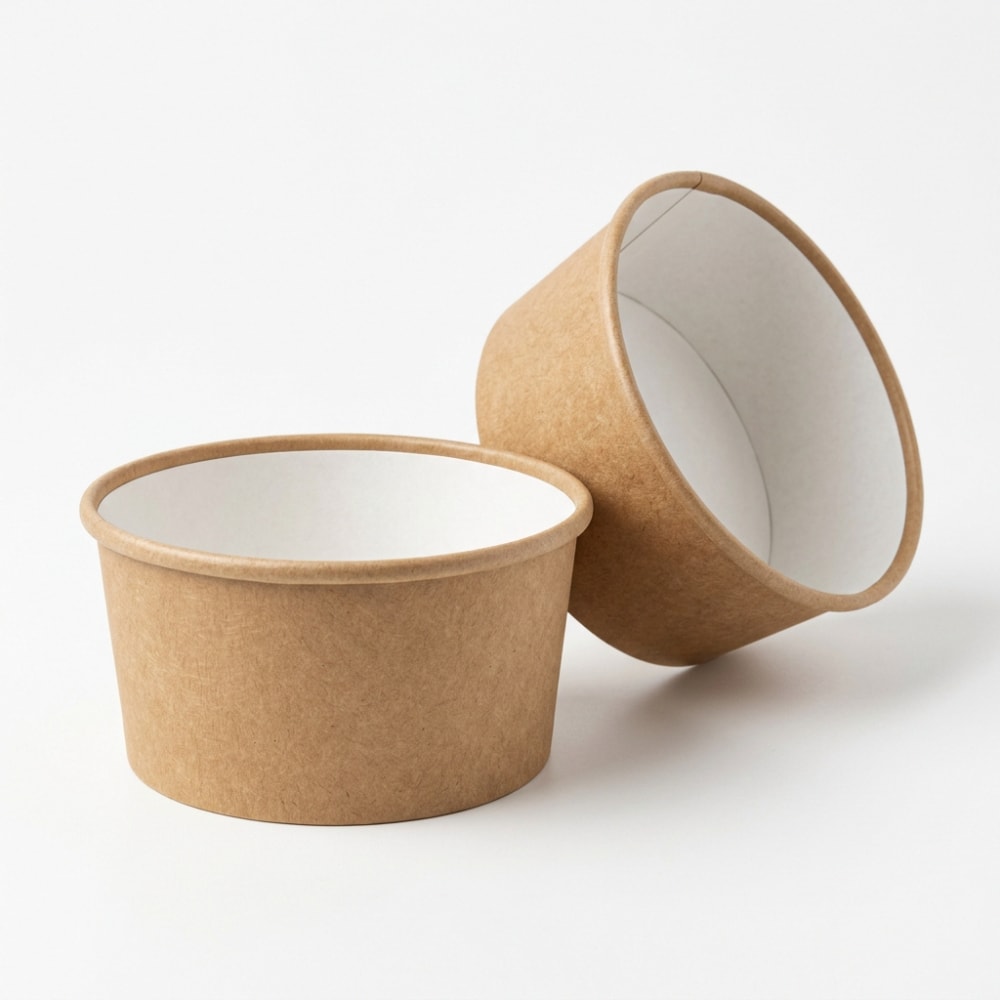
United States Bulk Paper Salad Bowl Supply Guide
The United States market for disposable salad packaging continues to expand as restaurants, grocery deli counters, meal-prep brands, and delivery platforms look for practical, food-safe, and brand-ready bowl packaging. If you are searching for a bulk paper salad bowls supplier, the best option is usually a factory-backed partner that can provide stable quality, food-grade certification, custom sizes, printed branding, and reliable lead times for ports serving Los Angeles, Long Beach, New York, New Jersey, Savannah, Houston, Seattle, and Chicago distribution networks.If you need a quick answer, a reliable bulk paper salad bowls supplier for the United States should offer food-grade kraft or white paper bowls in the most common capacities such as 500ml, 750ml, 1000ml, 1090ml, 1300ml, and 1500ml, with matching lids in PET, PP, or paper. The right supplier should also provide both PE-lined and PLA-lined options, FDA-compliant materials, stable leak resistance, and flexible OEM branding for restaurant chains, wholesalers, and importers.In practical buying terms, U.S. importers typically compare suppliers based on six points: structural strength, leak resistance, coating choice, print quality, minimum order quantity, and landed cost. A bowl that looks inexpensive at the factory may become costly if it has poor nesting, weak rim strength, or frequent sealing and stacking issues during warehousing in hubs like Dallas, Atlanta, or Inland Empire logistics parks in California.For many foodservice buyers, paper salad bowls are now used for more than salads. They also package poke bowls, grain bowls, fruit cups, pasta salads, cold noodles, deli sides, and premium takeaway meals. Because of that, buyers increasingly prefer suppliers able to support multiple diameters, lid compatibility, and custom print runs across several product lines, instead of sourcing from different vendors for every format.A dependable bulk paper salad bowls supplier should also understand U.S. market seasonality. Demand often rises before spring and summer when salad consumption increases, and again before the holiday catering period when prepared foods and grab-and-go offerings accelerate. Buyers that plan ahead often secure better volume pricing, more flexible production slots, and fewer delays around peak shipping periods. Key Criteria for Choosing a U.S.-Focused Bulk Paper Salad Bowl Supplier Criteria Why It Matters Typical U.S. Buyer Expectation Food Safety Protects end users and supports compliance FDA-ready material documentation Leak Resistance Reduces complaints in delivery and takeaway No seepage with dressings for common hold times Size Range Supports varied menu items 500ml to 1500ml options Lid Compatibility Improves stackability and user convenience PET or PP clear lids with secure fit MOQ Flexibility Helps both distributors and emerging brands Trial and wholesale order options Customization Supports brand visibility Private label printing and structure options Lead Time Supports inventory planning Predictable production and export schedule The table above shows that buyers in the United States rarely choose suppliers on price alone. Performance in transit, certification readiness, and consistency across repeat orders are equally important when products move through wholesale channels or restaurant distribution programs.Demand for paper salad bowls in the United States has been shaped by three overlapping trends: growth in delivery and takeaway, premiumization of cold prepared foods, and stronger interest in fiber-based packaging. Independent restaurants in cities such as New York, Austin, Portland, Denver, and Miami increasingly use paper bowls as a cleaner, more upscale alternative to foam or standard plastic containers. At the same time, large chains and commissary kitchens want packaging that stacks well, prints clearly, and works across omnichannel service models.Wholesale demand is especially strong among salad chains, poke brands, supermarket prepared-food departments, college dining programs, airport concession operators, and regional distributors. Areas with dense office lunch traffic, health-conscious consumers, and strong grocery deli competition tend to generate steady bowl packaging consumption. Metropolitan regions such as Los Angeles, San Francisco Bay Area, Chicago, Boston, and Washington, D.C. remain active demand centers.Another market driver is branding. U.S. consumers increasingly associate plain, sturdy kraft bowls with freshness, sustainability, and premium convenience. For that reason, private-label bowl packaging has become more common. Suppliers that can print logos, menu colors, QR codes, or short brand messages directly on the bowl can help food businesses differentiate in crowded markets.By 2026, the market is expected to continue shifting toward packaging that combines operational performance with environmental positioning. Buyers are asking tougher questions about source fiber, compostable lining options, recyclability messaging, and the total packaging story presented to consumers. State-level packaging rules and local procurement standards may also influence material selection in parts of the United States.var ctx1 = document.getElementById('lineChartMarket').getContext('2d');var chart1 = new Chart(ctx1, { type: 'line', data: { labels: ['2021', '2022', '2023', '2024', '2025', '2026'], datasets: [{ label: 'Estimated U.S. Demand Index', data: [78, 86, 95, 107, 118, 129], borderColor: 'rgb(75, 192, 192)', backgroundColor: 'rgba(75, 192, 192, 0.15)', fill: false, tension: 0.25 }] }, options: { responsive: true, maintainAspectRatio: false }});The line chart shows a realistic demand trend for bulk paper salad bowls supplier activity in the U.S. market. Growth is not purely volume-driven; it also reflects increased use across more menu categories and channels. Estimated Demand Drivers in the United States Market Segment Demand Level Main Reason for Growth Salad Chains Very High Daily recurring demand and dine-in plus delivery use Supermarket Deli High Grab-and-go prepared foods expansion Poke and Grain Bowl Brands High Premium cold meal presentation Catering and Meal Prep Medium to High Portion control and easy stacking Universities and Hospitals Medium Convenience and food safety requirements Food Trucks Medium Portable service and quick disposal Airports and Travel Retail Medium Need for secure packaged meals This table helps buyers understand where volume is coming from. The strongest demand usually comes from businesses with standardized menus and repeated daily packaging use, which is why distributors and chain operators tend to purchase in larger lots.Choosing the right size is one of the most important steps when working with a bulk paper salad bowls supplier. Many U.S. buyers initially focus on bowl diameter or listed capacity, but actual menu fit depends on the ingredient mix, topping height, sauce volume, and lid headspace. A 750ml bowl may work for a side salad in one concept but feel too small for a protein-rich grain bowl in another.Most high-volume foodservice programs use a combination of bowl sizes rather than a single universal format. Smaller capacities serve fruit, side salads, deli portions, or kids’ meals. Mid-range bowls are common for lunch salads and cold noodle dishes. Larger bowls are preferred for meal salads, family-style prepared foods, and premium mixed bowls with proteins, grains, and sauces.Material selection also matters. Kraft paper is popular for its natural, warm appearance and sustainability perception. White paper bowls offer a clean premium look and often highlight colorful custom graphics better. Both can be engineered for leak resistance and paired with clear lids that let consumers view ingredients, which is especially important for supermarkets and grab-and-go shelves. Common Bowl Sizes and Typical Uses Capacity Typical Use Best Buyer Type 500ml Fruit cups, side salads, deli snacks Convenience retail, cafes, schools 750ml Light lunch salads, pasta side dishes Cafes, office lunch providers 850ml Standard entree salads Restaurant takeaway, meal prep 1000ml Large salads, poke, grain bowls Chains, deli counters, delivery kitchens 1090ml High-topping premium bowls Health food brands, gourmet retail 1300ml Family portions or large meal bowls Catering, prepared-food distributors 1500ml Shared salads, buffet takeaway Events, supermarkets, bulk catering The size table above can reduce mismatches between menu requirements and packaging performance. Many U.S. buyers sample two or three adjacent sizes before locking in a final specification. Material Options for Paper Salad Bowls Material Type Appearance Main Advantage Kraft Paper Natural brown Eco-friendly look and strong market acceptance White Paperboard Bright white Better color printing and premium visual appeal Heavy GSM Kraft Natural brown, firmer wall Extra rigidity for larger bowls Double-Layer Paper Structure Structured, robust feel Improved insulation and strength PE-Coated Paper Standard foodservice finish Strong moisture and oil barrier PLA-Coated Paper Similar to PE at first glance Compostable positioning for selected programs Printed OEM Paper Bowl Custom branded Supports restaurant and retail brand identity This material guide shows why bowl selection is both a packaging and merchandising decision. Retail-facing operations often value visual appeal and shelf presence just as much as structural function.When U.S. buyers compare lining choices, the most common question is whether to order PE-lined bowls or PLA-lined bowls. Both options can be food-safe and suitable for salad packaging, but they serve different priorities.PE, or polyethylene lining, remains the standard choice in many foodservice programs because it offers dependable moisture resistance, good sealing performance, and cost efficiency. It is often preferred for high-volume restaurant chains, wholesalers, and distributors focused on practicality, broad application range, and lower unit costs.PLA, or polylactic acid lining, is more often selected when compostable positioning is a selling point or when a buyer wants a packaging story aligned with sustainability messaging. However, PLA can carry a higher cost and may require more specific end-of-life conditions, depending on local disposal systems. U.S. buyers should match the material not just to marketing claims but to actual use, storage, transport, and regional waste infrastructure.In the United States, city and state packaging expectations vary. Buyers serving California, Washington, Oregon, Colorado, and parts of the Northeast may receive more requests for sustainability-forward packaging options, while other regions may still prioritize cost, speed, and dependable inventory over compostability claims. The right supplier should clearly explain the tradeoffs instead of offering a one-size-fits-all answer. PE vs PLA Lining Comparison Factor PE Lining PLA Lining Cost Usually lower Usually higher Leak Resistance Strong and widely proven Good when properly manufactured Market Availability Very common More specialized Brand Sustainability Message Moderate Stronger for compostable programs Best for High-Volume Chains Yes Depends on budget and policy Typical Lead Time Sensitivity Lower Can be higher depending on material supply Use Case Fit General foodservice and wholesale Eco-positioned concepts and regulated markets The comparison above makes the decision simpler. PE usually wins on cost and broad practicality, while PLA is chosen where sustainability positioning is central to the brand or procurement requirement.var ctx2 = document.getElementById('areaChartTrend').getContext('2d');var chart2 = new Chart(ctx2, { type: 'line', data: { labels: ['2021', '2022', '2023', '2024', '2025', '2026'], datasets: [{ label: 'Shift Toward PLA and Eco-Labeled Options', data: [12, 15, 19, 24, 30, 37], borderColor: 'rgb(54, 162, 235)', backgroundColor: 'rgba(54, 162, 235, 0.25)', fill: true, tension: 0.25 }] }, options: { responsive: true, maintainAspectRatio: false }});The area chart illustrates the realistic shift toward sustainability-focused coatings. The transition is meaningful but gradual, with PE still holding a strong position in mainstream bulk purchasing.Understanding how bowls are produced helps buyers judge quality beyond the catalog photo. Bulk paper salad bowls typically begin with food-grade paperboard selected for basis weight, stiffness, and print compatibility. The paper is then coated, printed if needed, die-cut into blanks, formed into bowl structures, rimmed for strength, and inspected before packing.For large-volume orders, automation is essential. Consistent forming pressure, controlled coating application, precise die-cutting, and stable nesting geometry all affect whether bowls perform well at the restaurant and distribution level. If bowl walls are inconsistent or rims are weak, end users may see deformation, poor lid fit, or leakage during transport.Technological capability is therefore a major signal of supplier reliability. A modern manufacturer should use integrated production lines, controlled printing systems such as flexographic printing, forming equipment calibrated for consistency, and in-house quality checks for dimensions, barrier integrity, and visual defects. Buyers ordering for U.S. wholesale channels often prefer factory partners with climate-controlled storage, because humidity swings can affect packaging condition before export.Manufacturing capability also includes scale. A supplier that can handle repeated large orders is better positioned to support restaurant groups, distributors, and seasonal retail surges. Buyers should ask whether the factory can manage both stock-type production and customized OEM runs without sacrificing consistency or timeline.At Shandong Fude Packaging Co., Ltd., production strength comes from more than two decades of packaging experience, a modern 30,000 square meter manufacturing base, automated lines, and integrated processes covering printing, die-cutting, forming, testing, and warehousing. This matters for U.S. buyers because it supports repeatability across orders, especially when the same bowl design is shipped to multiple distribution points. Typical Bulk Production Stages for Paper Salad Bowls Stage What Happens Quality Impact Paper Selection Food-grade board is chosen by weight and strength Affects stiffness and durability Coating Application PE or PLA barrier is added Controls moisture and oil resistance Printing Brand graphics or stock design applied Influences appearance and brand value Die-Cutting Blanks are cut to exact forming shape Affects fit and forming accuracy Forming Bowl body is shaped and sealed Critical for leak resistance Rim Curling Top edge is reinforced Improves lid fit and stackability Inspection and Packing Finished goods are checked and packed Reduces defect risk in export shipments This production table shows why factory process visibility matters. Buyers that understand the sequence are better able to ask the right questions during supplier evaluation.The biggest cost advantage in working with a bulk paper salad bowls supplier is not only the lower unit price from high-volume production. Savings also come from better carton efficiency, fewer stockouts, stronger nested packing, less waste due to bowl failure, and the ability to standardize bowl sizes across multiple menu items.Importers serving the United States should examine total landed cost rather than only ex-factory pricing. Ocean freight, customs handling, inland transport, warehousing, and reorder timing all affect the final economics. For example, a slightly higher-quality bowl that nests tighter and reduces shipping cube may produce a better per-serving cost than a cheaper bowl with poor packing density.Restaurant groups and distributors can often reduce costs by consolidating sizes, aligning lid formats, and placing forecast-based orders before high season. Buyers shipping through Long Beach or Savannah may also save by coordinating container loading across related packaging items such as cups, lunch boxes, or deli containers from the same factory.Another overlooked saving is fewer customer complaints. If a bowl leaks in delivery or collapses when filled, the resulting refund, food loss, and brand damage can exceed the packaging cost difference many times over. That is why sophisticated buyers focus on value engineering, not just low prices.var ctx3 = document.getElementById('barChartDemand').getContext('2d');var chart3 = new Chart(ctx3, { type: 'bar', data: { labels: ['Salad Chains', 'Supermarket Deli', 'Meal Prep', 'Poke Brands', 'Catering', 'Campus Dining'], datasets: [{ label: 'Average Monthly Bowl Demand Index', data: [92, 84, 66, 73, 58, 49], backgroundColor: 'rgb(255, 159, 64)' }] }, options: { responsive: true, maintainAspectRatio: false }});The bar chart above highlights where high-volume usage often concentrates. Businesses with predictable turnover tend to unlock the strongest economies of scale. Typical Ways Buyers Save Money on Bulk Bowl Orders Strategy How It Saves Best For Container-Level Ordering Reduces unit freight cost Importers and major distributors Fewer Size Variants Simplifies inventory and increases buying volume per SKU Restaurant groups Shared Lid Platforms Lowers accessory complexity Chains and commissaries OEM Print Batching Improves print efficiency over repeated runs Private label brands Forecast Ordering Avoids rush production and emergency freight Seasonal high-volume users Factory-Direct Sourcing Removes extra trading layers Wholesalers and importers Multi-Product Consolidation Fills shipping space more efficiently Distributors buying several packaging lines The table clarifies that cost control is a system decision. Buyers who coordinate packaging specifications and purchasing cycles usually achieve better margins than those who reorder ad hoc.Certification is essential for the United States market. Buyers should request documentation covering food contact compliance, material safety, quality management, and when relevant, sustainability or compostability claims. Certification is especially important for distributors selling into chains, institutions, or larger regional grocery groups that audit supplier paperwork carefully.Food-grade certification is not just a checkbox. It helps reduce import risk, supports customer confidence, and can speed vendor approval in commercial foodservice procurement. For bowls used with ready-to-eat foods, documentation should match the actual material specification, coating type, and production process.Shandong Fude Packaging Co., Ltd. supports international foodservice buyers with products manufactured to recognized standards including FDA-related food contact expectations, EU EC 1935/2004, ISO 9001 quality management, FSC sourcing for paper, and selected BPI or OK Compost options depending on the material program. For U.S. buyers, this combination is valuable because it balances food safety, traceability, and sustainability messaging.Service capability is also important here. A strong supplier should not only hold certifications but also help buyers understand which documents are relevant for customs, distributor onboarding, private-label projects, and institutional tenders. Responsive paperwork support can save significant time during product launch. Common Certifications and Compliance Signals for U.S. Buyers Certification or Standard Why Buyers Ask for It Typical Relevance FDA Food Contact Readiness Supports U.S. food packaging acceptance Core requirement for many importers EU EC 1935/2004 Shows broader food-contact compliance discipline Useful for international distributors ISO 9001 Confirms structured quality management Important for repeat-order consistency FSC Supports responsible paper sourcing claims Useful for sustainability-focused buyers BPI Supports compostable claims where applicable Relevant for PLA and compostable programs OK Compost Additional compostability assurance Useful for export or premium eco programs Factory Test Reports Verifies batch performance and dimensions Helpful for private label and chain accounts The table above helps procurement teams sort mandatory compliance documents from value-added credentials. In the U.S. market, the best suppliers present clear, organized documentation rather than vague marketing language.Volume pricing depends on bowl size, paper weight, lining choice, printing complexity, lid type, and shipping configuration. In general, the per-unit cost falls as order volume rises, especially when a buyer commits to standard specifications or repeat orders. Customized graphics, special structures, and low-volume test runs usually cost more on a unit basis.MOQ, or minimum order quantity, varies by product. Generic bowls may carry lower minimums, while custom-printed bowls often require larger runs to make plate setup and production efficient. U.S. buyers launching new brands often start with simpler printing or one standard size, then expand once demand stabilizes.A flexible supplier is useful for both trial orders and scale. Some customers need a modest opening quantity for market testing in one region, such as Southern California or the Mid-Atlantic. Others need a larger monthly program serving multiple warehouses across the United States. A supplier capable of supporting both stages can reduce the need for vendor changes later.Fude’s service model is designed around this kind of progression. The company supports packaging selection, artwork preparation, sampling, confirmation, production, and delivery coordination, with practical lead times that often fall in the 7 to 15 day production window depending on the order type. That structure helps buyers move from evaluation to full commercial supply more efficiently. Buyers can learn more about its packaging range on the product catalog page, review its background on the company profile page, or discuss project scope through the service support page.var ctx4 = document.getElementById('comparisonChartSupplier').getContext('2d');var chart4 = new Chart(ctx4, { type: 'bar', data: { labels: ['MOQ Flexibility', 'Customization', 'Lead Time', 'Cert Support', 'Capacity', 'Export Readiness'], datasets: [{ label: 'Factory-Direct Supply Strength Index', data: [82, 91, 86, 90, 94, 89], backgroundColor: 'rgb(153, 102, 255)' }] }, options: { responsive: true, maintainAspectRatio: false }});This comparison chart summarizes the factors procurement teams often weigh when selecting a supplier for large or repeat programs. Typical MOQ and Pricing Logic by Order Type Order Type MOQ Trend Pricing Effect Plain Stock Bowl Lower Most cost-efficient entry point Single-Color OEM Print Medium Moderate setup cost Full-Color Custom Print Medium to High Higher due to printing complexity PLA-Lined Bowl Medium Higher material cost Mixed Size Container Load Negotiable Can improve freight efficiency Repeat Forecast Program Flexible over time Often better pricing stability Urgent Small Trial Run Higher practical cost Least efficient cost structure The table explains why buyers should align MOQ expectations with their real growth stage. Trying to force ultra-low MOQ on a highly customized bowl often leads to unfavorable pricing.Shandong Fude Packaging Co., Ltd. serves global foodservice buyers as a factory-based packaging partner with long experience in disposable food-grade paper and plastic solutions. For U.S. customers looking for a bulk paper salad bowls supplier, the company’s value lies in the combination of manufacturing scale, customization capability, and export-oriented service.From a technology standpoint, the company operates with integrated production systems that include flexographic printing, die-cutting, forming, in-house quality checks, and warehousing conditions designed to protect packaging integrity. This supports consistent bowl dimensions, clearer branding output, and stronger performance in wholesale distribution.From a manufacturing standpoint, the company runs a modern factory with automated production capacity serving customers across North America, Europe, Southeast Asia, the Middle East, Oceania, and other markets. Its broader product portfolio includes paper bowls, food containers, lunch boxes, trays, paper cups, and specialty takeaway packaging, which is useful for U.S. distributors interested in consolidating related items from one source.From a service standpoint, the company helps buyers through a practical order path: requirement review, design and sample confirmation, then production and delivery coordination. That means a restaurant chain, importer, or wholesaler can move from concept to containerized shipment with one contact flow instead of piecing together multiple vendors. Buyers interested in discussing custom bowl projects or supply planning can reach out through the contact page.The company also fits the needs of different buyer profiles. A new prepared-food brand may need help selecting the correct capacity and lining. A regional wholesaler may need standard kraft bowls with reliable monthly output. A multi-state chain may need printed branding, strict dimensional consistency, and synchronized lead times for several warehouses. A supplier that understands each of these operating models is more valuable than one that only sells generic packaging.For the United States market, this matters because packaging is rarely a one-time purchase. It becomes part of the customer experience, operational flow, and supply chain risk profile. A capable supplier should therefore function as a long-term packaging partner rather than merely a low-price exporter.What size paper salad bowl is most popular in the United States?The most commonly requested sizes are usually 750ml, 850ml, 1000ml, and 1090ml because they work for entree salads, poke bowls, grain bowls, and deli meals.Are kraft bowls better than white bowls?Not universally. Kraft bowls offer a natural eco-forward look, while white bowls often give better print visibility and a more premium branded appearance. The best choice depends on menu positioning and brand style.Should I choose PE or PLA lining?Choose PE if you want broad practicality, lower cost, and proven performance. Choose PLA if compostable positioning is important and you understand the regional disposal context and added cost.Can a bulk paper salad bowls supplier provide custom printing?Yes. Many factory-direct suppliers can print logos, colors, and brand graphics. Custom printing usually affects MOQ and lead time, so buyers should plan artwork and forecasts early.What certifications should U.S. buyers request?At minimum, ask for food-contact compliance documentation relevant to the United States. Many buyers also request ISO 9001, FSC, and compostability certifications when applicable.How long does production usually take?Lead time depends on order complexity, season, and printing requirements. Standard or repeat orders often move faster than new custom jobs. Planning before peak season is strongly recommended.Can I order multiple bowl sizes in one shipment?In most cases, yes. Mixed-size orders are common, especially for wholesalers or distributors filling container space efficiently with related packaging products.Which industries buy in the highest volumes?Salad chains, grocery deli programs, meal-prep brands, catering groups, institutional foodservice, and regional distributors usually generate the largest recurring demand.How do I compare local U.S. suppliers with overseas factories?Local suppliers may offer faster replenishment, but factory-direct sourcing can provide stronger pricing, deeper customization, and broader product integration. Buyers should compare total landed cost, lead time, and quality stability.What trends will shape the market through 2026?The strongest trends are smarter material selection, more demand for certified sustainable sourcing, wider use of compostable-positioned options in certain states, better custom branding, and growing pressure for packaging that balances cost control with environmental credibility.In summary, the best bulk paper salad bowls supplier for the United States is one that can combine product range, technical consistency, food-grade compliance, customization, and responsive service. As the market moves into 2026, buyers who evaluate packaging through the lens of total value, policy readiness, and sustainability positioning will be better prepared to serve modern foodservice channels across the country. -

Canada Custom Food Packaging: Brand Approval Checklist
Custom food packaging works best when it is managed as a documented cross-functional process rather than as a simple artwork purchase. For Canadian brand owners, every project should begin with defined product use, food-contact needs, dimensions, materials, printing requirements, delivery plans, measurable acceptance criteria, named owners, formal decision gates, and retained approval evidence.The most common risk in custom food packaging is not poor-looking artwork. It is a missing detail between design and production: a cup that fits the wrong lid, a sauce container that leaks after transport, a compostability claim unsupported by the selected material, a bilingual label requirement missed during proofing, or a carton quantity that does not fit the customer’s warehouse or distribution model. A repeatable process catches these issues before mass production.For food brands operating in Toronto, Vancouver, Montréal, Calgary, Halifax, Ottawa, and other Canadian markets, the practical rule is simple: do not approve production from a visual proof alone. Confirm the specification with the correct sample type, documented functional checks, approved artwork, quality thresholds, and a production release record signed by the responsible teams.Custom packaging can include paper cups, soup bowls, burger boxes, salad containers, kraft lunch boxes, food trays, noodle boxes, dessert containers, and multi-compartment meal packaging. The product is only successful when brand presentation, food safety, performance, logistics, sustainability goals, and commercial cost work together.The purpose of custom food packaging is to protect food, support safe handling, preserve product quality, communicate the brand, and enable efficient service from kitchen to customer. In Canada, packaging decisions may also influence bilingual information requirements, provincial waste-reduction initiatives, food-contact documentation expectations, recycling or compostability claims, and cross-provincial distribution planning.A project scope should state what the package must do under real conditions. A cold smoothie cup in Vancouver has different needs from a hot poutine container in Québec, a grease-resistant burger box for a Toronto delivery kitchen, or a compartment meal tray used by a corporate caterer in Calgary. “Food packaging” is not a complete specification; food type, temperature, hold time, transport method, and customer experience must be defined.Packaging ObjectiveQuestions to DefineRequired EvidenceFood protectionWhat food is packed, at what temperature, for how long?Food-use profile and test sample recordLeak resistanceWill the pack hold soup, gravy, oils, sauces, or condensation?Leak-test threshold and resultBrand presentationWhich logo, colours, finishes, and bilingual messages are required?Approved artwork and colour referenceOperational fitWill the package stack, close, fill, label, and travel efficiently?Kitchen and delivery trial feedbackCompliance readinessWhich food-contact, fibre-source, or environmental documents are needed?Document request list and supplier fileCommercial controlWhat are the target quantity, budget, lead time, and safety-stock needs?Forecast, quotation, and delivery scheduleThis table should be completed before suppliers are asked to quote. It separates assumptions from requirements and gives procurement a comparable basis for reviewing offers. It also makes later changes visible: if a brand shifts from dine-in to delivery, the operating condition changes and the package must be revalidated.For a national restaurant chain, scope may include multiple SKUs, scheduled releases, consolidated shipping, regional warehouse allocations, and product consistency across locations. For a start-up coffee shop in Edmonton, the priority may be a limited run of branded cups with accurate colour matching and a manageable minimum order quantity. The process should be scalable, but the discipline should remain the same.A useful custom packaging brief is evidence-based. It should not rely on phrases such as “standard quality,” “eco-friendly,” “food grade,” or “same as our current supplier” without supporting details. Each statement needs a measurable interpretation.Core inputs should include product drawings or dimensions, capacity, food type, serving temperature, filling method, storage conditions, expected transit time, lid or accessory details, artwork files, colour references, order forecast, destination, target launch date, and required documentation. If the package will be shipped through the Port of Vancouver, Port of Montréal, Port of Halifax, or routed through inland distribution centres in Mississauga, Brampton, Surrey, or Laval, the logistics plan should also identify carton limitations and pallet requirements.Input or EvidenceOwnerWhy It MattersFood application profileBrand and OperationsDetermines material, coating, structure, and performance testsArtwork master fileBrand or MarketingControls logos, legal text, languages, barcode areas, and print layoutDieline and dimensionsSupplier and QualityPrevents fit, volume, stacking, and closure errorsColour standardBrand and SupplierCreates an objective basis for print approvalFood-contact documentsQuality and SupplierSupports market-specific compliance reviewForecast and release scheduleProcurementSupports capacity planning, inventory, and shipment timingSample approval recordBrand, Quality, OperationsLinks the accepted sample to the production specificationThe table is especially important when a project involves several decision-makers. Marketing may approve the visual appearance, but quality must review food-contact evidence, operations must confirm filling and handling performance, and procurement must validate commercial terms, continuity, and total landed-cost assumptions.For Canadian market use, brands should review whether product claims, language, symbols, disposal instructions, and material statements are appropriate for the intended province and channel. A claim such as “compostable” should be tied to the actual substrate, coating, certification position, local acceptance conditions, and approved communication. Packaging claims should never be added only because they are visually attractive.Cross-functional ownership prevents the “someone else checked it” problem. The project leader should maintain one controlled specification, one revision history, and one approval register. Every team must understand which decisions it owns and which decisions it only contributes to.FunctionPrimary ResponsibilityApproval AuthorityBrand / MarketingVisual identity, consumer communication, campaign timingArtwork, colour, logo placement, promotional messagingProcurementSupplier selection, commercial terms, forecasts, replenishmentQuotation, order quantity, shipping plan, purchasing releaseQuality AssuranceSpecifications, food-contact evidence, inspection criteriaMaterial suitability, test method, defect thresholds, deviation releaseOperationsFilling, sealing, storage, handling, delivery performanceFunctional fit, packing method, line trial, service usabilityFinanceBudget, payment conditions, inventory exposureCost target and commercial risk controlsSupplier Project TeamTechnical proposal, sampling, manufacturing, batch controlFeasibility confirmation and production readinessThis responsibility matrix should be attached to the project kickoff record. For example, a supplier may recommend a heavier paperboard or a different barrier solution, but the brand should not treat that recommendation as final until Quality and Operations have verified the intended food application.At Fude Packaging, technical support can begin with product selection, material and coating recommendations, dieline review, Pantone matching guidance, prototype development, and functional sampling. The goal is to convert a brand concept into a manufacturable food-service package with clear controls. Buyers can review the custom packaging service process before submitting artwork or requesting a quotation.Formal decision gates are the strongest control against missing details. A gate is not a meeting for general discussion; it is a documented point where the project either meets predefined criteria, requires corrective action, or is stopped. Each gate should identify the evidence reviewed, the person approving it, the date, and the exact version of the specification.Decision GateMinimum Approval CriteriaOutputGate 1: Project briefFood use, dimensions, market, volume, timeline, owner confirmedControlled project briefGate 2: Technical feasibilityMaterial, structure, tooling, lid fit, printing feasibility confirmedTechnical proposal and revised dielineGate 3: Artwork proofText, logos, colours, languages, barcode zone, bleed, dieline approvedSigned digital proof approvalGate 4: Physical sampleDimensions, appearance, closure, capacity, and handling verifiedWhite or printed sample approvalGate 5: Functional validationLeak, grease, heat, stacking, transport, and use tests passedTest report and acceptance recordGate 6: Production releaseFinal specification, quality plan, packaging, and order terms completeMass-production authorizationGate 7: Pre-shipment releaseInspection, carton marks, quantities, and documents match the orderShipment release fileThe gate table creates a practical audit trail. If a problem occurs after launch, the business can determine whether the issue arose from the original brief, artwork, sample interpretation, material change, production control, logistics handling, or insufficient acceptance criteria.A major gap often appears when the design team approves a flat artwork proof but no one checks the assembled package. A logo can look centred on a screen and still appear too close to a fold, seam, handle, rim, or bottom panel after forming. Similarly, a printed bowl can appear correct while the selected lid causes inadequate closure. A physical sample gate prevents these costly oversights.var ctx = document.getElementById('lineChart').getContext('2d');var chart = new Chart(ctx, { type: 'line', data: { labels: ['2022', '2023', '2024', '2025', '2026', '2027'], datasets: [{ label: 'Canadian custom food packaging planning index', data: [100, 108, 117, 126, 136, 147], borderColor: 'rgb(36, 125, 91)', backgroundColor: 'rgba(36, 125, 91, 0.12)', fill: false, tension: 0.3 }] }, options: { responsive: false, maintainAspectRatio: false, scales: { y: { beginAtZero: false, title: { display: true, text: 'Index (2022 = 100)' } } } }});The planning-index chart illustrates why disciplined approval processes matter as branded takeaway, delivery, and food-service packaging programs expand. More product variations and more frequent campaigns increase the need for controlled revisions, rather than relying on informal email approvals.The following workflow can be used for a single product launch or adapted for a multi-SKU procurement program. It is designed to help Canadian brand owners move from concept to shipment with fewer rework cycles.Define the application. Record the food type, portion size, temperature, moisture, oil content, hold time, and delivery condition. Select the package format. Choose among cups, bowls, boxes, trays, clamshells, meal containers, sleeves, or accessories based on food use and service model. Prepare the technical brief. Include dimensions, capacity, target material, printing needs, compliance documents, forecast, destination, and timing. Review manufacturability. Confirm tooling, board grade, coatings, closure style, lid compatibility, print coverage, and packing configuration. Approve dielines and artwork. Use controlled files with revision numbers. Confirm bilingual copy where needed and protect safe margins around folds and seams. Review samples. Start with a digital proof, white sample, or printed pre-production proof depending on project risk and budget. Perform functional testing. Test the package with actual food under expected service conditions, not only with water or empty containers. Set acceptance criteria. Define tolerances for dimensions, print variation, leak resistance, count accuracy, carton condition, and critical defects. Release production. Issue one approved production specification; do not allow unrecorded changes through chat messages or verbal instructions. Inspect and retain records. Match final inspection and shipping documents to the approved specification and retain a reference sample. Fude Packaging can support this workflow through digital proofs, white samples, printed pre-production proofs, functional prototypes, and production-stage quality controls. Its in-house laboratory and manufacturing process support checks for relevant performance characteristics such as strength, leak prevention, grease resistance, lid fit, dimensions, and print accuracy. Explore available formats through the food packaging product range.var ctx = document.getElementById('barChart').getContext('2d');var chart = new Chart(ctx, { type: 'bar', data: { labels: ['Coffee & Beverage', 'Quick Service Restaurants', 'Meal Delivery', 'Grocery Prepared Food', 'Catering', 'Institutions'], datasets: [{ label: 'Custom packaging demand index', data: [88, 96, 92, 78, 64, 71], backgroundColor: ['#6b8e23', '#d17a22', '#3a7ca5', '#a23b72', '#6c757d', '#5a8f7b'] }] }, options: { responsive: false, maintainAspectRatio: false, scales: { y: { beginAtZero: true, max: 100, title: { display: true, text: 'Demand index' } } } }});This illustrative demand comparison helps procurement teams prioritize package testing. Beverage programs may focus on lid fit, condensation, and print quality, while delivery brands typically place greater weight on leak control, thermal retention, stacking strength, tamper evidence, and carton efficiency.Many packaging failures are preventable. They occur when teams skip validation to protect a launch date, make changes after proof approval without restarting the review, or assume one successful package format will work for every menu item.Approving colour only on a screen without reviewing a printed production-oriented sample. Using capacity labels without confirming actual fill volume and headspace. Choosing a lid and container from separate sources without a fit test. Ignoring changes in hot-fill temperature, delivery duration, or sauce content. Making environmental claims without confirming material composition and local disposal realities. Failing to define acceptable defect levels before inspection. Ordering only for unit price instead of considering wastage, delivery failures, storage, and replenishment. Allowing multiple versions of the artwork or dieline to circulate without version control. A practical approach is to classify defects as critical, major, or minor. Critical defects may include food-contact concerns, leakage that affects use, incorrect product identity, or a structural failure. Major defects may include significant print displacement, poor closure, incorrect dimensions, or carton quantity errors. Minor defects may include limited cosmetic variation that does not affect safe use or brand legibility. The definitions should be agreed before manufacturing begins.Record keeping turns custom packaging from a one-off purchase into a managed supplier program. The completed file should allow a new employee, auditor, buyer, or quality manager to understand exactly what was ordered, why it was approved, and how the received goods were checked.Record to RetainMinimum ContentReview TimingApproved specificationMaterial, dimensions, capacity, coating, print, packing, tolerancesBefore every new revision or repeat orderArtwork approvalFinal PDF, revision number, approver, date, colour referenceBefore printingSample recordSample type, test conditions, results, comments, signaturesBefore production releaseCompliance document fileRequested declarations, certificates, material informationAt supplier onboarding and periodic reviewInspection reportLot number, quantities checked, defect findings, dispositionBefore shipment or goods receiptShipment documentsPacking list, invoice, carton marks, shipping detailsAt shipment and warehouse receiptCorrective action logIssue, root cause, containment, owner, closure dateAfter every significant deviationThe checklist should be reviewed at least when a package changes, a supplier changes, a new food application is introduced, a customer complaint occurs, or a new regulatory or sustainability claim is planned. Retain approved reference samples where practical, especially for major branded programs. These samples help resolve later questions about colour, construction, finish, and expected appearance.var ctx = document.getElementById('areaChart').getContext('2d');var chart = new Chart(ctx, { type: 'line', data: { labels: ['2022', '2023', '2024', '2025', '2026', '2027'], datasets: [{ label: 'Share of projects requiring documented sustainability review', data: [34, 42, 51, 59, 68, 74], borderColor: 'rgb(32, 126, 122)', backgroundColor: 'rgba(32, 126, 122, 0.25)', fill: true, tension: 0.3 }] }, options: { responsive: false, maintainAspectRatio: false, scales: { y: { beginAtZero: true, max: 100, title: { display: true, text: 'Projects (%)' } } } }});The trend chart highlights a growing planning focus on documented material choices, fibre sourcing, barrier technologies, recovery pathways, and claim substantiation. By 2026 and beyond, brands will increasingly need packaging decisions that balance practical food performance with credible environmental communication.Fude Packaging supports overseas B2B buyers with custom paper food packaging from a self-owned 30,000 m² production base in Shandong. With more than 20 years of packaging experience and automated output capacity of up to 120,000 units per day, the company is positioned to support both customized launches and scheduled repeat-order programs for Canadian importers, distributors, food-service operators, retailers, and restaurant groups.Its manufacturing capabilities cover in-house material processing, printing, die-cutting, forming, inspection, packing, and shipment coordination. Product coverage includes paper cups, paper bowls, burger boxes, kraft lunch boxes, salad containers, noodle boxes, trays, and multi-compartment meal packaging. Centralizing multiple product categories with one manufacturing partner can help buyers simplify artwork control, quality reviews, container planning, and supplier communication.Technological and quality capabilities include an in-house laboratory, production monitoring, incoming-material inspection, final inspection, batch verification, and full-batch traceability practices. Project documentation may include food-contact and quality-related files such as FSC, ISO 9001, LFGB, FDA-related, BRC-related, or other requested documentation, depending on the product, material, destination market, and project requirements. Canadian buyers should always confirm the precise documents needed for their intended application before placing an order.Service capabilities include OEM and ODM development, artwork and dieline checks, custom sizes, material recommendations, Pantone colour matching, sampling, functional testing support, scheduled-order coordination, export-ready packing, and assistance with commercial shipping documents. For sea freight moving toward Vancouver, Montréal, Halifax, or onward to Canadian inland hubs, clear carton specifications and delivery planning can reduce avoidable handling risk. Learn more about the manufacturer through Fude Packaging’s company profile.Supplier Evaluation PointWhat Canadian Buyers Should AskFude Packaging Project ApproachCustomization depthCan the supplier adjust dimensions, printing, materials, and structure?OEM and ODM support for multiple paper food-packaging formatsSampling optionsCan the buyer inspect the package before mass production?Digital proof, white sample, and printed pre-production proof optionsQuality controlsHow are batches inspected and traced?Incoming checks, production monitoring, final inspection, batch traceabilityProduction scaleCan capacity support promotional and recurring demand?Automated capacity up to 120,000 units per dayDocumentation supportCan required material and quality files be organized?Documentation support aligned with confirmed project needsInternational serviceCan the supplier coordinate export packing and scheduled releases?Export experience, flexible scheduling, and shipment-document supportThe comparison table should be used as a supplier qualification tool rather than as a substitute for your own verification. A reliable partner will welcome defined specifications, practical testing, clear approval gates, and inspection requirements because those controls reduce rework for both sides.var ctx = document.getElementById('comparisonChart').getContext('2d');var chart = new Chart(ctx, { type: 'bar', data: { labels: ['Customization', 'Sampling Control', 'Batch Traceability', 'Multi-SKU Coverage', 'Export Support', 'Scheduled Orders'], datasets: [ { label: 'Structured manufacturing partner', data: [92, 90, 88, 91, 86, 84], backgroundColor: 'rgba(65, 105, 225, 0.75)' }, { label: 'Uncontrolled spot-buy approach', data: [55, 42, 38, 47, 44, 35], backgroundColor: 'rgba(220, 20, 60, 0.65)' } ] }, options: { responsive: false, maintainAspectRatio: false, scales: { y: { beginAtZero: true, max: 100, title: { display: true, text: 'Capability score' } } } }});This comparison is an illustrative procurement model. It shows why buyers should assess total project control, not only quoted unit price. A lower initial price can become expensive if it creates artwork errors, inconsistent batches, delayed launches, damaged product, or unclear claim documentation.Custom food packaging protects food, supports safe service, improves brand visibility, helps manage delivery and takeaway performance, and creates a consistent consumer experience. It should be designed around the actual food application, not only visual preferences.Brand, procurement, quality, and operations should be involved from the beginning. Essential inputs include food type, temperature, capacity, dimensions, artwork, material requirements, compliance documentation needs, forecast, destination, timeline, and sample approval criteria.Use gates at project briefing, technical feasibility, artwork proofing, physical sampling, functional validation, production release, and pre-shipment inspection. The highest-risk gates are usually sample approval and production release because they connect design intent to the manufactured product.It creates one controlled specification and requires evidence at each stage. Artwork is checked against the dieline, samples are tested with real food, dimensions and fit are measured, defect thresholds are documented, and mass production is not released until responsible owners approve the complete file.Retain the approved specification, artwork files, dielines, sample and test records, supplier documents, inspection reports, shipment records, batch identifiers, customer complaints, and corrective action reports. Review them whenever the package, food application, supplier, destination market, or sustainability claim changes.For Canadian buyers seeking a structured packaging project review, Fude Packaging can help convert initial requirements into a technical brief, sampling plan, documented approval workflow, and scalable production schedule. To discuss custom cups, bowls, boxes, trays, or meal packaging for your business, contact the Fude Packaging team. -

United States Multi-Compartment Meal Box Factory 2026
The United States market for multi-compartment meal boxes is growing quickly as restaurants, delivery brands, meal-prep operators, school food programs, and grocery-ready meal providers all need packaging that keeps foods separated, secure, and presentable. Buyers are no longer choosing containers only by size or price. They now compare grease resistance, leak control, stackability, microwave performance, sustainability claims, print quality, and supplier reliability. For U.S. importers and foodservice brands, choosing the right multi compartment meal box factory can directly affect food safety, freight efficiency, customer reviews, and repeat purchase rates.This guide explains what a serious manufacturing partner looks like, how factory-direct purchasing differs from trading, what 2026 demand data suggests for the United States, and how OEM and private label projects are typically managed. It also includes practical charts and tables to help foodservice buyers in cities such as Los Angeles, Chicago, New York, Houston, Atlanta, Miami, Seattle, and Dallas make better purchasing decisions.A multi compartment meal box factory is usually the best choice for U.S. buyers who need stable quality, custom sizing, printed branding, material options, and dependable lead times. Demand in the United States is rising because delivery, grab-and-go meals, prepared foods, and portion-controlled menus all benefit from divided packaging. Compared with traders, a true factory can normally offer better control over material sourcing, forming accuracy, quality testing, production scheduling, and long-term cost optimization.If you are sourcing for a restaurant chain, food truck network, school lunch supplier, airport concession, or meal-prep brand, the key buying points are simple: confirm food-contact compliance, review barrier performance, test the lid fit, verify carton dimensions for U.S. warehousing, and make sure the supplier can support custom artwork and replenishment volumes. For many buyers, the best option is a factory that can supply kraft and white paper meal boxes, different compartment layouts, window-lid variants, PE or PLA barrier choices, and OEM printing in the same production system.For businesses that want direct factory support, product development, and wholesale export coordination, it helps to review a supplier’s food packaging product range before moving to sample approval. That first step can quickly show whether the manufacturer truly understands U.S. takeout and retail meal packaging needs. Quick Buying Snapshot for U.S. Buyers Buying Factor Why It Matters Recommended Check Compartment layout Controls portion separation and presentation Test 2, 3, and 4-compartment formats with real menu items Barrier coating Affects leak resistance and grease holdout Request PE, water-based, or PLA specification details Paper weight Influences rigidity and stacking strength Ask for gsm range and compression test data Lid security Reduces spills during delivery Check closure fit after 30 minutes of hot holding Printing quality Supports brand consistency Review flexo proofs and color tolerance Lead time Impacts inventory planning in U.S. warehouses Confirm sample, production, and shipping schedule Certifications Required for importer confidence Verify FDA-related compliance and chain-of-custody claims The table above shows the seven checks that most often determine whether a container performs well in real U.S. takeout conditions. Buyers frequently discover that the cheapest quotation becomes expensive when leakage, weak corners, or poor carton efficiency increase product complaints or freight cost.In 2026, the United States market for multi-compartment meal boxes is expected to remain strong because several foodservice trends are moving in the same direction. First, delivery and pickup remain standard operating models rather than temporary channels. Second, prepared meal programs inside supermarkets are expanding in metro areas like New York, Boston, San Francisco, Phoenix, and Denver. Third, institutions such as schools, hospitals, and corporate cafeterias are increasingly using portion-separated packaging for nutrition control and service speed. Fourth, sustainability messaging continues to influence packaging purchasing decisions, especially in states and cities with active waste reduction policies.Demand is especially strong in urban and suburban trade corridors connected to the Ports of Los Angeles and Long Beach, the Port of New York and New Jersey, Savannah, Houston, and Seattle-Tacoma. These hubs support import distribution to national wholesalers and regional foodservice suppliers. E-commerce packaging replenishment also means buyers want consistent case dimensions, reliable palletization, and fewer quality deviations between batches.Multi-compartment meal boxes are not used only for Asian takeout or bento-style menus anymore. They are now common for protein-plus-sides meals, salad combinations, deli meal sets, school lunches, airline catering, convenience store prepared foods, event catering, and healthy meal subscription programs. That expansion has widened the market for both kraft-look natural packaging and bleached white premium presentation formats.var ctx1 = document.getElementById('marketGrowthChart').getContext('2d');var marketGrowthChart = new Chart(ctx1, { type: 'line', data: { labels: ['2022', '2023', '2024', '2025', '2026'], datasets: [{ label: 'Estimated U.S. Demand Index', data: [72, 81, 89, 98, 109], borderColor: 'rgb(54, 162, 235)', backgroundColor: 'rgba(54, 162, 235, 0.15)', fill: false, tension: 0.3 }] }, options: { responsive: true, maintainAspectRatio: false }});The line chart indicates a realistic steady growth pattern rather than a short-term spike. This is important because sustainable sourcing decisions, tool development, and private label printing require confidence that demand will continue beyond a single season. Estimated 2026 U.S. Demand by End-Use Segment End-Use Segment Demand Level Main Reason for Growth Quick-service restaurant chains Very High Combo meals and delivery expansion Meal-prep and subscription brands High Portion control and weekly menu rotation Supermarket prepared foods High Grab-and-go lunch and dinner programs Schools and institutions Medium to High Separated nutrition portions and service efficiency Catering and events Medium Convenient transport and plated-meal appearance Airports and travel foodservice Medium Compact packaging for mobile dining Convenience stores and delis Medium to High Retail-ready hot and cold meal sets This market structure matters because each segment values different features. Quick-service buyers focus on cost per use and packing speed. Meal-prep companies care more about consistency, portion appearance, and stacking. Grocery operators often prioritize shelf appeal and compatibility with labeling systems.var ctx2 = document.getElementById('industryDemandChart').getContext('2d');var industryDemandChart = new Chart(ctx2, { type: 'bar', data: { labels: ['QSR Chains', 'Meal Prep', 'Grocery Meals', 'Schools', 'Catering', 'Convenience Stores'], datasets: [{ label: '2026 Purchase Volume Index', data: [92, 84, 79, 67, 58, 73], backgroundColor: [ 'rgb(255, 99, 132)', 'rgb(255, 159, 64)', 'rgb(255, 205, 86)', 'rgb(75, 192, 192)', 'rgb(54, 162, 235)', 'rgb(153, 102, 255)' ] }] }, options: { responsive: true, maintainAspectRatio: false }});By 2026, policy and consumer expectations are also shaping demand. More U.S. buyers are asking whether packaging uses responsibly sourced paper, whether compostable claims are supported, and whether the pack can reduce plastic content without sacrificing performance. At the same time, technology is improving the precision of forming, printing, and quality inspection, making factory-direct sourcing more attractive for businesses that need repeatability.For U.S. importers, the difference between a real factory and a trader can be substantial. A trader may provide convenience by sourcing from several plants, but traders often have less control over paper grades, coating consistency, mold accuracy, production queue timing, and corrective actions. When product problems occur, the buyer can end up dealing with delays, mixed responsibility, and inconsistent technical explanations.A dedicated multi compartment meal box factory usually manages core stages such as raw material planning, printing, die-cutting, forming, sealing, inspection, and warehouse handling. That means it can answer more specific questions: Which paper weight is being used? What is the leakage performance after hot filling? What dimensional tolerance is normal? Can the divider wall be reinforced? How does the carton stack in a 40HQ container? These are not small issues for U.S. buyers serving thousands of meals per week.Factory-direct cooperation also supports development speed. If a restaurant chain in Chicago needs a three-compartment box with stronger corner rigidity for heavy rice-and-protein meals, a factory can normally discuss structure, material, and forming changes with its production team. A trader may need to relay requests through multiple parties, increasing turnaround time and reducing precision. Factory vs Trader: Practical Differences for U.S. Buyers Factor Direct Factory Trader Model Control of raw materials Usually direct and traceable Often depends on external suppliers Customization speed Faster technical feedback Slower due to relay communication Quality consistency Better process visibility Can vary across factories Sampling precision Closer to mass production reality May involve substitutions Price transparency Fewer layers in quotation Extra margins often added Problem resolution Direct technical action Longer chain of responsibility Scalability Better for repeat large orders Depends on sourcing network The table above does not mean traders are always the wrong choice. In small trial orders or highly fragmented sourcing projects, a trader can still be useful. But when a U.S. buyer is building a repeat packaging program, especially with custom branding, a manufacturer usually provides better long-term control. This is one reason many importers review the supplier’s factory background and production profile before requesting final quotations.var ctx3 = document.getElementById('supplierComparisonChart').getContext('2d');var supplierComparisonChart = new Chart(ctx3, { type: 'bar', data: { labels: ['Cost Stability', 'Customization', 'Traceability', 'Lead-Time Control', 'Technical Support', 'Quality Consistency'], datasets: [ { label: 'Direct Factory', data: [88, 93, 95, 89, 91, 92], backgroundColor: 'rgba(75, 192, 192, 0.8)' }, { label: 'Trader', data: [70, 61, 54, 63, 58, 65], backgroundColor: 'rgba(255, 99, 132, 0.8)' } ] }, options: { responsive: true, maintainAspectRatio: false }});In the United States, buyers in high-volume hubs such as New Jersey, California, Texas, and Illinois often shift from mixed trader sourcing to direct-factory partnerships once their annual demand becomes more predictable. The main reasons are quality consistency, lower communication risk, and better support during private label expansion.Factory scale matters because divided meal boxes are not generic paper sleeves; they require accurate die-cutting, stable forming, and reliable sealing under production speed. A factory serving the United States market must be able to balance customization with repeatability. Large buyers often ask about workshop size, automation, daily output, machine configuration, warehouse conditions, and the ability to support multiple SKUs at once.Shandong Fude Packaging Co., Ltd. is a useful example of what many U.S. buyers look for in a capable export manufacturer. Founded in 2004 in Shandong, the company operates a modern 30,000 square meter facility with automated lines, converting capacity for a wide range of food packaging formats, and experience serving clients across more than 35 countries. That type of scale is relevant because U.S. procurement teams usually need more than one item category. They may source meal boxes, bowls, cups, trays, and deli packs together to simplify vendor management.From a manufacturing capability perspective, scale is not only about floor area. It is about whether the plant can maintain order scheduling, efficient carton loading, quality checks, and climate-managed storage while still supporting flexible order quantities. A supplier that can run paper cups, bowls, lunch boxes, and custom printed packs with disciplined workflow is better positioned to serve chain accounts and distributors. Factory Scale Indicators Buyers Should Review Scale Indicator Why U.S. Buyers Check It Preferred Signal Workshop area Shows operational capacity and layout discipline Large, organized production space Automated lines Improves repeatability and speed Multiple forming and converting lines Daily output capability Supports replenishment planning Clearly stated production metrics SKU flexibility Useful for distributors and chain menus Can run varied formats without severe delays Warehousing Protects finished goods quality Controlled storage and clean handling Export experience Reduces shipping and compliance mistakes Strong history with North America Sampling capacity Shortens new-product launch time Fast mockups and confirmation workflow For U.S. brands, a factory’s technological capability is equally important. This includes flexographic printing for logos and design elements, die-cutting accuracy for divider structures, forming systems that maintain consistent fold geometry, and internal quality labs that test leakage, compression, and visual defects. A factory with these strengths can support more demanding applications such as hot meals, sauce-heavy menus, or premium retail presentation.Scale also affects shipping economics. Buyers bringing containers into Long Beach, Oakland, Norfolk, or Savannah want master cartons optimized for pallet use and domestic warehouse handling. A well-run factory typically plans carton dimensions and loading efficiency early, which helps reduce landed cost per unit instead of focusing only on ex-works price.Understanding the production line helps buyers ask better questions. A multi compartment meal box generally begins with paper selection. The factory chooses kraft or white paperboard according to stiffness, print requirements, and end use. A barrier layer such as PE or another food-contact suitable coating is selected based on moisture, grease, or leak resistance requirements. If a compostable direction is needed, other material choices may be considered based on the target claim and application.After material selection, the printing stage applies brand graphics, regulatory artwork, and color elements. Good print quality matters in the U.S. market because takeout packaging often becomes part of the customer’s first brand impression. After printing, the sheets move to die-cutting, where the blank shape and fold lines are created. This stage is critical for compartment geometry. If the cut or crease is inconsistent, the final box may not close properly or may lose structural strength at the divider walls.Next comes forming and sealing. Machines fold the cut blanks into the final meal box shape, locking or sealing edges according to the design. For some structures, the integrity of corners and bottom panels determines whether the box performs well with heavier foods. Factories then inspect dimensions, visual appearance, print registration, edge finishing, and seal strength before packing the product into export cartons.In advanced production environments, random tests are performed for load-bearing strength, oil resistance, and actual usage simulation. This is where a supplier’s technological capability becomes visible. A factory with internal inspection discipline is usually better at preventing batch variation than one that relies only on end-stage visual checks. Main Production Steps and Buyer Concerns Production Step What Happens Main Buyer Concern Paper sourcing Selects base board and barrier structure Food safety and rigidity Printing Applies logo and design Color consistency and ink suitability Die-cutting Creates blank shape and fold lines Dimensional accuracy Forming Builds the box structure Compartment integrity and speed Sealing/locking Secures corners and edges Leak resistance and strength Inspection Checks defects and performance Batch consistency Packing and warehousing Prepares export shipment Carton durability and cleanliness For U.S. distributors, it is useful to ask for photos or videos of these stages, especially when evaluating a new manufacturer. A serious supplier should be able to explain how a container moves from artwork confirmation to mass production, and how defects are controlled before shipment. Buyers interested in process support and customization often review the supplier’s service workflow for sampling and production coordination to understand how technical communication is handled.Consider a realistic U.S. case: a regional healthy meal brand operating in Texas and Arizona had grown from one commissary kitchen to twelve weekly distribution points. Its previous packaging source was a local reseller offering mixed stock containers. The boxes were cheap, but the brand faced recurring issues: side leakage from sauce items, poor stack stability in delivery vans, and inconsistent fit for branded labels. Customer reviews often mentioned soggy side dishes and messy openings.The company switched to a direct factory development model and created a three-compartment paper meal box with stronger divider walls, better lid closure, and a matte printed exterior aligned with its premium nutritional positioning. The factory adjusted the board weight, improved corner rigidity, and optimized carton packing for import efficiency into Houston. The meal brand also adopted two seasonal printed designs for promotional menus without changing the basic structure.Within two reorder cycles, complaint rates fell, the packing line improved because boxes opened more consistently, and the company’s social media imagery became more polished because the food stayed separated. More importantly, the brand could forecast packaging more accurately and reduce the number of emergency local purchases at higher prices.This kind of outcome is common when packaging moves from commodity buying to engineered sourcing. The factory relationship supports brand growth not just through product manufacturing, but through material matching, structural adjustment, print consistency, and replenishment planning. This is particularly useful for U.S. growth-stage brands in markets such as Atlanta, Orlando, San Diego, Nashville, and Minneapolis, where regional food concepts often scale fast but still need cost control.var ctx4 = document.getElementById('trendShiftChart').getContext('2d');var trendShiftChart = new Chart(ctx4, { type: 'line', data: { labels: ['2023', '2024', '2025', '2026'], datasets: [{ label: 'Shift Toward Premium Sustainable Meal Boxes', data: [41, 49, 58, 67], borderColor: 'rgb(34, 139, 34)', backgroundColor: 'rgba(34, 139, 34, 0.25)', fill: true, tension: 0.35 }] }, options: { responsive: true, maintainAspectRatio: false }});The area chart reflects a broader U.S. trend: buyers are moving from simple stock packaging to more specialized, branded, and sustainability-oriented formats. That shift is expected to continue in 2026 as more foodservice operators recognize packaging as an operational and marketing asset.U.S. buyers should treat certifications as practical risk controls, not decorative marketing claims. For multi-compartment meal boxes, the most relevant areas are quality management, responsible paper sourcing, and food-contact compliance. ISO 9001 signals a structured quality management system. FSC certification supports claims about responsibly sourced paper. Depending on the product and material route, buyers may also look for FDA-related compliance, EU food-contact standards, and compostability certifications such as BPI or OK Compost where applicable.Food safety starts before the final box is packed. It involves raw material selection, controlled inks and coatings, production hygiene, storage conditions, and documentation traceability. For U.S. importers, this matters because restaurant chains and distributors increasingly require paperwork before approving suppliers. If the packaging will contact hot, oily, or moist foods, buyers should ask whether the test conditions reflect the intended use.Shandong Fude Packaging integrates these concerns into its export supply model by focusing on food-grade materials, documented quality systems, and sustainable paper sourcing. For buyers, the value is not simply the presence of certificates, but the ability of the supplier to connect those certificates to actual product specifications and shipment documents. Key Certification and Compliance Points Standard or Claim What It Indicates Why It Matters in the U.S. ISO 9001 Structured quality management Supports process consistency and audit readiness FSC Responsible paper sourcing chain Important for sustainability procurement FDA-related compliance Food-contact suitability Core requirement for importer confidence EU EC 1935/2004 Recognized food-contact framework Useful for cross-market compliance standards BPI Compostability claim support Relevant for specific eco programs OK Compost Another compostability validation route Useful for sustainability positioning Lot traceability records Batch tracking capability Important for quality investigations The table shows that certification must be interpreted in context. A compostability claim is not a substitute for heat or grease performance, and quality certification does not replace product-use testing. Strong buyers combine paperwork review with sample evaluation under actual menu conditions.Looking ahead to 2026, sustainability policy will continue to influence the category. More municipalities and corporate procurement teams are likely to ask for lower-plastic options, recyclable fiber-heavy designs, or documented responsible sourcing. The strongest factories will adapt by improving barrier technologies, reducing unnecessary material use, and making environmental claims easier to verify.OEM and private label programs are becoming standard in the United States, not just for large chains but also for emerging restaurant brands, meal-prep companies, wholesalers, and distributors building regional house brands. A good factory partner should be able to customize size, compartment count, paper color, printing, coating, lid style, and carton packing. The purpose is not only appearance. Custom structures can improve line efficiency, food fit, stacking, and freight use.Typical OEM development starts with requirement review. The buyer shares menu type, fill weight, service temperature, desired branding, and target price range. Next comes artwork and structural confirmation. Sample units are tested for closure, grease resistance, load performance, and customer experience. Once approved, mass production begins with agreed lead times and export coordination.For many U.S. buyers, private label also means keeping SKUs organized across multiple channels. A distributor serving restaurants in New Jersey, Pennsylvania, and Maryland may want one neutral line for wholesalers and another branded line for chain accounts. A manufacturer with flexible MOQ and structured artwork management can support both programs more effectively than a simple stock-item seller. Common OEM and Private Label Options Customization Area Examples Business Benefit Size and volume Small lunch, standard entree, large combo meal Matches portion strategy Compartment count 2, 3, or 4 sections Improves food separation Material appearance Kraft or white board Supports brand positioning Barrier solution PE, PLA, or other application-based options Balances performance and sustainability goals Printing Logo, color blocks, QR code, seasonal graphics Strengthens shelf and delivery visibility Lid or window style Closed top, clear window, matched lid Supports retail display or transport security Carton and pack count Custom inner and master carton quantities Fits warehouse and branch distribution systems Service capability is critical here. A supplier may have good machinery but still fail at OEM if artwork approval, sample feedback, and shipping communication are weak. Shandong Fude Packaging’s model is built around packaging selection advice, artwork preparation, sample confirmation, and delivery coordination. That type of service structure is important for U.S. customers working across purchasing, branding, and logistics teams.Typical lead times for custom projects often depend on artwork complexity, order volume, and shipping mode, but responsive factories can often keep production within a commercially useful window once specifications are locked. Businesses ready to start a private label project can use the supplier’s direct inquiry channel to discuss MOQ, samples, and timeline requirements.Shandong Fude Packaging Co., Ltd. is an export-oriented food packaging manufacturer established in 2004, serving the global catering and foodservice industry with a strong focus on practical and eco-conscious packaging. For U.S. buyers, the company’s value lies in combining manufacturing depth with product breadth. Instead of supplying only one narrow format, Fude develops paper and related food packaging solutions for takeaway, delivery, dine-in support, retail-ready foods, beverages, desserts, and deli applications.From a technological capability standpoint, Fude operates automated converting systems supported by flexo printing, die-cutting, forming, quality testing, and controlled warehouse handling. This allows the company to manage printed food packaging projects with closer process control, helping customers maintain brand appearance and structural consistency across repeat orders.From a manufacturing capability standpoint, the company’s 30,000 square meter facility and export experience support both standard and customized production for customers across six continents. Its broader product line includes kraft and white lunch boxes, trays, boat trays, divided bento-style formats, noodle and salad bowls, hot and cold paper cups, fries cups, dessert bowls, fruit delivery boxes, deli boxes, and three-compartment leak-resistant meal boxes. This range is useful for U.S. distributors and chain operators who prefer a one-stop supplier rather than managing multiple small factories.From a service capability standpoint, Fude supports packaging selection, artwork preparation, sampling, production planning, and delivery coordination through a streamlined process. Flexible order approaches and responsive communication make it easier for importers, wholesalers, and food brands to test new concepts before moving to full-scale rollout. Businesses that want a closer look at its solutions can review the company’s available packaging categories and then align them with their own menu and logistics needs.What distinguishes a company like Fude in the U.S. sourcing context is not only its product catalog, but its ability to combine responsible packaging goals with commercial practicality. That matters because American buyers need containers that work in microwaves where appropriate, manage oily and moist foods, print cleanly, survive distribution, and still align with evolving sustainability expectations.1. What industries use multi-compartment meal boxes in the United States?They are widely used in quick-service restaurants, meal-prep companies, supermarkets, school food programs, hospital catering, airline foodservice, convenience stores, and event catering.2. Are kraft boxes always better than white boxes?Not always. Kraft offers a natural look and is popular for eco positioning, while white board can provide a cleaner premium print surface. The right choice depends on branding, food type, and budget.3. What is the most common compartment configuration?Three-compartment formats are very common for protein, starch, and vegetable separation, but two-compartment and four-compartment designs are also widely used depending on menu structure.4. How should U.S. buyers evaluate samples?Test with actual menu items, including hot, oily, and wet foods. Check closure security, soak resistance, stackability, and how the box performs after transport and hold time.5. Can a factory support small trial orders?Many factories can support sample development and flexible MOQ programs, especially for buyers planning long-term growth. However, custom printing and tooling details may affect the minimum order level.6. What certifications should I request first?Start with food-contact compliance documents, ISO 9001 information, FSC if responsible sourcing is important, and any compostability certifications relevant to the product claim.7. Is factory-direct importing cheaper than local U.S. purchasing?Often yes for stable volume programs, but the correct comparison is landed cost plus quality performance, not only unit price. Freight, duty, warehousing, and reorder reliability all matter.8. What trends will shape the market in 2026?Stronger demand for sustainable materials, higher customization, improved barrier technology, better print branding, and more procurement scrutiny on compliance and supply chain transparency.9. Can one factory supply more than meal boxes?Yes. Stronger manufacturers often supply cups, bowls, trays, deli packs, dessert packaging, and other takeout items, which helps distributors and chain buyers consolidate sourcing.10. How do I start with a supplier?Begin with your menu requirements, target sizes, preferred material look, printing needs, and estimated annual volume. Then move to sample review, quotation, and shipping plan confirmation.For U.S. buyers, the best multi compartment meal box factory is usually the one that combines food safety, structural reliability, customization depth, export experience, and service responsiveness. As the 2026 market continues to expand across takeout, retail meals, and delivery, factory-direct sourcing will remain a strong strategy for brands that want packaging to support both operations and growth. -
Global Market Meal Prep Paper Container Wholesale Guide
A successful wholesale meal prep paper container program in the Global market starts with the meal, not with the lowest unit quotation. Buyers should match container structure, paperboard grade, barrier coating, capacity, lid style, print design, master-carton configuration, freight plan, and replenishment schedule to how food is cooked, packed, transported, reheated, and consumed.For a prepared-meal operator, distributor, restaurant chain, dark kitchen, retailer, or food brand, the true purchasing cost is the cost per successful delivered meal. A low-cost paper container can become expensive if it leaks during delivery, loses rigidity after refrigeration, absorbs oil, prints poorly, occupies excessive warehouse space, or creates service complaints. A correctly specified meal prep container protects food presentation, supports brand consistency, reduces waste, and improves repeat ordering.Start with six practical decisions: define the food type and fill weight; select the container capacity and compartment arrangement; choose board and barrier performance; validate lid fit and leakage resistance; calculate carton cube and landed cost; then approve a repeatable quality standard before production. For buyers importing through Rotterdam, Los Angeles, Dubai, Singapore, Hamburg, Jebel Ali, Melbourne, or Durban, shipping density and lead-time planning should be considered as early as product selection.Buying InputQuestions to ConfirmOperational Risk if MissedRecommended ActionMeal typeDry, saucy, oily, acidic, chilled, or hot?Softening, grease strike-through, flavor transferDocument the food formula and holding timeFill weightHow many grams or ounces per serving?Overflow or an under-filled appearanceTest with the heaviest normal portionTemperatureAmbient, chilled, frozen, hot-filled, or reheated?Board distortion or lid failureTest the full temperature cycleDelivery routeHow long is the delivery and how rough is handling?Leaks, lid opening, crushed cornersRun stacked transport simulationsBrandingOne-color logo or full-color retail presentation?Inconsistent brand color or unreadable printApprove artwork and Pantone targetsOrder modelContainer load, mixed pallet, or frequent replenishment?High freight cost or stock-outsPlan MOQ, carton cube, and safety stock togetherThe table above shows why a container specification should be treated as a working procurement document rather than a simple product name. “Kraft meal box” or “paper food container” is not detailed enough for reliable international purchasing. The specification should identify dimensions, volume, material, coating, lid, print, packing, performance tests, and acceptance limits.Wholesale meal prep paper containers cover several formats: single-compartment lunch boxes, rectangular food trays, square salad containers, round bowls, noodle boxes, windowed kraft boxes, and multi-compartment meal boxes. The right format depends on menu composition and customer eating behavior. A rice bowl with curry needs different containment from a cold grain salad, while a three-course meal requires separation between wet and dry components.Capacity should be selected by actual filled volume rather than nominal volume alone. A 750 ml container may be suitable for a 500 g pasta serving, but not necessarily for a high-profile salad with leafy ingredients. Leave practical headspace for closing, movement, sauces, and toppings. Many delivery failures happen because operators fill containers to the rim, turning a suitable product into an unsuitable one.For balanced meals, compartment trays can preserve separation between protein, carbohydrates, vegetables, and sauces. Buyers sourcing compartment formats can review wholesale three-compartment meal boxes for menus where food separation and portion guidance are important. For premium cold meals and retail deli programs, a windowed format can improve shelf visibility and support purchase confidence.Meal FormatTypical Fill RangeSuggested Container TypeKey Performance NeedRice and protein meal450–750 gRectangular lunch boxRigidity and secure closurePasta with sauce400–650 gDeep paper tray with lidLeak resistance and heat toleranceSalad and grain bowl300–550 gSquare or round salad containerClear presentation and condensation controlNoodles and broth500–900 mlRound bowl with fitted lidLeak testing and rim integrityThree-part meal500–850 gCompartment meal boxSeparation and stack strengthBakery and snack set150–400 gKraft window boxVisual appeal and grease resistanceThis product-selection matrix helps purchasing teams compare food behavior with packaging needs. Before issuing a purchase order, use filled samples with real recipes, including sauces, dressings, oils, acidic ingredients, and steam-producing foods. A dry trial with paper filler is not an adequate substitute for a production menu test.Demand is increasing across meal subscription services, convenience retail, corporate catering, fitness nutrition, travel catering, supermarkets, and online delivery platforms. The following chart illustrates a realistic index of global demand growth for paper-based meal prep packaging as operators expand prepared-food offerings and seek alternatives to rigid plastic formats.var ctxMarketGrowth = document.getElementById('marketGrowthChart').getContext('2d');new Chart(ctxMarketGrowth, { type: 'line', data: { labels: ['2022', '2023', '2024', '2025', '2026', '2027'], datasets: [{ label: 'Global meal prep paper container demand index', data: [100, 109, 121, 135, 151, 168], borderColor: 'rgb(40, 125, 82)', backgroundColor: 'rgba(40, 125, 82, 0.12)', borderWidth: 3, tension: 0.3, fill: false }] }, options: { responsive: false, maintainAspectRatio: false }});Paperboard is the structural base of a meal prep container. Its weight, fiber quality, stiffness, folding behavior, and moisture tolerance influence both appearance and function. Heavier board is not automatically better; it must be balanced against foldability, cost, coating compatibility, and the intended food load. A container that is too light may buckle, while an unnecessarily heavy grade may increase material and freight costs.Barrier selection is equally important. Common solutions include PE-coated board, water-based coatings, PLA-related compostable options, and other functional barrier systems selected for the destination market and product use. The correct choice depends on oil level, sauce contact, temperature, holding time, recycling or compostability targets, and local food-contact expectations. Buyers should confirm which environmental claim is supportable in their selling market instead of relying on broad marketing language.For example, chilled salad programs in London, Toronto, Sydney, and Amsterdam may prioritize moisture control and attractive presentation. Hot prepared meals distributed in Riyadh, Manila, Johannesburg, or Mexico City may require stronger resistance to oil, steam, and delivery vibration. For international distribution, food-contact documentation should be matched to the final market, including relevant FDA-related requirements, EC 1935/2004 expectations, FSC material preferences, and compostability documentation where applicable.Material or Barrier OptionBest-Fit Food ApplicationStrengthBuyer Verification PointPE-coated paperboardHot meals, sauces, oily foodsEstablished moisture and grease barrierCoating consistency and destination requirementsWater-based barrier boardDry to moderately moist foodsSupports fiber-forward packaging goalsActual resistance under hot-fill conditionsPLA-coated boardSelected cold and warm food applicationsAvailable compostability pathway in suitable systemsIndustrial composting infrastructure and labelingUncoated kraft boardBakery, dry snacks, low-oil foodsNatural visual appearanceGrease migration and moisture exposureDouble-layer boardLarge portions and premium mealsImproved stiffness and insulationFold accuracy and carton efficiencyWindowed paperboard boxSalads, desserts, retail-ready mealsProduct visibilityWindow seal and condensation performanceThe material table should guide sample selection, not replace validation. Testing should include the exact food, expected fill temperature, holding duration, refrigeration period, and reheating procedure where relevant. This is particularly important for creamy sauces, fried foods, tomato-based dishes, oily proteins, and meals held in insulated delivery bags.A container is only as dependable as its closure. Buyers should define whether they require tuck-top closure, fold-over lid, separate paper lid, PET lid, PP lid, or another compatible solution. The closure must remain engaged when containers are carried, stacked, tilted, and exposed to heat or condensation. A good lid fit protects food, but an excessively tight lid can slow packing-line operations and frustrate consumers.Leak testing should reflect real delivery conditions. Fill the container with the actual sauce or a test liquid that approximates its viscosity and temperature. Close it as normal, then tilt, invert briefly where appropriate, stack, chill, and transport it over a representative route. Test samples at the beginning, middle, and end of production because forming consistency matters as much as one successful prototype.For meal-kit and delivery brands, tamper-evident labels may be added after closure. However, labels should never be used to compensate for an unsuitable lid or weak folded structure. Food-service teams also need to consider whether a customer can reclose the package after partial consumption.Test MethodProcedurePass ConditionWhat It RevealsStatic leak testFill, close, and hold for 30 minutesNo visible seepageBasic seam and coating performanceTilt testTilt filled pack at 45 degrees for 60 secondsNo lid opening or dripsClosure engagementTransport testStack in delivery bag and travel a normal routeNo collapse or leakageReal handling resilienceChilled storage testHold filled product at refrigerated temperatureBoard remains formed and cleanCondensation and moisture resistanceHot-fill testFill at normal serving temperatureNo softening beyond agreed limitsHeat and steam toleranceReheat testFollow the intended customer reheating methodContainer remains safe and functionalUse-case compatibilityThe table identifies a practical minimum test set. Results should be written into an approval record that names the sample version, food type, temperature, test duration, result, and corrective action. This record gives purchasing, quality, and operations teams a shared acceptance standard for future repeat orders.Stackability determines packing speed, storage efficiency, courier performance, and customer presentation. Containers must nest efficiently when empty without jamming, yet stack securely when filled. A box that looks stable on a countertop may shift in a rider bag, roll in a vehicle, or compress under beverage carriers and other orders.Evaluate both empty and filled stacks. Empty nesting affects warehouse picking and packing-line speed. Filled stacking affects meal quality during delivery. Test the highest normal stack used in kitchens, transport totes, retail displays, and palletized distribution. Check corner crush, lid deflection, top-panel sagging, compartment movement, and whether sauce reaches dry components after vibration.For multi-location operators, a field trial should include at least one high-volume urban delivery area and one longer suburban route. A trial in central Singapore may reveal rapid rider handling, while a route between warehouses and suburban stores around Dallas, Berlin, Auckland, or São Paulo may highlight longer travel times and changing temperature conditions.var ctxIndustryDemand = document.getElementById('industryDemandChart').getContext('2d');new Chart(ctxIndustryDemand, { type: 'bar', data: { labels: ['Delivery kitchens', 'Supermarkets', 'Corporate catering', 'Fitness meals', 'Travel food', 'Universities'], datasets: [{ label: 'Estimated paper meal container demand index', data: [88, 76, 64, 71, 53, 59], backgroundColor: ['#2f855a', '#3182ce', '#805ad5', '#dd6b20', '#d53f8c', '#718096'] }] }, options: { responsive: false, maintainAspectRatio: false }});The industry-demand chart highlights where buying requirements differ. Delivery kitchens prioritize leak control and fast packing. Supermarkets often prioritize print quality, shelf appearance, barcode space, and chilled performance. Corporate caterers may emphasize stacking and large-volume purchasing, while fitness meal companies focus on portion consistency and recurring supply.MOQ, or minimum order quantity, affects the quotation but should be evaluated together with production efficiency, artwork complexity, tooling needs, inventory turnover, and reorder frequency. Standard unprinted products normally allow more flexibility than custom printed structures. Custom dimensions, special compartments, unusual lid systems, and multiple spot-color designs may require higher MOQs or development time.Buying teams should request transparent quotation logic: product price, printing method, mold or plate costs where applicable, sample cost, inner packing, master carton, palletization, export documentation, and Incoterm. Compare offers on a like-for-like basis. A unit price without carton details or coating confirmation cannot accurately represent landed cost.For brands launching in multiple markets, start with a shared base structure and adapt printed sleeves, labels, or carton markings by region when possible. This can reduce fragmentation while retaining local language and regulatory flexibility. Separate artwork versions should be controlled through a documented revision process.var ctxTrendShift = document.getElementById('trendShiftChart').getContext('2d');new Chart(ctxTrendShift, { type: 'line', data: { labels: ['2022', '2023', '2024', '2025', '2026', '2027'], datasets: [{ label: 'Share of buyers requesting fiber-forward barrier options (%)', data: [28, 34, 41, 49, 57, 64], borderColor: 'rgb(49, 130, 206)', backgroundColor: 'rgba(49, 130, 206, 0.25)', fill: true, borderWidth: 3, tension: 0.35 }] }, options: { responsive: false, maintainAspectRatio: false }});The area chart indicates the direction of procurement conversations through 2026 and beyond. Sustainability requests are increasingly connected to measurable design choices: reduced material weight, renewable fiber sourcing, recyclable construction where collection systems support it, compostability options where processing infrastructure exists, optimized nesting, and lower freight emissions per delivered unit. Buyers should avoid assuming that one environmental claim works equally well in every country.Carton cube is a decisive but frequently overlooked part of wholesale meal prep container purchasing. It affects container utilization, freight cost, warehouse space, handling labor, and reorder frequency. A container that is a few millimeters taller or wider can create a significant cost impact across a full container shipment.Ask suppliers for units per inner pack, inner packs per carton, carton dimensions, gross weight, net weight, and pallet configuration. Then calculate units per cubic meter and compare alternatives using the same Incoterm. This is especially important for buyers shipping less-than-container loads to cities such as Paris, Nairobi, Vancouver, Lima, or Bangkok, where cubic volume may have greater influence than product weight.Freight FactorWhy It MattersBuyer CalculationImprovement OptionCarton dimensionsDetermines shipment cubeLength × width × heightUse nestable or flatter-pack structuresUnits per cartonChanges handling and unit freight costTotal units ÷ cartonsOptimize packing without crushing productsCarton strengthProtects goods during export transitReview compression requirementMatch carton grade to stacking heightPallet patternInfluences warehouse compatibilityCartons per pallet and heightUse destination-standard pallet sizesMixed load ratioControls inventory flexibilityCube by each SKUCombine complementary packaging linesSafety stockPrevents service interruptionAverage demand × lead-time bufferSchedule rolling production releasesThe freight table demonstrates why the cheapest factory price can produce a higher final cost. A more efficiently nested container may lower sea freight, reduce warehouse rental, and allow larger safety stock without expanding storage space. Buyers sourcing multiple food packaging lines can often improve container utilization by consolidating paper bowls, cups, lunch boxes, trays, and salad containers with one capable manufacturer.Supplier acceptance should be based on measurable quality indicators. Before mass production, approve a golden sample covering dimensions, board appearance, coating, print color, fold lines, glue position, lid fit, carton marking, and packing count. During production, define inspection frequency and acceptable defect thresholds. Before shipment, confirm quantity, carton condition, product cleanliness, print accuracy, and random functional performance.Technological capability is valuable when it supports repeatability. Fude Packaging operates automated production lines and an in-house testing function that can support material review, forming checks, printing control, leak-related testing, and batch verification. This allows product development decisions to be validated before a large order is released rather than discovered only after goods reach a destination warehouse.Independent inspection may also be appropriate for high-value launches, chain rollouts, or first orders. Buyers can appoint third-party inspectors or laboratories, especially when packaging is destined for regulated retail environments. Clear pre-shipment standards reduce disputes and protect both sides of the supply relationship.Supplier KPITarget ControlReview FrequencyBusiness BenefitOn-time deliveryConfirmed shipment date performanceEvery orderSupports continuity of meal productionQuantity accuracyCarton and total-unit countEvery shipmentProtects inventory planningLeak-test pass rateApproved functional test methodPer production batchReduces delivery complaintsPrint color consistencyApproved artwork and color targetFirst article and final inspectionProtects brand presentationDimensional consistencyLength, width, height, rim fitBatch samplingMaintains lid compatibilityClaim response timeDocumented corrective-action processAs neededReduces disruption after shipmentThe KPI table should form part of a supplier scorecard. Repeat supply works best when both buyer and manufacturer review forecast accuracy, defect trends, artwork revisions, shipment timing, and corrective actions after each major order cycle.Fude Packaging supports Global market buyers with in-house manufacturing rather than fragmented outsourcing. Its 30,000 m² factory in Shandong is positioned within an established Chinese paper-packaging supply region, providing access to paper materials, skilled production teams, industrial infrastructure, and export logistics connections. Automated lines can produce up to 120,000 units per day, subject to product design and production planning.Manufacturing capability includes paper cups, bowls, burger boxes, kraft lunch boxes, salad containers, noodle boxes, food trays, and multi-compartment meal boxes. This breadth helps importers and distributors consolidate purchasing categories, standardize quality review, coordinate artwork, and improve shipment utilization. Buyers can explore the broader food container range when building a mixed product program.For premium salad, deli, and retail meal concepts, Fude Packaging can also support customized formats such as custom printed square salad containers with kraft window presentation. Product development can include size selection, coating recommendations, dieline review, Pantone matching, white samples, printed samples, and functional prototypes.Service capability is designed for international B2B procurement. The team can clarify menu requirements, serving temperature, annual volume, branding, destination rules, delivery deadlines, and freight preferences before recommending a solution. Standard orders may be completed in approximately 7–15 days depending on specification and volume. Support is available for sea freight, air freight, full-container loads, less-than-container shipments, express samples, commercial documentation, inspection coordination, and structured claim handling.Fude Packaging has experience serving more than 500 international customers in over 50 countries, including customers in Southeast Asia, Europe, North America, Central Asia, the Middle East, Oceania, and other export markets. The focus is not only on a competitive unit price, but on predictable quality, functional packaging, regulatory readiness, print accuracy, and scalable replenishment.var ctxSupplierComparison = document.getElementById('supplierComparisonChart').getContext('2d');new Chart(ctxSupplierComparison, { type: 'bar', data: { labels: ['Manufacturing control', 'Customization', 'Quality testing', 'Export support', 'Mixed-load efficiency', 'Repeat-order planning'], datasets: [ { label: 'Integrated manufacturer model', data: [92, 90, 88, 87, 85, 89], backgroundColor: 'rgb(45, 106, 79)' }, { label: 'Fragmented sourcing model', data: [61, 55, 58, 60, 52, 57], backgroundColor: 'rgb(160, 174, 192)' } ] }, options: { responsive: false, maintainAspectRatio: false }});The comparison chart illustrates why supplier selection should consider operational capability alongside price. An integrated manufacturer can provide stronger coordination between board sourcing, printing, die-cutting, forming, inspection, packing, and export documentation. This can be especially beneficial when a buyer needs multiple SKUs, regional artwork variants, or planned replenishment across several distribution hubs.Buyers should provide food type, fill weight, fill temperature, holding time, container capacity, dimensions, compartment needs, coating preference, lid style, print artwork, destination market, order quantity, carton requirements, and delivery schedule. Include the intended use, such as hot takeaway, chilled retail, meal subscription, or catering.Select capacity from the real food portion plus practical headspace for closure and movement. Select the closure based on food viscosity, transport duration, stacking method, customer convenience, and whether the meal is chilled or hot. Always test the chosen format with real filled products before final approval.At a minimum, conduct static leak, tilt, transport, chilled-storage, hot-fill, and intended reheating tests. For oily, acidic, or high-sauce foods, extend testing over the maximum realistic holding period. Record results by sample version and production batch.MOQ affects purchase commitment, inventory level, and production efficiency. Carton cube affects freight, storage, handling, and shipment utilization. Compare landed cost per usable container, including freight and expected waste, rather than comparing factory price alone.Track on-time delivery, quantity accuracy, dimensional consistency, leak-test performance, print consistency, carton quality, document accuracy, and claim-response speed. A supplier scorecard helps buyers identify trends early and supports smoother reorders as demand grows.Looking ahead to 2026, meal prep packaging procurement will increasingly combine automation-friendly shapes, digital artwork control, lighter but stronger fiber structures, improved water-based barrier technologies, traceable material sourcing, and destination-specific sustainability claims. Buyers that validate performance early and plan reorders with freight realities in mind will be better positioned to serve changing consumer expectations across the Global market. -
Custom Fries Cup Supplier Guide for the United States
For snack chains, QSR brands, stadium vendors, movie theaters, food trucks, and delivery-first restaurants across the United States, choosing the right paper fries cup supplier is no longer a simple packaging purchase. It affects food safety, grease control, brand visibility, freight planning, sustainability claims, and unit economics. In cities such as New York, Chicago, Los Angeles, Houston, Miami, Atlanta, Seattle, and Dallas, fries and fried snacks remain high-volume menu items, and packaging has to work across dine-in, takeout, curbside pickup, and delivery. That is why more buyers now look for a dependable OEM paper fries cups supplier that can support custom sizes, branded printing, stable lead times, and compliance with U.S. food-contact expectations.This guide explains how buyers in the United States can evaluate market potential through 2026, compare OEM and ODM models, move from sketch to sample, manage artwork and intellectual property, estimate MOQ and landed cost, and choose a factory partner that can scale. If you want to review broader product categories beyond fries cups, you can explore our packaging product range and compare matching bowls, trays, lunch boxes, and cups for complete foodservice programs.An OEM paper fries cups supplier is the best fit when your business in the United States needs branded fries cups built to your dimensions, paper weight, coating, print design, and performance targets rather than buying generic stock. OEM allows your brand to define the structure, graphics, finish, and food-contact requirements, while the supplier handles engineering and manufacturing. For snack chains and fast-growing restaurant groups, this model usually delivers stronger brand consistency, better grease resistance, improved stacking, and more control over cost at scale.In practical terms, U.S. buyers should prioritize six things when selecting a supplier: food-grade materials, print quality, leak and oil resistance, workable MOQ, stable transit planning to U.S. ports, and documented quality control. For chains serving fries, wedges, onion rings, churros, popcorn chicken, mozzarella sticks, and seasonal sides, custom paper fries cups can do more than hold food. They can raise average ticket value through presentation, support social media visibility, and reduce handling complaints during busy service periods.A capable supplier should be able to offer kraft and white board options, PE-lined or compostable choices where needed, multiple cup heights and opening widths, custom dielines, and support for packaging tests before mass production. The strongest partners also help buyers match cup structure to portion size and service style, whether the cups are used in mall food courts, concession stands, airport kiosks, ghost kitchens, or drive-thru operations.Buyer PriorityWhy It MattersWhat to Ask the SupplierTypical U.S. Use CaseRisk if IgnoredBest PracticeFood safetyRequired for direct contact with hot oily foodsCan you provide FDA-related compliance documentation?National snack chainsImport rejection or customer complaintsRequest test reports before depositGrease resistanceKeeps hands, trays, and bags cleanerWhat coating and paper GSM do you recommend?Fries, wedges, fried seafoodOil seepage and brand damageTest with actual menu itemsPrint accuracySupports brand consistency across storesWhat printing method and color tolerance do you offer?Multi-unit restaurant groupsOff-brand appearanceApprove a pre-production sampleMOQ flexibilityImportant for launches and regional pilotsWhat is the MOQ by size and artwork?Emerging brandsExcess inventoryStart with one core SKULead timeAffects rollout planning and promotionsWhat is production time after artwork approval?Seasonal campaignsDelayed launchBook capacity earlyFreight reliabilityCritical for U.S. distribution centersWhich ports and Incoterms do you commonly use?Importers and distributorsStockouts and added costUse buffer stock and forecast by laneThe table above shows why supplier evaluation should focus on packaging performance and supply planning together. A fries cup that looks attractive but arrives late, leaks oil, or cannot pass documentation review is not truly competitive in the U.S. market.The U.S. opportunity for custom paper fries cups is expanding as restaurant operators rebalance convenience, sustainability, and brand presentation. By 2026, demand is expected to grow not just from large burger chains but also from chicken concepts, loaded-fries specialists, sports venues, amusement parks, school foodservice contractors, convenience stores, and regional distributors serving independent operators. Growth is especially visible in metropolitan areas where takeout culture remains strong and visually branded packaging influences customer perception.Three forces are shaping the market. First, delivery and pickup remain core channels, so packaging must survive transport and maintain portion appearance. Second, state and city-level sustainability pressure is pushing buyers away from difficult-to-recycle formats and toward fiber-based solutions where practical. Third, operators want packaging that does double duty: product protection plus marketing. A well-designed fries cup becomes mobile advertising in busy urban corridors from Manhattan to downtown Los Angeles and around stadium districts in Philadelphia, Denver, and Phoenix.U.S. purchasing teams also face a more complex policy environment. California, New York, Washington, and parts of the Northeast continue to influence packaging choices through waste reduction targets, recycled content conversations, and stricter scrutiny of material claims. This does not mean every market uses identical specifications, but it does mean suppliers must be ready to discuss paper sourcing, coating options, compostability claims, and documentation discipline.From a commercial perspective, the 2026 opportunity is especially strong for suppliers that can offer several fries cup families: standard side-order cups, tall snack cups, wider shareable cups, and special versions for sauced fries or combo snack assortments. Foodservice buyers increasingly want portfolio planning rather than a single SKU. A distributor in New Jersey may want three standard sizes for deli and boardwalk business, while a chain in Texas may require custom branding for loaded fries, chicken bites, and seasonal promotions.var ctx1 = document.getElementById('marketGrowthChart').getContext('2d');var marketGrowthChart = new Chart(ctx1, {type: 'line',data: {labels: ['2022', '2023', '2024', '2025', '2026'],datasets: [{label: 'Estimated U.S. demand index for custom paper fries cups',data: [100, 109, 121, 134, 148],borderColor: 'rgb(75, 192, 192)',backgroundColor: 'rgba(75, 192, 192, 0.15)',fill: false,tension: 0.3}]},options: {responsive: true,maintainAspectRatio: false}});The line chart above illustrates a realistic demand index trend rather than a fixed market-size claim. It reflects steady expansion driven by chain standardization, independent restaurant branding, and substitution away from less desirable packaging formats.Growth Driver2026 Impact LevelWhy It Supports Paper Fries CupsTop U.S. RegionsBest-Fit Buyer TypeSupplier ResponseTakeout and deliveryHighNeed for portable, easy-to-hold snack packagingNortheast, West CoastQSR chainsOffer sturdy stackable cupsBrand visibilityHighPrinted cups act as mobile brandingLarge metro areasEmerging food brandsImprove print registration and color consistencySustainability pressureHighFiber-based formats are preferred by many buyersCalifornia, New York, WashingtonInstitutional foodserviceProvide FSC and compostable options where suitableMenu innovationMediumLoaded fries and shareable snacks need new cup shapesTexas, Florida, IllinoisCasual dining and kiosksDevelop custom dimensionsDistributor consolidationMediumBuyers want fewer suppliers and broader rangesNationalWholesalersBundle cups with trays and bowlsEvent and venue recoveryMediumConcessions need quick-service disposable packagingSports and tourism hubsStadium vendorsSupport fast replenishment programsThis market table matters because it shows that the opportunity is not based on one trend alone. It comes from overlapping changes in operations, regulation, menu design, and customer expectations. A supplier that only competes on low price may miss these higher-value growth drivers.Looking ahead to 2026, the most competitive suppliers will likely stand out through four capabilities. First, better digital artwork preparation and faster sample approval cycles will reduce launch delays. Second, improved barrier technologies will help cups handle oil while aligning with changing sustainability expectations. Third, tighter traceability and batch control will matter more as importer due diligence becomes stricter. Fourth, buyers will increasingly compare total packaging systems, not just one cup, meaning suppliers that can coordinate matching boxes, bowls, and carryout items will have an advantage.var ctx2 = document.getElementById('trendShiftChart').getContext('2d');var trendShiftChart = new Chart(ctx2, {type: 'line',data: {labels: ['2022', '2023', '2024', '2025', '2026'],datasets: [{label: 'Plastic-oriented snack packaging',data: [46, 41, 36, 31, 27],borderColor: 'rgb(255, 99, 132)',backgroundColor: 'rgba(255, 99, 132, 0.25)',fill: true,tension: 0.3},{label: 'Paper-oriented snack packaging',data: [54, 59, 64, 69, 73],borderColor: 'rgb(54, 162, 235)',backgroundColor: 'rgba(54, 162, 235, 0.20)',fill: true,tension: 0.3}]},options: {responsive: true,maintainAspectRatio: false}});The area chart highlights the directional shift many U.S. buyers are making. Exact shares vary by segment, but the movement toward fiber-based snack packaging is clear, especially where branding and sustainability messaging influence purchasing decisions.Many U.S. buyers use the terms OEM and ODM interchangeably, but the difference matters. OEM means you bring your brand requirements and the supplier manufactures to your specification. ODM means the supplier starts with an existing design and you adapt it with limited customization, often adding your logo or adjusting minor details. If you are launching a private-label snack concept, both models can work, but the right choice depends on speed, budget, and how distinct your packaging needs to be.For restaurant groups with established visual identity standards, OEM is usually better. It gives you more control over wall thickness, opening angle, height, base width, material finish, and graphic layout. That matters when you want your fries cup to fit into store shelving, meal trays, delivery bags, or combo-holder systems already used in your operation. OEM is also stronger when your menu includes high-grease items or specialty toppings that require extra structural stability.ODM makes sense when you need a fast market entry, especially for regional distributors, startup snack brands, or test programs. It shortens development time because the supplier already has production tooling or proven cup structures. However, ODM may limit your differentiation and reduce your ability to optimize packaging around your exact serving sizes.FactorOEM ModelODM ModelBest ForMain AdvantageMain LimitationDesign ownershipBuyer-ledSupplier-led base designBrands with strict identityHigher controlLonger setupTime to launchModerateFastPromotions and pilotsShorter development cycleLess unique structureCustomization depthHighMediumChain standardizationPrecise fit to operationsMore approvals neededTooling adaptationOften requiredMinimalSpecial sizesPerformance optimizationPossible upfront costMOQ profileCan be higherOften lowerLarge buyers vs startupsBetter scale economicsLess flexibility in designBrand distinctionStrongModeratePremium snack conceptsHigher shelf and photo appealMore planning effortThe comparison above helps procurement teams align packaging strategy with commercial goals. If your company needs a signature shape or a highly engineered cup for delivery, OEM is the stronger route. If speed and low complexity matter more, ODM may be the practical starting point.Buyers that want a broader packaging partner rather than a single-SKU vendor should also ask whether the supplier can extend the same OEM or ODM approach to cups, bowls, trays, and meal boxes. That makes artwork, shipping, and supplier management much easier. If you want to review how a structured development process works in practice, you can see our packaging service workflow for custom projects.var ctx3 = document.getElementById('supplierComparisonChart').getContext('2d');var supplierComparisonChart = new Chart(ctx3, {type: 'bar',data: {labels: ['Brand control', 'Launch speed', 'Unit cost at scale', 'Custom structure', 'Pilot flexibility', 'Portfolio expansion'],datasets: [{label: 'OEM',data: [95, 72, 90, 94, 68, 91],backgroundColor: 'rgba(54, 162, 235, 0.8)'},{label: 'ODM',data: [70, 92, 78, 65, 88, 74],backgroundColor: 'rgba(255, 159, 64, 0.8)'}]},options: {responsive: true,maintainAspectRatio: false}});The comparison chart shows how OEM and ODM typically trade off. OEM scores higher in brand control and product optimization, while ODM often wins on speed and pilot convenience.The most successful fries cup programs begin with operational data, not just artwork. Before sending a brief to a supplier, U.S. buyers should define the food type, serving weight, dwell time, hand-feel expectations, bagging method, and whether sauces or toppings are included. A cup designed for plain shoestring fries at a mall kiosk may fail when used for cheese-covered loaded fries at a late-night delivery concept.Design usually starts with a rough sketch, dieline reference, or competitor sample. From there, the supplier translates the concept into engineering dimensions. Important variables include top opening width, cup height, base width, paper board thickness, side wall angle, coating type, and surface finish. The goal is to balance portion presentation, grip comfort, machine compatibility, stackability, and transport durability.Sampling is where many preventable mistakes are caught. Buyers should test how the cup handles fresh fries after five, ten, and twenty minutes; whether oil seeps through; how the cup stands upright on trays; whether the rim deforms under heat; and whether the printed logo remains visible after handling. For chains with multiple store formats, sampling should also include field tests in at least one high-volume urban store and one suburban drive-thru environment.Design StepBuyer InputSupplier TaskOutputCommon ProblemPreventionBrief creationPortion size and use scenarioReview feasibilityProject scopeMissing food detailsShare menu photos and weightsConcept sketchShape preferenceRecommend structureInitial conceptUnstable geometryCompare with proven cup anglesDieline setupBranding zonesCreate technical filePrintable layoutLogo too close to creaseUse safe print marginsMaterial selectionPerformance targetMatch board and coatingMaterial specWeak grease barrierRun food-contact testsPrototype sampleFeedback on fit and feelProduce samplePhysical cupIncorrect portion capacityTest with actual servingsApproval revisionFinal commentsAdjust and confirmProduction-ready sampleLate design changesSign off on checklistThis design table is important because it shows that cup development is an engineering process as much as a branding exercise. Small dimensional changes can affect machine forming, shipping efficiency, and customer handling comfort.Not every fries cup should be identical. U.S. foodservice operations often need multiple structures depending on the menu and service channel. Standard side cups work well for classic fries or tater tots. Tall narrow cups can suit walk-and-eat retail environments near transit centers. Wider cups are better for loaded fries or shared snacks. Double-usage cups can also hold onion rings, nuggets, fried shrimp, or churro bites, which improves purchasing leverage across menu categories.Product TypeTypical PortionMaterial DirectionBest IndustriesApplicationNotesMini side fries cupSmall sideWhite or kraft boardBurger chainsCombo mealsHigh turnover, easy stackingStandard snack cupMedium snackOil-resistant paperFood courtsFries and wedgesMost versatile SKUTall street-food cupMedium to largeKraft boardFood trucksWalk-and-eat serviceStrong visual profileWide loaded-fries cupLarge topped servingHeavier coated boardCasual diningLoaded friesNeeds better rigidityShareable snack cupMulti-person portionPremium printed boardStadiums and cinemasMixed fried snacksBranding space is largerDual-use dessert and fries cupVariableFood-grade coated boardKiosks and cafesChurros, fries, bitesGood for SKU reductionFor buyers trying to reduce packaging complexity, the table above shows how one supplier can support multiple applications with related structures. That improves procurement efficiency and can reduce warehouse fragmentation.Consider a realistic U.S. launch example: a regional snack chain with 38 stores across Illinois, Indiana, and Missouri wants to replace a generic imported fries scoop with a branded paper fries cup before a summer sports promotion. The brand sells classic fries, cheese fries, onion rings, and chicken bites. It distributes through two regional warehouses and needs inventory at both by early May.Week 1 begins with a buyer brief covering cup size targets, menu photos, branding files, and usage conditions. During Week 2, the supplier proposes two structures: a tall standard cup and a wider loaded-fries version. Dielines are shared, artwork is positioned, and material choices are narrowed to a grease-resistant white board and a natural kraft option. In Week 3, physical samples are produced and sent for review. The buyer tests them in Chicago and St. Louis stores during lunch and dinner peaks.By Week 4, feedback leads to a slightly wider base for tray stability and a small reduction in height to fit existing carryout bags. Final artwork approval is completed in Week 5, and production begins immediately. During Weeks 6 and 7, the supplier handles forming, printing checks, and carton packing. Freight is booked to a U.S. entry port, with the buyer choosing a lane suitable for its timing and budget. Week 8 covers transit buffer and customs clearance planning, and Week 9 is DC receipt and store allocation. The chain launches on schedule in Week 10.WeekProject StageMain ActionsBuyer ResponsibilitySupplier ResponsibilityOutcome1Project kickoffShare brief and volumesConfirm needsEvaluate feasibilityAligned scope2Structure proposalChoose shape optionsReview fitPrepare dielinesConcept direction set3SamplingMake prototype unitsField test in storesShip samplesPerformance feedback collected4RevisionAdjust dimensionsApprove changesUpdate sample specProduction version finalized5Artwork sign-offFinalize print filesApprove colorsLock production filesManufacturing ready6-10Production to launchProduce, pack, ship, receiveCoordinate warehouse intakeManufacture and dispatchStore rollout completeThis case shows that a practical launch window for a custom fries cup can be quite manageable when approvals move quickly. The lesson is simple: delays usually come from artwork uncertainty, unclear dimensions, or late material changes rather than manufacturing alone.In the United States, fries cups serve as visible touchpoints in highly photographed food moments. Customers hold them in cars, on sidewalks, inside stadium seats, at office desks, and in delivery unboxing videos. That means printing quality matters more than many buyers first assume. A custom paper fries cup should communicate the brand instantly, even when seen from a distance or under indoor concession lighting.Good branding starts with proper artwork adaptation to the cup shape. Logos should not cross deep folds or areas of heavy curvature unless intentionally designed to do so. Text must remain readable when the cup is formed, and colors should account for substrate differences between bright white board and natural kraft paper. QR codes, social handles, limited-time promotion messages, and recycling icons can be effective, but they should never clutter the main visual zone.Flexographic printing is a common choice for volume production because it balances efficiency and cost. For national chains or multi-state distributors, consistency across repeat runs matters more than flashy complexity. Strong suppliers manage color variation carefully, check registration during production, and keep reference standards for repeat orders. If your brand uses signature reds, blacks, or saturated blues, ask how the supplier handles tone matching on the chosen board material.Branding can also help operations. Clear size marking supports back-of-house picking, and region-specific promotional prints can help chains run campaigns in cities like Orlando, Las Vegas, or Nashville without changing the base cup structure. For product families, shared design language across fries cups, trays, and bowls can improve counter presentation and make cross-selling easier.var ctx4 = document.getElementById('industryDemandChart').getContext('2d');var industryDemandChart = new Chart(ctx4, {type: 'bar',data: {labels: ['QSR chains', 'Food trucks', 'Stadium vendors', 'Cinemas', 'C-stores', 'Delivery kitchens'],datasets: [{label: 'Estimated U.S. demand score for branded fries cups',data: [92, 68, 81, 63, 58, 76],backgroundColor: 'rgba(153, 102, 255, 0.8)'}]},options: {responsive: true,maintainAspectRatio: false}});The bar chart demonstrates where branded fries cup demand is strongest. QSR and venue-based operators often place higher value on print consistency because the packaging is part of the customer experience and brand recall.For buyers who want cohesive private-label programs, it helps to work with a supplier that can align branding across several disposable categories. You can learn more about our packaging background to see how multi-product coordination supports repeat brand presentation.When ordering custom paper fries cups for the United States, intellectual property and quality agreements should be treated as core commercial documents, not side notes. Your artwork, dielines, custom structure, and print files all represent brand value. If your design is distinctive, a basic purchase order is not enough. A proper supplier relationship should define who owns the artwork, who may use it, what information remains confidential, and how samples and final goods are approved.At minimum, buyers should confirm confidentiality around logos, campaigns, structural drawings, and any non-public launch timing. It is also wise to define whether custom molds or special cutting tools, if any, are dedicated to the buyer. For branded chains, legal and procurement teams often require a simple but clear IP protection clause before artwork release.Quality agreements matter just as much. They should specify acceptable dimensions, print tolerance, color consistency expectations, carton labeling requirements, and how nonconforming goods are handled. For food packaging entering the U.S. market, documentation discipline can save significant time during importer review. That includes test reports, production records, and traceable batch information.Buyers should also discuss defect classification in advance. A minor cosmetic variation may be acceptable for an inner flap area, but grease breakthrough, major print smearing, odor issues, or structural collapse are not. Without a written quality agreement, these disputes become harder to resolve once goods are already on the water or delivered to a U.S. warehouse.Agreement AreaWhat It CoversWhy It MattersBuyer ActionSupplier ActionResultArtwork ownershipLogo and print filesProtects brand identityState ownership clearlyRestrict unauthorized reuseSafer brand controlConfidentialityDesigns and launch plansPrevents information leakageUse NDA if neededLimit internal accessLower commercial riskQuality standardDimensions and appearanceDefines acceptance rulesApprove specification sheetProduce to documented targetsFewer disputesMaterial complianceFood-contact safety documentsSupports U.S. import readinessRequest reportsMaintain recordsSmoother clearance and auditsDefect handlingClaims and corrective actionsClarifies remediesDefine claim windowInvestigate root causeFaster resolutionTraceabilityBatch and carton codingSupports accountabilitySpecify coding formatMark production lotsBetter recall readinessThe table above helps convert vague expectations into measurable supplier obligations. U.S. buyers that handle multi-state distribution usually benefit the most from structured documentation because warehouse teams, QA teams, and import teams all need consistent information.MOQ and cost planning for custom fries cups should be approached from a total landed cost perspective. The unit price alone does not tell the full story. U.S. buyers must consider artwork setup, material choice, print coverage, master carton configuration, shipping method, customs-related expenses, inland freight, and warehouse carrying cost. A cheaper cup with poor carton efficiency or frequent damage can become more expensive after arrival.MOQ often depends on cup size, print design, and whether the supplier must adjust tooling. Standardized structures with simple one- or two-color artwork may support lower MOQs. Fully custom sizes with heavier board or broad color coverage may require larger runs to be economical. For emerging brands, a smart strategy is to start with one high-volume SKU, prove demand, and then add more sizes after sales data confirms usage.U.S. buyers should also think in terms of forecast accuracy. If your stores in California and Arizona run through snack packaging faster than Midwest locations, you may need phased shipments or mixed container planning. Importers using the Port of Los Angeles, Long Beach, New York/Newark, Savannah, or Houston should compare transit time, inland drayage, and final DC location before selecting order cadence.Cost ElementLow Complexity ProjectMedium Complexity ProjectHigh Complexity ProjectMain Cost DriverControl MethodPaper materialBase boardHeavier boardSpecial barrier boardPaper GSM and coatingMatch spec to real usePrinting1-2 colors3-4 colorsDense brand coverageColor count and precisionSimplify design where possibleTooling adjustmentNoneMinorCustom structureStructural uniquenessUse proven formats firstMOQ burdenLowerModerateHigherRun setup efficiencyConsolidate volumesFreightEfficient carton cubeAverage loadingLow loading efficiencyCarton size and port laneOptimize packing planInventory carryingFast-turning SKUSeasonal useSlow custom SKUDemand stabilityForecast by regionThis cost table shows why structural simplicity and shipping efficiency are often just as important as manufacturing price. The most profitable buyers optimize the whole system, not only ex-factory cost.When reviewing suppliers, ask for sample quotations under three scenarios: a pilot order, a standard reorder, and a scale order for peak season. That reveals how pricing changes with volume and helps your team compare budget impact across locations. If you are preparing a custom project and need direct support, you can contact our packaging team for quote planning and specification review.First, normalize specifications before comparing quotes. Different suppliers may quote different board weights or coatings for what appears to be the same cup. Second, ask for carton loading data and estimated container utilization. Third, evaluate communication speed during sampling because it often predicts production management quality. Fourth, test the cup with your real food and service process. Fifth, build safety stock if your business depends on imported packaging for high-volume stores.Local U.S. suppliers can be helpful for rush orders and emergency replenishment, especially near major trade hubs like New Jersey, Southern California, and Georgia. However, factory-direct sourcing from an experienced overseas manufacturer can provide better customization breadth and cost control at scale. Many successful U.S. buyers use a hybrid model: routine volume from a qualified factory partner and local backup stock for urgent needs.For U.S. buyers seeking a long-term OEM paper fries cups supplier, our role is to make custom food packaging simpler, safer, and more scalable. Shandong Fude Packaging Co., Ltd. has been focused on food-grade disposable packaging since 2004, serving global foodservice customers across more than 35 countries. Rather than treating fries cups as isolated items, we support them as part of complete takeaway and dine-in packaging systems for chains, wholesalers, distributors, and growing restaurant brands.Our technology approach centers on turning a customer’s practical need into production-ready packaging. We support artwork preparation for manufacturing, flexographic printing for repeatable brand presentation, die-cut development, forming processes, and in-house quality checks that help maintain consistency from sample to mass production. For buyers needing performance-oriented fries cups, our engineering decisions focus on material fit, grease resistance, forming stability, and stackability. That makes custom projects more reliable for U.S. operators that need packaging to work across pickup, dine-in, and delivery.We also maintain product development flexibility across paper cups, bowls, lunch boxes, trays, deli boxes, and related food packaging formats, which helps customers coordinate branding and functionality across a full menu system. For a fries cup program, this means the same supplier can often support adjacent categories, simplifying procurement and visual consistency.Our manufacturing base operates from a modern facility of roughly 30,000 square meters with automated production lines and organized process flow covering printing, die-cutting, forming, inspection, and warehousing. Daily cup output capacity supports both trial orders and larger volume programs, while climate-aware storage and structured packing processes help preserve carton condition before shipment. For U.S. buyers, the main advantage is repeatability: a supplier needs enough scale to run consistent orders without sacrificing detail on custom specifications.We work with food-grade paper materials and offer customization in size, structure, paper style, coating direction, and print design. Our broader product portfolio includes kraft and white paper food containers, paper bowls, hot and cold drink cups, fries cups, noodle boxes, dessert packaging, and compartment meal boxes. This range helps chains and distributors consolidate purchasing under one factory relationship rather than managing scattered vendors for every category.Service quality matters just as much as manufacturing strength. Our process is built around requirement review, design and sample confirmation, then production and delivery coordination. That structure is especially useful for U.S. customers balancing approvals between marketing, operations, sourcing, and warehouse teams. We support custom development, sampling, order planning, and shipping coordination with lead times that are practical for launches, restocks, and distributor programs.We also understand that buyers need more than a catalog. They need guidance on sizing, board selection, and what can realistically be produced at different volumes. Whether a customer is testing a small private-label fries cup or rolling out a multi-SKU program, the objective is the same: safe, brand-ready packaging that supports real commercial use. If you would like to review our wider capabilities and background in more detail, please visit our company profile page.The biggest advantage is control. You can customize size, shape, print, material, and performance so the cup fits your menu, brand standards, and operating system instead of forcing your food into a generic package.Major buyers include burger chains, chicken brands, snack chains, cinemas, stadium concessions, amusement parks, food trucks, convenience stores, universities, airport vendors, and wholesalers serving independent restaurants.No. They are often used for onion rings, nuggets, chicken bites, churros, fried seafood, mozzarella sticks, potato wedges, and mixed snack assortments. Many operators choose dual-use cups to simplify inventory.Kraft often communicates a natural, casual, or eco-oriented brand image. White board usually provides brighter color printing and a cleaner visual effect for bold logos and promotional graphics. The right choice depends on brand identity and print goals.Provide target dimensions, estimated order quantity, food application, whether the item is oily or topped, preferred material direction, print artwork if available, destination port, and your desired delivery timeline.A well-managed project can move from brief to approved sample in a few weeks, with production lead time often around one to two weeks after final confirmation for standard programs. Freight and customs planning should be added for U.S. delivery.Food-contact compliance, grease resistance, forming accuracy, print registration, size consistency, carton labeling, and traceability are the most important. Store-level testing with your actual menu items is also highly recommended.Start with one top-selling size, use a standard structure where possible, keep the first artwork version simple, and align ordering with a realistic demand forecast. You can expand into more custom variations after the initial SKU proves successful.Yes, especially for chains, distributors, and importers with stable volume needs. Factory-direct sourcing can improve customization control and cost efficiency. Many buyers still keep a local backup option for emergency replenishment.Ask about food-contact compliance, quality management systems, paper sourcing, and any sustainability-related certifications relevant to your market claims. The exact set depends on your product specification and customer requirements.For U.S. foodservice businesses, an OEM paper fries cups supplier should be more than a manufacturer. The right partner helps you translate menu needs into packaging that performs in stores, looks strong in customers’ hands, and supports growth through 2026 and beyond. -

Global Market Guide to Grease-Resistant Food Boxes
Grease-resistant paper food boxes should never be approved only from a material specification, coating description, or supplier claim. For buyers in the Global Market, credible performance means testing the exact food, fill weight, oil level, filling temperature, holding time, stacking pattern, and delivery conditions that the box will experience in daily operation.A burger box that performs well with a dry sandwich may fail with fried chicken, sauced noodles, buttery pastries, loaded fries, or grilled meat. Oil migrates differently depending on food temperature, fat content, sauce acidity, condensation, and the length of time the package stays closed. A practical approval process therefore defines measurable pass/fail limits before sampling begins: no visible bottom leakage, no oil transfer to outer packaging, no material split, no closure opening, no unacceptable sidewall softening, no major print staining, and no dimensional change that prevents stacking or bagging.For distributors, restaurant chains, food brands, and importers, the safest approach is to request functional samples rather than relying on stock samples alone. Test at normal operating conditions and at a reasonable stress condition, such as the longest delivery route, a hotter fill, or a fully loaded insulated delivery bag. The result should be documented in a signed product specification used for future production acceptance.Test the real menu item: include sauces, oils, steam, toppings, and normal fill quantity. Test the real journey: preparation, closed holding, stacking, bagging, vehicle movement, and customer handoff. Set measurable limits: define what constitutes leakage, softening, grease staining, closure failure, and deformation. Approve a production standard: retain a signed sample and test record for batch comparison. The Global Market for grease-resistant food packaging is supported by the continued expansion of takeaway, delivery kitchens, convenience retail, bakery chains, meal preparation services, and quick-service restaurants. Food operators in Singapore, Dubai, London, Los Angeles, Sydney, Rotterdam, and São Paulo increasingly need fiber-based boxes that protect food quality while also presenting a responsible material story.Demand is not driven by “paper packaging” alone. It is driven by the ability of a box to contain a specific food without creating an oily bag, wet counter, collapsed stack, or poor customer experience. Buyers should prepare a food-and-fill brief before asking for a quotation. This prevents a common procurement failure: comparing prices for boxes that look similar but have very different board weights, barrier treatments, folds, and working capacity.Food ApplicationTypical Fill TemperatureRecommended Hold TimeMain Packaging RiskUseful Box FormatCore Test FocusHamburgers and sandwiches60–80°C20–45 minutesGrease seepage at the baseClamshell burger boxBottom staining and closure fitFried chicken70–90°C30–60 minutesHot oil and steam softeningVentilated tuck-top boxCorner strength and stack stabilityFrench fries65–85°C15–35 minutesCondensation and oil transferOpen-top tray or cartonVentilation and base resistanceSauced noodles70–95°C20–50 minutesLiquid leakage at seamsFolded lunch box with linerSeam integrity and wet strengthGrilled meat and kebabs60–85°C20–45 minutesFat pooling and deformationDeep meal boxOil resistance and load capacityPastries and baked goods20–55°C30–180 minutesButter staining and print transferBakery cartonStain resistance and appearanceThe table shows why food type is central to specification. Fried products need high resistance to hot oil; noodles may require stronger seam protection; fries often benefit from controlled ventilation to reduce condensation. Capacity must also be stated as an actual fill weight or portion size, not only a nominal milliliter figure. A box with a generous nominal capacity can still fail if the food is piled above the fold line or if sauce collects against a corner.var ctxMarketGrowth=document.getElementById('marketGrowthChart').getContext('2d');new Chart(ctxMarketGrowth,{type:'line',data:{labels:['2022','2023','2024','2025','2026','2027','2028'],datasets:[{label:'Indexed Global Demand for Grease-Resistant Food Boxes',data:[100,108,117,128,140,153,167],borderColor:'rgb(38,120,84)',backgroundColor:'rgba(38,120,84,0.12)',borderWidth:3,pointBackgroundColor:'rgb(38,120,84)',fill:false,tension:0.3}]},options:{responsive:false,maintainAspectRatio:false,plugins:{legend:{display:true}},scales:{y:{beginAtZero:false,title:{display:true,text:'Demand Index (2022 = 100)'}},x:{title:{display:true,text:'Year'}}}}});This illustrative demand index reflects the broad movement toward delivery-ready, branded, fiber-based food packaging. Growth is strongest where urban delivery networks, mall food courts, travel hubs, and chain restaurant expansion are increasing. However, volume alone should not determine purchasing decisions. Buyers need a box specification that balances food performance, cost, print requirements, packing efficiency, and destination-market expectations.Board selection determines much of the final performance. Grease resistance can be achieved through the paperboard structure, barrier coating, surface treatment, laminated layer, or a combination of these features. A “greaseproof” claim without disclosure of the paper grade, basis weight, and barrier approach is not enough for serious B2B buying.Technological capability matters because different food categories require different solutions. Fude Packaging can evaluate the food profile, serving temperature, expected holding time, and print design before recommending a suitable paperboard and barrier structure. Its in-house testing approach supports prototype evaluation for grease migration, leakage, compression, and folding performance rather than treating every kraft box as interchangeable.Material StructureTypical UseGrease PerformanceHeat and Moisture BehaviorPrint AppearanceBuyer ConsiderationNatural kraft boardDry bakery items and light snacksModerateGood for short holding periodsRustic, natural appearanceConfirm suitability for oily foodsHigh-density greaseproof paperPastries, wraps, sandwichesHigh for light-to-medium oilGood flexibilityLimited opacity compared with white boardUseful for direct food contact formatsCoated paperboardBurgers, fried foods, meal boxesHigh when correctly specifiedCan improve wet resistanceStrong print reproductionVerify recycling and destination requirementsWater-based barrier boardBrands seeking lower-plastic solutionsApplication dependentSuitable for many hot-food usesGood for branded cartonsRequire food-specific validationPE-lined boardHigh-moisture or oily itemsHighReliable moisture barrierClean, bright print surfaceCheck local recovery expectationsCompostable barrier boardCertified sustainability programsVaries by coating systemMust be tested with hot oily foodAvailable in kraft or white formatsMatch claims to local certification rulesThe comparison above is a buying tool, not a substitute for testing. A heavier board does not automatically provide a better grease barrier, and a barrier that works at room temperature may perform differently with food filled at 90°C. Ask suppliers to identify the board grammage, barrier type, food-contact suitability, and expected performance window.For buyers building a wider takeaway range, a sustainable kraft paper takeout container can be coordinated with grease-resistant boxes to create a consistent visual system across burgers, sides, and meal portions. Uniform print colors, board shades, and packing dimensions make chain rollouts easier to manage.A barrier protects the paper surface, but a food box can still fail at its folds, seams, lock tabs, corners, and lid geometry. Closure testing is especially important for delivery orders because a box may be carried at an angle, placed inside a crowded bag, or pressed under other products. Buyers should test both an open-and-close cycle and a loaded transport cycle.Use a defined sample protocol. Fill boxes with actual food at the normal highest serving temperature. Close them according to staff instructions. Hold the samples for the expected maximum time, then inspect the base, corners, seams, exterior surface, closure, and nearby absorbent sheet. Repeat after stacking and movement simulation. Record results with photos, weights, temperatures, and observations.Test ItemSuggested MethodTypical Pass StandardFailure SignLikely CauseCorrective ActionBottom grease transferPlace on absorbent paper for hold periodNo visible oil transferWet or translucent patchInsufficient barrier or boardUpgrade barrier or material weightCorner leakageFill with sauced product and tiltNo liquid releaseDroplets at folded cornerWeak crease or poor formingAdjust dieline and forming processClosure securityOpen/close and vibration cycleLock remains engagedLid opens during movementShort tab or weak lock designImprove tab geometrySidewall softeningHold hot food at maximum service timeBox remains self-supportingWall bends or bucklesSteam exposure or low stiffnessIncrease board strength or ventilationPrint stainingInspect exterior after handlingNo unacceptable discolorationOil halo through print areaMigration through boardChange barrier or print layoutDimensional retentionMeasure before and after testFits stack and delivery bagWarping or lid mismatchMoisture-driven distortionRevise board or structural designAcceptance limits should be agreed in writing. For many food-service applications, a reasonable target is zero visible leakage and zero closure opening across approved samples. “Softening” needs a practical definition: minor flexibility may be acceptable, but the box must remain safe to pick up, stack, and present. A buyer selling premium branded meals may set stricter exterior-staining standards than a buyer of plain secondary packaging.Stacking and delivery testing converts a factory sample into an operational packaging decision. A well-designed box must support its own food load plus realistic pressure from other boxes. In high-volume restaurants, staff often build stacks quickly during peak periods. In delivery, packages may travel by scooter in Jakarta, bicycle in Amsterdam, car in Toronto, or motorcycle in Nairobi. The risk is not identical, but the testing principle is the same: simulate the actual route and handling.Start with the intended packing arrangement. Test the number of units likely to be stacked in a kitchen, placed in a paper carrier, loaded into an insulated bag, or packed into a corrugated transport carton. Include movement, turns, short stops, and uneven surfaces where possible. For a chain operation, test both the smallest and largest menu portion because loading patterns differ.var ctxIndustryDemand=document.getElementById('industryDemandChart').getContext('2d');new Chart(ctxIndustryDemand,{type:'bar',data:{labels:['QSR Burgers','Fried Chicken','Delivery Kitchens','Bakeries','Meal Prep','Convenience Retail'],datasets:[{label:'Estimated Packaging Demand Index',data:[92,86,95,68,74,71],backgroundColor:['#315c8c','#d5803d','#3b9b76','#b76b87','#7a6fb5','#d3a635'],borderWidth:0}]},options:{responsive:false,maintainAspectRatio:false,plugins:{legend:{display:true}},scales:{y:{beginAtZero:true,max:100,title:{display:true,text:'Demand Index'}},x:{title:{display:true,text:'Food-Service Segment'}}}}});The chart highlights why delivery kitchens and quick-service restaurants place high demands on package reliability. A stack failure affects more than one order: it can damage multiple meals, cause bag contamination, and lead to complaints or refunds. For this reason, it is often more economical to specify a reliable board-and-closure system than to purchase the lowest-cost box and absorb recurring service failures.Delivery Test StagePractical SetupRecommended ConditionMeasurePass ResultWhy It MattersKitchen stackLoaded boxes stacked vertically3–6 units for 20 minutesCompression and alignmentNo collapse or lid openingSimulates peak preparationCarrier bag testBoxes placed in standard paper bagNormal order mixEdge rubbing and base loadNo grease transfer to bagProtects brand presentationInsulated bag holdClosed delivery bag30–60 minutesSteam and condensationNo severe softeningReplicates delayed deliveryVibration simulationManual shake or vehicle route5–15 minutesClosure retentionNo opening or spillingTests transport movementIncline testBox tilted inside bag30–45 degreesSeam leakageNo liquid escapeReplicates rider handlingPost-delivery inspectionOpen at final destinationEnd of hold timeFood presentationAcceptable appearance and structureMeasures customer experienceDocument the test with a checklist rather than relying on memory. This is particularly useful when approving multiple factories, comparing barrier options, or training purchasing teams in different countries. If a product must travel longer distances, a vented structure, an absorbent insert, a stronger board, or a different food arrangement may solve the problem more effectively than a coating change alone.Minimum order quantity and unit price are connected to size, board, coating, printing colors, tooling, packing method, and production efficiency. Buyers should compare a landed-cost model, not only a factory unit price. A lower-priced box may consume more container space, create higher breakage rates, require extra liners, or result in costly delivery claims.Manufacturing capability is valuable when a buyer needs stable repeat orders. Fude Packaging operates from a self-owned 30,000 m² factory in Shandong with automated production lines and capacity of up to 120,000 units per day. In-house converting from material selection through printing, die-cutting, forming, inspection, packing, and shipment supports closer control over dimensional consistency and production scheduling for customized food boxes.For custom projects, MOQ often rises when a new die, special barrier, unusual size, or complex print is required. Buyers can reduce risk by standardizing a small number of base sizes across menus, using one brand color system, and forecasting annual volume. Standard products may suit a trial launch, while custom printed products better support restaurant chains, distributors, and retail brands seeking differentiation.var ctxTrendShift=document.getElementById('trendShiftChart').getContext('2d');new Chart(ctxTrendShift,{type:'line',data:{labels:['2022','2023','2024','2025','2026','2027','2028'],datasets:[{label:'Conventional Barrier Formats',data:[72,69,65,60,56,52,48],borderColor:'rgb(125,125,125)',backgroundColor:'rgba(125,125,125,0.18)',fill:true,tension:0.3},{label:'Fiber-Focused and Water-Based Barrier Formats',data:[28,31,35,40,44,48,52],borderColor:'rgb(43,139,91)',backgroundColor:'rgba(43,139,91,0.24)',fill:true,tension:0.3}]},options:{responsive:false,maintainAspectRatio:false,plugins:{legend:{display:true}},scales:{y:{beginAtZero:true,max:80,title:{display:true,text:'Share of Buyer Enquiries (%)'}},x:{title:{display:true,text:'Year'}}}}});The area chart illustrates a practical buying trend rather than a fixed market forecast: more buyers are requesting fiber-focused structures, lower-plastic solutions, renewable-material claims, and destination-specific compostability options. This shift does not eliminate the need for performance testing. The correct sustainable solution is one that fulfills the food application, disposal context, labeling rules, and cost target without increasing leakage or food waste.Freight can materially change the economics of paper food boxes because they are lightweight but can occupy substantial volume. Carton cube, nesting efficiency, pack count, pallet layout, and container loading should be confirmed before placing a large order. This is important for shipments through Qingdao, Shanghai, Ningbo, Yantian, Rotterdam, Hamburg, Jebel Ali, Long Beach, and Melbourne.Ask for carton dimensions, gross weight, net weight, units per carton, cartons per pallet, and estimated cubic meters before comparing suppliers. Where possible, calculate the landed cost per usable box, including freight, customs handling, local delivery, and expected warehouse space. Buyers serving multiple countries should also consider whether a shared box design can improve container utilization and simplify inventory management.Freight Planning FactorQuestion for SupplierCommercial ImpactCommon RiskRecommended ControlBuyer BenefitUnits per cartonHow many formed boxes are packed?Changes handling costUnderfilled cartonsConfirm packing specificationPredictable receiving processCarton dimensionsWhat is the exact outer size?Determines freight cubeUnexpected volumetric costUse final carton dataAccurate landed-cost estimateCarton strengthWhat corrugated grade is used?Protects product in transitCrushed box blanksRequest stack standardLower damage ratePallet configurationHow many cartons per pallet?Affects warehouse useOverhang and instabilityApprove pallet drawingFaster warehouse handlingContainer loadingHow many cartons fit in 20GP/40HQ?Changes unit freightUnused container volumeCompare loading plansBetter transport efficiencyShipment methodSea, air, LCL, FCL, or express?Balances cost and speedLate launch or excess costPlan samples separatelyReliable replenishmentFor a trial order, express samples or air freight may be justified. For recurring high-volume orders, full-container sea freight normally offers better economics. Less-than-container shipments can be useful for mixed product ranges, but buyers should protect cartons well because consolidation handling may expose packaging to more transfers. Fude Packaging can support export-ready packing documentation, commercial invoices, packing lists, certificates, and coordination with common sea, air, LCL, FCL, and express options.A supplier acceptance plan turns an approved sample into a repeatable purchase standard. The plan should identify the product code, dimensions, board specification, barrier requirement, print artwork, acceptable color tolerance, pack quantity, carton marking, food test method, sampling level, and claim procedure. It should also state which requirements are critical, major, or minor.Critical defects include visible leakage, incorrect food-contact material, serious odor, mixed product sizes, or closures that do not work. Major defects may include warped boxes, significant print errors, damaged folds, or incorrect quantities. Minor defects can include small cosmetic variation that does not affect food safety, function, or brand presentation. The important point is that both buyer and supplier use the same definitions.Acceptance ItemApproval RequirementSuggested Inspection StageCriticalityEvidence to RetainAction if FailedDimensionsWithin agreed toleranceFirst article and final inspectionMajorMeasurement recordSort, adjust, or remakeBoard and barrierMatches approved specificationIncoming material inspectionCriticalMaterial recordHold production lotGrease resistancePasses food-based testSample and batch verificationCriticalTest report and photographsInvestigate and replaceClosure functionSecure after handling testProduction monitoringCriticalFunctional checklistCorrect forming settingsPrint qualityApproved artwork and colorPress approval and final inspectionMajorSigned print sampleReprint or agree dispositionCarton packingCorrect quantity and labelsFinal packing inspectionMajorPacking list and photosRepack before shipmentIndependent pre-shipment inspection is useful for first orders, new custom artwork, high-value shipments, or strategically important restaurant programs. Buyers may appoint an independent inspection company or third-party laboratory. A supplier with clear inspection records and cooperative corrective-action procedures reduces procurement risk more effectively than one that only offers a low initial quote.var ctxSupplierComparison=document.getElementById('supplierComparisonChart').getContext('2d');new Chart(ctxSupplierComparison,{type:'bar',data:{labels:['Food Testing','Custom Development','Production Control','Export Support','Multi-Category Supply','Claim Handling'],datasets:[{label:'Integrated Manufacturing Partner',data:[92,90,94,88,91,86],backgroundColor:'rgba(44,112,168,0.78)'},{label:'Basic Trading Source',data:[58,49,54,63,45,52],backgroundColor:'rgba(209,139,57,0.75)'}]},options:{responsive:false,maintainAspectRatio:false,plugins:{legend:{display:true}},scales:{y:{beginAtZero:true,max:100,title:{display:true,text:'Capability Score'}},x:{title:{display:true,text:'Supplier Evaluation Area'}}}}});The comparison chart is a practical supplier-evaluation model. It emphasizes that the right partner is not necessarily the one with the lowest unit cost. For grease-resistant packaging, the value of functional testing, stable converting, documentation, and responsive problem solving can outweigh a small difference in price.Fude Packaging supports overseas buyers seeking dependable grease-resistant paper food boxes, lunch boxes, burger boxes, trays, bowls, and related takeaway packaging. With more than 20 years of industry experience and customers across more than 50 countries, the company helps importers, restaurant groups, distributors, retailers, and food brands convert food-service requirements into practical packaging specifications.Its manufacturing capabilities are built around a 30,000 m² self-owned factory in Shandong, automated production lines, internal process control, and daily output capacity reaching up to 120,000 units. This structure helps support repeatability across material selection, printing, die-cutting, forming, inspection, packing, and shipment. Buyers can consolidate related packaging categories with one supplier, including a disposable kraft paper lunch box for meal sets and other products from the broader food container collection.Service capability extends from OEM and ODM development to artwork checks, Pantone color matching, prototype preparation, functional sampling, production scheduling, export documentation, and after-sales claim handling. Standard production orders can often be completed in approximately 7–15 days, subject to specifications and quantity. The team can also discuss FDA-related food-contact expectations, EC 1935/2004, FSC material options, ISO 9001 systems, and applicable compostability pathways according to destination-market needs.A practical example is a regional delivery brand that needs a single lunch-box family for rice meals, fried sides, and grilled protein. Rather than selecting one generic box, the buyer can use different internal capacities with common external branding, then test the highest-risk menu item at maximum delivery time. This approach supports a consistent customer experience while reducing the number of packaging SKUs. Another example is a distributor loading mixed kraft containers and burger boxes into a shared shipment from Qingdao, where coordinated carton dimensions can improve warehouse handling and container utilization.Use the actual menu item at its normal maximum fill weight and filling temperature. Close the box, hold it for the normal and worst-case delivery time, stack it with other loaded boxes, place it in the intended carrier or insulated bag, and simulate transport movement. Inspect for base leakage, seam leakage, grease staining, softening, closure opening, and loss of shape. Photograph results and retain the tested sample when possible.Use the highest realistic serving temperature and the longest normal time from packing to customer receipt. For many hot takeaway foods, this may be 70–90°C and 30–60 minutes. For long-distance delivery or catering, test a more demanding condition. The correct setting depends on the food, not on a generic packaging claim.For initial product development, test at least 10–20 functional samples across the key food applications, including a stress condition. For production approval, use a mutually agreed inspection and sampling plan based on order volume and risk. High-volume chain programs may require first-article approval, in-process checks, final inspection, and periodic food-performance verification.For most delivery food boxes, visible leakage should be zero. There should be no oil transfer that contaminates the outer bag, adjacent package, or customer’s hands. Minor flexibility can be acceptable if the box remains safe to lift, stays closed, maintains its stack position, and presents food properly. Define the limit in writing before approval.The affected batch should be identified and held while the supplier investigates material, barrier, converting, forming, printing, or packing causes. Compare the lot against the approved control sample and inspection record. Depending on the issue, corrective action may include sorting, reworking, replacing, remanufacturing, crediting, or preventing shipment. A responsible supplier should provide clear findings and a corrective-action plan rather than treating a functional failure as a cosmetic issue.Buyers will increasingly request lower-plastic barrier solutions, improved fiber recovery options, verified compostability where suitable infrastructure exists, lighter but stronger board structures, digital traceability, and packaging designed specifically for delivery. Policy direction in many markets is also increasing scrutiny of food-contact materials, environmental claims, recycling guidance, and unnecessary packaging. The most durable procurement strategy is to combine compliant materials, food-specific testing, efficient freight design, and clear end-of-life communication. -
Square Salad Box Factory Solutions for the United States
The United States food packaging market is moving quickly toward practical, branded, and sustainability-driven paper formats, and the square salad box factory model has become especially relevant for restaurants, delivery kitchens, salad chains, grocery delis, and wholesalers. Buyers in cities such as Los Angeles, Chicago, New York, Houston, Atlanta, Seattle, and Miami increasingly want packaging that protects food, travels well, supports custom branding, and aligns with food-contact compliance expectations. For importers using ports such as Los Angeles/Long Beach, New York/New Jersey, Savannah, Houston, and Seattle-Tacoma, choosing the right manufacturing partner can directly affect landed cost, order accuracy, retail presentation, and repeat purchasing.This page explains how a factory-direct square salad box supplier works, what U.S. demand is likely to look like through 2026, how production lines operate, what certifications matter, and how OEM and private label projects can be managed efficiently. If you want to compare direct manufacturing with trading companies, review buying criteria, or understand how a dependable paper meal packaging partner supports growth, this guide is designed to help.A square salad box factory is usually the best option when a U.S. buyer needs consistent food-grade quality, custom printing, better control over materials, reliable lead times, and scalable pricing for paper meal packaging. Compared with a trader, a factory can normally provide clearer control over paper sourcing, coatings, structural design, die-cutting, forming, printing, testing, and final packing. For the United States market, that matters because food service operators often need leak resistance, stackability, brand visibility, FDA-aligned food-contact compliance, and on-time replenishment for multi-location distribution.The strongest factory partners support far more than one standard box. They usually offer square salad boxes in kraft and white paper, window-lid formats, PE-lined or PLA-based options, deli styles, meal boxes, bowl-and-lid combinations, and matched takeaway packaging programs. That matters for restaurant groups and distributors that want one supplier for salads, grain bowls, fruit cups, side dishes, noodles, desserts, and deli meals.For U.S. buyers, the most important selection criteria are straightforward:Verified food safety and quality systems Stable production capacity during seasonal peaks Customization for size, printing, lid style, and barrier performance Experience with export documentation and shipment coordination Reasonable MOQs for trial orders and fast scale-up for larger runs Transparent communication during artwork approval and mass production If your business serves meal prep, salads, fresh produce, deli counters, airport food service, college campuses, convenience retail, or food delivery, a direct manufacturing source can reduce packaging risk while improving unit economics. Buyers can review paper food packaging product options first, then move into specification matching and sampling.Buyer TypeMain NeedTypical Box PreferenceKey Performance FactorOrder PatternBest Sourcing ModelSalad chainsBrand consistencyPrinted square kraft boxLeak resistanceRecurring monthlyFactory directGrocery delisDisplay appealWindow-lid boxVisibility and stackabilityMixed SKU replenishmentFactory directMeal prep brandsPortion controlCompartment meal boxStructural strengthForecast-basedFactory directFood distributorsCost efficiencyStandard white or kraft boxStable bulk pricingContainer loadsFactory directCafes and delisLow MOQ customizationSmall printed salad boxShort lead timeSeasonalFlexible factoryImportersDocumentation and scaleFull product rangeQC and logistics coordinationQuarterly shipmentsExperienced exporterThe table above shows why the square salad box factory model fits several U.S. buying patterns. Even when the end application changes, the common themes are quality repeatability, branded presentation, and reliable supply.Demand for square salad boxes in the United States is being shaped by three large forces: the continued expansion of takeout and delivery meals, stronger consumer preference for fiber-based packaging, and the spread of premium cold-food merchandising in retail and food service. Salad concepts, poke brands, fresh fruit stores, grab-and-go lunch counters, and health-focused fast casual chains all favor square formats because they stack neatly, display ingredients well, and fit common shelving and bagging patterns.In the U.S., demand is not limited to traditional restaurants. Urban grocery chains in New York, Boston, Philadelphia, Washington, San Francisco, and Dallas are increasing the share of ready-to-eat chilled meals. College food service and corporate catering programs are also adopting square paper meal packaging for portioned lunches and cold meal kits. This broadens the addressable market beyond standalone salad shops.By 2026, the best-performing packaging formats are likely to combine these features:Square geometry for easy storage and transport Oil and moisture resistance for mixed-ingredient meals Clear presentation options such as PET windows or fitted lids Custom print surfaces for retail branding Food-safe, recyclable, compostable, or sustainability-positioned materials Multi-size compatibility across side, regular, and large portions Policies and procurement rules are also influencing demand. State and local packaging expectations are evolving, especially in markets such as California, Washington, Oregon, New York, and parts of the Northeast, where sustainability claims and material selection receive closer scrutiny. While exact rules vary by state and municipality, buyers increasingly ask for FSC-certified paper sourcing, food-contact documentation, and clear explanations of coating choices.var ctx1 = document.getElementById('marketGrowthChart').getContext('2d');var marketGrowthChart = new Chart(ctx1, { type: 'line', data: { labels: ['2022', '2023', '2024', '2025', '2026'], datasets: [{ label: 'Estimated U.S. Square Salad Box Demand (Million Units)', data: [420, 470, 535, 605, 690], borderColor: 'rgb(54, 162, 235)', backgroundColor: 'rgba(54, 162, 235, 0.15)', fill: false, tension: 0.3 }] }, options: { responsive: true, maintainAspectRatio: false }});The line chart illustrates a realistic growth path for U.S. demand, driven by food delivery, healthier meal habits, and fiber-based packaging adoption. While actual volumes vary by segment, the direction is consistent: square salad box consumption is increasing, and buyers that secure scalable factory supply early will be better positioned for promotional campaigns and seasonal peaks.U.S. Region or HubMain Demand DriverCommon End UsersPreferred Format2026 OutlookBuying NoteNew York metroGrab-and-go retail mealsDelis, chains, officesWindow-lid square boxesVery strongPrioritize print quality and stackabilityLos Angeles and Orange CountyDelivery and health food brandsSalad concepts, meal prepKraft salad boxesVery strongEco-positioning mattersChicagoCorporate lunch and grocery deliCaterers, retailersMedium and large boxesStrongCold-chain handling needs durabilityTexas triangleFast casual expansionChains, food trucks, campus diningValue-focused printed boxesStrongCost and lead time are keyFloridaFresh fruit and takeaway mealsCafes, airports, tourismMoisture-resistant boxesStrongHumidity resistance is importantPacific NorthwestSustainability-led procurementRetail, independent cafesFSC and compostable optionsModerate to strongCertification clarity helps salesThe regional table highlights how demand is not uniform. A buyer importing through Los Angeles/Long Beach may focus on rapid replenishment for West Coast chains, while a distributor serving the New York/New Jersey corridor may place more value on shelf appearance and custom print.var ctx2 = document.getElementById('industryDemandChart').getContext('2d');var industryDemandChart = new Chart(ctx2, { type: 'bar', data: { labels: ['Salad Chains', 'Grocery Deli', 'Meal Prep', 'Cafes', 'Catering', 'Convenience Retail'], datasets: [{ label: 'Estimated 2026 Demand Index', data: [95, 88, 84, 72, 67, 79], backgroundColor: [ 'rgb(75, 192, 192)', 'rgb(255, 159, 64)', 'rgb(153, 102, 255)', 'rgb(255, 99, 132)', 'rgb(54, 162, 235)', 'rgb(201, 203, 207)' ] }] }, options: { responsive: true, maintainAspectRatio: false }});The bar chart compares demand by industry. Salad chains and grocery delis remain the core drivers, but convenience retail and meal-prep businesses are gaining share, which means suppliers should support varied sizes, lid styles, and branding programs instead of only one generic SKU.Many U.S. buyers initially compare several suppliers and see similar product photos, similar claims, and similar pricing language. The real difference appears when the project becomes specific: exact size, board weight, coating, forming quality, lid fit, print registration, carton packing, and shipment timing. That is where a square salad box factory can differ significantly from a trader.A trader may help with sourcing convenience, but often does not control the paper converting, flexographic printing, die-cutting, forming, inline inspections, or warehousing. A factory, by contrast, can usually explain how the product is made, where defects can occur, what tolerances are realistic, and how design adjustments affect cost and performance. For U.S. importers and distributors, this visibility lowers risk.In direct manufacturing, buyers can typically discuss:Board grade, coating, and thickness selection Shape optimization for salads, fruit, rice bowls, and deli meals Window film or transparent lid compatibility Compression resistance for stacked transportation Ink placement and color consistency on branding panels Master carton design for warehouse efficiency This difference matters especially when products are sold in large programs across several states. If a chain in Atlanta, Denver, Phoenix, and Minneapolis needs the same branded meal box, a direct factory is more likely to maintain consistency between batches.FactorFactory DirectTrader ModelImpact on U.S. BuyerRisk LevelBest Use CasePrice transparencyHigherModerateClearer cost breakdownLowerLong-term supplyCustomization controlStrongLimited to sourced optionsBetter branding accuracyLowerOEM projectsLead-time visibilityDirect production scheduleIndirectBetter planningLowerRecurring ordersQuality root-cause analysisPossible on siteOften delayedFaster correctionLowerStrict QA programsMaterial traceabilityUsually strongerVariesUseful for compliance reviewLowerFood-contact packagingSupplier flexibilityDepends on plant capacityCan mix sourcesUseful for niche requestsMediumSmall trial sourcingThe comparison above does not mean traders have no role. They can help buyers consolidate products or access smaller mixed orders. However, when the priority is branded consistency, food-grade assurance, and stable supply economics, factory-direct sourcing is usually the more strategic path.If your team is evaluating long-term packaging programs, it is useful to review a supplier’s background through its company overview and production experience, not just by checking a sales quotation.Capacity is one of the most overlooked buying criteria in paper meal packaging. U.S. buyers often compare unit price first, but plant scale determines whether a supplier can really support launch schedules, seasonal demand surges, and reorder reliability. A square salad box factory serving the United States should be able to explain its equipment layout, daily output, storage capabilities, quality workflow, and loading efficiency.A mature plant usually includes printing, die-cutting, forming, packing, inspection, and warehousing in one coordinated system. This is especially valuable for square salad boxes, because geometry, creasing accuracy, corner bonding, and lid fit all depend on controlled conversion steps.Shandong Fude Packaging Co., Ltd. offers a useful example of the manufacturing profile many U.S. buyers look for. The company operates a modern production facility of about 30,000 square meters in Shandong and has over two decades of experience in food-grade paper and plastic packaging. Its manufacturing capabilities include automated lines, converting processes, quality checks, and climate-conscious storage arrangements that help maintain product stability before shipment. That scale supports restaurants, chains, distributors, and importers that need regular export volumes rather than one-off handcrafted batches.For U.S. programs, capacity should be evaluated in practical terms:Can the supplier maintain output during holiday or summer demand peaks? Can it run multiple sizes or print designs in one planning cycle? Can it hold finished goods briefly for coordinated loading? Can it produce samples quickly before mass production? Can it balance trial orders with large wholesale volumes? Capacity IndicatorWhy It MattersStrong Factory BenchmarkBuyer BenefitCommon Risk if WeakCheck MethodPlant floor areaShows scale and layout flexibilityLarge dedicated workshopBetter order handlingBottlenecksFactory photos or auditAutomated forming linesSupports consistencyMultiple linesStable outputDelays and variationProduction videoPrinting capacityAffects branded ordersIntegrated flexo printingFaster OEM runsOutsourced print issuesArtwork workflow reviewDie-cutting resourcesCritical for shape precisionIn-house capabilityBetter fit and foldingMisalignment defectsSample inspectionWarehousingProtects finished goodsOrganized, climate-aware storageCleaner delivery conditionMoisture damageWarehouse reviewExport loading supportImpacts shipping reliabilityContainer coordination experienceSmoother logisticsPacking inefficiencyShipment recordsThe table above shows that factory scale is not just a bragging point. It is a practical risk-control tool for U.S. importers buying container quantities or multi-SKU programs.When planning replenishment for East Coast and Gulf Coast hubs such as New Jersey, Savannah, Charleston, or Houston, buyers should also ask about standard lead times, sample times, and the supplier’s approach to rolling forecasts. A capable factory can often support trial orders in a shorter cycle and then move to larger recurring volumes with more predictable scheduling.Understanding the production process helps buyers make better choices about material, structure, and printing. A square salad box is not just folded paper. It is a food-contact item that must hold moisture, resist oil, maintain shape during transport, and still present the meal attractively on a shelf or at delivery.In a well-organized factory, production typically follows several core steps:Material selection and incoming inspection Printing or pre-print setup if branding is required Die-cutting and creasing to create precise blank shapes Forming and bonding into finished box structures Inline and post-production quality inspection Packing, carton labeling, and shipment preparation This is where technological capability becomes important. Shandong Fude Packaging Co., Ltd. combines automation, flexographic printing, die-cutting, forming systems, testing routines, and coordinated storage operations to support stable export quality. Those technological capabilities help control print registration, fold accuracy, structural integrity, and product cleanliness, all of which matter for U.S. food service customers.Material choice is usually the first technical decision. Kraft board gives a natural, eco-forward look, while bleached white paper offers stronger visual contrast for logos and product presentation. Food-safe PE coatings remain common when leak resistance is required, while PLA and other sustainability-oriented structures are increasingly discussed for specific market needs. Box size, wall height, fold design, and lid option then determine whether the package suits salads, noodle dishes, fruit, desserts, or combo meals.Production StageMain TaskKey Quality PointPossible DefectHow Good Factories Prevent ItBuyer RelevanceMaterial intakeInspect paper and coatingFood-grade conformityWarping or weak boardBatch checks and recordsFood safety and performancePrintingApply artworkColor accuracyMisregistrationPress calibrationBrand consistencyDie-cuttingCut and crease blanksDimensional precisionPoor fold linesTool maintenanceAssembly qualityFormingShape and seal boxBonding strengthCorner openingMachine setting controlLeak preventionInspectionCheck finished unitsVisual and structural passMixed defects in batchSampling protocolReduced claims riskPackingBag and carton packClean and counted cartonsTransit damageStandard carton methodWarehouse efficiencyThe table explains why product quality cannot be judged only by a website image. The quality of square salad boxes depends on disciplined process control at each stage.var ctx3 = document.getElementById('trendShiftChart').getContext('2d');var trendShiftChart = new Chart(ctx3, { type: 'line', data: { labels: ['2022', '2023', '2024', '2025', '2026'], datasets: [{ label: 'Standard PE-Lined Share (%)', data: [68, 64, 60, 55, 50], fill: true, backgroundColor: 'rgba(255, 159, 64, 0.20)', borderColor: 'rgb(255, 159, 64)', tension: 0.3 }, { label: 'FSC/Compostable-Oriented Share (%)', data: [32, 36, 40, 45, 50], fill: true, backgroundColor: 'rgba(75, 192, 192, 0.20)', borderColor: 'rgb(75, 192, 192)', tension: 0.3 }] }, options: { responsive: true, maintainAspectRatio: false }});The area chart shows a realistic trend shift in packaging preference. Conventional barrier formats remain important for performance, but sustainability-positioned materials are steadily gaining share as U.S. procurement teams and end consumers pay closer attention to sourcing and disposal narratives.For buyers who want structured support from concept to order approval, it helps to review a supplier’s custom packaging service process before launching a new SKU.Consider a hypothetical but realistic U.S. scenario. A regional healthy fast-casual brand with stores in California, Nevada, and Arizona sells salads, grain bowls, and fruit cups. The company originally bought plain imported containers through a distributor. Its problems were familiar: inconsistent sizing, generic appearance, occasional lid mismatch, and high packaging cost after middleman markups.The brand then shifted to a direct factory model for square salad boxes. It selected two box sizes, one snack fruit box, and one branded paper bowl program for complementary menu items. Artwork was standardized, carton counts were optimized for store-level receiving, and structural samples were tested for delivery handling. The factory also aligned the board structure to improve rigidity without adding excessive weight.Over the next two ordering cycles, the brand saw improvements in three areas. First, the packaging looked more premium, helping in-store displays and social media photography. Second, the chain reduced packaging purchasing complexity by consolidating SKUs with one manufacturing partner. Third, the landed cost became more predictable, especially when larger production planning was coordinated in advance.MetricBefore Factory DirectAfter Factory DirectOperational EffectBrand EffectKey LessonSKU consistencyVariableHighLess store confusionCleaner presentationStandardization mattersCustom printingLimitedFull brand panelsBetter packaging recognitionHigher shelf appealBranding adds valueLead-time visibilityLowImprovedBetter inventory planningFewer stockoutsProduction transparency helpsCost controlUnclear markupMore directBetter budgetingSupports expansionFactory pricing is strategicDelivery performanceOccasional issuesMore stableFewer complaintsBetter customer experienceStructure quality mattersMenu expansionRestricted by packagingEasier to add new sizesFaster rolloutSupports innovationFlexible OEM mattersThe case illustrates a broader point: a square salad box factory is not only a cost source; it can be a growth enabler. Good packaging improves food presentation, protects margins, reduces friction in operations, and reinforces brand identity. This is especially true for U.S. concepts competing in high-visual channels such as delivery apps, grocery refrigeration, and social-first food marketing.For importers and private distributors serving local markets in Chicago, Newark, Dallas, and Miami, similar gains can come from building a consistent private catalog of paper meal packaging instead of buying opportunistically from changing spot suppliers.Certifications and compliance systems are critical in food packaging because buyers need confidence not only in appearance, but in safety, traceability, and process discipline. For square salad boxes sold into the United States, commonly discussed standards include food-contact compliance, quality system management, and sustainability sourcing verification.At a minimum, U.S. buyers usually ask whether packaging is made with food-grade materials and whether the supplier can provide supporting documentation for the intended use. They may also review quality management systems such as ISO 9001, sustainable paper sourcing under FSC, and in some cases compostability-related certifications depending on the product specification and marketing claims.Shandong Fude Packaging Co., Ltd. positions its product programs around internationally recognized compliance expectations, including food-contact standards, ISO-based quality control, FSC paper sourcing options, and biodegradability-related certifications for selected materials. For U.S. buyers, this is useful because it supports internal procurement review and helps brand owners communicate packaging choices more credibly.Food safety in practice goes beyond certificates. It includes controlled raw materials, clean production, defect monitoring, carton integrity, and proper storage. A factory with an internal quality lab or documented testing approach has an advantage because it can verify barrier performance, structural behavior, and visual consistency before export.Standard or Control AreaPurposeWhy U.S. Buyers CareWhat to RequestTypical BenefitDecision ImpactISO 9001Quality managementShows process disciplineCertificate and QA workflowBetter consistencyHighFSCResponsible paper sourcingSupports sustainability claimsChain-of-custody detailsStronger brand trustHighFood-contact complianceSafety for direct contactEssential for legal and customer reviewTest reports and declarationsLower compliance riskCriticalBPI or OK Compost optionsCompostability positioningUseful for specific programsMaterial-specific proofSupports eco offeringsMedium to highIncoming material controlRaw material verificationImproves traceabilityInspection recordsFewer production issuesHighWarehouse managementProtects finished goodsAffects delivery conditionStorage and packing processCleaner arrival qualityMediumThe explanation is simple: certifications create confidence, but buyers should still review how those standards are applied in day-to-day production. A trustworthy square salad box factory can normally connect documents with practical controls.OEM and private label work are increasingly important in the U.S. market because food businesses want packaging to do more than carry food. They want it to communicate quality, identify the brand, and support customer recognition across stores, delivery platforms, and retail channels. This is why the square salad box factory model is attractive: it enables structural and visual customization at the manufacturing stage.Private label customization often includes logo printing, custom dimensions, board selection, coating choice, window design, compartment structure, and carton labeling for easier warehouse handling. For distributors, OEM can also mean building a house-brand catalog that serves multiple restaurant customers without disclosing the end manufacturer on shelf-facing packaging.Service capability is especially important here. A capable supplier should help buyers move through requirement review, artwork preparation, sample confirmation, production, and delivery coordination without confusion. Shandong Fude Packaging Co., Ltd. supports this kind of workflow through packaging selection guidance, production-ready artwork assistance, sample development, and coordinated export service. For U.S. buyers, those service capabilities reduce delays and miscommunication, especially when projects involve multiple SKUs.Typical OEM questions include:What is the minimum order for a new printed design? Can one order include several sizes with the same artwork family? How long will sampling and approval take? Can the box be matched with bowls, trays, or cups in the same visual identity? Can the barrier layer be adjusted for salads versus hot meals? Will the master carton labeling fit U.S. warehouse systems? Private label is especially effective for importers and regional distributors supplying restaurant clusters in New Jersey, Southern California, the Midwest, or the Southeast. Instead of selling commodity packaging, they can create a recognizable line with stronger margin protection.var ctx4 = document.getElementById('supplierComparisonChart').getContext('2d');var supplierComparisonChart = new Chart(ctx4, { type: 'bar', data: { labels: ['Customization', 'Lead-Time Control', 'Quality Traceability', 'Price Clarity', 'Sampling Speed', 'Brand Support'], datasets: [{ label: 'Factory Direct Score', data: [92, 88, 91, 86, 84, 90], backgroundColor: 'rgba(54, 162, 235, 0.75)' }, { label: 'Trader Score', data: [68, 62, 58, 64, 70, 60], backgroundColor: 'rgba(255, 99, 132, 0.75)' }] }, options: { responsive: true, maintainAspectRatio: false }});The comparison chart shows why factory-direct OEM is often more attractive for medium and large U.S. packaging programs. Traders may still be useful for mixed sourcing, but a factory usually scores better on customization depth, traceability, and repeatability.If you are preparing a custom project, the next step is usually a specification review and sample request through the supplier’s direct inquiry channel so structure, print, and lead-time assumptions can be confirmed early.Shandong Fude Packaging Co., Ltd. serves global food service customers with a focus on responsible, food-grade paper packaging that balances practicality, branding, and sustainability. For the United States market, the company’s value is best understood in three parts: technology, manufacturing, and service.Technological capabilities: the company works with automated converting processes, flexographic printing, die-cutting, forming systems, and quality inspection methods that support repeatable output. This makes it easier to produce square salad boxes, paper bowls, deli containers, lunch boxes, and matched cup programs with stable print quality, clean folds, and reliable structural performance. Its materials knowledge also helps clients choose between kraft and white paper, PE-lined options, PLA-oriented alternatives, clear window features, and different geometry based on end use.Manufacturing capabilities: with a modern factory footprint of roughly 30,000 square meters and export-oriented production management, the company is positioned to support both trial quantities and larger wholesale orders. Its packaging portfolio extends beyond square salad boxes into lunch boxes, trays, noodles and soup bowls, fries cups, fruit containers, dessert bowls, deli boxes, and multi-compartment meal packaging. This is useful for U.S. distributors and brand owners that want one dependable source across several categories rather than sourcing each item separately.Service capabilities: the company supports requirement review, design assistance, sample development, and production-to-delivery coordination. Flexible MOQ handling and typical lead times suitable for both pilot orders and larger recurring purchases make the service model practical for restaurants, importers, wholesalers, and new food brands. Businesses exploring broader solutions can review the supplier’s full packaging range, learn more about the company, or examine its service approach for custom orders.For U.S. buyers, the company’s main strength is not only product variety. It is the ability to combine food safety attention, manufacturing discipline, and customization support into one coordinated export relationship. That is often what turns a standard supplier into a long-term packaging partner.Common sizes range from compact side-salad boxes to larger meal containers used for full lunch portions. U.S. buyers often request multiple capacities within one visual design family so stores can keep a consistent brand look.Yes. Kraft remains popular because it communicates a natural and eco-aware look. It is especially common among health food concepts, cafes, and premium takeaway brands. White paper boxes are also widely used when strong logo contrast is important.Yes. A factory-direct supplier can typically offer OEM printing, size customization, structural adjustments, and carton labeling. This is one of the main reasons U.S. chains and distributors prefer working directly with a manufacturer.They are used by grocery delis, fruit and juice stores, meal prep companies, university food service, airport concessions, convenience retail, caterers, and premium takeaway counters. The same box family can often be adapted for grain bowls, pasta salads, fruit, desserts, and cold combo meals.Ask detailed questions about printing, die-cutting, forming, material sourcing, sample development, QA steps, and lead-time control. A true factory can usually answer with production-level detail and provide clearer process visibility.Ask for food-contact compliance documents, quality system information such as ISO 9001, FSC details if sustainable sourcing matters, and any compostability-related proof that is relevant to the exact material being quoted.Lead time depends on design complexity, order quantity, and production scheduling. Many export-focused factories can support sample development first, then complete mass production within a practical timeframe suitable for U.S. replenishment planning.Yes. This is often a major advantage of broader packaging manufacturers. It allows a U.S. buyer to align branding across takeaway meals, salads, beverages, desserts, and side dishes while simplifying supplier management.The biggest 2026 trends are stronger demand for fiber-based meal packaging, rising interest in responsibly sourced paper, more scrutiny of sustainability claims, wider use of premium printed packaging for retail-ready foods, and growing need for packaging that performs well in delivery and refrigerated merchandising.Start with your target box size, material preference, coating requirement, artwork files, expected quantity, and delivery goal. Then contact the supplier for a specification review, sampling plan, and commercial proposal through the project inquiry page.For U.S. businesses looking for dependable paper meal packaging, the best square salad box factory is usually the one that combines technical understanding, certified materials, strong production discipline, flexible OEM support, and practical export service. When those elements come together, packaging becomes more than a container. It becomes a reliable part of growth. -
Global Market Guide to Wholesale Leak-Proof Food Containers
Wholesale leak-proof paper food containers are credible only when they are tested with the actual food, real filling temperature, expected holding time, stacking pressure, and delivery movement. A container that holds room-temperature dry noodles may fail with 85°C curry, oily ramen broth, acidic tomato sauce, or chilled salad dressing. For Global market buyers, the safest purchasing method is to create a written approval specification before production and require the supplier to test against it.Your pass/fail criteria should cover visible leakage, seepage at folded seams, paperboard softening, lid or closure security, oil staining, print transfer, deformation, nesting quality, capacity loss, and carton damage during shipment. Testing should simulate what happens after the package leaves the restaurant, not merely what happens on a factory table.For most food-service projects, a practical starting rule is: no drops, stains, seam separation, lid opening, or container collapse during the agreed test cycle. However, the final limits must match the menu. A soup bowl for delivery needs a tougher standard than a bakery box, while a kraft lunch box for rice, chicken, and vegetables must be evaluated for grease migration and bottom-panel strength.Buyers importing into the Global market should also align the product specification with destination-market food-contact requirements, sustainability claims, local waste rules, transport routes, and the likely climate exposure at ports such as Rotterdam, Los Angeles, Dubai, Singapore, Melbourne, and Hamburg.Food ApplicationTypical Fill TemperatureRecommended Hold TimeMain Failure RiskSuggested Test StandardHot soup and broth75–95°C60–90 minutesBottom seam leakageNo visible leak or wettingRamen and noodle soup70–90°C45–75 minutesLid displacement and softeningClosure remains engagedCurry and saucy rice65–85°C60 minutesOil staining and board weakeningNo exterior stain over 3 mmFried chicken and chips55–75°C30–60 minutesGrease penetrationNo breakthrough to outer panelCold salad with dressing4–12°C90 minutesCondensation and lid fitNo drip at rim or hingeDesserts and ice cream-5–8°C45 minutesCondensation and dimensional changeContainer remains stableThe table gives baseline conditions, not universal guarantees. A buyer selling spicy oily broth through motorcycle delivery in Jakarta or dense urban courier networks in London should use more demanding movement and hold-time conditions than a counter-service café in a short walking-distance location.Start a sourcing project by describing the food rather than beginning with a generic container size. Food viscosity, oil content, acidity, salt level, particulate load, steam generation, and filling temperature all influence the required board, coating, seam design, and closure type. “Leak-proof” should never be treated as a blanket statement without a food-use profile.For example, clear broth can expose weak seams quickly, while thick sauce may not leak immediately but can soften folds over time. Foods containing oil, such as biryani, braised meat, butter chicken, garlic noodles, and fried snacks, can migrate through insufficient barriers. Acidic foods such as tomato pasta, kimchi-based dishes, pickles, and citrus dressings may require additional material compatibility review.Food name, recipe type, and whether the food contains free liquid. Maximum filling temperature, target average temperature, and minimum temperature at delivery. Net fill weight and headspace requirement. Expected holding time before customer consumption. Oil, sauce, acid, salt, and sugar characteristics. Whether the container will be refrigerated, reheated, stacked, or transported on bicycles and motorcycles. Need for tamper evidence, venting, branding, or compartment separation. Restaurant chains, meal-prep businesses, cloud kitchens, convenience retailers, caterers, food distributors, and takeaway platforms should each maintain product-specific packaging profiles. This creates repeatable buying decisions across cities and markets rather than depending on subjective sample approval.Container TypeSuitable FoodsUseful Capacity RangeRecommended ClosureKey Buying QuestionRound paper bowlSoup, noodles, porridge500–1,300 mlRolled rim with fitted lidDoes the lid resist vibration?Kraft lunch boxRice meals, fried foods500–1,500 mlFolded tuck closureWill grease weaken the base?Salad containerSalad, fruit, chilled meals500–1,000 mlPET, PP, or paper lidIs condensation controlled?Noodle boxDry noodles, stir-fry450–1,000 mlFold-top or lidIs the fold secure after steaming?Burger boxBurgers, sandwichesSmall to large formatsHinged tuck closureDoes it retain heat without sogginess?Meal trayMulti-item meals700–1,800 mlLid or film-seal systemDo compartments stay rigid?For buyers seeking flexible formats, Fude Packaging supplies food-container options including sustainable kraft paper takeout containers for meals, sides, and delivery menus. Selecting the right format early reduces expensive sample revisions and lowers the chance of field failures after launch.Paperboard strength is the structural foundation of a leak-resistant package. Board grade, basis weight, fiber quality, stiffness, moisture behavior, coating adhesion, and converting accuracy must work together. A thicker board is not automatically the best answer; a poorly matched coating or weak seam can still fail under hot, oily food.Common barrier approaches include polyethylene-coated board, water-based dispersion barriers, bio-based coatings, PLA-lined materials, and specialized grease-resistant paper systems. Each option involves trade-offs among heat tolerance, sealability, compostability pathway, recyclability infrastructure, print performance, unit cost, and destination-market policy requirements.Low-risk dry food applications may use standard food-grade kraft or white board with grease resistance. Medium-risk foods such as fried chicken, saucy rice, and pasta need a more robust oil and moisture barrier. High-risk applications, including hot soups, oily broths, and extended delivery, generally require carefully specified coated board, reinforced seams, and a tested lid system.Material SystemLiquid ResistanceGrease ResistanceHeat SuitabilitySustainability ConsiderationUncoated kraft boardLowLow to mediumModerateOften easy to recycle where cleanPE-coated paperboardHighHighGood for hot foodsRequires suitable recycling streamPLA-lined boardMedium to highMediumDepends on formulationComposting needs local acceptanceWater-based barrier boardMedium to highMedium to highApplication dependentSupports fiber-focused design goalsFluorine-free grease-resistant boardLow to mediumHighGood for dry-to-oily foodsUseful for PFAS-conscious policiesMulti-layer specialty barrierVery highVery highHighAssess end-of-life case by caseIn 2026, procurement teams increasingly ask suppliers to document fluorine-free grease-resistance options, coating composition, compostability conditions, recycled-content availability, and food-contact compliance. Regulations vary by country and region, so sustainability language should be precise. A claim such as “compostable” is meaningful only when it identifies the applicable standard, disposal conditions, and the actual acceptance infrastructure in the intended market.var ctx1 = document.getElementById('marketGrowthChart').getContext('2d');new Chart(ctx1, { type: 'line', data: { labels: ['2022', '2023', '2024', '2025', '2026', '2027'], datasets: [{ label: 'Indexed Global Demand for Paper Food Containers', data: [100, 108, 118, 130, 143, 157], borderColor: 'rgb(46, 125, 50)', backgroundColor: 'rgba(46, 125, 50, 0.12)', borderWidth: 3, tension: 0.3, fill: false }] }, options: { responsive: true, maintainAspectRatio: false, scales: { y: { beginAtZero: false, title: { display: true, text: 'Demand Index' } } } }});The line chart illustrates an indexed demand outlook rather than a guaranteed market forecast. Growth is supported by takeaway consumption, delivery-platform expansion, restrictions on certain single-use plastics, and restaurant demand for branded paper-based packaging.The closure is often the weakest point in a food container system. A high-quality bowl can still leak if the lid is undersized, warped, incompatible with the rolled rim, or unable to tolerate internal steam pressure. Folded paper lunch boxes may also fail at side flaps when they are overfilled or compressed in stacked delivery bags.Approval testing should include static holding, inversion, tilt, rim squeeze, seam inspection, and closure-opening resistance. Use the actual lid or closure supplied for mass production. Testing a container with a different prototype lid is not sufficient for a final purchase decision.Test MethodProcedureTypical DurationPass RequirementFailure SignalStatic holdFill to nominated line and place upright30–120 minutesNo drops or wet baseSeam seepageInversion testClose container and turn upside down30–60 secondsNo visible leakageLid release or liquid escapeTilt testHold at 45 degrees with product inside60 seconds each sideClosure remains secureRim leakageCompression testApply specified top-load pressure30 secondsNo collapse or openingPanel buckleSteam exposureFill hot food and close immediately30–60 minutesNo excessive softeningWarped lid or weak boardOil stain testHold oily food at use temperature60–120 minutesNo external breakthroughVisible stain or tackinessA reasonable commercial acceptance limit for high-risk soup containers is zero visible leakage in the tested sample set. For softening, define measurable limits such as no loss of function, no base sagging, no panel separation, and no lid disengagement. Buyers should avoid vague statements such as “good quality” because they cannot be consistently inspected or enforced.Food containers experience forces that factory bench tests may not replicate: delivery riders brake suddenly, cartons are placed on uneven surfaces, hot meals create condensation, and multiple filled bowls are stacked in insulated bags. The practical question is whether the package still performs after realistic abuse.For delivery testing, fill containers with real food or a comparable liquid-and-oil mixture. Place them in the intended bag, stack them at the maximum operating height, and apply movement cycles that include vibration, turning, moderate impact, and stop-start motion. Record leaks, lid movement, carton wetting, and loss of presentation.var ctx2 = document.getElementById('industryDemandChart').getContext('2d');new Chart(ctx2, { type: 'bar', data: { labels: ['Quick-Service Restaurants', 'Delivery Kitchens', 'Catering', 'Retail Ready Meals', 'Coffee Chains', 'Food Distributors'], datasets: [{ label: 'Relative Demand for Leak-Resistant Paper Containers', data: [88, 95, 68, 76, 57, 73], backgroundColor: ['#2e7d32', '#1565c0', '#ef6c00', '#6a1b9a', '#00838f', '#c62828'] }] }, options: { responsive: true, maintainAspectRatio: false, scales: { y: { beginAtZero: true, max: 100, title: { display: true, text: 'Demand Score' } } } }});The bar chart highlights why delivery kitchens and quick-service restaurants usually require the most demanding validation process. These businesses rely on repeatable packaging performance across high order volumes, varied menus, and rapid fulfilment windows.Fill containers to the approved net weight at the specified temperature. Close the package using normal restaurant operating practice. Stack products in a delivery bag at the agreed maximum height. Run a controlled motion cycle for 10 to 20 minutes. Rest the bag for the expected final delivery hold time. Inspect every container, lid, base, seam, and outer bag for evidence of failure. For urban delivery in New York, Paris, São Paulo, Manila, Dubai, or Sydney, include local operating conditions such as short high-frequency stops, elevator waits, traffic vibration, rain exposure, and hot-weather holding periods.MOQ and unit price should be evaluated together with tooling, printing complexity, material specification, packing method, and repeat-order potential. A low first-order price may result from thinner board, weaker coating, generic dimensions, or reduced inspection. Conversely, a slightly higher unit cost can reduce refunds, food waste, customer complaints, and brand damage.Customized printed containers commonly require a higher MOQ than plain stock items because production needs material preparation, printing setup, color control, and machine scheduling. Buyers should request quotations at several volumes to understand the price curve and determine when sea freight, full-container loading, or consolidated purchasing becomes financially efficient.Order SituationLikely MOQ LevelUnit Price PositionBest Use CaseBuyer RecommendationPlain stock containersLowHigher per unitTrial launch or urgent replenishmentUse for initial market validationOne-color custom printMediumModerateRegional food brandsConfirm artwork and color standardMulti-color custom printMedium to highLower at volumeRestaurant chainsApprove pre-production sampleCustom size and structureHighHigher initial costSpecial menu or retail conceptBudget for development and testingMixed-container orderVariesCan improve total valueDistributors and multi-store groupsConsolidate categories where possibleAnnual call-off programPlanned volumeMost stable positionEstablished high-volume buyersLock specifications and supply planFude Packaging can support buyers with white samples, printed samples, and functional prototypes before mass production. This is especially useful for custom takeaway boxes, salad bowls, noodle containers, and disposable kraft paper lunch boxes that must match a specific meal size, portion weight, and delivery workflow.Freight cost is determined by more than product weight. Carton cube, nesting efficiency, carton strength, pallet configuration, container utilization, destination port, and shipping mode can materially affect landed cost. A container that saves one cent in production but occupies significantly more shipping space may cost more after delivery.Buyers shipping to Rotterdam, Long Beach, Jebel Ali, Felixstowe, Singapore, or Melbourne should request a complete packing specification: units per sleeve, sleeves per carton, carton dimensions, gross weight, net weight, cubic volume, pallets per container, and estimated container load quantity.var ctx3 = document.getElementById('trendShiftChart').getContext('2d');new Chart(ctx3, { type: 'line', data: { labels: ['2022', '2023', '2024', '2025', '2026', '2027'], datasets: [ { label: 'Standard Plastic-Based Formats', data: [61, 57, 52, 47, 42, 38], borderColor: '#d32f2f', backgroundColor: 'rgba(211, 47, 47, 0.18)', fill: true, tension: 0.3 }, { label: 'Paper-Based Barrier Formats', data: [39, 43, 48, 53, 58, 62], borderColor: '#2e7d32', backgroundColor: 'rgba(46, 125, 50, 0.18)', fill: true, tension: 0.3 } ] }, options: { responsive: true, maintainAspectRatio: false, scales: { y: { beginAtZero: true, max: 70, title: { display: true, text: 'Relative Format Share (%)' } } } }});The area chart shows a directional packaging trend: more food-service buyers are moving toward paper-based formats with improved barriers, while also demanding verified performance rather than relying on appearance or environmental claims alone.Supplier approval should be based on a documented specification, approved sample, and repeatable inspection plan. Before placing a production order, buyers should confirm dimensions, capacity, material construction, coating type, print colors, lid compatibility, packing details, defect definitions, test conditions, acceptance quantities, and claim-handling procedures.For large orders, retain signed golden samples. These become the physical reference for production inspections and help prevent disputes about shade variation, board stiffness, closure fit, or finishing quality. An independent inspection company can also verify selected criteria before shipment.Control PointWhat to VerifySuggested EvidenceWhen CheckedAction if Out of SpecIncoming materialsBoard grade and coating consistencyMaterial record and sampleBefore productionHold material for reviewPrintingArtwork, colors, registrationApproved print standardDuring productionAdjust and recheckDie-cuttingFold lines and dimensionsMeasurement reportDuring productionCorrect tooling setupFormingSeams, rolled rims, closure shapeVisual and functional checksDuring productionSegregate affected outputFinished goodsLeak resistance and appearanceBatch test recordBefore packingRework or reject batchPre-shipmentCartons, quantity, markingsFinal inspection reportBefore loadingCorrect before dispatchIf a batch fails, the buyer and supplier should identify the root cause, isolate affected goods, document the failure with photos and retained samples, agree on corrective action, and repeat testing before release. Possible corrective actions include changing board specification, increasing barrier performance, adjusting forming pressure, revising lid dimensions, improving packing, or remaking the batch.Fude Packaging supports Global market buyers seeking dependable paper food packaging for takeaway, delivery, catering, retail meals, and restaurant chains. Rather than treating every enquiry as a standard quotation, the team begins with practical factors: food type, temperature, holding period, capacity, stack height, branding, destination requirements, order volume, and shipping plan.With an in-house laboratory and quality testing capability, Fude Packaging can evaluate material selection, barrier behavior, grease resistance, structural strength, leak prevention, lid fit, print accuracy, and finished-product consistency. This supports more informed recommendations for soups, noodles, rice meals, salads, burgers, fried foods, and multi-compartment meals. Buyers can select from a broad food container range while matching formats to actual use conditions.Fude Packaging operates a self-owned 30,000 m² factory in Shandong with automated production lines and daily capacity reaching up to 120,000 units, depending on product specifications. More than 20 years of industry experience supports control across material selection, printing, die-cutting, forming, inspection, packing, and shipment. This integrated approach helps international buyers consolidate cups, bowls, lunch boxes, salad containers, food trays, burger boxes, and meal boxes with one manufacturing partner.For overseas B2B projects, Fude Packaging provides OEM and ODM support covering custom sizes, branding, artwork checking, dielines, Pantone matching, prototype development, samples, functional testing, export-ready packing, and production coordination. Standard orders may be completed in approximately 7–15 days, subject to order complexity and volume. The company supports T/T and L/C arrangements, sea freight, air freight, LCL, FCL, and express sample shipments, along with common export documentation.var ctx4 = document.getElementById('supplierComparisonChart').getContext('2d');new Chart(ctx4, { type: 'bar', data: { labels: ['Functional Testing', 'Customization', 'Production Control', 'Export Support', 'Multi-Category Supply', 'Inspection Access'], datasets: [ { label: 'Integrated Manufacturer Model', data: [92, 90, 94, 88, 91, 86], backgroundColor: 'rgba(46, 125, 50, 0.75)' }, { label: 'Basic Trading Model', data: [58, 65, 54, 67, 49, 61], backgroundColor: 'rgba(117, 117, 117, 0.65)' } ] }, options: { responsive: true, maintainAspectRatio: false, scales: { y: { beginAtZero: true, max: 100, title: { display: true, text: 'Capability Comparison Score' } } } }});This comparison chart is a purchasing framework, not a universal ranking. Buyers should evaluate individual suppliers using verifiable samples, production records, compliance documents, inspection access, and real-product performance data.Test with the actual menu item whenever possible. Fill to the normal serving weight, use the highest expected fill temperature, close the container as staff would in daily service, then conduct static hold, tilt, inversion, stacking, and delivery-motion tests. Inspect seams, lids, base panels, outer surfaces, and delivery bags. Record the process so the test can be repeated for future batches.Use the worst credible operating condition, not the average condition. For hot soup, this may be 85–95°C and 60–90 minutes. For chilled salads, use the lowest expected temperature plus condensation exposure. Include restaurant preparation time, courier waiting time, transit time, and customer handover delay.For an initial functional approval, many buyers begin with 20 to 50 samples per critical product configuration. Higher-risk applications, large restaurant chains, and high-volume orders should use larger samples and multiple production points. A single successful sample is not adequate evidence of batch consistency.For liquid food containers, the preferred standard is zero visible leakage under the agreed test method. Softening is acceptable only when it does not affect safe handling, closure security, appearance, stacking, or food containment. Define measurements in writing, such as no base collapse, no lid opening, no external oil stain, and no dimensional change that prevents stacking.The supplier should quarantine the affected goods, investigate the root cause, provide corrective action, and submit retest results. Depending on the issue, the batch may be reworked, replaced, discounted by agreement, or remanufactured. A clear purchase contract should state inspection timing, acceptable quality limits, evidence requirements, and responsibility for confirmed manufacturing defects.For Global market importers, the strongest long-term approach is to treat leak-proof paper food containers as a tested food-packaging system rather than a commodity. When food specification, barrier selection, closure design, transport simulation, carton planning, and supplier acceptance are aligned, buyers can protect food quality, customer experience, and total procurement cost. -
United States Guide to Paper Fruit Box Factories
The short answer is simple: if you need reliable kraft paper produce packs for berries, citrus, apples, tomatoes, mixed fruit, or retail-ready fresh food, working with a true paper fruit box factory is usually more efficient than buying through a trader. A factory can control material quality, structural design, printing consistency, lead time, and food-safety compliance at the production level. For buyers in the United States, that matters because produce packaging must do several jobs at once: protect fruit, resist moisture, present the brand well, meet retailer expectations, and support sustainability goals.In the U.S. market, demand for paper-based fruit packaging continues to rise as supermarkets, farm retailers, meal-kit brands, fresh-cut distributors, and delivery platforms reduce plastic use and look for recyclable or compostable options. Buyers in Los Angeles, Seattle, Houston, Chicago, Miami, New York, and Atlanta are increasingly comparing not only box prices, but also stacking strength, ventilation design, coating choice, freight efficiency, and certification status. This is where a specialized paper fruit box factory becomes valuable.Shandong Fude Packaging Co., Ltd. serves this market as a factory-direct manufacturer with more than two decades of packaging experience, supporting food-service and produce buyers across North America and other global regions. Rather than acting as a middleman, the company develops, samples, prints, forms, and inspects packaging in-house, helping importers, distributors, and brand owners source dependable fruit boxes with better process visibility.A paper fruit box factory is different from a reseller because it directly manages paper selection, die-cutting, printing, forming, inspection, packing, and shipment planning. For U.S. buyers, this usually means better control over quality, more flexible custom sizing, stronger branding options, and clearer compliance documentation. If your business needs kraft fruit boxes with lids, vented produce trays, moisture-resistant delivery packs, or custom retail fruit containers, the factory-direct model often lowers total sourcing risk even if the unit quote is not always the lowest headline price.The best sourcing decision depends on five factors: product weight, moisture exposure, shelf-life needs, retail display goals, shipping distance, and order frequency. A good factory will ask whether your fruit is packed in-field, in a distribution center, or at store level; whether your packs will be palletized for long-distance trucking; and whether your customers need window lids, stackability, barcode labeling space, or private-label printing. Those details determine the right box structure far more than price alone.For U.S. importers and distributors, factory-direct paper fruit packaging is especially suitable when you need:Consistent bulk supply across multiple SKUs Custom dimensions for club stores or grocery chains FDA-aligned food-contact materials FSC-certified paper sourcing support Short sampling cycles before season launches Better cost control for repeat orders If you want to review a broader packaging catalog before choosing a fruit box format, you can explore food-grade packaging product options covering containers, trays, bowls, and related custom items.The U.S. produce packaging market is moving toward paper formats for several reasons. First, large retailers and fresh-food brands are under pressure to reduce single-use plastics. Second, consumers increasingly associate kraft paper with natural, local, and premium produce. Third, state-level packaging and waste policies are encouraging brands to adopt materials that fit recycling or compostability programs more easily. Fourth, e-commerce grocery distribution requires packs that travel well while still looking clean on arrival.In 2026, demand is expected to remain strongest in regions with dense grocery logistics and high produce throughput. California remains a central hub because of agricultural output and import handling through the Ports of Los Angeles, Long Beach, and Oakland. Texas continues to grow as a distribution and import gateway linked to Houston and Dallas-Fort Worth. The Northeast market is influenced by New York and New Jersey warehousing corridors, while Florida supports citrus, tropical fruit, and last-mile grocery demand through Miami and Jacksonville. Chicago and Atlanta also remain major inland distribution centers.Paper fruit box demand is not driven by one single buyer type. It comes from fresh produce packers, supermarket private-label programs, foodservice wholesalers, subscription fruit box businesses, convenience retail, deli counters, and exporters repacking for domestic distribution. The most in-demand specifications in 2026 are expected to be moisture-resistant kraft packs, vented sidewall structures, tamper-evident lid concepts, and custom printed boxes for retail shelf recognition.U.S. Demand DriverWhy It MattersEffect on Box DesignBuyer Type2026 DirectionNotesPlastic reduction goalsRetailers want lower-plastic packagingHigher demand for kraft and paperboard boxesSupermarketsStrong growthEspecially in coastal statesPremium shelf presentationBrand image affects purchase decisionsMore custom printing and window featuresFruit brandsGrowthCommon in berries and gift packsDelivery and e-groceryPacks must survive transportNeed stronger corners and secure lidsOnline groceryStrong growthImportant in metro marketsFood safety complianceImporters need documentation confidenceDemand for traceable materialsDistributorsStable growthCritical for vendor approvalSustainability claimsConsumers notice packaging messagingPreference for FSC and compostable optionsRetail brandsGrowthSupports brand marketingFreight optimizationShipping cost remains sensitiveFlat-packed efficient box formats preferredImportersGrowing importanceEspecially for container loadingThe table above shows why the market is not only about replacing plastic with paper. Buyers are also refining structural performance, retail visibility, and logistics efficiency. A strong paper fruit box factory must therefore understand both packaging engineering and U.S. commercial realities.var ctxMarket = document.getElementById('lineChartMarket').getContext('2d');var chartMarket = new Chart(ctxMarket, {type: 'line',data: {labels: ['2022', '2023', '2024', '2025', '2026', '2027'],datasets: [{label: 'U.S. Paper Produce Packaging Demand Index',data: [78, 84, 91, 99, 109, 118],borderColor: 'rgb(75, 192, 192)',backgroundColor: 'rgba(75, 192, 192, 0.15)',fill: false,tension: 0.3}]},options: {responsive: true,maintainAspectRatio: false,plugins: { legend: { display: true } },scales: {y: { beginAtZero: false, title: { display: true, text: 'Demand Index' } },x: { title: { display: true, text: 'Year' } }}}});The line chart illustrates a realistic growth pattern in paper-based produce packaging demand. It reflects continued expansion rather than a sudden spike, which is more consistent with how packaging transitions happen in the United States. Retailers tend to change packaging through pilot programs, seasonal rollouts, and vendor qualification cycles, not overnight conversions.Many buyers first see only one difference: the factory manufactures, the trader resells. In reality, the differences are more practical and affect cost, lead time, risk, and scalability. A trader may be useful when you need a wide assortment from multiple supply sources in one shipment, but a true paper fruit box factory usually performs better when your priority is repeatability and brand control.Factories can modify tooling, test paper grammage, adjust vent holes, refine folding geometry, and improve lid fit based on production feedback. Traders usually depend on outside factories for those changes, which adds time and can blur responsibility if something goes wrong. For buyers managing supermarket programs or distributor contracts in the United States, that distinction matters.Point of ComparisonPaper Fruit Box FactoryTraderImpact on U.S. BuyerBest Use CaseRisk LevelPrice transparencyDirect cost structureIncludes intermediary marginBetter cost analysisRepeat ordersLowerCustomizationCan alter size and structureDepends on supplier willingnessFaster fit to retail specsPrivate labelLowerSampling speedManaged in-houseMultiple communication stepsQuicker approval cyclesSeason launchesLowerQuality controlProduction-level inspectionOften post-production onlyMore stable consistencyLarge accountsLowerTechnical supportEngineering-drivenSales-drivenBetter packaging optimizationMoisture-sensitive fruitLowerSupply flexibilityStrong on core product linesBroad sourcing networkDepends on project typeMixed non-core itemsModerateThe table above highlights that traders are not always unsuitable; they simply fit different procurement needs. If you are a wholesaler needing many unrelated packaging items in small quantities, a trader may simplify purchasing. If you are building a serious U.S. fruit packaging line with recurring demand, a factory usually provides better long-term control.Another difference is accountability. When a lid fit issue, print registration problem, or moisture-resistance failure appears, a factory can trace raw material batches, machine settings, and inspection records. This is difficult when several parties sit between the buyer and the production floor. In produce packaging, where seasonal demand can be intense and promotions have hard launch dates, direct accountability reduces business interruption.Factory scale matters because fruit packaging demand is often seasonal and can surge quickly. A small workshop may produce acceptable samples, but struggle during harvest peaks or retail promotions. A larger factory with organized planning, stable labor, forming lines, printing capability, and warehousing is generally better prepared to support U.S. buyers that need dependable replenishment.Shandong Fude Packaging operates from a 30,000 square meter modern facility and serves clients across more than 35 countries. Its broader manufacturing system supports food-grade paper packaging development, flexographic printing, die-cutting, forming, inspection, and warehousing. That scale is helpful for produce packaging because fruit box orders often need coordinated control of board strength, print quality, moisture resistance, and carton packing efficiency.Capacity is not only about how many pieces can be made in one day. U.S. buyers should ask about effective capacity under custom-print conditions, sample lead times, tooling management, climate-controlled storage, and how the factory handles mixed SKU runs. A factory may advertise a large number, but the real question is whether it can maintain consistency at scale during peak periods.Capacity FactorWhy It MattersWhat Good Factories OfferRisk if WeakBuyer Question to AskPriority LevelProduction floor sizeIndicates operational scaleOrganized zones for printing and formingCongestion and delaysHow is production segmented?HighAutomated linesImproves consistencyStable output and reduced variationHigher defect ratesWhich steps are automated?HighTooling flexibilitySupports custom fruit boxesFast die changes and developmentSlow new product launchHow quickly can samples be made?HighWarehouse controlProtects paper from humidityClimate-aware storageWarping or weakened boardHow are finished goods stored?MediumQC lab supportValidates materials and structureRoutine strength and safety checksField complaintsWhat tests are done in-house?HighExport experienceReduces documentation errorsClear shipping coordinationCustoms or delivery issuesWhat U.S. shipping experience do you have?HighThis table shows that capacity is operational, not just numerical. A competent paper fruit box factory should demonstrate stable process control, not only large output claims.The production workflow for fruit boxes usually begins with requirement review. The factory gathers box dimensions, fruit type, weight range, moisture exposure, stacking method, print needs, coating preference, and destination market requirements. Once the structure is finalized, the engineering team selects suitable paperboard and develops dielines.The next stage is printing. For branded kraft fruit boxes, flexographic printing is commonly used because it offers good efficiency for repeat production and clear branding on paper surfaces. After printing, sheets move into die-cutting, where the exact shape, vent holes, fold lines, tabs, and locking features are created. Forming or pre-gluing may follow depending on the box style. Then the products are inspected, counted, packed flat, and prepared for shipment.Moisture resistance is one of the most important technical issues. Fruit can release condensation, especially in cold-chain transitions or humid climates. For this reason, a factory may recommend food-grade PE lining, a lighter barrier treatment, or a structure that improves airflow. The right approach depends on whether the packaging is for strawberries in refrigerated retail, oranges in dry display, or mixed-cut fruit for takeaway service.At Fude, the technological capability lies in combining automated production lines, flexo printing, die-cutting, forming processes, and quality inspection systems into one coordinated workflow. That matters because the best fruit box is not just a paper shape; it is the result of correct material engineering, accurate print alignment, and precise structural forming.Production StepMain PurposeKey Control PointCommon ProblemFactory SolutionBuyer BenefitRequirement reviewDefine box functionCorrect specification intakeMismatch between use and structureTechnical consultationBetter fit for applicationMaterial selectionChoose paper and barrierBoard strength and food safetySoftening from moistureOptimized paper gradeImproved performancePrintingAdd branding and product infoColor accuracy and registrationBlurry or uneven printFlexo process controlStronger shelf appearanceDie-cuttingCreate box shapePrecise cuts and foldsPoor locking tabsSharp tooling and checksEasier assemblyForming or pre-gluingPrepare usable box formBond reliabilityWeak seamsControlled forming processMore secure packagingInspection and packingConfirm shipment qualityCounts, defects, carton protectionMixed lots or damageFinal QC and organized packingLower receiving issuesThe production table makes clear why direct factory sourcing can improve outcomes. Each stage offers a chance to prevent errors before the goods leave the plant.var ctxIndustry = document.getElementById('barChartIndustry').getContext('2d');var chartIndustry = new Chart(ctxIndustry, {type: 'bar',data: {labels: ['Supermarkets', 'Produce Wholesalers', 'Meal Kits', 'Farm Retail', 'E-Grocery', 'Deli & Fresh Cut'],datasets: [{label: 'Estimated U.S. Demand by Buyer Segment (2026)',data: [92, 88, 57, 49, 73, 61],backgroundColor: ['#4e79a7','#f28e2b','#e15759','#76b7b2','#59a14f','#edc948']}]},options: {responsive: true,maintainAspectRatio: false,plugins: { legend: { display: true } },scales: {y: { beginAtZero: true, title: { display: true, text: 'Demand Index' } },x: { title: { display: true, text: 'Buyer Segment' } }}}});The bar chart reflects how demand is distributed across industries. Supermarkets and produce wholesalers remain the largest volume drivers, while e-grocery and deli-fresh-cut businesses create strong opportunities for specialized box structures.Consider a realistic example based on the kind of growth many produce brands face in the United States. A regional fruit packer serving Texas and the Midwest started with plain generic cartons sourced through a trader. The boxes were functional, but branding was weak, lid fit varied, and humid summer conditions led to occasional softening during transport. The business wanted to expand into premium grocery accounts in Dallas, Houston, Chicago, and St. Louis, where shelf presentation mattered more.After switching to a factory-direct model, the brand worked on three changes. First, it redesigned the box to improve ventilation and stacking. Second, it added two-color custom flexo printing to make the packs recognizable in refrigerated displays. Third, it upgraded to a moisture-aware kraft structure that held shape better through distribution. The result was not just better appearance. Store staff reported easier handling, and the buyer reduced complaints tied to crushed corners and weak lids.Within one season, the brand secured wider placement because the package looked more professional and performed more reliably. This is a common pattern in packaging: small structural and visual improvements create operational confidence for retailers. The box becomes part of the product story, especially when consumers associate kraft paper with freshness and sustainability.Case Study StageOriginal SituationFactory ImprovementBusiness EffectMeasurementLessonPackaging sourceTrader-managedFactory-directFaster issue resolutionShorter response cycleDirect communication mattersStructureGeneric box designCustom vented designBetter airflow and stackingLower transit damageEngineering drives performanceBrandingPlain appearanceCustom printed kraft packHigher shelf recognitionRetail feedback improvedPackaging influences salesMaterial choiceBasic paperboardMoisture-aware gradeFewer softened packsComplaint rate reducedMaterial selection is strategicRetail expansionLimited regional reachImproved retail readinessMore account acceptanceStore count increasedPackaging enables growthRepeat orderingInconsistent planningScheduled factory runsBetter replenishmentLower stockout riskForecasting supports scaleThe lesson for U.S. buyers is straightforward: the right paper fruit box factory can contribute to growth, not just procurement. Good packaging protects product, supports merchandising, improves handling, and strengthens brand identity.Certifications matter because U.S. buyers are under pressure from retailers, regulators, and consumers to document what they buy. In fruit packaging, three topics are especially important: quality management, sustainable sourcing, and food-contact safety. A capable paper fruit box factory should be able to explain these clearly and provide supporting documents when needed.ISO 9001 indicates that the manufacturer follows a structured quality management system. It does not guarantee a perfect box by itself, but it suggests the factory has organized procedures for process control, corrective action, and continuous improvement. FSC certification is important for buyers that want paper sourced from responsibly managed forests. Food safety compliance is essential because the packaging directly contacts produce.Fude integrates these requirements into its manufacturing system, with products aligned to standards such as FDA-related food-contact expectations, EU EC 1935/2004 requirements for applicable markets, ISO 9001 quality management, and FSC paper sourcing support. Depending on the product line, compostable material options may also be available for buyers targeting specific sustainability programs.In practice, U.S. importers should ask for certification copies, product specifications, test reports where relevant, and a clear explanation of which box format uses which material and barrier. Do not assume every item in a supplier catalog carries identical certification status. Strong suppliers will be specific.var ctxTrend = document.getElementById('areaChartTrend').getContext('2d');var chartTrend = new Chart(ctxTrend, {type: 'line',data: {labels: ['2022', '2023', '2024', '2025', '2026', '2027'],datasets: [{label: 'Shift from Plastic to Paper in U.S. Produce Packs (%)',data: [18, 22, 27, 33, 40, 47],borderColor: 'rgb(54, 162, 235)',backgroundColor: 'rgba(54, 162, 235, 0.25)',fill: true,tension: 0.35}]},options: {responsive: true,maintainAspectRatio: false,plugins: { legend: { display: true } },scales: {y: { beginAtZero: true, title: { display: true, text: 'Share of Transition' } },x: { title: { display: true, text: 'Year' } }}}});The area chart shows a realistic trend shift rather than complete replacement. Plastic will remain in some produce categories, but paper-based formats should continue to gain share in the United States as technology and policy move forward.For 2026 and beyond, key trends include water-based barrier development, lighter-weight board designs that still hold strength, more recyclable mono-material concepts, digital workflow integration for print accuracy, and tighter retailer sustainability scorecards. State and municipal rules on packaging waste will continue to shape buying behavior, especially in markets with strong environmental legislation.OEM and private label services are critical if you want packaging that fits your business instead of forcing your business to fit standard packaging. In the fruit category, custom work may involve dimensions, paper grade, vent pattern, lid style, cut-out handle position, print layout, coatings, or retail compliance markings. For brands selling through supermarket chains, club stores, farm shops, or subscription deliveries, packaging customization is often a competitive necessity.Fude supports OEM and private label development by helping buyers move through a practical three-step process: requirement review, design and sample confirmation, and production with delivery coordination. This approach is useful for U.S. clients because it reduces confusion early in the project. Instead of starting with price, the process starts with use-case clarity.Private label fruit packaging is not only for large national brands. Many smaller U.S. businesses now use custom packs to create credibility in local retail. A Florida citrus supplier, a California berry brand, a Washington orchard packer, or a New England farm cooperative can all benefit from branded kraft packaging that looks more premium than generic stock boxes.Customization OptionDescriptionTypical BenefitBest ForLead Time ImpactPriority for Brand OwnersCustom sizeMade to exact produce volumeBetter fit and less movementRetail packsModerateHighLogo printingBrand graphics on kraft surfaceStronger shelf identityAll branded sellersLow to moderateHighWindow lidClear view of productConsumer confidence and appealPremium fruit packsModerateMediumVentilation holesAirflow adjusted to product typeFreshness supportBerries and delicate fruitLowHighBarrier coatingImproves moisture resistanceBetter shape retentionCold chain itemsLowHighRetail compliance printBarcode and handling marksEasier retail integrationChain supplyLowHighThis table shows why OEM services are practical, not cosmetic. The right customization reduces waste, improves shelf performance, and helps buyers satisfy retailer requirements.Service capability also matters here. A supplier should help with artwork preparation, production-ready file checks, sampling, and shipping coordination. If you want to understand how a manufacturer supports customization from inquiry through delivery, you can review its packaging service process and compare that with your own sourcing workflow.Shandong Fude Packaging Co., Ltd. is not positioned as a generic trading office. It is a manufacturing-based packaging partner serving food service, takeaway, retail, and produce-related applications worldwide. For U.S. buyers exploring paper fruit box factory options, the company’s value can be understood in three practical dimensions: technological capability, manufacturing capability, and service capability.Technological capabilities: the factory integrates automated production equipment, flexographic printing, die-cutting systems, forming processes, and internal quality checks to support food-grade paper packaging with consistent dimensions and print performance. This matters for fruit box buyers who need stable folding lines, dependable lid closure, and clean branding on kraft surfaces.Manufacturing capabilities: with a modern 30,000 square meter facility and export experience across six continents, Fude is structured to handle both standard and custom packaging production. Its broader manufacturing expertise includes paper containers, trays, cups, bowls, and specialized packaging formats, which is useful when buyers want one supplier that understands related food-packaging applications. The factory’s organized warehousing and production planning support repeat-order reliability, which is important for seasonal U.S. demand cycles.Service capabilities: the company supports customers through product selection advice, artwork review, sampling, order confirmation, production follow-up, and delivery coordination. Flexible MOQs and typical lead times in the 7 to 15 day range for many projects can help importers and distributors test new fruit box concepts without committing too heavily at the beginning. This service model is designed for businesses that need practical support, not just a price list.For U.S. importers, wholesalers, and food brands, this combination can be useful when building a stable packaging supply chain. If you want background on the manufacturer’s broader packaging approach and production focus, you can read more about the packaging manufacturer. If you are ready to discuss a custom specification, seasonal forecast, or sample request, you can contact the factory team directly.Another advantage is product adjacency. Many produce-related businesses do not need fruit boxes alone. They may also buy deli boxes, trays, bowls, noodle containers, or drink cups for in-store prepared food operations. Working with a supplier experienced across multiple food-grade paper packaging categories can simplify vendor management.1. What is the best paper material for fruit boxes?It depends on the fruit, moisture level, storage condition, and display method. Kraft paperboard is common because it communicates a natural look and offers good strength. For higher moisture exposure, a coated or lined structure may be better.2. Are paper fruit boxes suitable for refrigerated produce?Yes, but the structure and barrier need to match the application. Refrigerated items may face condensation, so moisture resistance and ventilation design become more important than in dry ambient conditions.3. Can a paper fruit box factory create custom sizes for U.S. retailers?Yes. A true factory can usually customize dimensions, vent holes, lid type, print, and structural details according to your product and retailer requirements.4. Is factory-direct always cheaper than buying from a trader?Not always on the first quote, but often better in total cost over time because you get more control, fewer communication layers, and better repeat-order consistency.5. What certifications should I ask for?Ask about food-contact compliance, ISO 9001, FSC, and any compostability-related claims relevant to your product. Also request item-specific confirmation rather than relying only on general marketing statements.6. How long does custom fruit box development take?Sampling and approval timelines vary by complexity, but a supplier with organized OEM support can move relatively quickly once dimensions, artwork, and material choices are clear.7. Are window lids a good idea for fruit packaging?They can be excellent for premium retail because they show the fruit and improve buyer confidence. However, they should be balanced with moisture, airflow, and sustainability goals.8. What U.S. businesses buy from a paper fruit box factory?Common buyers include produce importers, distributors, supermarket suppliers, fresh-cut processors, farm brands, e-grocery operations, caterers, and deli operators.9. What should I ask before placing an order?Ask about paper grade, coating, certifications, lead time, MOQ, sampling, carton packing method, pallet configuration, defect control, and export shipping experience to ports serving your region.10. Which ports and logistics routes matter most for U.S. imports?That depends on your distribution center location. West Coast buyers often use Los Angeles, Long Beach, or Oakland. Gulf distribution may favor Houston. East Coast and Northeast flows often use New York/New Jersey, Savannah, or Miami.var ctxCompare = document.getElementById('comparisonChartSupplier').getContext('2d');var chartCompare = new Chart(ctxCompare, {type: 'bar',data: {labels: ['Customization', 'QC Control', 'Lead Time Visibility', 'Documentation', 'Cost Stability', 'Issue Resolution'],datasets: [{label: 'Factory-Direct Score',data: [92, 94, 88, 90, 86, 93],backgroundColor: 'rgba(153, 102, 255, 0.8)'},{label: 'Typical Trader Score',data: [71, 68, 63, 70, 65, 60],backgroundColor: 'rgba(255, 159, 64, 0.8)'}]},options: {responsive: true,maintainAspectRatio: false,plugins: { legend: { display: true } },scales: {y: { beginAtZero: true, max: 100, title: { display: true, text: 'Comparative Performance Score' } },x: { title: { display: true, text: 'Sourcing Factor' } }}}});The comparison chart summarizes why many U.S. buyers prefer factory-direct sourcing for repeat fruit packaging programs. While traders may remain useful for broad assortments or very small mixed orders, factories generally score higher in technical control and accountability.As the United States market moves into 2026, the paper fruit box factory segment will be shaped by three forces: better sustainable materials, tighter compliance expectations, and stronger retailer demand for packaging that works in both logistics and merchandising. Buyers who treat fruit boxes as a strategic supply item rather than a generic carton will be in a stronger position to control cost, improve brand presentation, and reduce operational problems.If your business is evaluating kraft paper produce packs, the best next step is to define your fruit type, pack size, moisture conditions, branding goals, annual forecast, and target port or delivery region. With that information, a capable paper fruit box factory can recommend the most suitable structure and move quickly into sampling and production planning.